I've plastered a room with lime mortar, it's possible to learn for a layman, but it took me a few evenings to get the hang of it decently - however, I believe that IF it's lime plaster before, you should continue with it. Walls are quite easy. Ceilings are significantly harder. I threw in the towel and cheated with gypsum plaster on the plastered coving, compared to lime mortar, gypsum plaster is childishly easy to plaster with (and build up coving with a trimmed metal piece) - when I tried to draw my "profile" against the ceiling with lime mortar, half of it fell down, with gypsum it was almost impossible to fail. However, I will continue to repair other walls in the house (if needed) with lime plaster, as that's what was there before, and I believe sticking with the same is best. Above all, one should probably not apply any "harder" plaster on lime plastered walls, as it is said to cause problems...
Gypsum plaster doesn't really have much in common with "regular" plaster in terms of technique. Gypsum plaster works more like spackling, while regular lime or cement-based plaster requires a completely different technique. So gypsum plaster is easier to handle for repairs, for example. It should work excellently with both lime and cement plaster. However, as @JohanLun writes, one should avoid repairing lime plaster with cement-based plaster, or vice versa. Lime plaster doesn't adhere well and can easily shear off from the substrate if it's adjacent to a material that isn't as elastic.
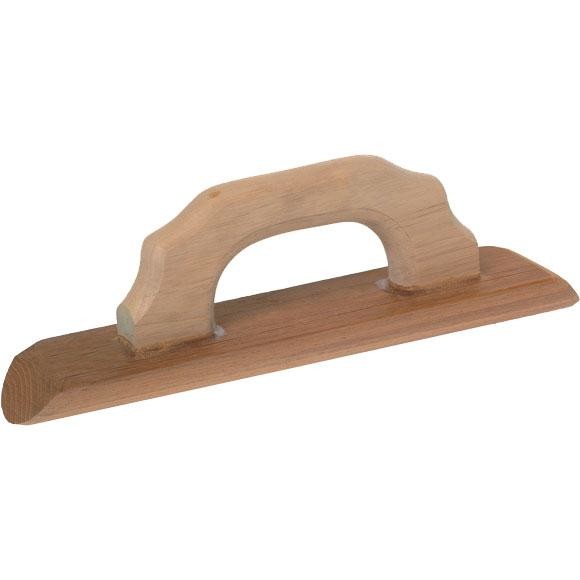
If you're making a cove with regular plaster, it's best to use a cove trimming tool for the purpose. With gypsum plaster, it’s not as fussy; you can use various techniques.
All in all, I would personally go for gypsum plaster in this case, even for the hole in the floor.
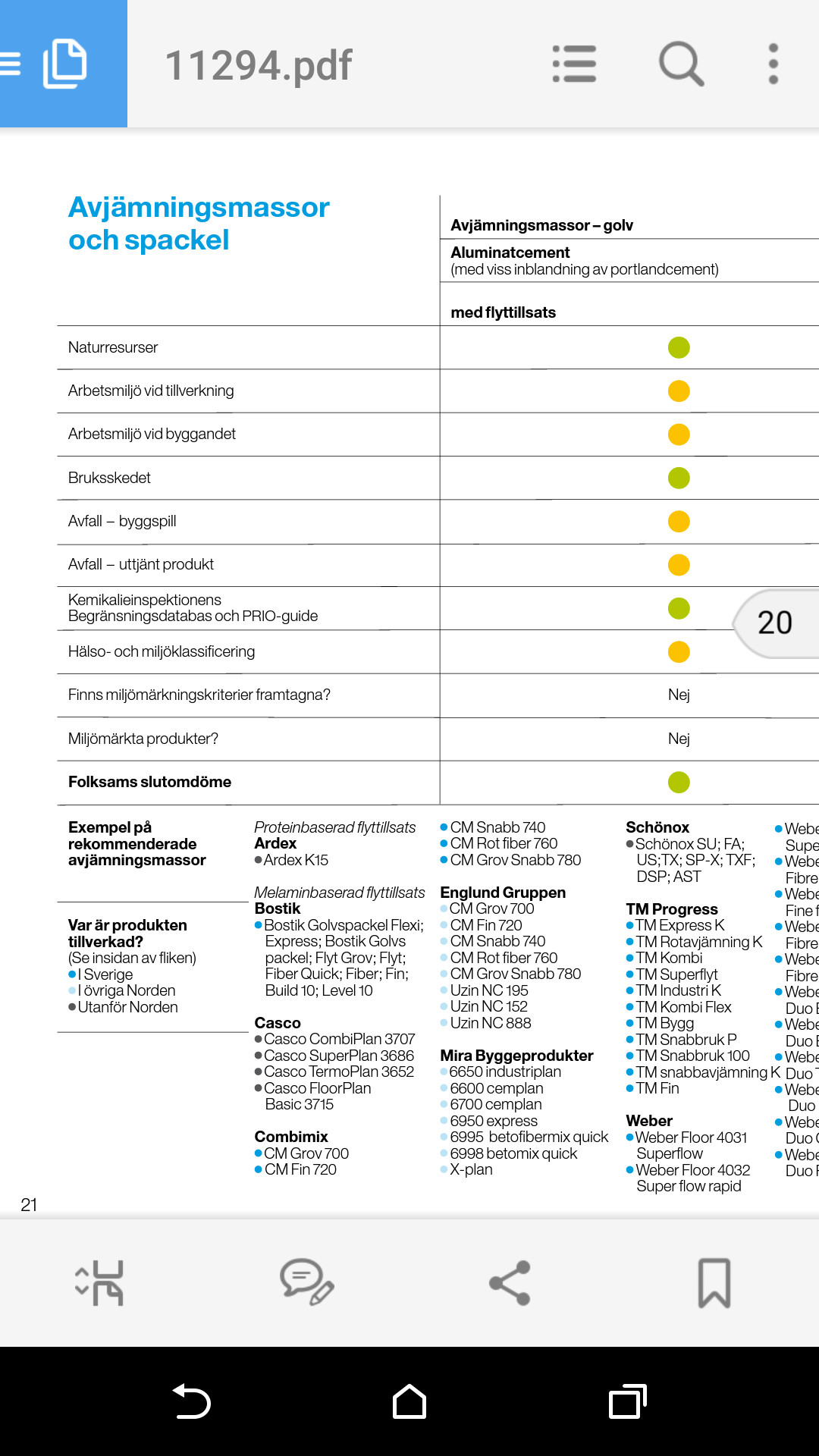
Logic, isn't Ardex protein-based? Maybe off-topic, but oh well. I've heard about Husfix, but I'm leaning towards gypsum plaster now. Thanks for your answer!
I was under the impression that Ardex was gypsum-based but I could be wrong.
I'm in a similar situation as you and have spent the weekend filling about 10 kg of Husfix into holes left by removed walls and after chased-in electrical wiring. Tonight, I'll be sanding and skim-coating.
I think all the options mentioned here are equivalent, but if I were to give advice based on time, it would be to choose an option that doesn't take too long to dry.
JohanLun, thank you for sharing your experiences with me! I have also realized that you should not use a harder mortar than what is already there. Valuable info, by the way!
@ cpalm, the same to you, very valuable info. I googled concave moulding, and didn't get much wiser after reading on Wikipedia. Do you mean the moulding profile or the transition between the wall and the "sole" in a basement? So it should work with gypsum plaster even for the floor then. But shouldn't it still be repaired with concrete?
@logic, I just realized that what I meant with Ardex was leveling compound, or self-leveling compound. They surely have more products than that. But I wouldn't want to use their self-leveling compound. Even if they may not use casein as a protein additive (the scandals with self-leveling compounds in the early 90s), I would personally avoid such (self-leveling) compound.
It's very different from person to person based on the criteria one makes choices. I mainly make my choices based on building conservation technical criteria, as well as which products are best from an environmental and health perspective. The rest is less important to me. Good luck with the renovation!
@ cpalm, the same to you, very valuable info. I googled hålkäl, and didn't get much clearer after reading on Wikipedia. Do you mean the molding profile or the transition between the wall and the "sole" in a basement? So it's supposed to work with plastering even for the floor then. But shouldn't it still be repaired with concrete?
you use floor products for the floor and wall products for the wall. if unclear, read about the product
How good is gypsum plaster in areas where "moisture" occurs? Thinking typically of basement floors and basement walls? Gypsum board's strong side is probably not damp environments? But maybe they are different from each other in this aspect?
How good is gypsum plaster in places where "moisture" occurs? Thinking typically of basement floors and basement walls? The strong side of gypsum board is not really moist environments, right? But maybe they are different from each other in this aspect?
Hello,
I have removed moldings from the wall, and from every spot where the nails were fastened, a piece of the wall came off.
Is there something pre-mixed, like putty in a can?
Hi,
I have removed moldings from the wall and from each spot where the nail was attached, a piece of the wall came off.
Is there something pre-mixed, like putty in a can?
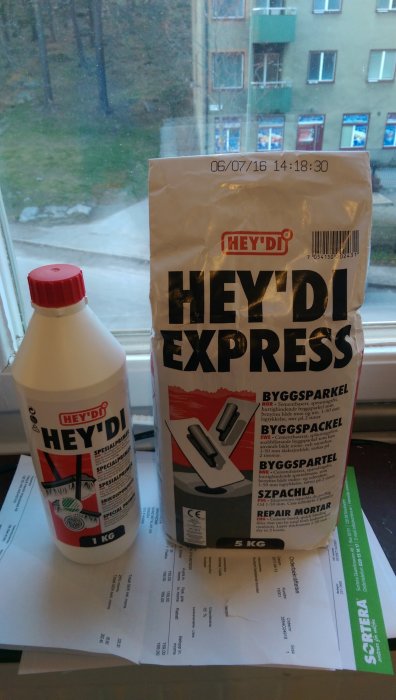
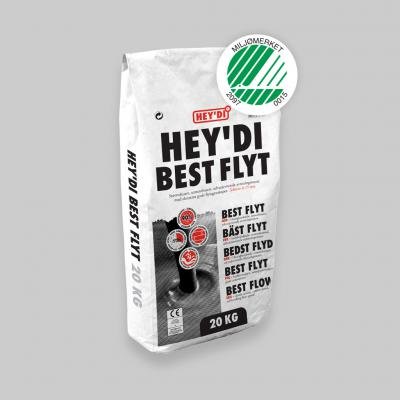
I can now happily announce which products were chosen👍 Selected to be as environmentally and health-friendly as possible. Norwegian Hey'di is the only company with Nordic Swan eco-labeled concrete products.
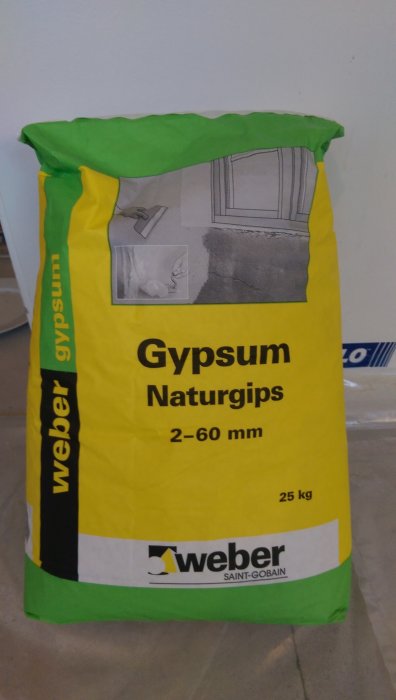
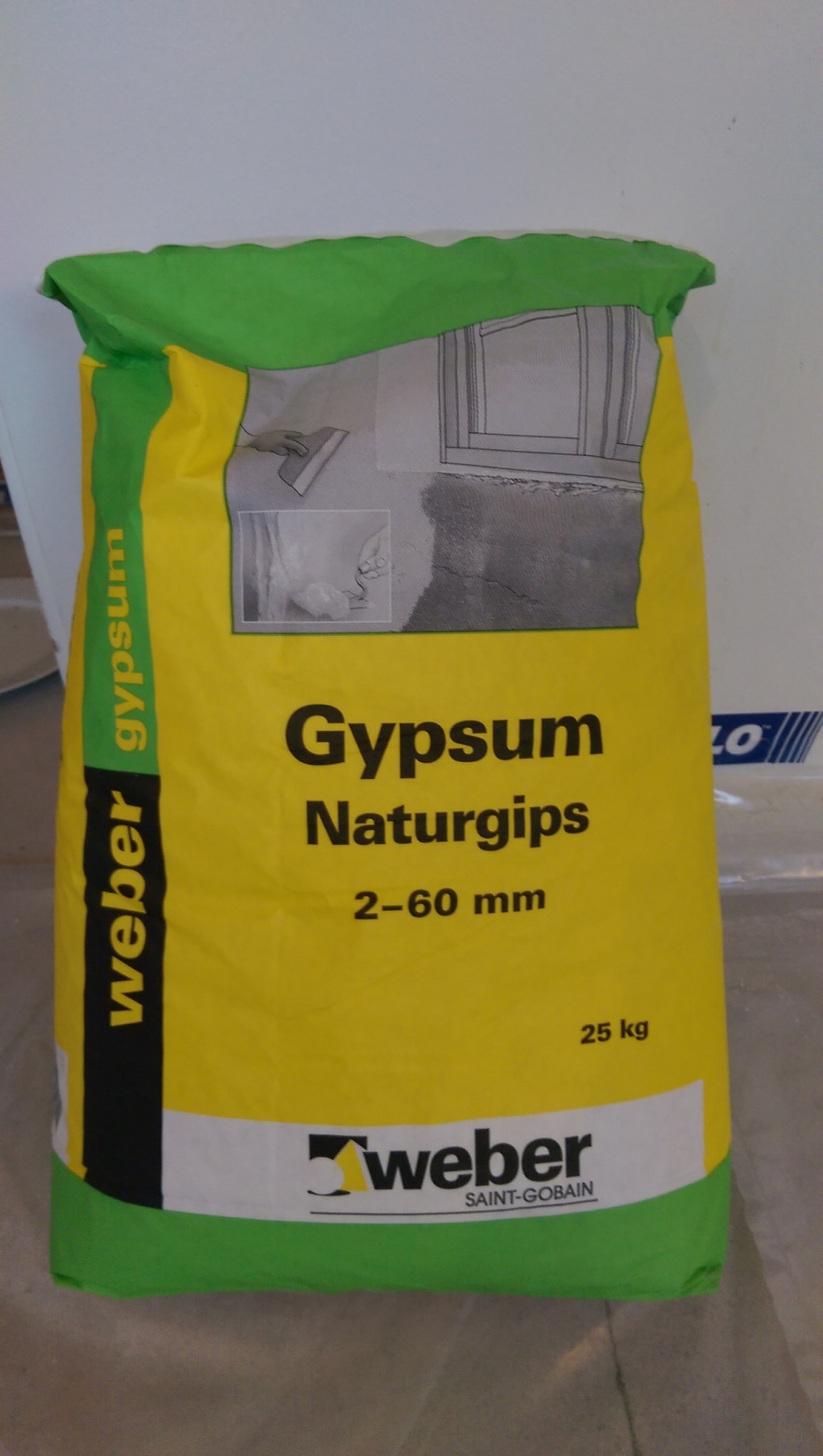
Plaster for wall and ceiling
Weber Gypsum Naturgips
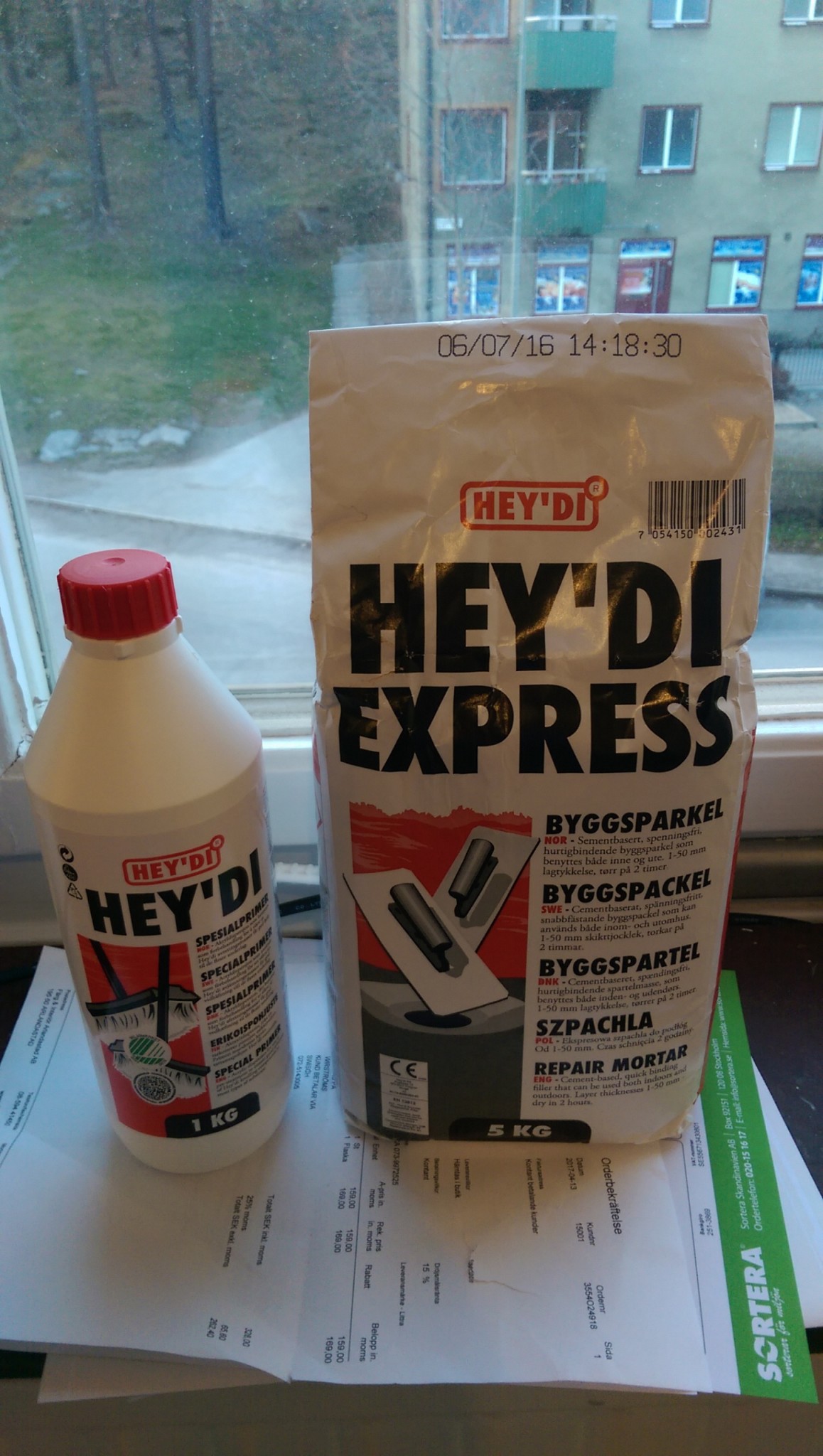
Repair the hole in the floor
HEY'DI Express Building Compound +
HEY'DI Special Primer (Nordic Swan labeled!)
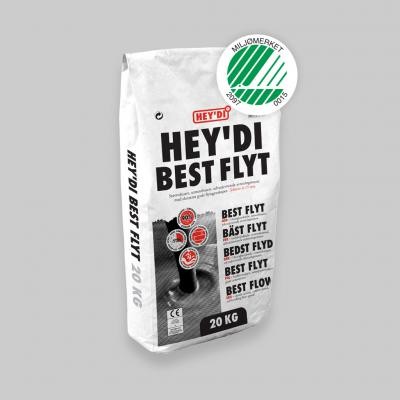
Self-leveling compound
HEY'DI Bäst Flyt 20 kg bag +
HEY'DI Special Primer as mentioned above
Bäst Flyt 320 SEK/bag but it is fairly quick-setting, meaning it does not take a week, and it can be applied from 0-15 mm. Most other leveling compounds can be applied from 5 mm according to what I've read? The primer is 169 SEK. The construction putty 5 kg bag is 159 SEK. They also have another leveling compound (slightly coarser) that costs 269 SEK per bag. So I would like to suggest that they are not more expensive than other brands?
Vi vill skicka notiser för ämnen du bevakar och händelser som berör dig.