
Hello,
I'm in the process of preparing for a geothermal heat pump and thought I'd tidy up the walls a bit before it gets installed. I started tapping on the plaster and noticed it was very porous. To be safe, I removed it all. Now to the questions:
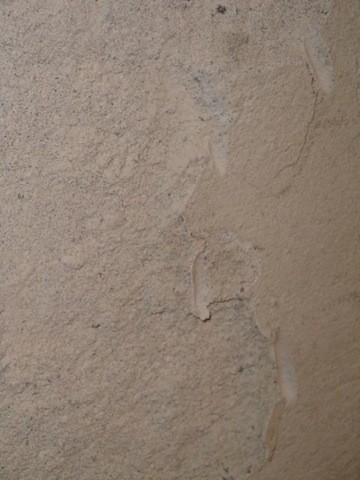
1. What type of plaster do I have on the basement walls (see attached image)? The wall is concrete block and, as mentioned, the plaster is very porous.
2. Can you plaster on top of this plaster and if so, with what mix? I don't think I want to remove all the plaster in the entire basement, but rather repair and level where needed.
Grateful for advice.
-h
I'm in the process of preparing for a geothermal heat pump and thought I'd tidy up the walls a bit before it gets installed. I started tapping on the plaster and noticed it was very porous. To be safe, I removed it all. Now to the questions:
1. What type of plaster do I have on the basement walls (see attached image)? The wall is concrete block and, as mentioned, the plaster is very porous.
2. Can you plaster on top of this plaster and if so, with what mix? I don't think I want to remove all the plaster in the entire basement, but rather repair and level where needed.
Grateful for advice.
-h
Member
· Västra Götaland
· 525 posts
The plaster in my basement looks the same, also on concrete hollow blocks. The house is from '51. On my wall, it was lime plaster. Very porous, especially near the floor. It's not possible to plaster with anything harder on top, but the same plaster, or something softer, should apparently work. However, I wanted something harder, so I have chipped away everything (but only in one room so far) and am plastering with cement-based plaster. I think it's Puts o murbruk c.
Exactly like here then. At the floor, it comes off immediately. Higher up, you have to work a bit, but basically, it can be scraped off with relatively little effort. My house is from '59. I was considering using gypsum plaster.
-h
-h
Splash with slurry (cement and water) for better adhesion, then just plaster.
Click here to reply