I'm renovating a room in the basement that will become a boiler room and laundry room.
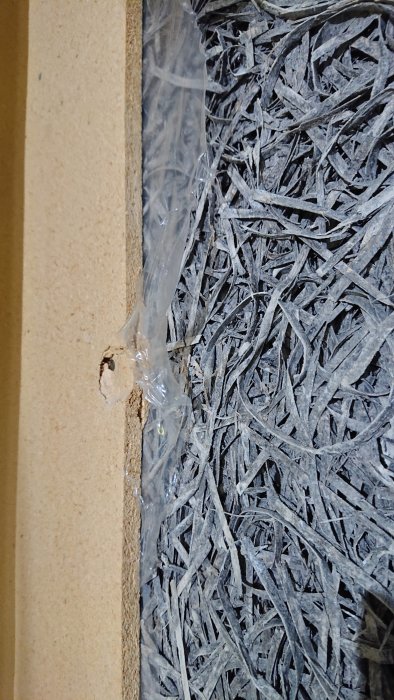
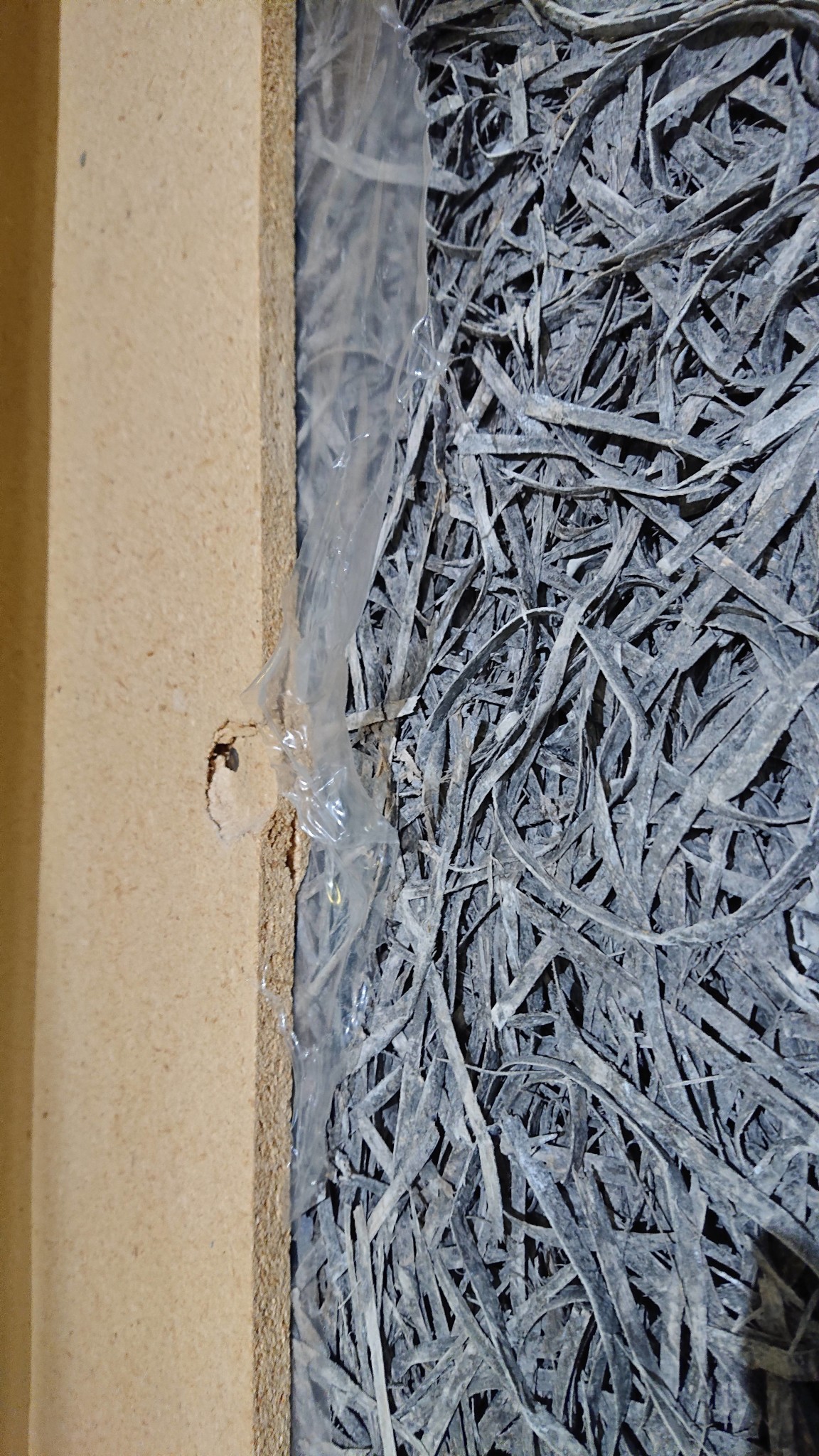
The exterior walls are made of concrete and then wood fibers mixed with cement on the inside.
Incoming water comes up through the floor 5cm from the wall, so there's no room to build out with metal studs.
The previous particle boards are poorly attached according to the previous owner with nails.
How do I get a solid interior wall on this?
Drywall or maybe double drywall and attach with long screws into the concrete behind the wood fiber insulation?
You've almost answered it yourself, but the easiest way is probably OSB which can be mounted with nail plugs that, of course, must reach into the concrete behind. Then, screw drywall onto it. Personally, I've mostly seen that material in the basement ceilings of apartment buildings.
No risk with OSB since there's plastic behind it? I thought of completely skipping organic material but I think it will be more stable if I can use OSB and then overlapping drywall.
There are two different schools in basement environments.
1. No organic material at all, it's scary
2. As long as it's dry, use whatever material you want.
I personally belong to variant no. 2. As long as the basement is dry, with functioning drainage and preferably insulation on the outside in the form of pordrän/isodrän, I would not be afraid to use organic material. I myself have/had träulit in my basement. I have renovated a number of rooms and in these rooms, I have knocked down the träulit, it comes down in large sheets. Framed up a steel wall and then insulated with an air gap against the outer wall, then OSB and drywall. This provides opportunities to install electrical boxes, run pipes and cables neatly in the wall. Above all, it provides good opportunities to attach things to the walls.
Make sure the house has a dry head (roof) and then the feet (drained foundation). Then just go for it.
I would knock down the träulit, frame up with 45 or 70 steel studs, and then insulate with an air gap against the outer wall. OSB/plywood, then drywall. Then you have a good wall with ample opportunities. In this way, you might lose about 3cm instead of losing 10cm outside the current wall if you set it up outside the wall.