
20,345 views ·
103 replies
20k views
103 replies
Why is there such a big difference at the same lumberyard?
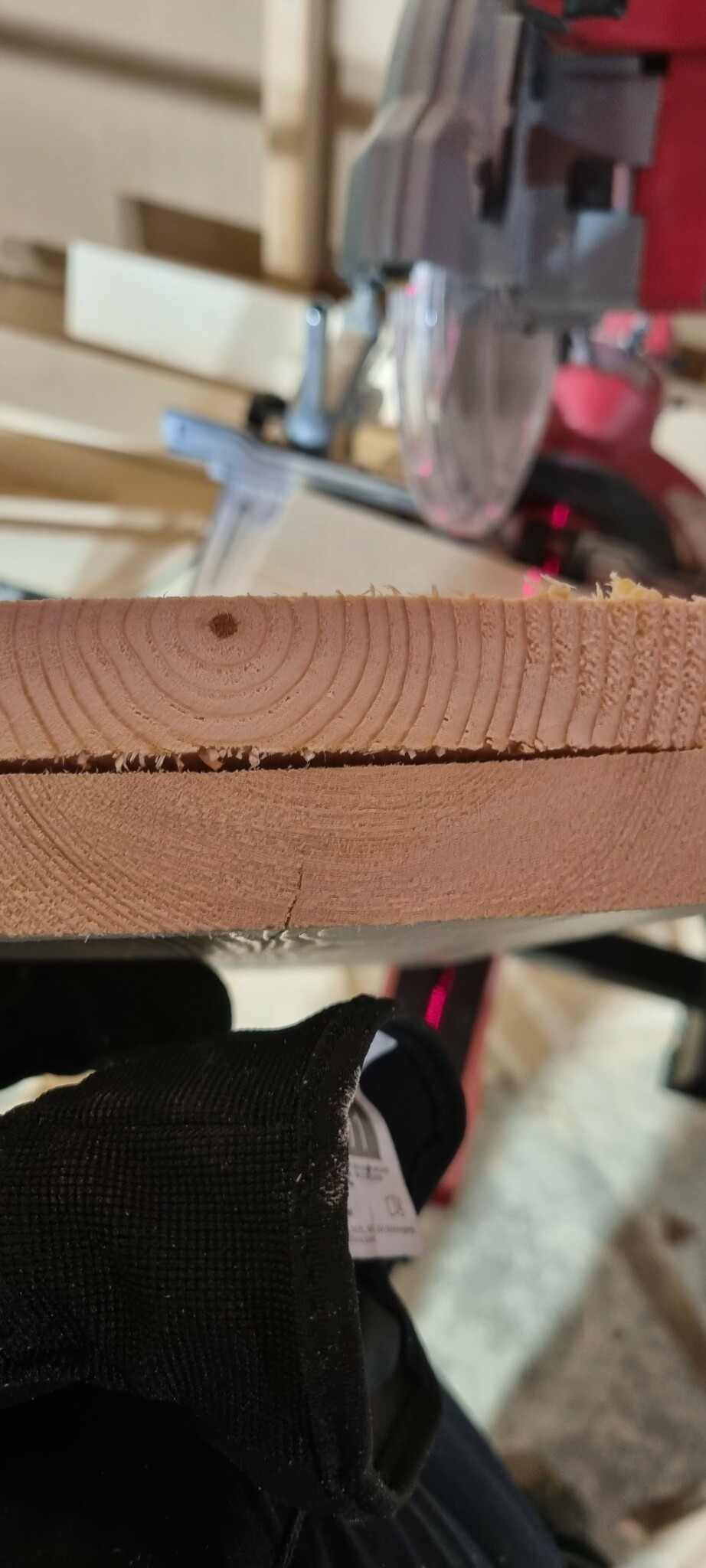



Here where I live, you can buy southern Swedish wood, with slightly wider growth rings.
Or choose Norrland's wood, with slightly tighter growth rings, but also a more expensive price per meter.
But you have to be careful sometimes, when the Norrland lot is gone, they fill it with southern Swedish wood.
Until they get the Norrland lot again.
And then you might have to pay the high price for the lousy wood 😡💸💸
Or choose Norrland's wood, with slightly tighter growth rings, but also a more expensive price per meter.
But you have to be careful sometimes, when the Norrland lot is gone, they fill it with southern Swedish wood.
Until they get the Norrland lot again.
And then you might have to pay the high price for the lousy wood 😡💸💸
Because I have an academically high-paying job with specialist knowledge in a completely different field, and I do some woodworking as a hobby for fun and don't know anything professional about woodworking and don't work with forestry or whatever other background one might have if they know terms like "pith" when talking about boards.F fribygg said:
You should choose the densely grown ones, the facade will last much longer.



Mats-S
Construction veteran
· Sollentuna
· 3 327 posts
Mats-S
Construction veteran
- Sollentuna
- 3,327 posts
The end grain should ALWAYS be painted when repainting the facade. Even many new houses with vertical facade panels lack treatment of the end grain, it should be fixed ASAP if you want to avoid future problems. To be really meticulous, vertical facade panels should additionally be beveled at the end ("drip nose") to prevent water from settling at the bottom edge of the panel.K kurlakarl said:
I know! Addressed some of it on the house already. Very annoying as the facade and paint are otherwise great, but the end grain is completely rotten on several walls..The end grain should ALWAYS be painted during repainting of the facade. Even many new houses with vertical facade panels lack treatment of the end grain, should be fixed ASAP if you want to avoid future problems.
To be really meticulous, vertical facade panels should also be cut at an angle at the end ("drip edge") to prevent water from settling at the bottom of the panel.

Droppnäsa is a myth, it works just as well without.The end grain should ALWAYS be painted during the repainting of the facade. Even many new houses with vertical facade paneling lack treatment of the end grain, which should be fixed ASAP if you want to avoid future problems.
To be really meticulous, the vertical facade paneling should also be beveled at the end ("droppnäsa") to avoid water settling at the bottom of the panel.