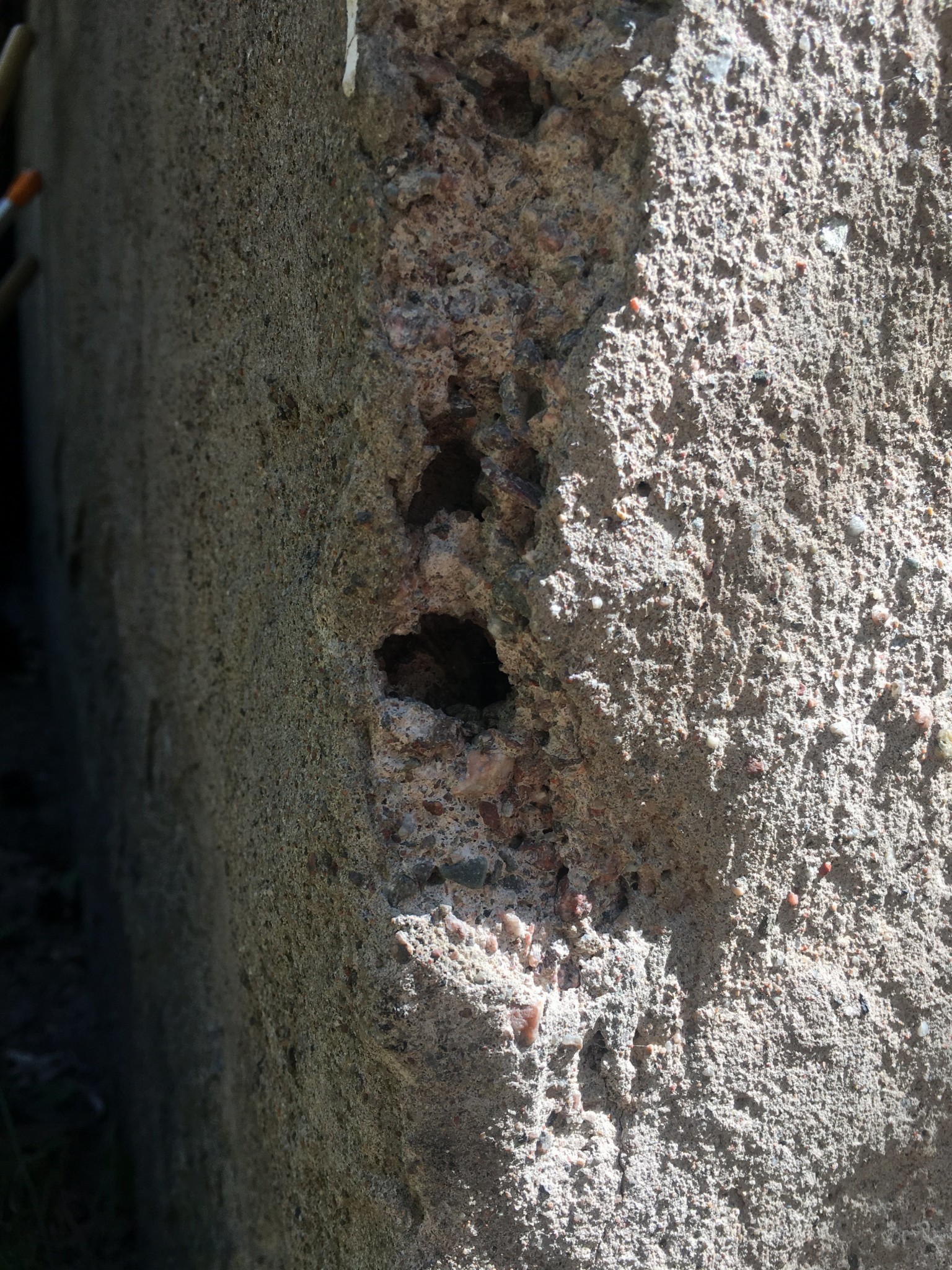
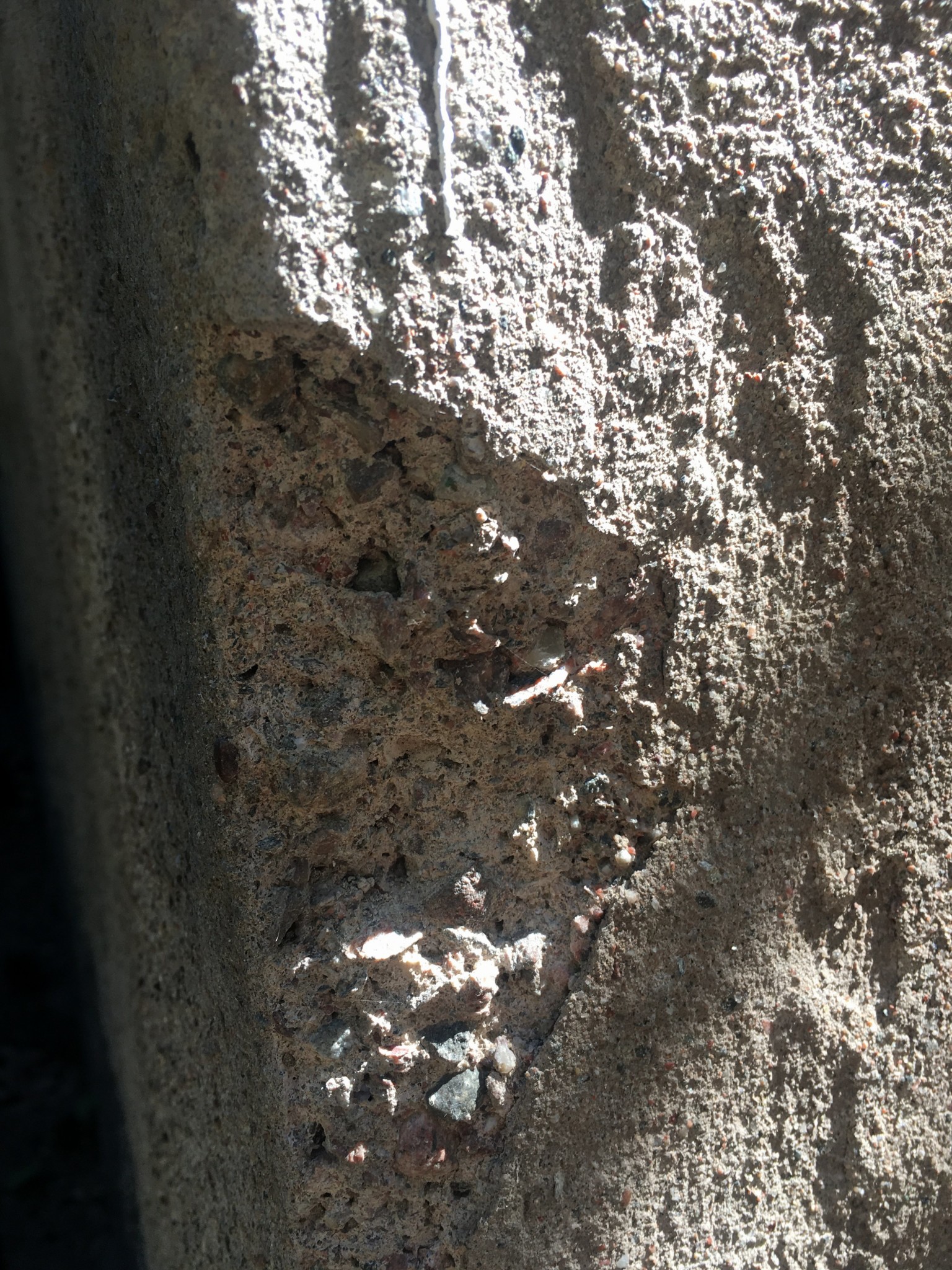
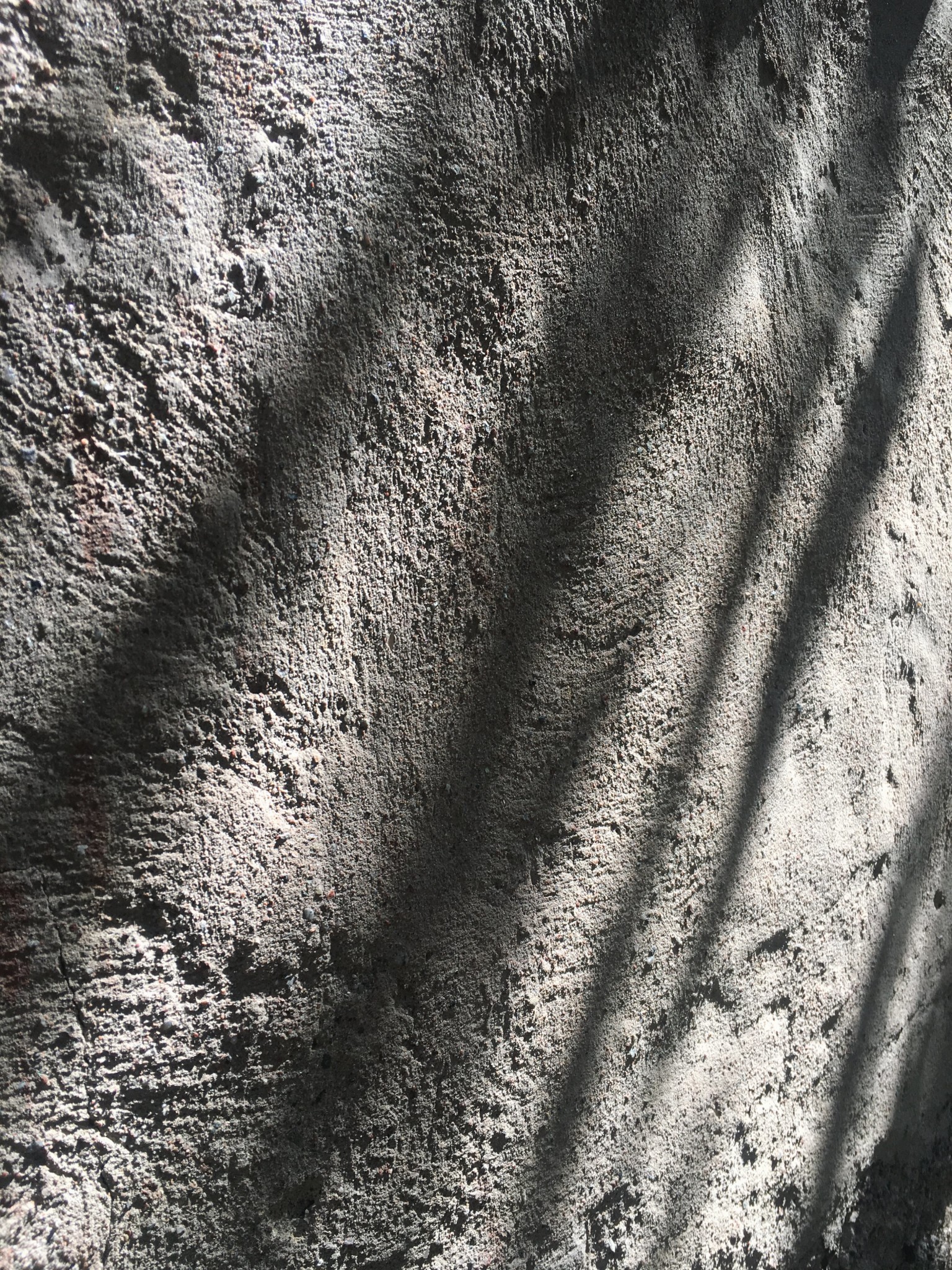
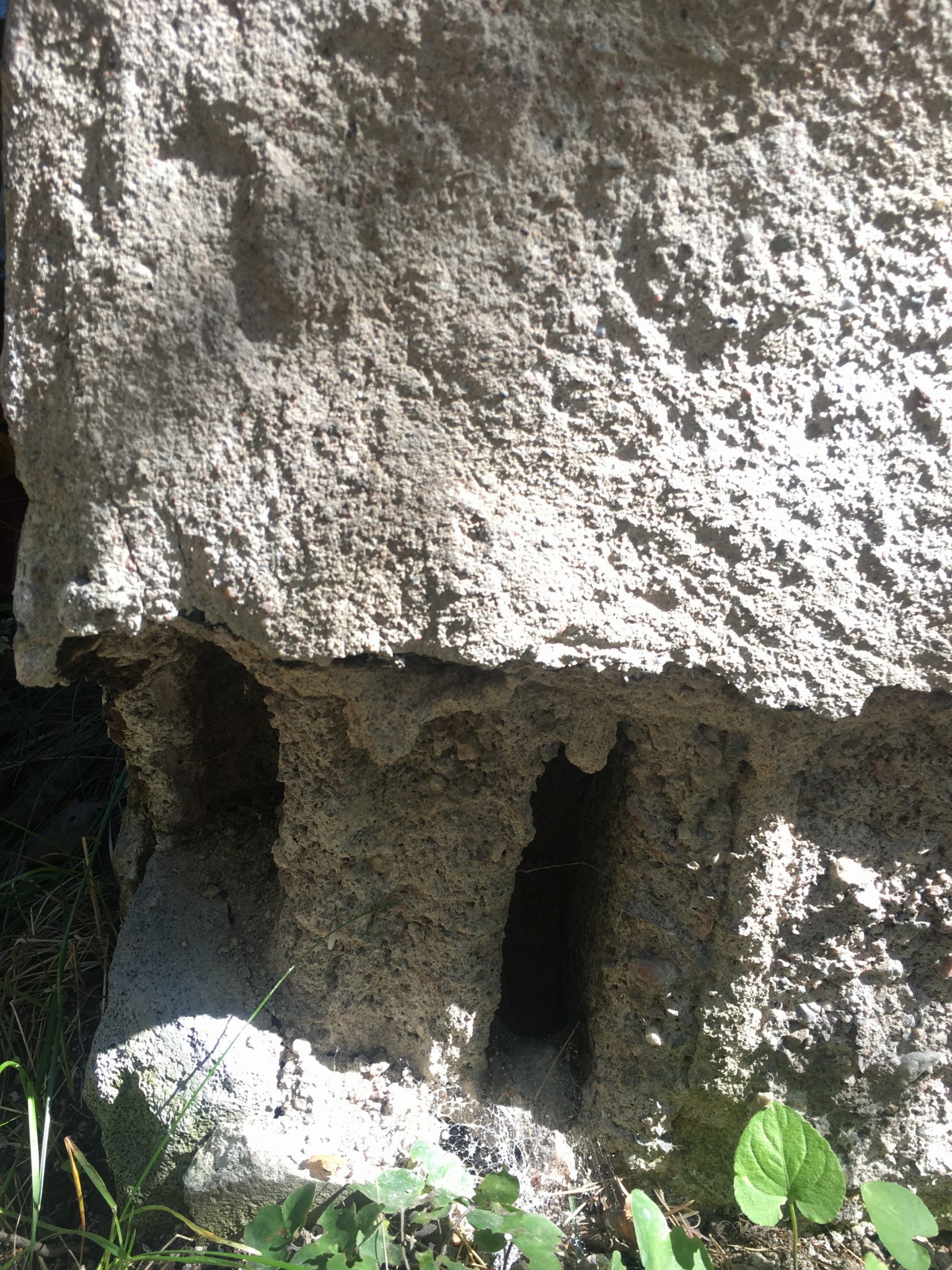
Close-up of a concrete hollow block foundation wall with visible damage and cracks. The wall is from a house built in 1945. Close-up of an exterior concrete foundation wall with visible patch and texture variations, indicating sections of missing plaster in sunlight. Concrete wall texture with light shadows, showing rough surface. Image related to a discussion on repairing house foundation walls built in 1945. Cracked and weathered house foundation made of concrete blocks from 1945, with visible vegetation and sunlight.
Hello,

I am planning to start repairing the house's foundation wall/basement walls (outer side).

How do I know which mortar I should use? I will remove some loose pieces and plaster the entire foundation with a new layer.

The foundation consists of concrete hollow blocks.

Built in 1945
 
Cemtbruk a is probably the most common. But gullex also works.
 
larsbj larsbj said:
Cemtbruk a is probably the most common. But gullex works too.
Hello,

Could there be a risk that Cementbruk A is too strong/hard, so Cementbruk B is better?
 
S spaxx said:
Hi,

Could there be a risk that Cementbruk A is too strong/hard, so Cementbruk B is better?
No, not on concrete block stones as they are hard themselves.
 
  • Like
spaxx
  • Laddar…
larsbj larsbj said:
No not on concrete blocks, they are hard by themselves.
Thanks,

The existing render that is firmly attached, is there a risk that it isn't hard enough? Or is it the hardness of the bricks themselves that counts?
 
You should try to determine if the existing is a or b mortar, if it is Cementbruk (a) it is hard as concrete.
 
  • Like
spaxx
  • Laddar…
larsbj larsbj said:
You have to try to determine if the existing one is type a or b mortar. If it's Cement mortar (a), it's as hard as concrete.
I will probably insulate the entire foundation wall on the outside. It is currently completely uninsulated.

Then maybe cement mortar B might work since it won't be visible? If cement mortar B is okay to use underground.
 
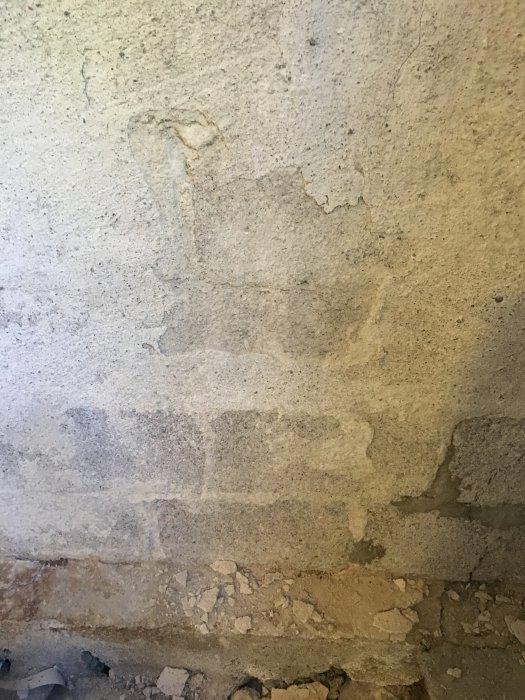
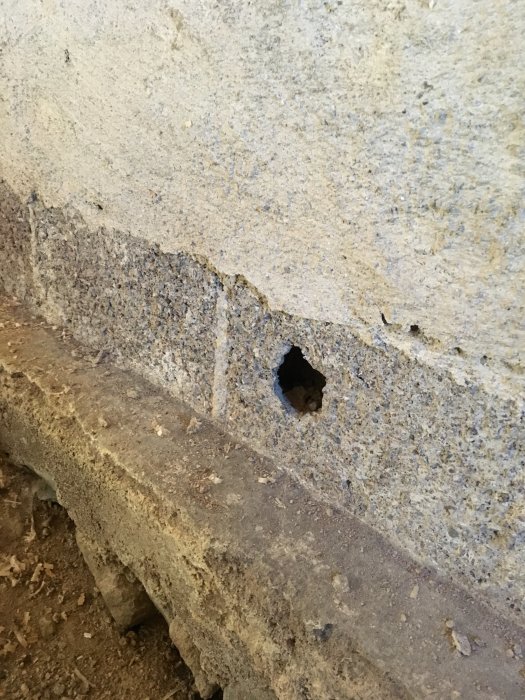
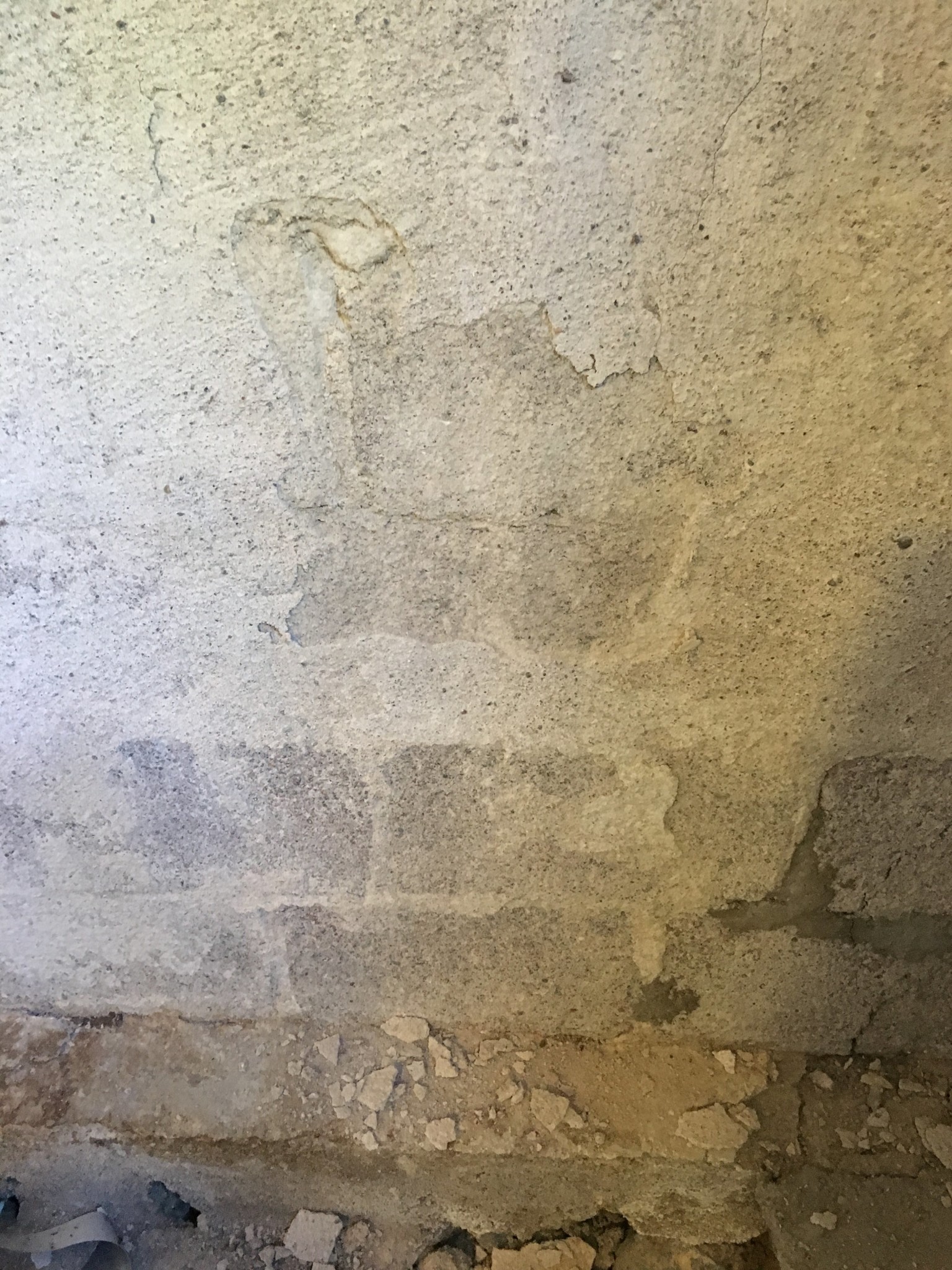
Here you can see how the plaster has come off on the inside at the bottom, up to about 30cm above ground level.

The concrete hollow blocks are not in great shape, some are okay, some need replacing.

Suspect that water from the downspout caused the damage, as well as frost. Also, the house was built around wartime, so perhaps poorer concrete quality.

Peeling plaster on the interior wall with damaged concrete blocks visible, showing deterioration up to 30cm from the ground due to water and frost. Plaster detached from lower interior wall, exposing damaged concrete blocks with a visible hole, possibly due to water and frost damage.
 
Looks like moisture, is it damp? I wouldn't have replaced the stone unless it's worse than what it looks like in the picture. Just throw in some mortar, or if you want, a little concrete in the holes. Maybe you need to drain?
 
leby leby said:
Looks like moisture, is it damp? I wouldn't replace stone if it's not worse than what the picture shows. Just throw some mortar in, or if you want a bit of concrete in the holes. You might need to drain?
Hello,

I have started repairing larger damages with coarse concrete, it seems to adhere well if I first carefully slurry it for a few minutes before with coarse concrete and a brush.

I brush and gently use a pressure washer to remove loose material.

For the smaller damages, I'm unsure if they should be repaired with "puts," meaning cement mortar A or B. Since it will be against both concrete block and old plaster that is sticking hard.

Draining will happen, it's a high priority. As well as diverting the downpipes' water into a gravel drain.
 
That sounds good, make sure there is no color underneath when you're repairing. Make sure it is slightly watered when you're repairing or plastering. You might want to net the concrete before plastering.
 
On the inside, to get better walls for attaching things, plus a bit of insulating effect.

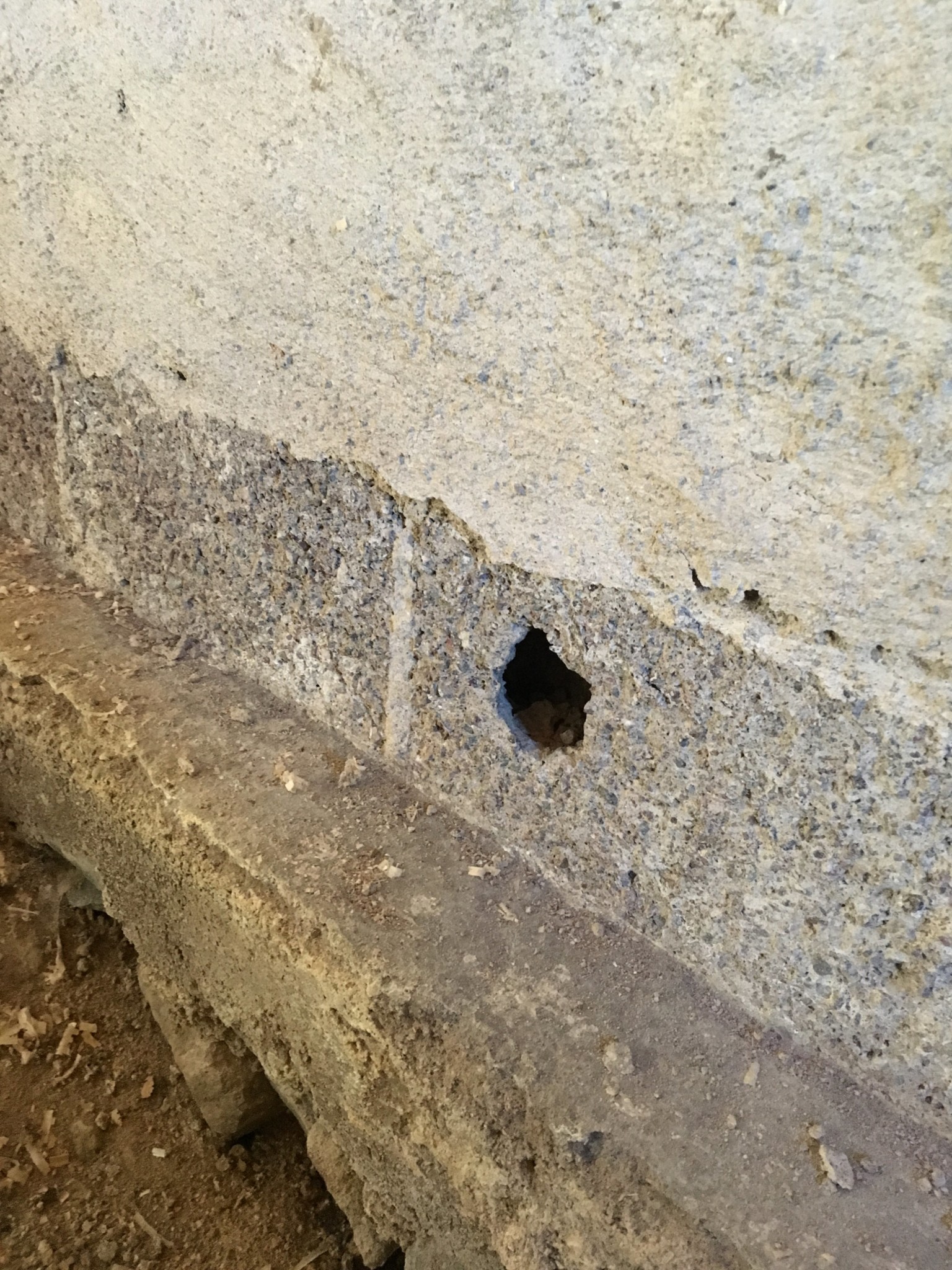
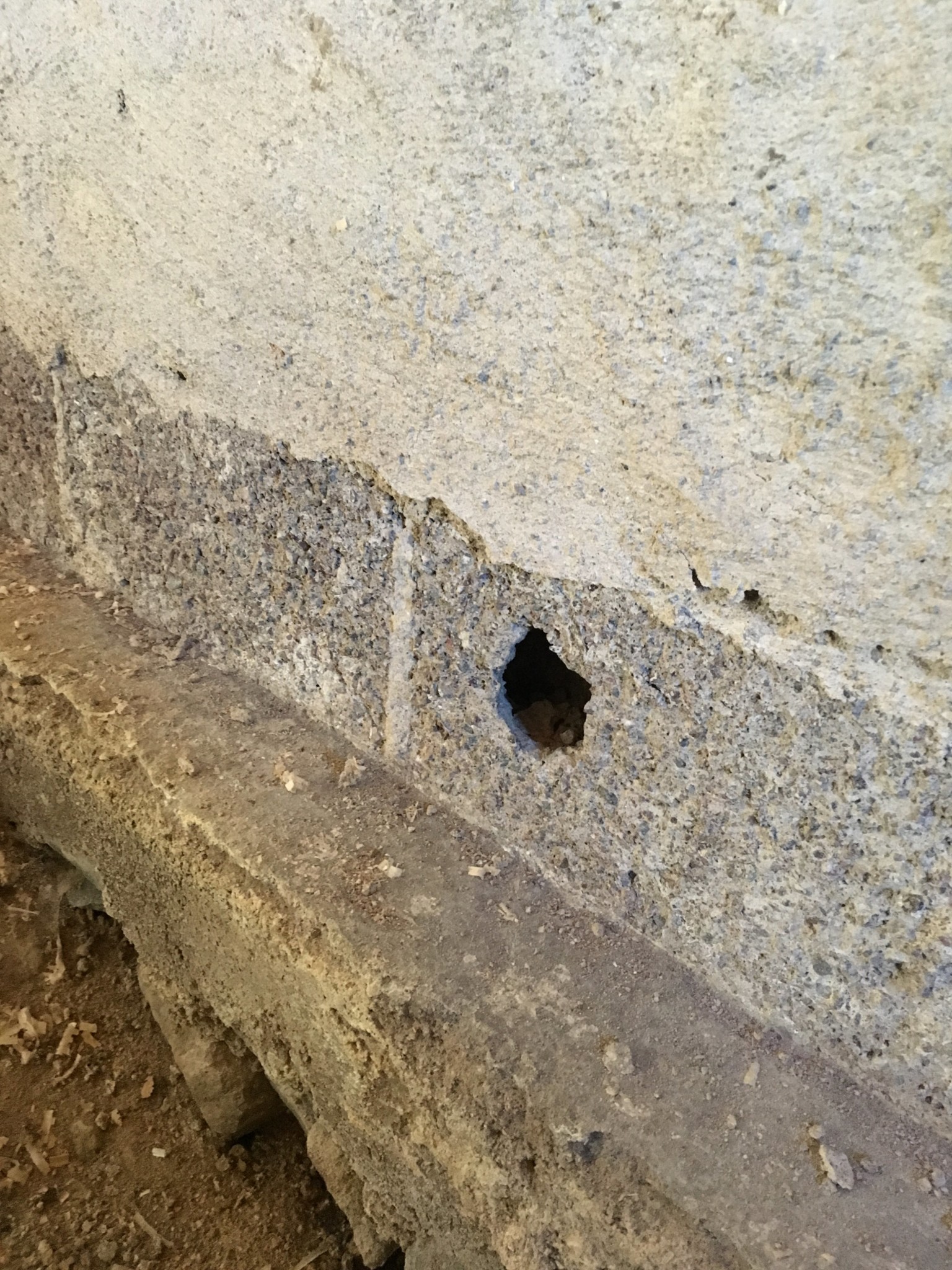
Could one build on the inside with 95mm or 120mm leca blocks directly on the footing of the sole that is visible in the picture?

Close-up of a concrete wall with a small hole and visible footing. Discussion about using leca blocks for interior renovation and insulation.
 
Well, maybe. One has to consider how it affects moisture migration. With nothing but plaster on the inside and drainage on the outside, it should work well. You might need to install some fastenings in the lstenen so the walls don't separate..
 
  • Like
spaxx
  • Laddar…
leby leby said:
Well, maybe. You have to consider how it affects moisture movement. Without anything but plaster on the inside and drained on the outside, it should work well. You should put some anchors in the lstone so the walls don't separate..
Or fill in some mortar between the new and old wall :)
 
I would probably pull a non-specific number of anchors, some stainless, e.g. bistål. Exists for attaching bricks to a wooden framework I think as well.
 
Vi vill skicka notiser för ämnen du bevakar och händelser som berör dig.