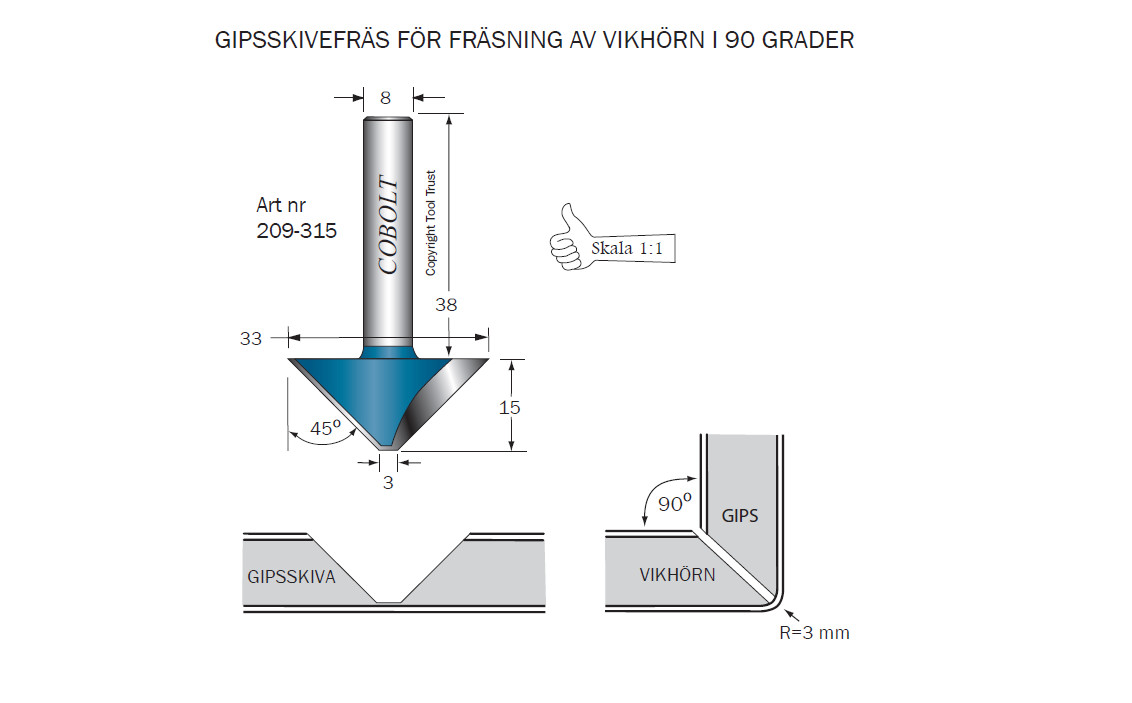
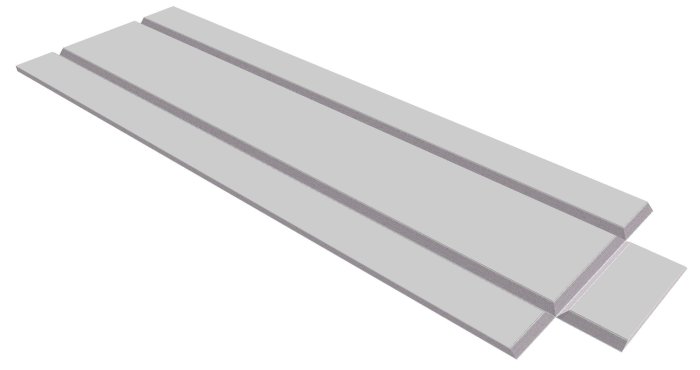
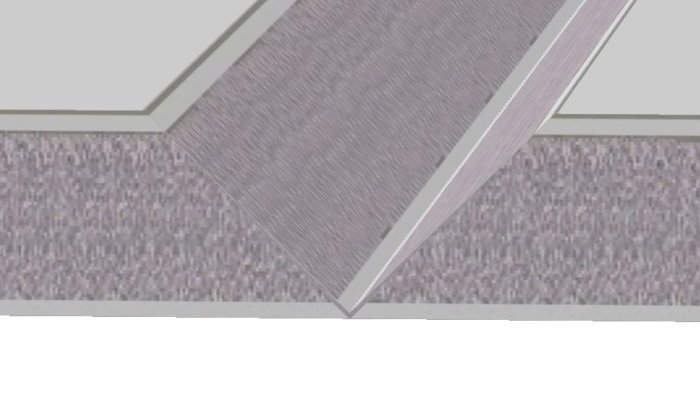
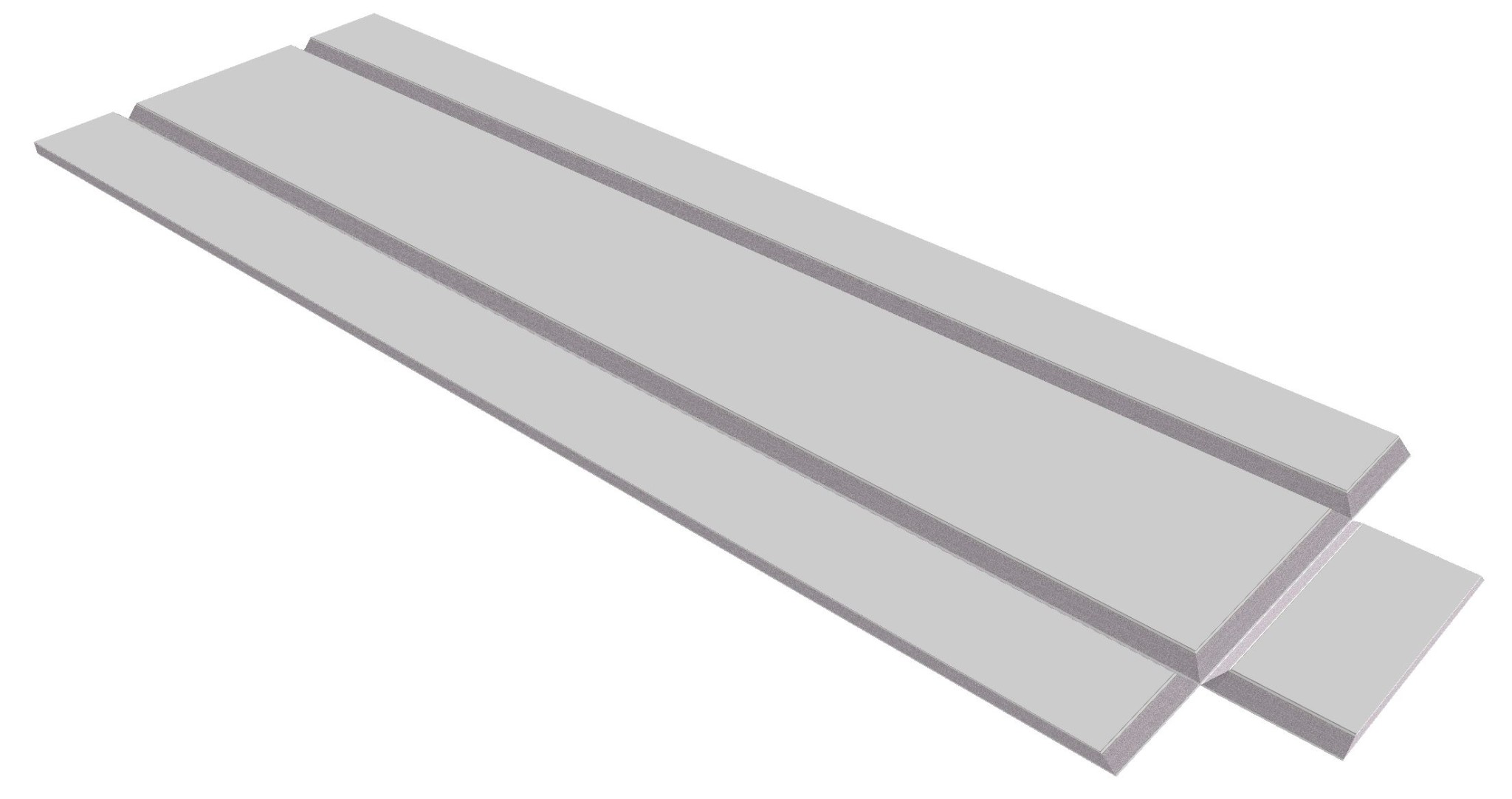
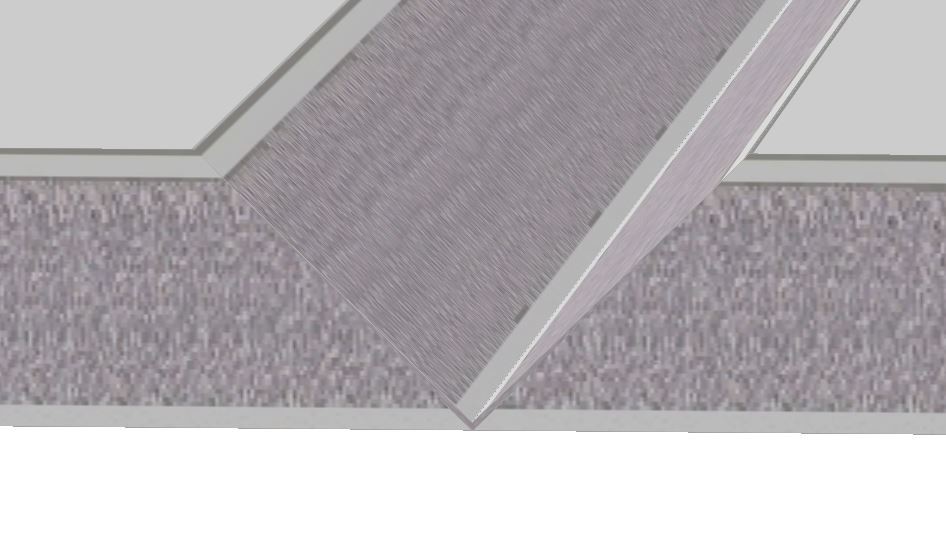
Is there anyone who V-notches their drywall boards to avoid open gypsum edges at 90° corners?
I've been looking for a tool to do this but have come up short, so now I'm thinking about how to solve it with existing tools. Some form of jig to allow me to run the multitool at a 45° angle against the drywall needs to be constructed, but it shouldn't just give me the angle; it also has to limit the tool's depth so I don't go through the paper on the front of the board.
This is something that's done relatively often in the sign and display world when working with Reboard material, but unfortunately, I don't have those 45° knife tools for the cutting table at work, and they are a bit too expensive to buy just because I've decided to geek out on a drywall board at home.
I haven’t checked, but I wouldn’t think you have perfectly straight corners where you plan to place the drywall, and it probably won’t turn out well. I’ve used paper tape and then plastered the inside corners myself, in the outside corners paper tape that is metal-reinforced, and then plaster.
I’ve personally ruined a multi-tool with drywall dust, and a router would probably go the same way.
It sounds like trying to solve a problem that doesn't exist? But if you can solve it by using more tools, that's of course always fun.
However, I agree that it creates a lot of dust when working with gips, so it's important to work in the right place and keep the tools clean.
As others have already written, it's not necessary. Save your skills for when you're installing moldings instead
Drywalling isn't exactly a precision job, and it doesn't need to be either . The boards will still need to be spackled and inner corners should have paper tape if you read the manufacturers' installation instructions.
I haven't checked, but I wouldn't think you have perfectly straight corners where you plan to place the drywall, and then it probably won't turn out well. I've personally used paper tape and then plastered the inner corners, in the outer corners paper tape that is reinforced with metal, and then plaster.
I've ruined a multi-tool with drywall dust myself, and a router would probably suffer the same fate.
In this case, I'm going to encase a drain pipe that runs down the inside of a wall in my kitchen, so I'm just going to make a drywall channel around the pipe. That drywall channel will then (unfortunately) need to be recessed into an overhead cabinet, so I'm planning to make it look as neat and tight as possible and then paint it black so it's as inconspicuous as possible inside the cabinet.
I have now bought a router (Bosch POF 1400 ACE). So now the hunt for a decent router bit has begun. All the dealers I've checked so far have too short 45° router bits. They need to be 13 mm deep to handle a plasterboard. On Aliexpress, I found fantastic "router bits," but I need the router now... not in 4-6 weeks.
I have now bought a hand router (Bosch POF 1400 ACE). So now the hunt for a decent router bit has begun. All the dealers I have checked so far have too short 45° router bits. They need to be 13 mm deep to handle a plasterboard. On Aliexpress, it was possible to find fantastic "router bits," but I need the router now... not in 4-6 weeks.
If the edge is folded in this way, it will only be held together by a layer of paper, right? Do you think it's strong enough for it to be a durable corner?






Snailman said:
I haven't checked, but I wouldn't think you have perfectly straight corners where you plan to place the drywall, and then it probably won't turn out well. I've personally used paper tape and then plastered the inner corners, in the outer corners paper tape that is reinforced with metal, and then plaster.Smeddie said:
I have now bought a hand router (Bosch POF 1400 ACE). So now the hunt for a decent router bit has begun. All the dealers I have checked so far have too short 45° router bits. They need to be 13 mm deep to handle a plasterboard. On Aliexpress, it was possible to find fantastic "router bits," but I need the router now... not in 4-6 weeks.