
2,436 views ·
5 replies
2k views
5 replies
Tear down interior wall (load-bearing?) - Eat my hat!
Hello,
I have plans to tear down a wall between the kitchen and living room (open up around the door frame) in my apartment (built in 1957).
I am personally completely sure that the wall is not load-bearing and dare to say that I will eat my hat if it is, but of course, the association wants an expert to express an opinion before they give approval, which is fully understandable.
Apartment building from 1957
Floors: Basement, Ground floor, 1st floor, 2nd floor, 3rd floor, 4th floor, attic
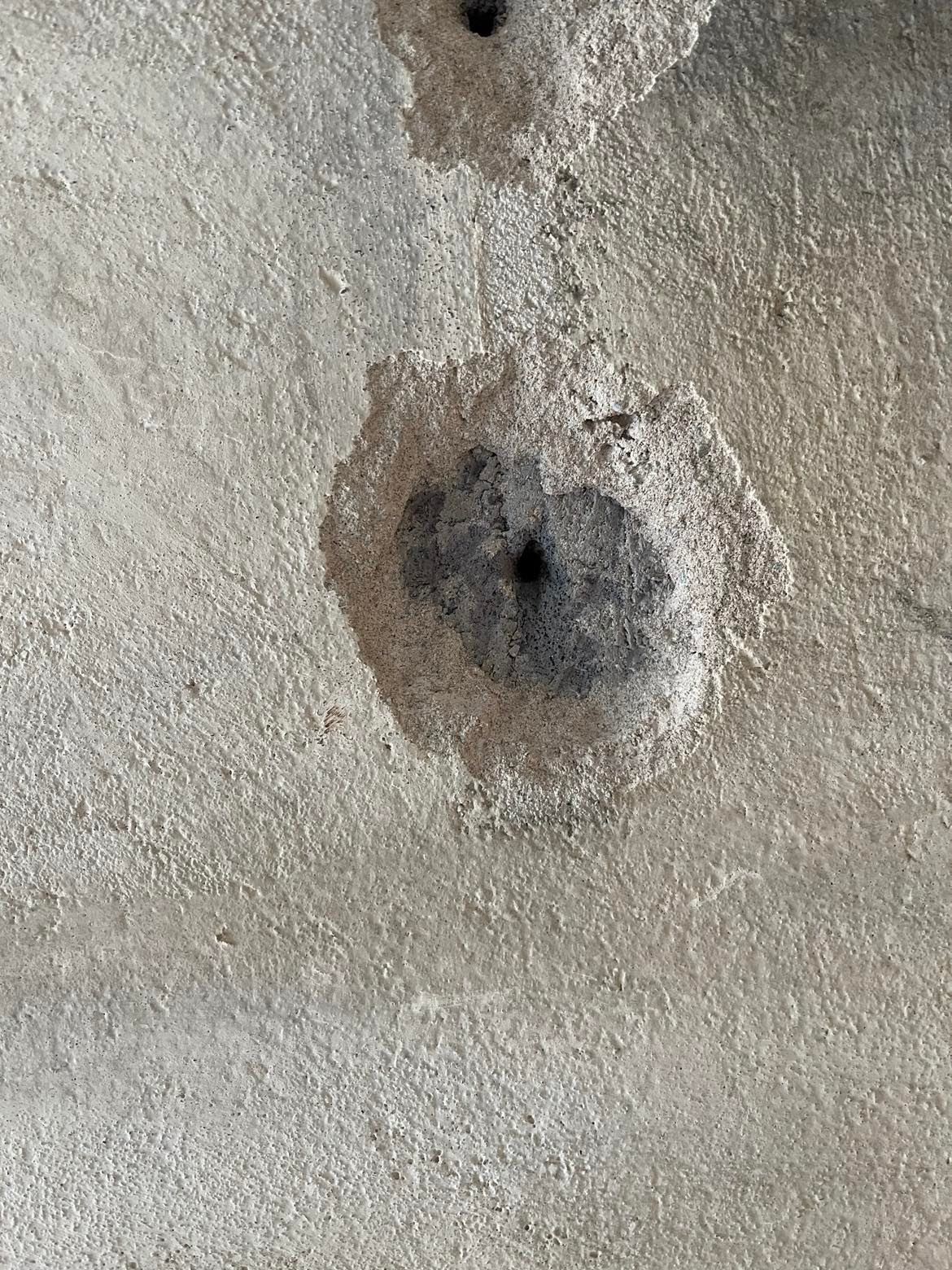
The wall that is desired to be torn down is approximately 100 mm thick and consists of approximately 20 mm plaster on each side (total of 40 mm), and the core is larger blocks about 50-70 mm thick, about 250 mm high, and 500 mm long. The blocks seem (as far as I can Google) to consist of some kind of blåbetong (see picture 9. Material) and are very porous, i.e., you can make holes in the blocks with a regular screwdriver. Without the plaster, I would say that I could kick down these blocks.
The wall does not seem to be listed on the construction drawings available at the municipality, and the neighbor below has torn down the same wall as I have found in real estate agent images.
I have a former civil engineer at work who urgently looked at the drawings and said it is not load-bearing, but without further explanation.
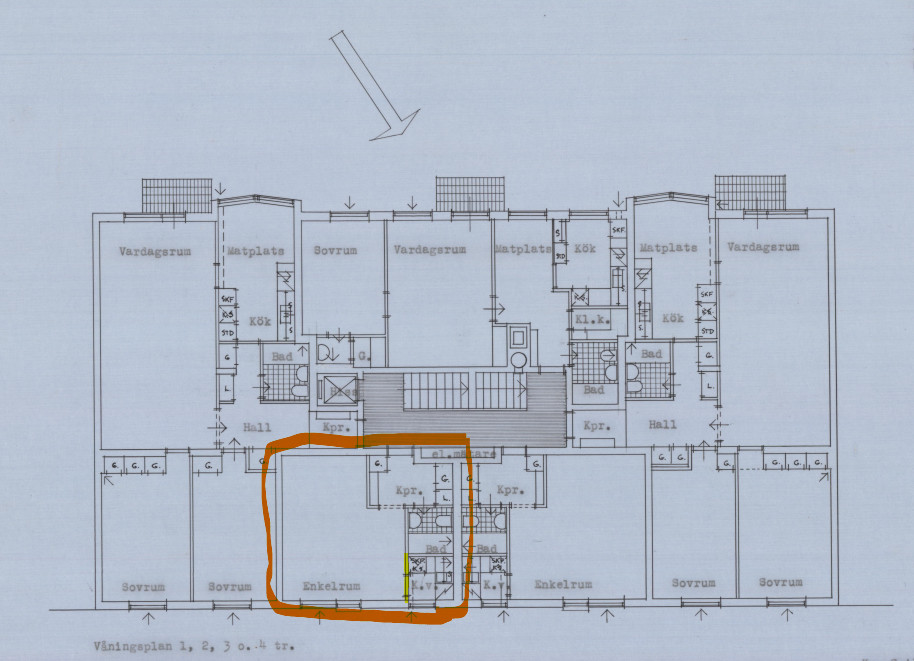
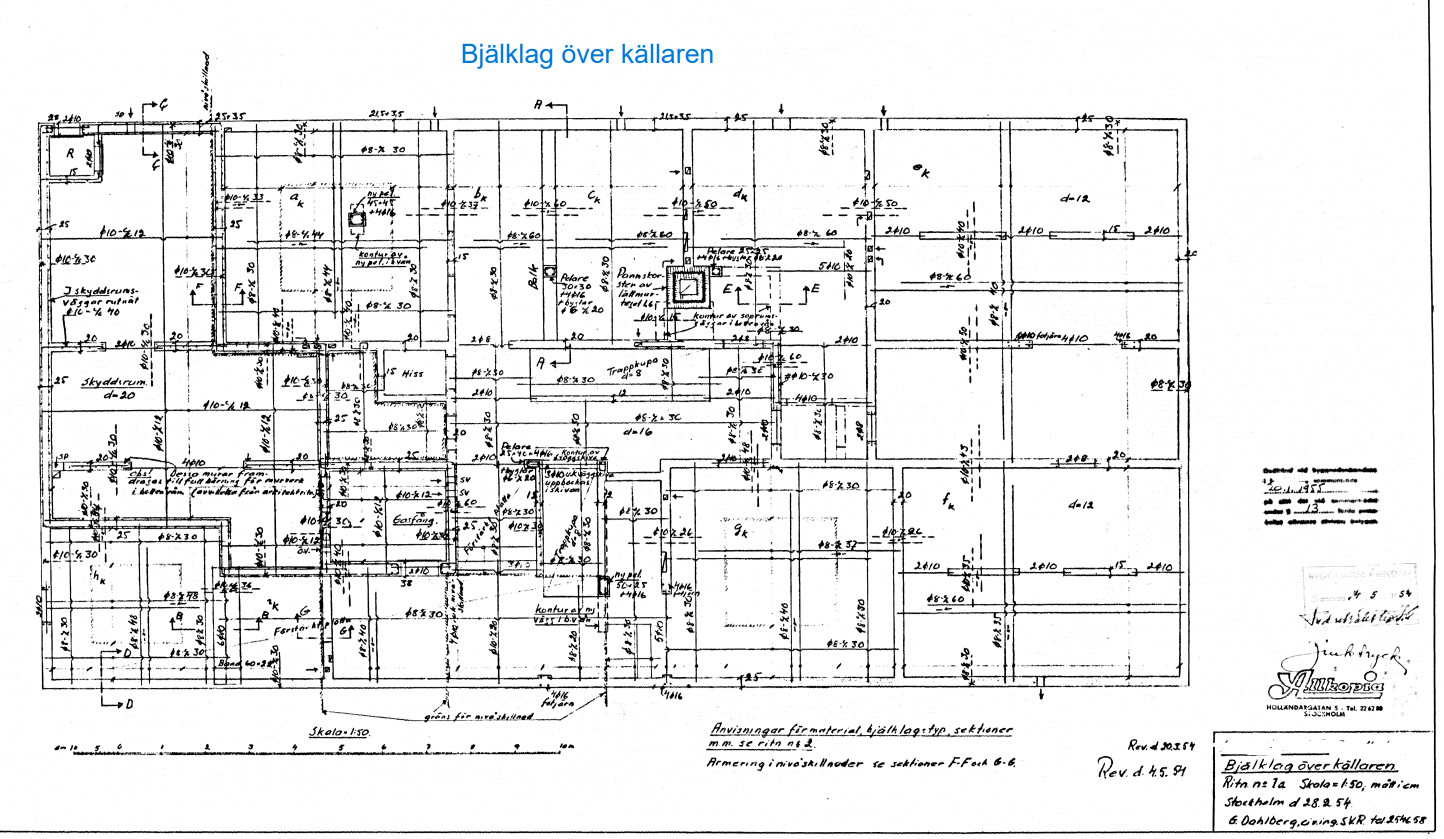
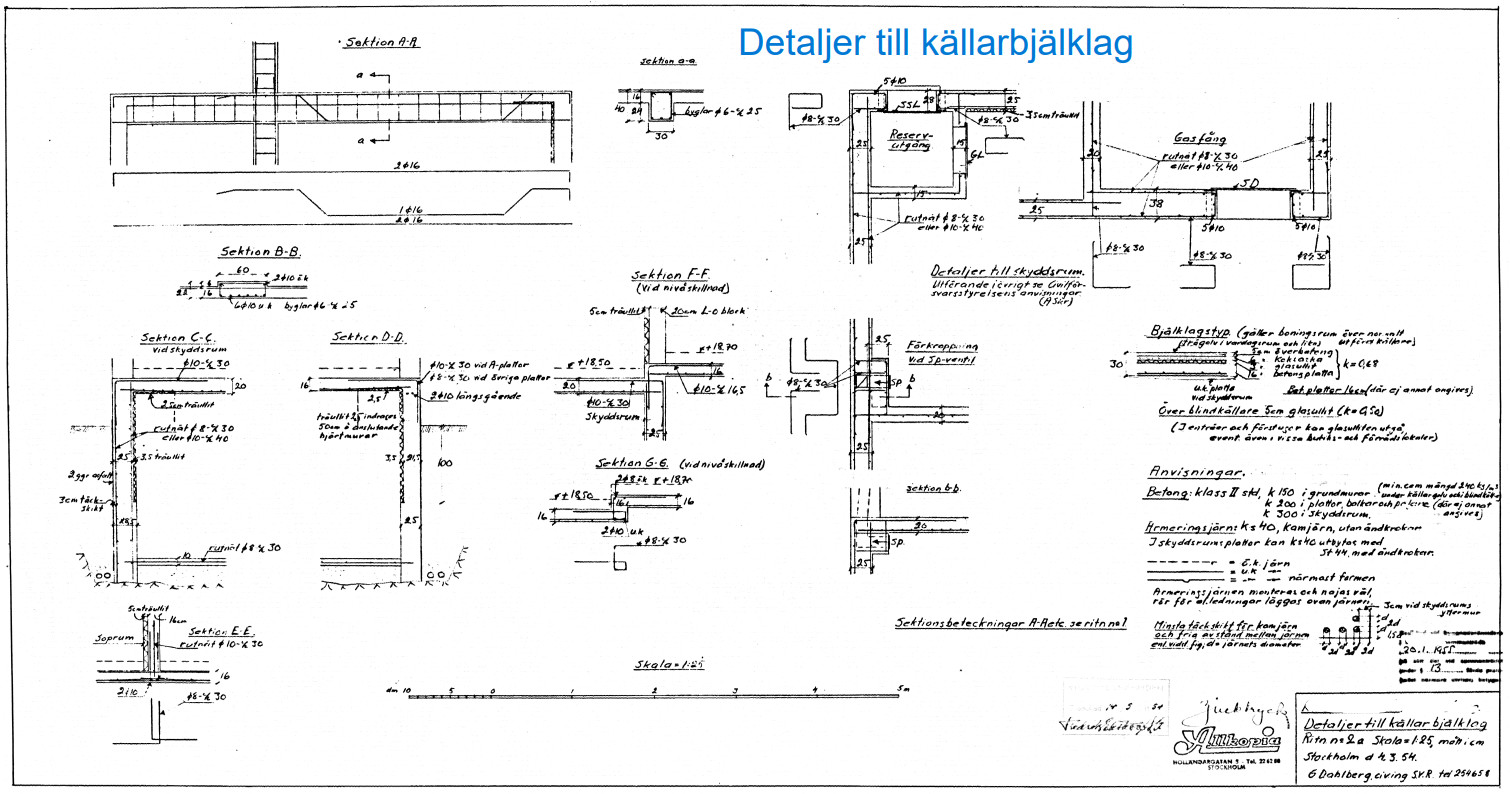
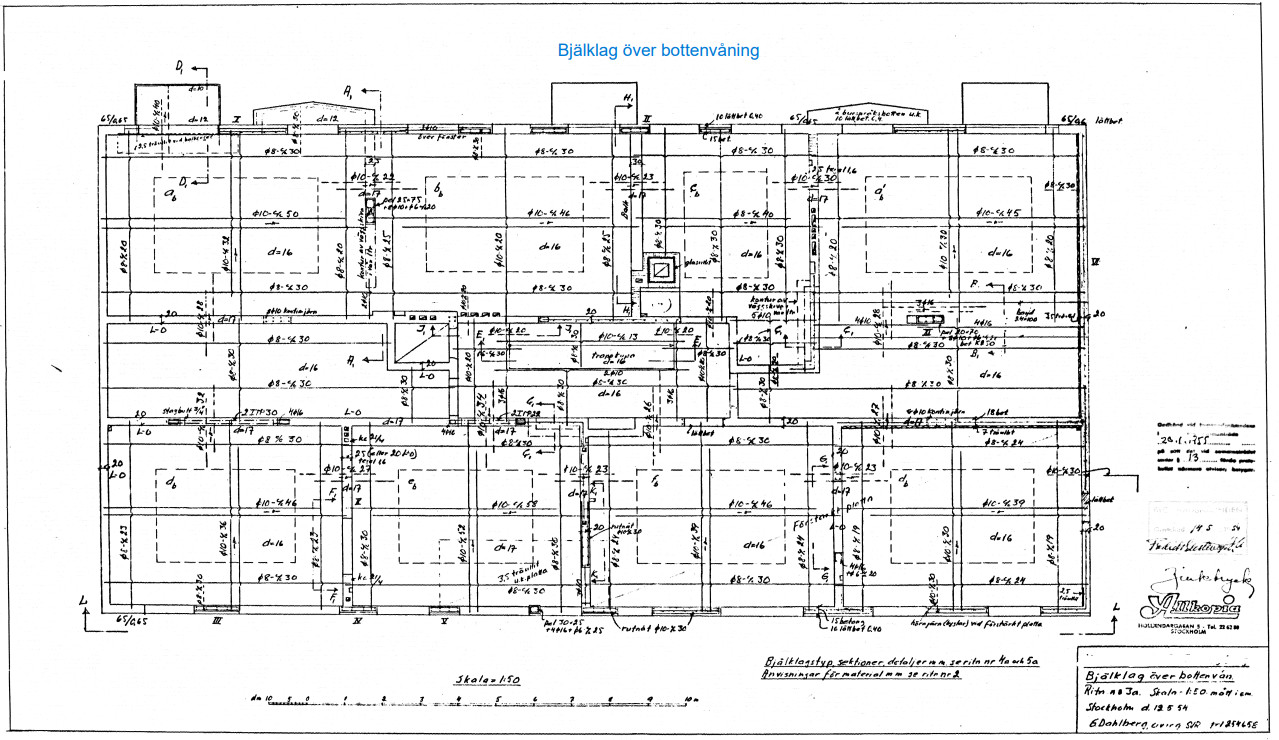
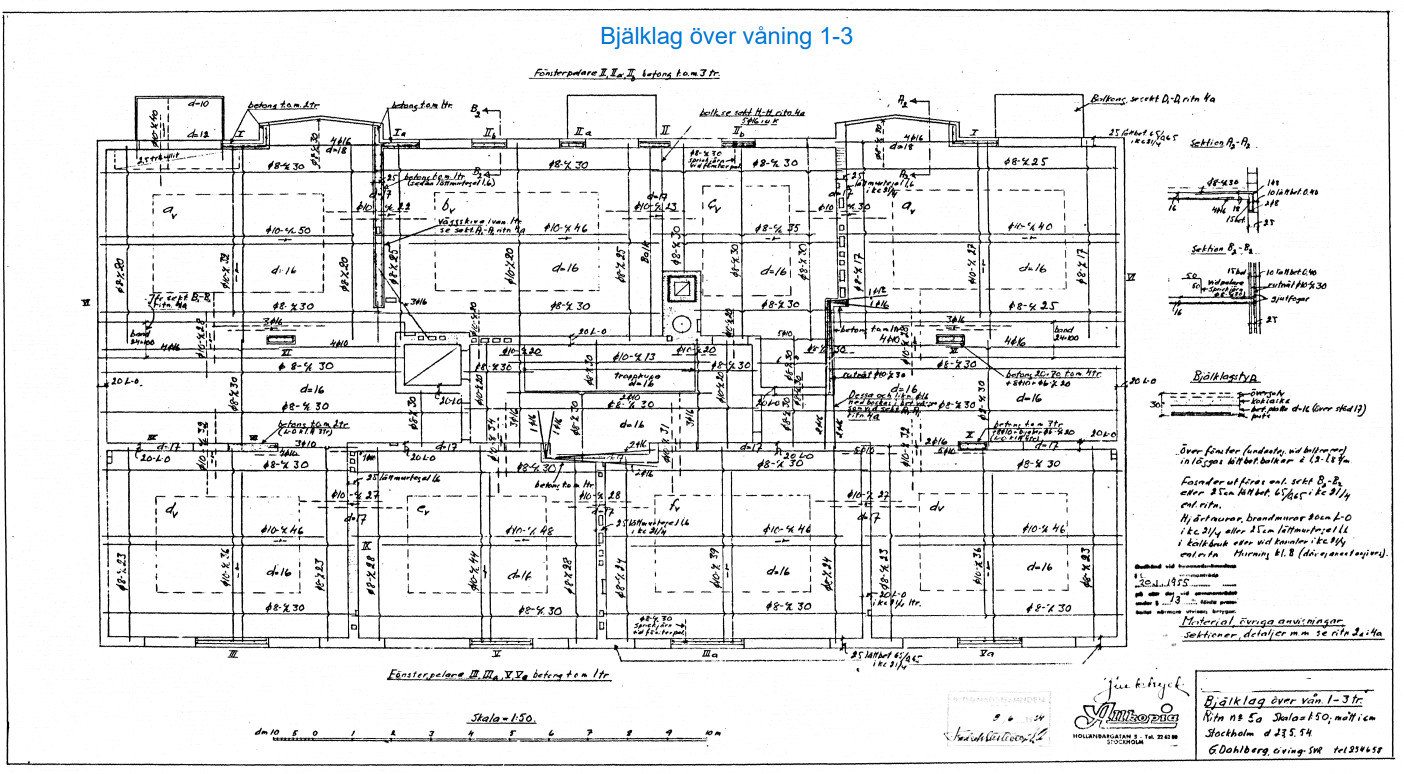
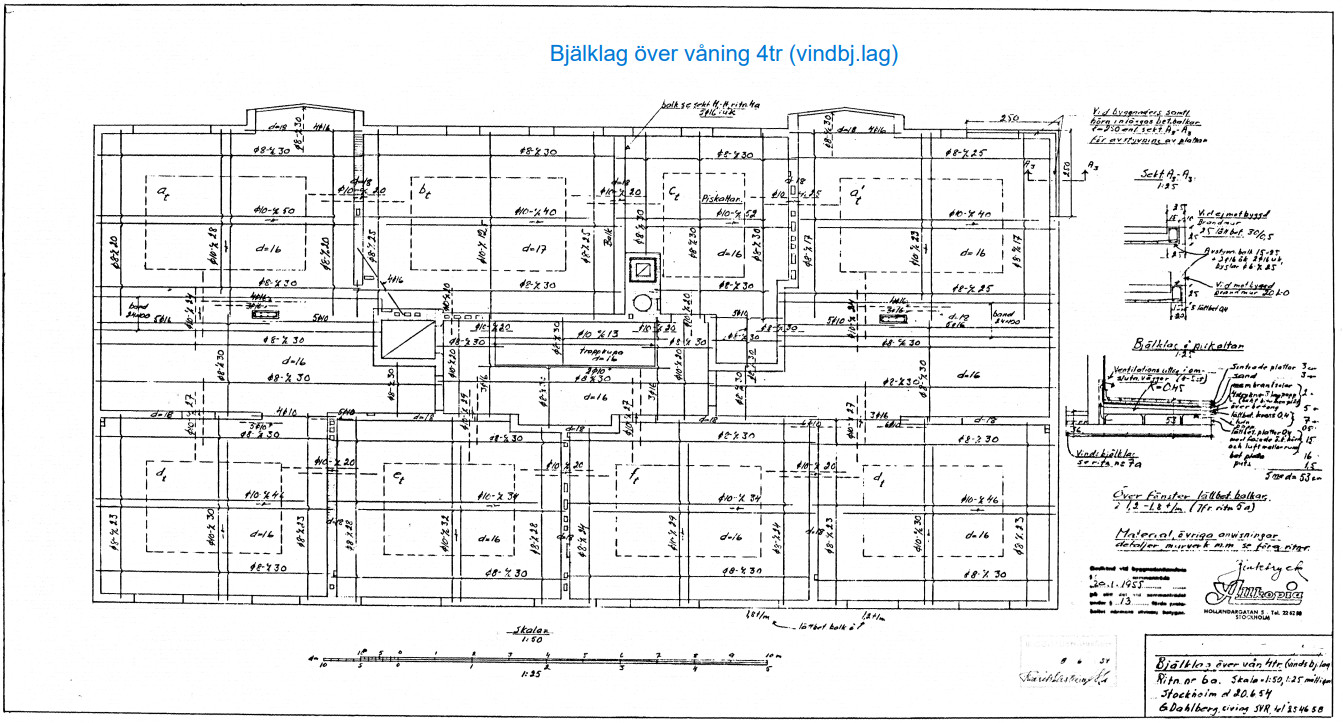
The first image (1. Floor plan) shows the wall that is to be torn down around the door frame, i.e., the highlighted area in yellow. The apartment is on the 3rd floor, picture: 6. shows the floor structure over floors 1-3.
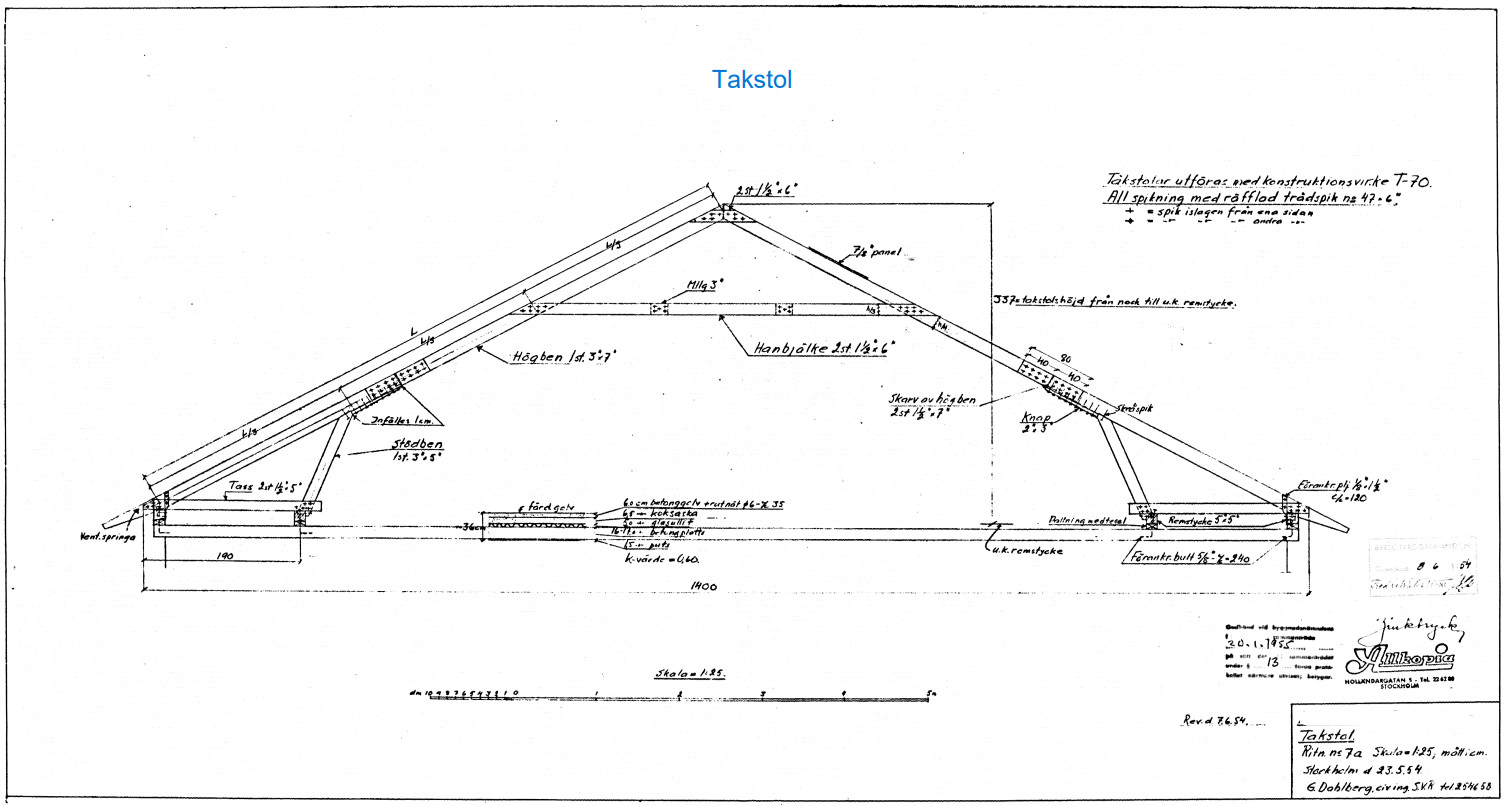
Is it possible to say from these drawings whether the wall is load-bearing or not? To clarify, I will not start the demolition without written approval from the board.
Thanks in advance!
I have plans to tear down a wall between the kitchen and living room (open up around the door frame) in my apartment (built in 1957).
I am personally completely sure that the wall is not load-bearing and dare to say that I will eat my hat if it is, but of course, the association wants an expert to express an opinion before they give approval, which is fully understandable.
Apartment building from 1957
Floors: Basement, Ground floor, 1st floor, 2nd floor, 3rd floor, 4th floor, attic
The wall that is desired to be torn down is approximately 100 mm thick and consists of approximately 20 mm plaster on each side (total of 40 mm), and the core is larger blocks about 50-70 mm thick, about 250 mm high, and 500 mm long. The blocks seem (as far as I can Google) to consist of some kind of blåbetong (see picture 9. Material) and are very porous, i.e., you can make holes in the blocks with a regular screwdriver. Without the plaster, I would say that I could kick down these blocks.
The wall does not seem to be listed on the construction drawings available at the municipality, and the neighbor below has torn down the same wall as I have found in real estate agent images.
I have a former civil engineer at work who urgently looked at the drawings and said it is not load-bearing, but without further explanation.
The first image (1. Floor plan) shows the wall that is to be torn down around the door frame, i.e., the highlighted area in yellow. The apartment is on the 3rd floor, picture: 6. shows the floor structure over floors 1-3.
Is it possible to say from these drawings whether the wall is load-bearing or not? To clarify, I will not start the demolition without written approval from the board.
Thanks in advance!


Mats-S
Construction veteran
· Sollentuna
· 3 728 posts
Mats-S
Construction veteran
- Sollentuna
- 3,728 posts
First, have you really marked the correct wall, what you've marked is labeled "enkelrum" ... but maybe that's part of your apartment now?V Vickevoff said:
But I agree with you, the wall is not load-bearing.
I base this on the fact that it is made of 10 cm thick blåbetong. Such thin blåbetong does not bear weight; it should be at least double the thickness.
You say the neighbor has torn down the same wall, based on real estate photos. Pay him a visit and see what he checked before he tore it down.
The right wall should be marked, i.e. the yellow-marked wall leading into the kitchen from the "single room" (it is a small apartment, 1 room and kitchen).First, have you really marked the correct wall, the one you marked is labeled "single room" ... but maybe it's part of your apartment now?
But I think like you, the wall is not load-bearing.
I base this on the fact that it's made of 10cm thick blåbetong. Such thin blåbetong does not bear, it should be at least double the thickness for that.
You say the neighbor demolished the same wall, based on real estate photos. Pay him a visit to see what he checked before he tore it down.
The concrete is also only (about) 50-70mm thick as the remaining 40mm consists of plaster (20mm on each side).
The neighbor who demolished the wall moved away a few years ago.
Thanks for your response!
Mats-S
Construction veteran
· Sollentuna
· 3 728 posts
Mats-S
Construction veteran
- Sollentuna
- 3,728 posts
Then I can eat my hat too if that wall is load-bearingV Vickevoff said:

But even if the wall isn't load-bearing, there can sometimes be minimal/slight settlements when you demolish it. Carefully measure the floor-to-ceiling distance before you demolish, so you can keep track of what has happened once it's torn down.
Check with the association, because the neighbor must have talked to them before tearing down the wall, so they should have some documented facts
Member
· Etelä Pohjanmaa
· 2 465 posts
That is a partition wall, it has no load-bearing function. In the 1950s, food was to be prepared separately, it wasn't something you wanted to show off if you had guests.
Just knock it down.
Just knock it down.
Click here to reply