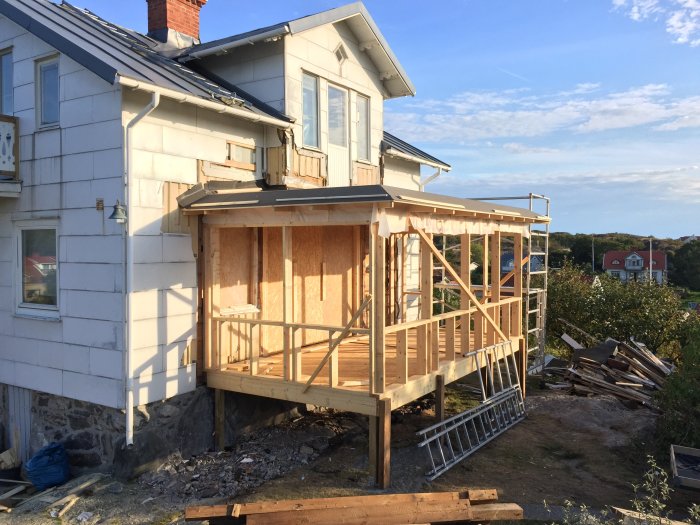
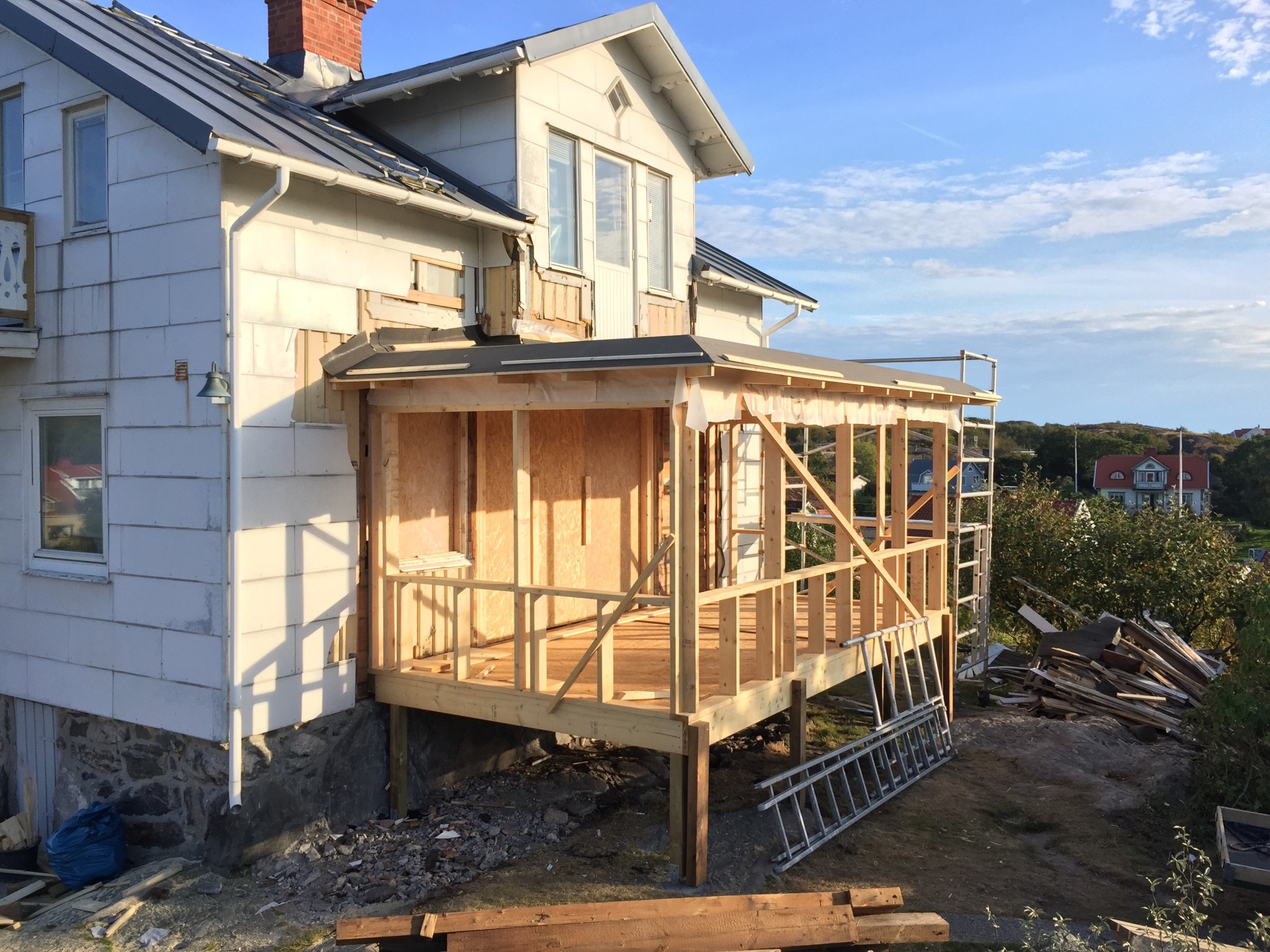
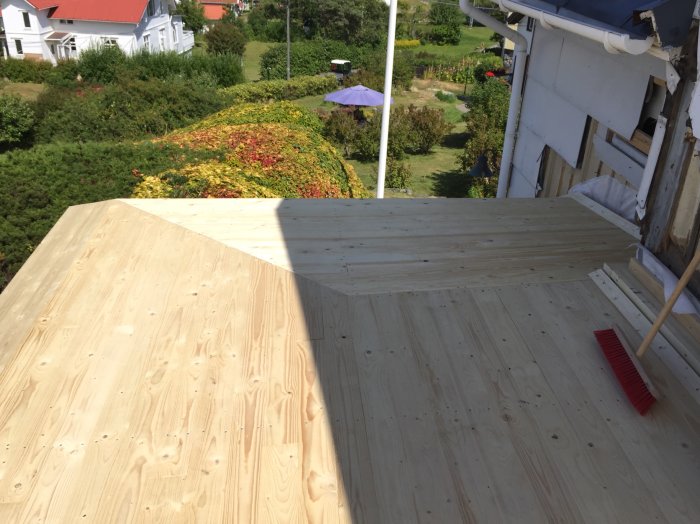
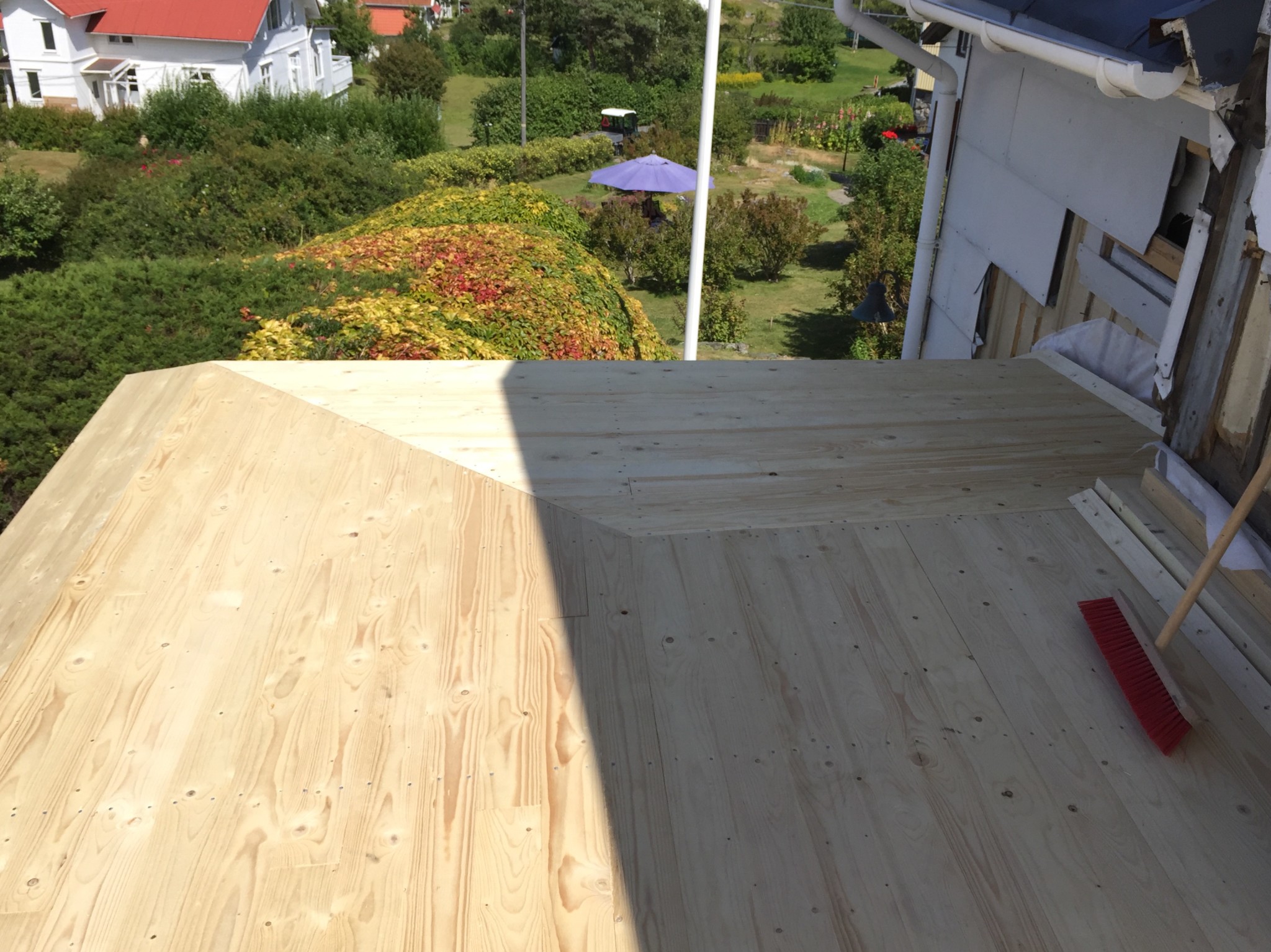
I completely agree that he meant the more robust underlay paper, but what I'm worried about is that it might not last for 3 months or however long it takes before the roofer can lay the metal => "apply paper that can withstand being exposed"
And my "low slope".
I agree with Bernieberg. SEP is an unsuitable cardboard type. I don't think any roofer would want to lay anything on top of it. Your model is a seamed sheet metal roof in aluzink. It cannot be laid without an eaves sheet that is nailed to the raw boards under the cardboard. Therefore, do not fasten the cardboard permanently at the bottom edge. Keep it in place with the help of a wooden batten.
The flashing serves both the function of folding around and thereby securing the roofing, and if you choose the flashing I showed, creating a flange down into the gutter. You likely need the first function, so you probably shouldn't completely forgo flashing (if I understood your plans correctly).
With the low roof pitch, the installation instructions likely state that the underlay should be nailed in a concealed manner so that the lower part of each sheet is only held in place by the adhesive. As mentioned, it might come loose if it gets windy. Perhaps you can nail through both sheets in the overlap and apply asphalt adhesive on the nails, but check the instructions if that's okay.
NOTE!!! Remember to also place felt under the flashing. The flashing must not lie directly against the roof sheathing. Otherwise, the roof sheathing will deteriorate from condensation. There's a website that shows this.
So double layers of felt at the bottom of the roof so that the tinsmith places the flashing between these.
And no sanded felt. Otherwise, it will rub under the metal when the metal moves.
I had also read about sand before getting a similar roof installation done. According to the metalworker, it only matters on steep roofs because sand can get stuck on the sole of the shoe and cause ugly scratches when walking on the metal. On low-slope roofs, you don't slide when standing on the metal, so it doesn't matter. According to him, wear due to movements in the metal would be completely negligible. Without having experience with metal roofs but having some experience with wear in engineering contexts, I think this sounds very reasonable.