
6,838 views ·
23 replies
7k views
23 replies
Remove post under glulam beam (load-bearing)
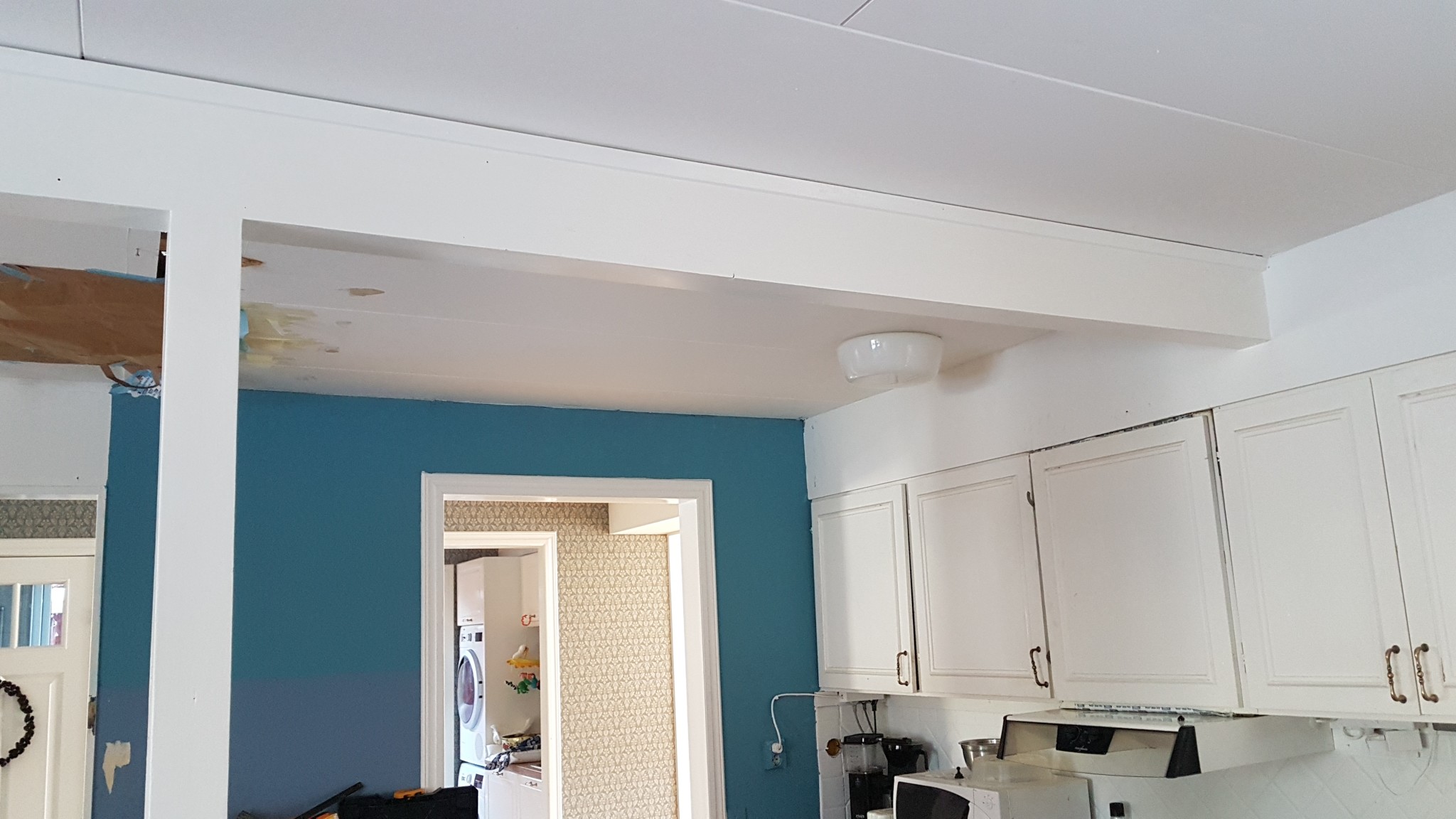
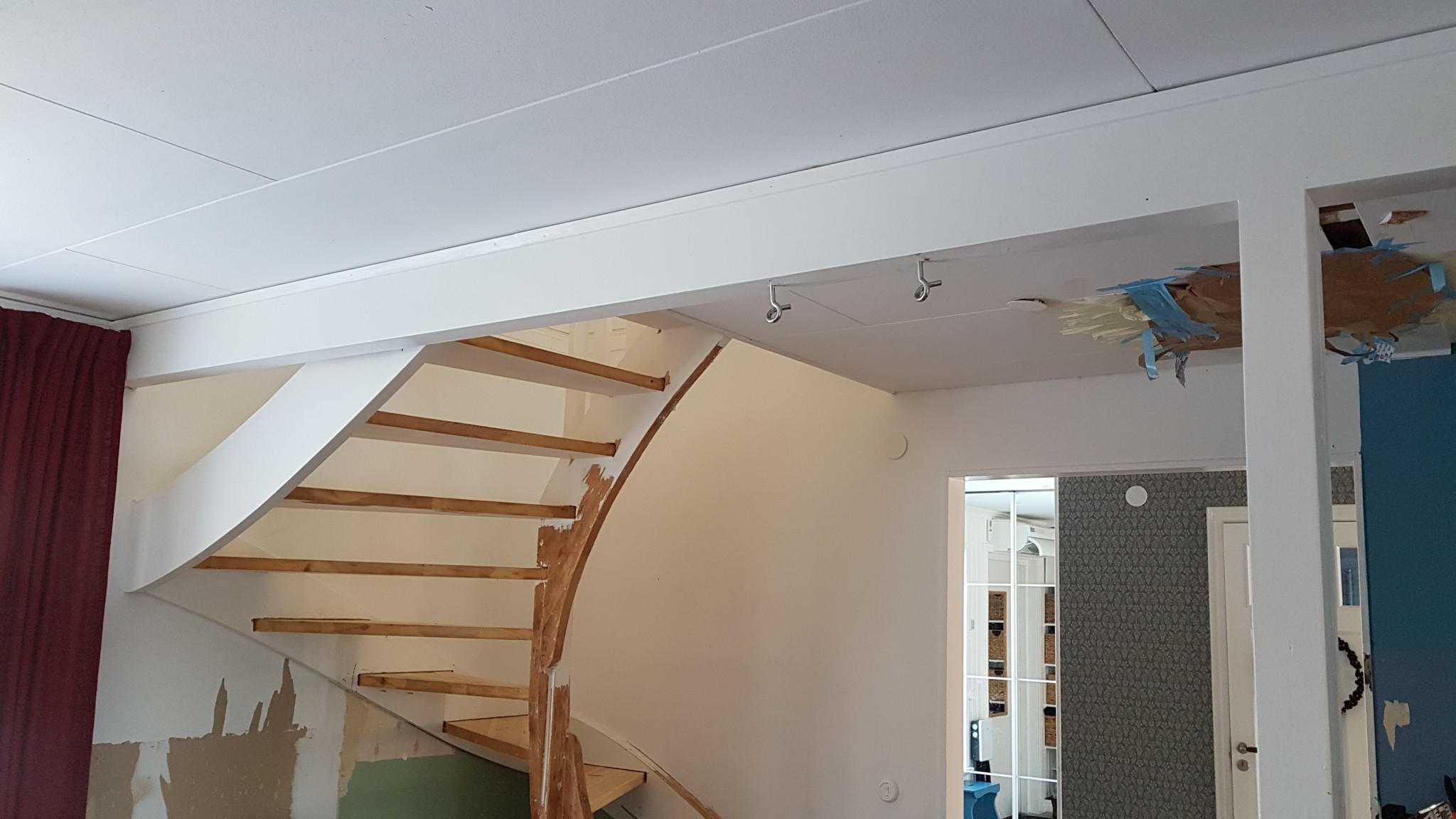
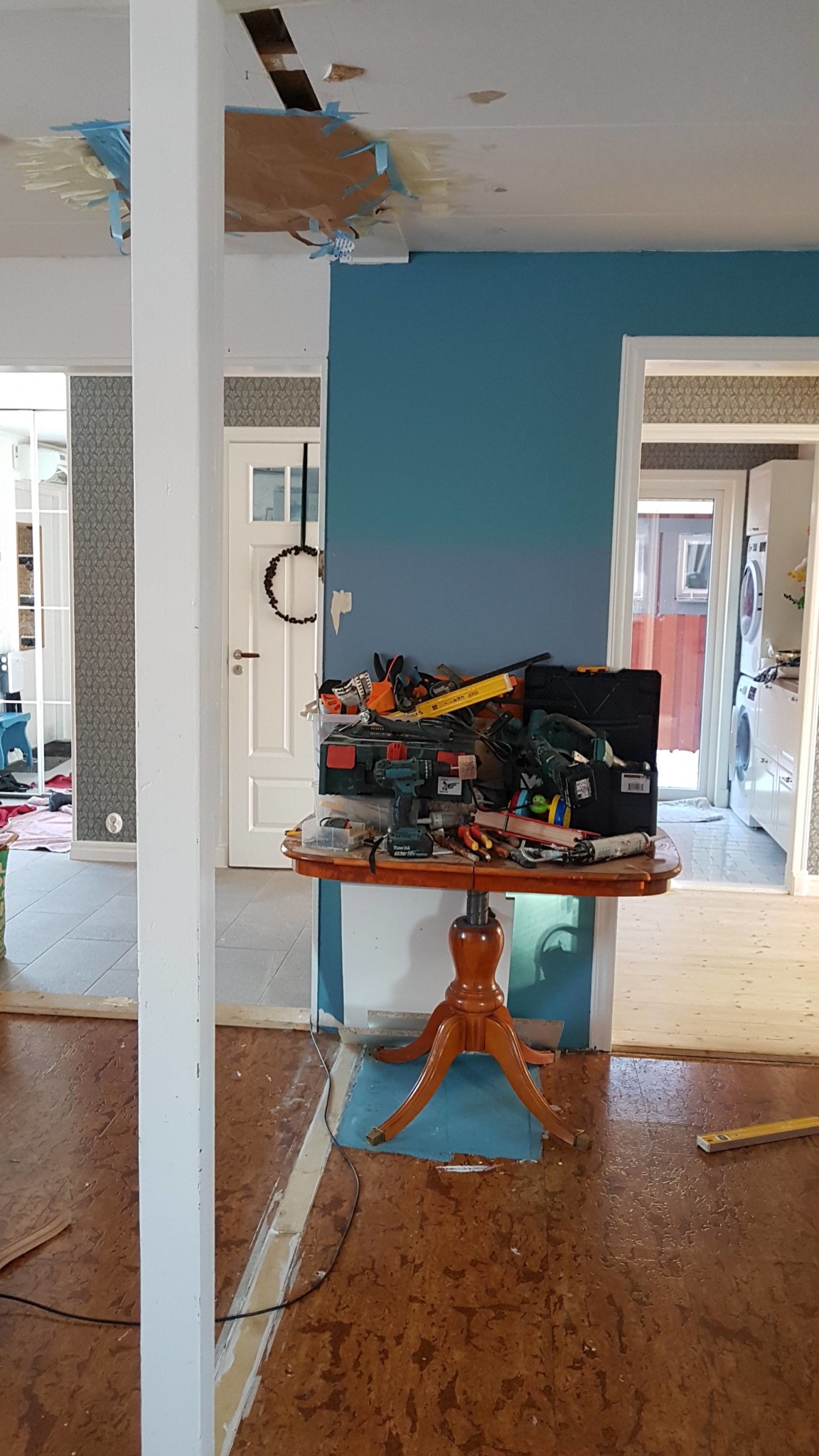
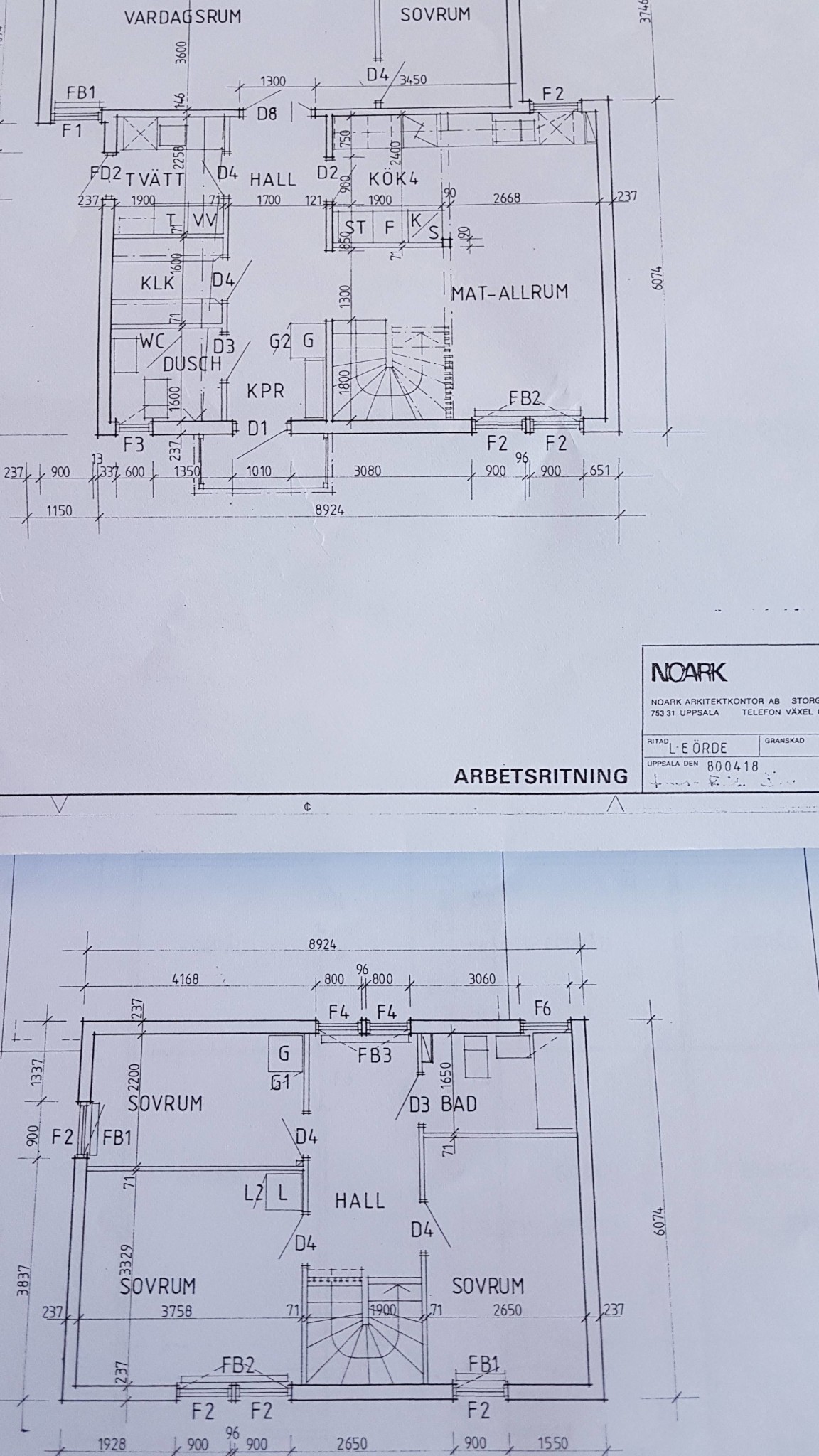
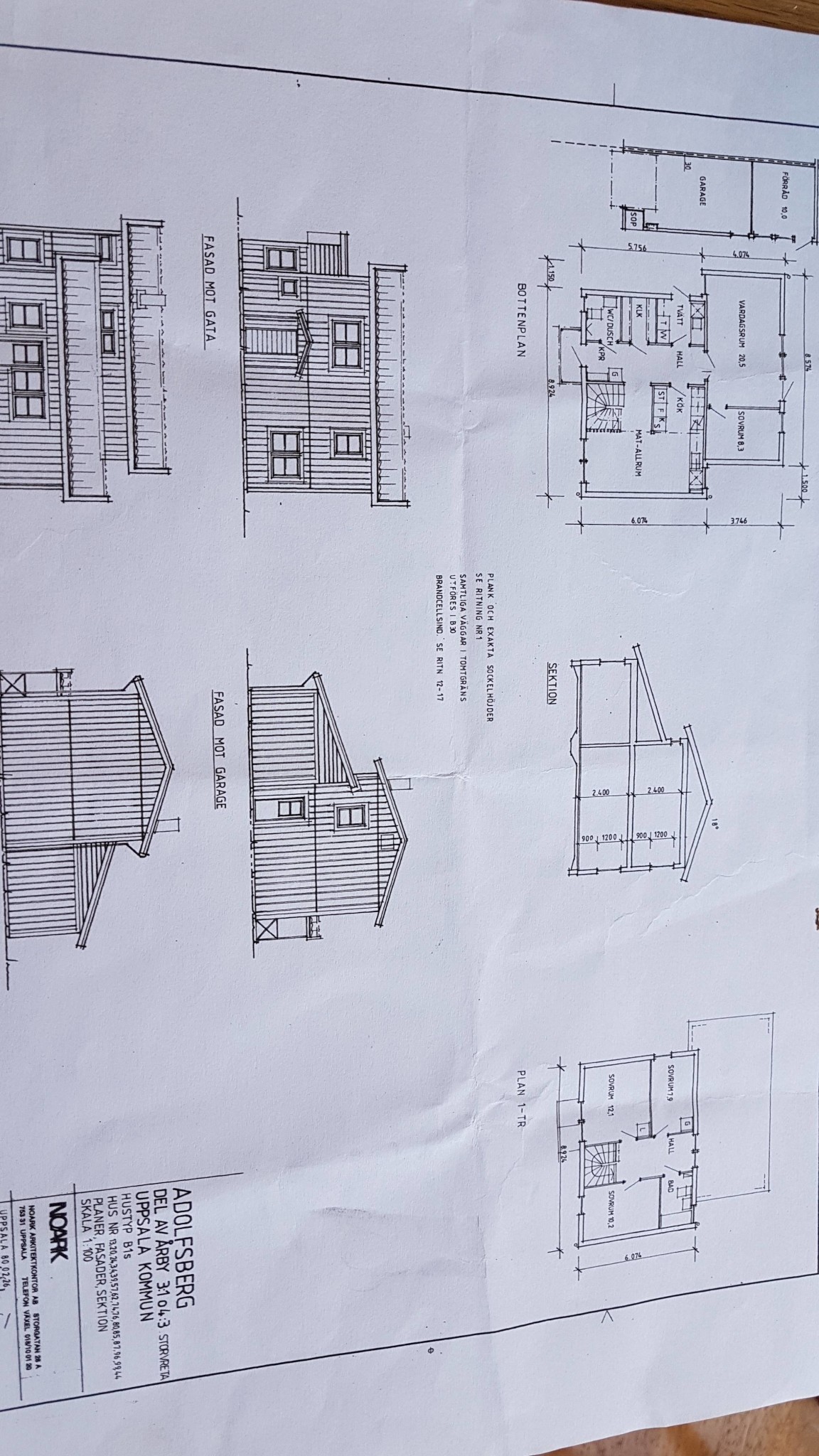

Generally, you can't remove a post that is supporting a beam without consequences. In that case, you must replace the beam with another, significantly stronger one. In this case, I don't understand the construction because the published drawings are not sufficient. The glulam beam is parallel to the roof trusses, which is unusual. This may indicate that the joists in the floor structure run in the lengthwise direction of the house. To confirm this, a detailed sectional drawing is required, or you must check the direction of the joists yourself. If there isn't a wooden floor on the upper level, you may need to use a stud finder. The question of the framing system design must be clarified before discussing beam dimensions.
Hello. We have all the drawings from when the area was built in 1981. It's hard to find exactly the right paper since there are about 100 of them.J justusandersson said:Generally, one cannot remove a post that is directly under a beam without consequences. In such a case, the beam must be replaced with another, significantly stronger one. In this case, I don't understand the construction as the published drawings are insufficient. The glulam beam is parallel to the rafters, which is unusual. This may indicate that the joists in the intermediate floor are in the longitudinal direction of the house. To ascertain if this is the case, a detailed sectional drawing is required or you need to check the direction of the joists yourself. If there isn't a wood floor on the upper floor, you may need to use a stud finder. The issue of the structural system design must be clarified before one can start discussing beam dimensions.
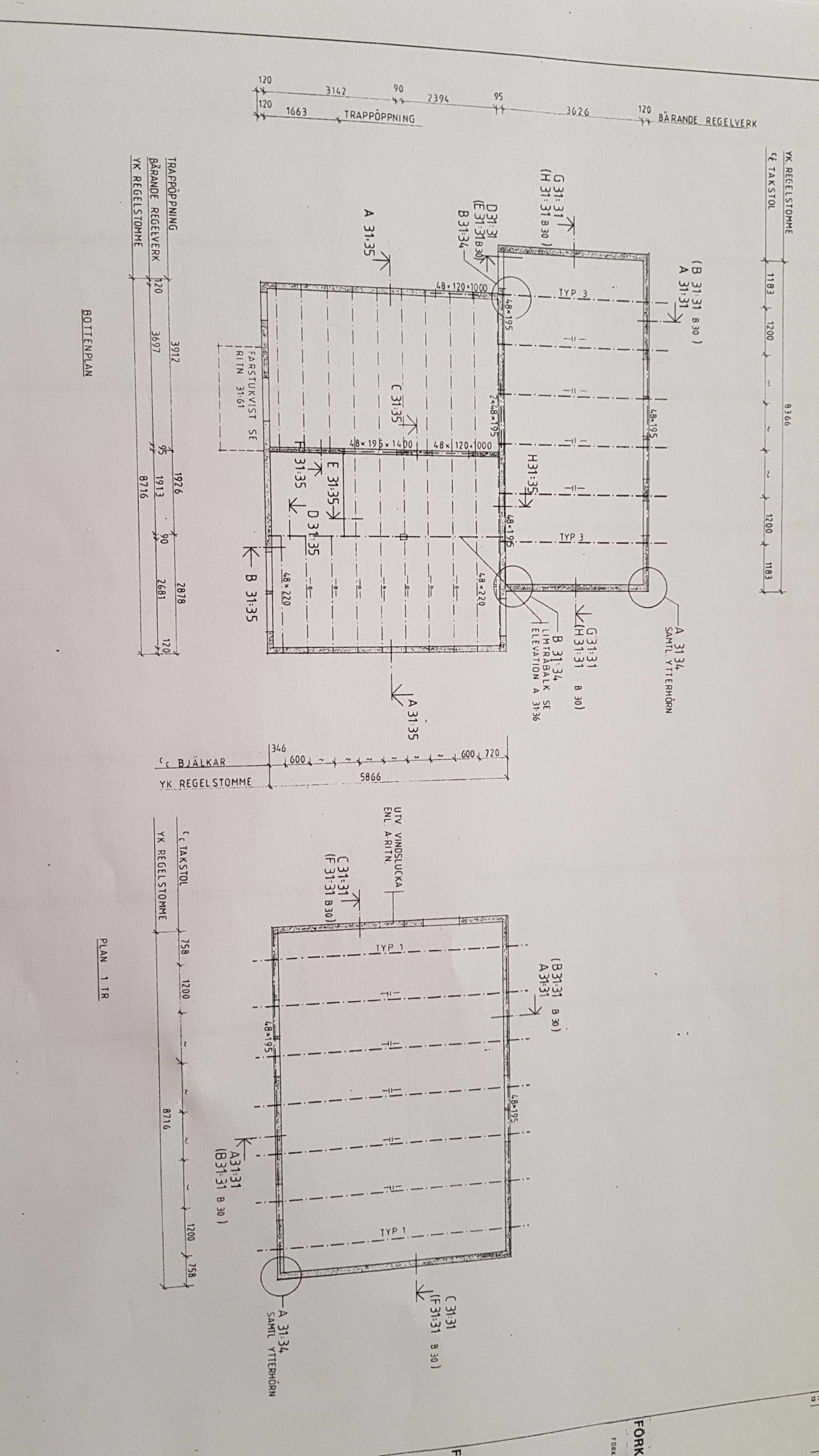
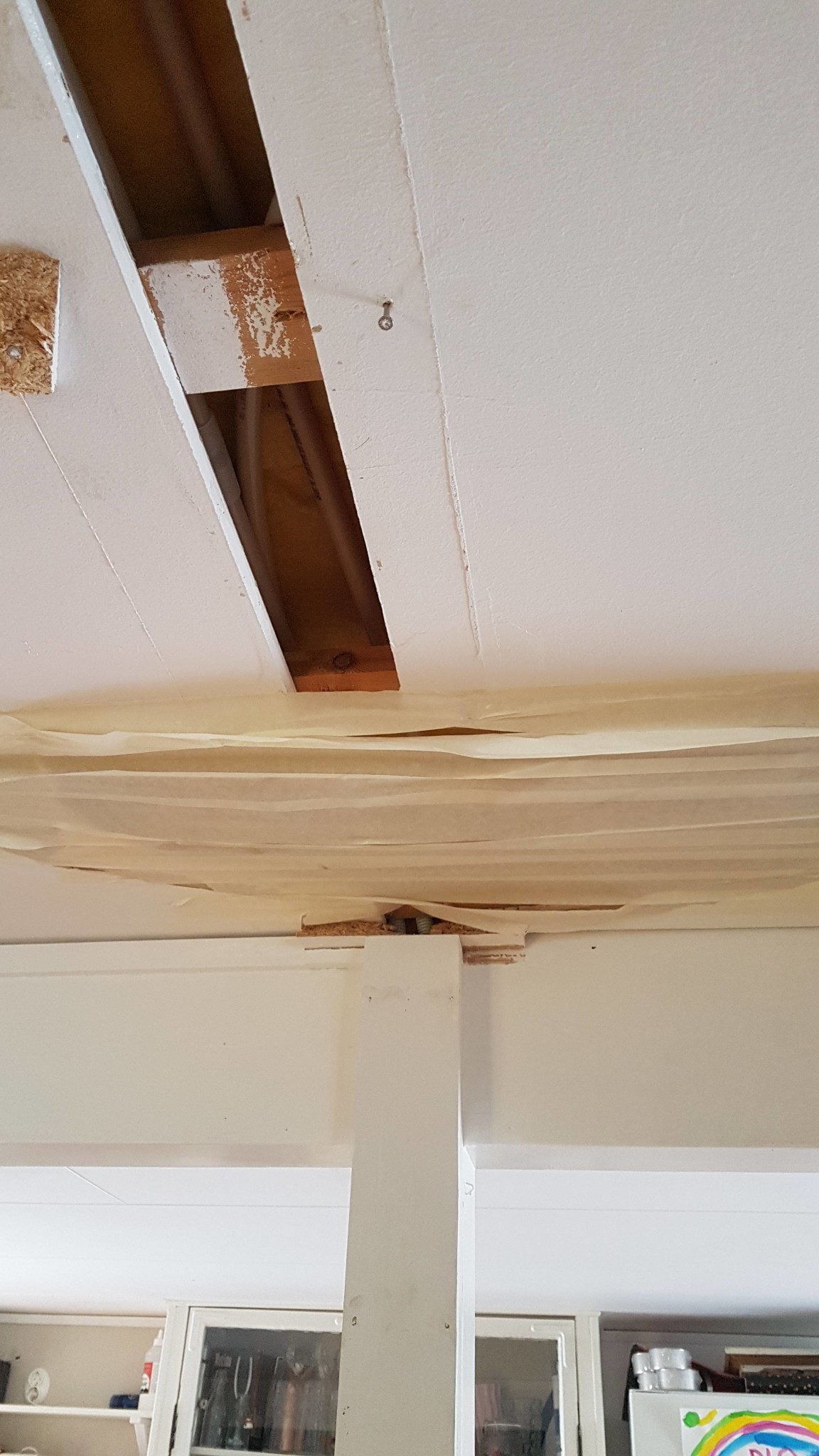
The drawings were enough to determine that the beam is load-bearing. If it is 90x225 mm today (my guess), it would need to be 90x450 mm without a mid-post. 165x360 is an alternative to 90x450. You don't gain much in height with a steel beam when it is built-in, while it is a more complicated solution in several ways.
Thanks for the reply. The beam is 90x225 as you wrote.J justusandersson said:The drawings were enough to determine that the beam is load-bearing. If it is 90x225 mm today (my guess), it would need to be 90x450 mm without a middle post. 165x360 is an alternative to 90x450. You don't save much in height with a steel beam when it's enclosed, while it's a more complicated solution in several ways.
Do you know if it is possible to move the glulam beam higher up in the ceiling/floor to avoid getting such a low ceiling height right at the beam if it needs to be 450 mm? If possible, does it affect anything?J justusandersson said:The drawings were enough to confirm that the beam is load-bearing. If it is 90x225 mm today (my guess), it would need to be 90x450 mm without a middle support. 165x360 is an alternative to 90x450. You don't gain much in height with a steel beam when it is built-in, and it is also a more complicated solution in several ways.
It is not so suitable considering the floor joists. Instead, use a 165x360 beam.
If you take a steel beam, what dimension can you have for it then? My partner thinks it will be too low with a beam that is 350J justusandersson said:
Is it not possible to reinforce with long flat iron on either side of the existing beam to save height and avoid replacing it? Or have two identical beams next to each other, i.e. complement with an identical one?
Are there any advantages or disadvantages with any of my suggestions?
If you want a steel beam, an HEA 200 should be sufficient; it is 190 mm high. It should then be enclosed with double gypsum (preferably) to make it appear larger in reality. There are some drawbacks when combining steel and wood in retrospect. If you want a steel beam in a wooden joist, it's always best for the steel to be included from the start. Then you can place the wooden joists on the steel beam's flanges. As long as you don't hit your head on a wooden beam, I think it's fine. Personally, I appreciate that the construction is visible. It's difficult to reinforce the existing glulam beam in a reasonable way, either with steel or wood. Then there's the question: Is it worth the cost (i.e., the benefit) to remove the post?
Hi. I'm back again with a thought. We are considering building a pantry under the stairs. Would it work to move the post about 120 cm from the outer wall? Maybe increase its dimension to 110x110 instead of 90x90 as it is today? Can we manage without changing the beam then but still remove the post in the middle of the room?J justusandersson said:If you want a steel beam, an HEA 200 should be sufficient, it is 190 mm high. Then it should be built in with double gypsum (preferably) so it becomes larger in reality. There are some other disadvantages when combining steel and wood like this afterwards. If you're going to have a steel beam in a wooden joist, it's always best if the steel is there from the start. Then you can lay the wooden joists on the steel beam's flanges. As long as you don't hit your head on a wooden beam, I think it's OK. Personally, I appreciate that the structure is visible. It's difficult to reinforce the existing glulam beam in a reasonable way, neither with steel nor wood. Then the question is: Is it worth the price (i.e., the benefit) to remove the post?
No, it doesn't work very well. It quite significantly changes the conditions for the beam's dimensions.

Member
· Västra Götaland
· 724 posts
It feels like a gigantic steel plate on either side of the existing wooden beam would fix this. But maybe I'm thinking wrong? 

Self-builder
· Göteborg
· 134 posts
Consulting a constructor who can simply do the calculations is the wisest thing you can do, if for no other reason than to sleep well after any changes...