4,921 views ·
17 replies
5k views
17 replies
Standing timber in kitchen
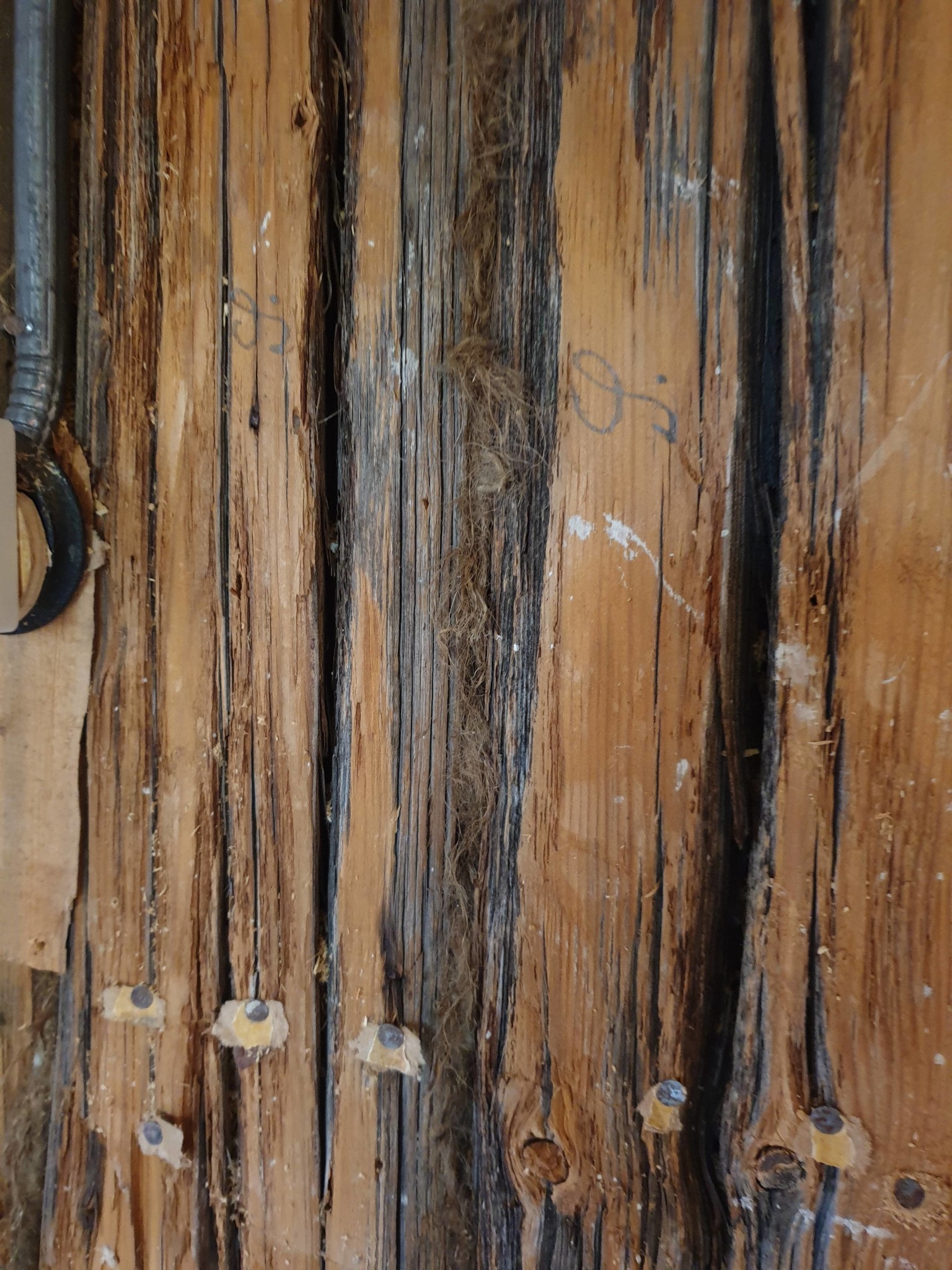
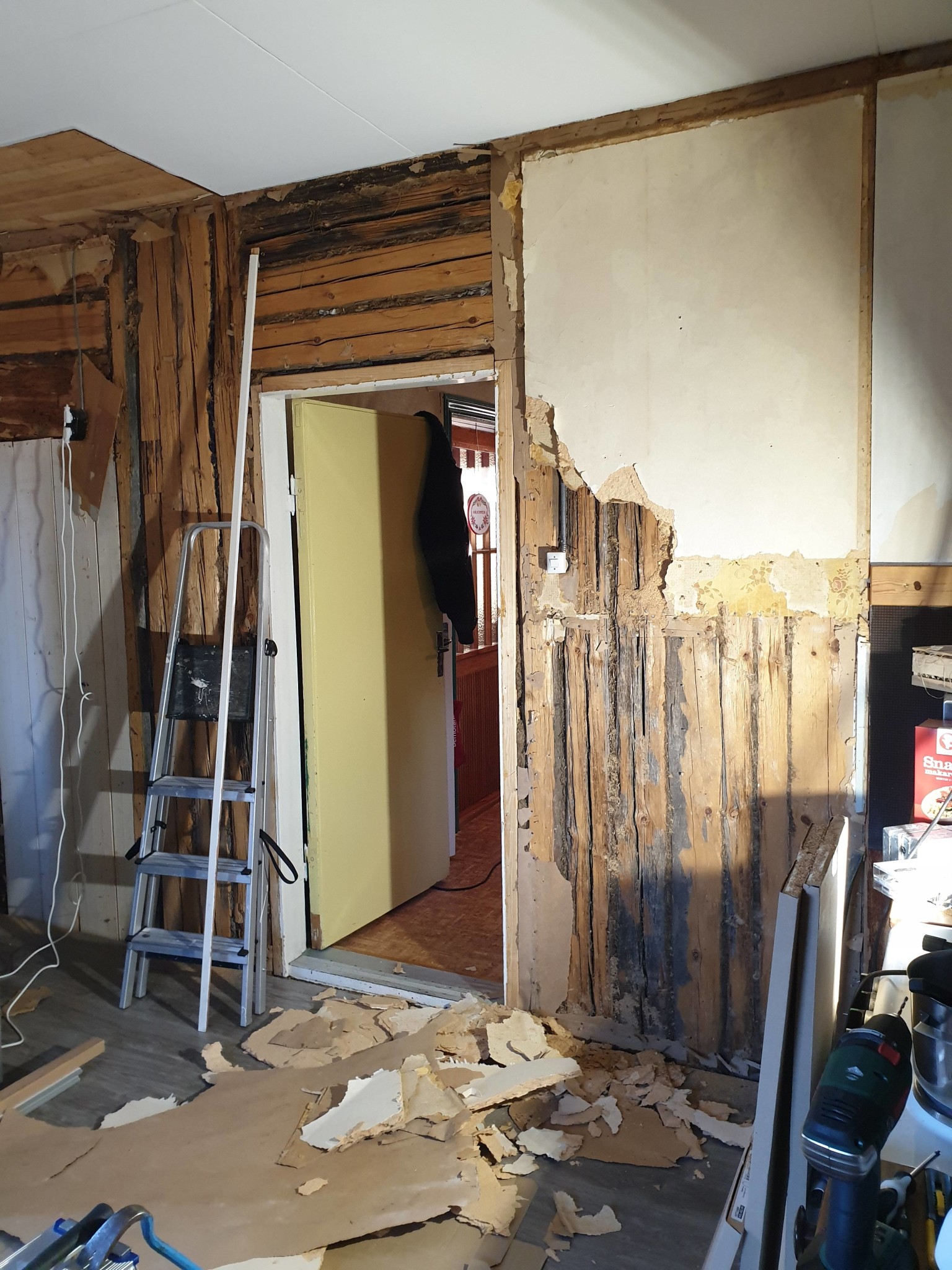
We have just started renovating our kitchen and discovered that the walls are made of standing timber (!). Can anyone explain why standing timber is used? The house was built in 1926.
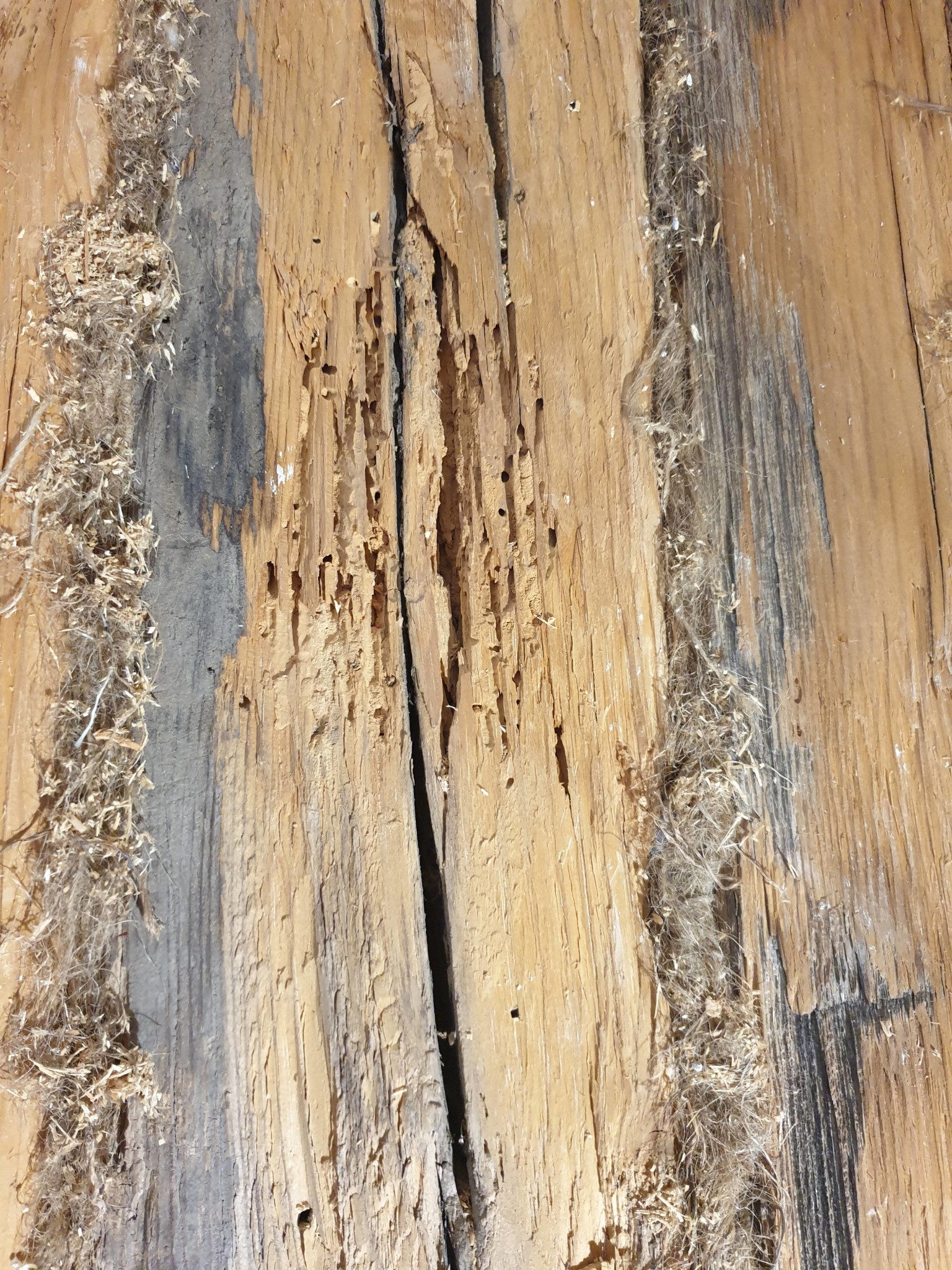
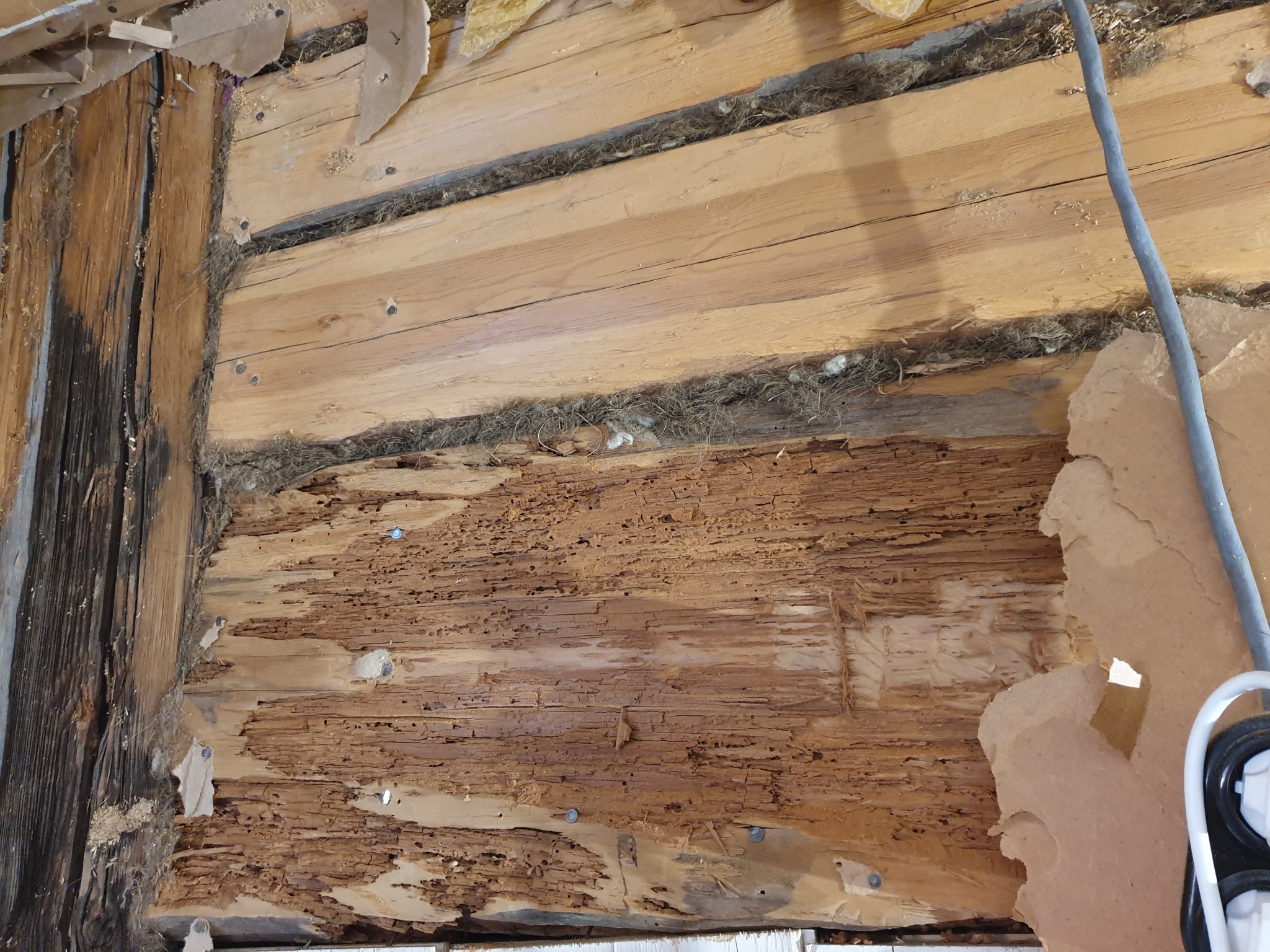
Then some logs are eaten or decayed. Does anyone know what it is?
Do you think it's okay to whitewash the nice parts of the walls?
Thanks, comrades!
Then some logs are eaten or decayed. Does anyone know what it is?
Do you think it's okay to whitewash the nice parts of the walls?
Thanks, comrades!
I don't really know why, but we also have standing timber in our summer cottage where they tore it down and put it up from another older building.
It can surely become nicely rustic to whitewash or perhaps even better to paint white on some visible wall or part of a wall where it fits,
It can surely become nicely rustic to whitewash or perhaps even better to paint white on some visible wall or part of a wall where it fits,

The reason is that one could make narrower yet stable walls between two or more doors and windows. Walls in log buildings should be more than 50 cm to maintain their stability. Whole houses made of restimmer became common in cities at the end of the 1800s because it was quicker to build and allowed for more tall windows closely placed on the facade according to the architectural fashion of the time.
Then I'm with you! Thanks for the answers.
It might look nicer to paint white when it's a bit old and worn like in our case, rather than using a glaze. Maybe sand a little lightly and fill in some spots before painting.
Then it will be OSB + gypsum + wallpaper and tiles on the other walls.
What do you think about the damage, by the way? Has it been wet, or are insects responsible at some point in time?
Best regards,
Micke
It might look nicer to paint white when it's a bit old and worn like in our case, rather than using a glaze. Maybe sand a little lightly and fill in some spots before painting.
Then it will be OSB + gypsum + wallpaper and tiles on the other walls.
What do you think about the damage, by the way? Has it been wet, or are insects responsible at some point in time?
Best regards,
Micke
Looks like insects were at work, once upon a time.M Mikeson said:Then I'm with you! Thanks for the answers.
It might look nicer to paint it white when it's a bit old and worn as it is in our case, rather than glazing. Sand lightly and fill in some spots before painting maybe.
Then it's OSB + gypsum + wallpaper and tiles on the other walls.
What do you think about the damage, by the way? Has it been wet or were insects at work at some point in time?
Regards
Micke
Now it seems dry.
Glazing might look nice, maybe use a dark stain? Looks nice against light floors/ceiling

Good idea. We were thinking of white. But now that you mention it. Our countertop will be dark brown, so it might match nicely. HmmP Pappa1986 said:

How big are the holes?M Mikeson said:Then I'm with you! Thanks for the answers
Maybe it looks nicer to paint white when it's a bit old and worn like it is in our case, rather than staining. Sand lightly and fill in a bit here and there before painting perhaps.
Then it will be OSB + gypsum + wallpaper and tiles on the other walls.
By the way, what do you think about the damage? Has it been wet or have insects been at work at some point in time?
Greetings
Micke
Are the holes a bit elongated and about 5 mm? Then it might be longhorn beetle. If the holes are small, about 2 mm, it could be tenacious wood-boring beetle. The latter is preferable. When it becomes everyday, I think you should bring in a suitable company to check. Longhorn beetle causes damage that can affect structural integrity.
Nothing that can't be fixed though.

The damage in image 2 looks like husbock. The husbock prefers dry environments and sparsely grown spruce. The husbock is mainly found in the Baltic Sea regions. The presence of husbock is primarily an insurance issue, rather than a structural integrity problem.