Hello!
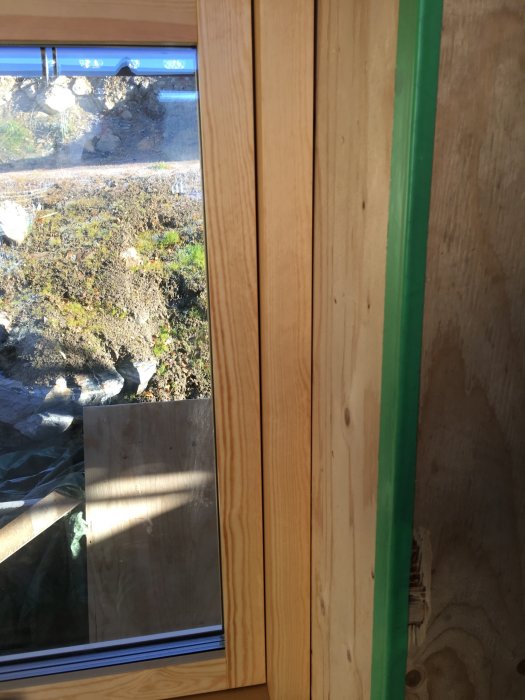
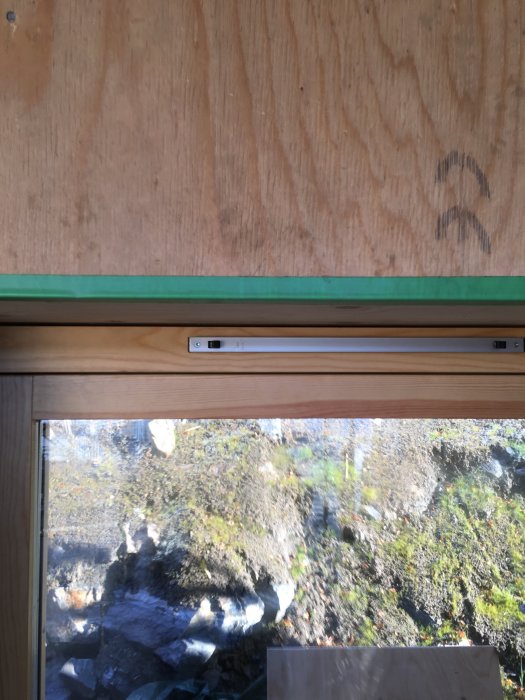
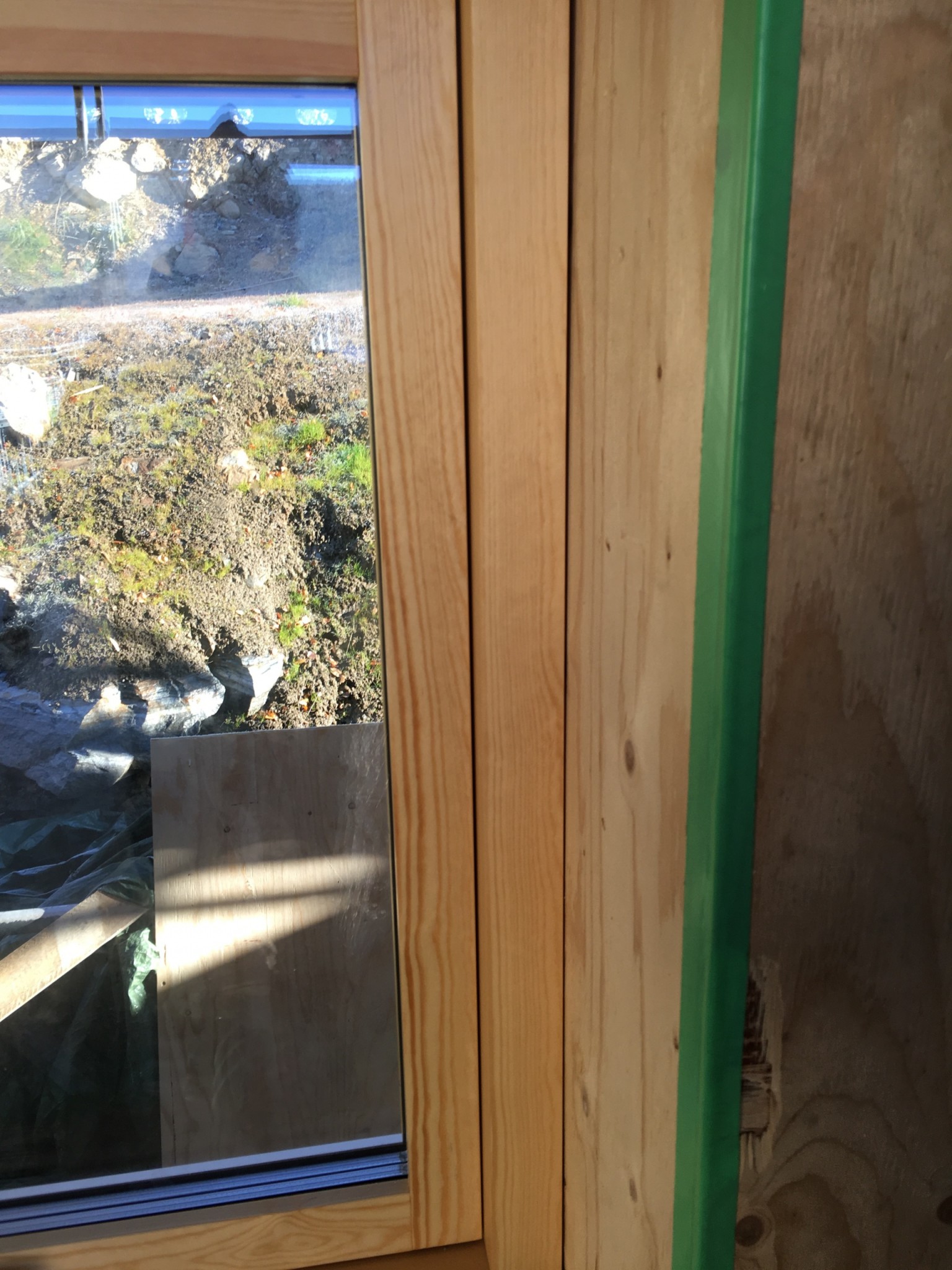
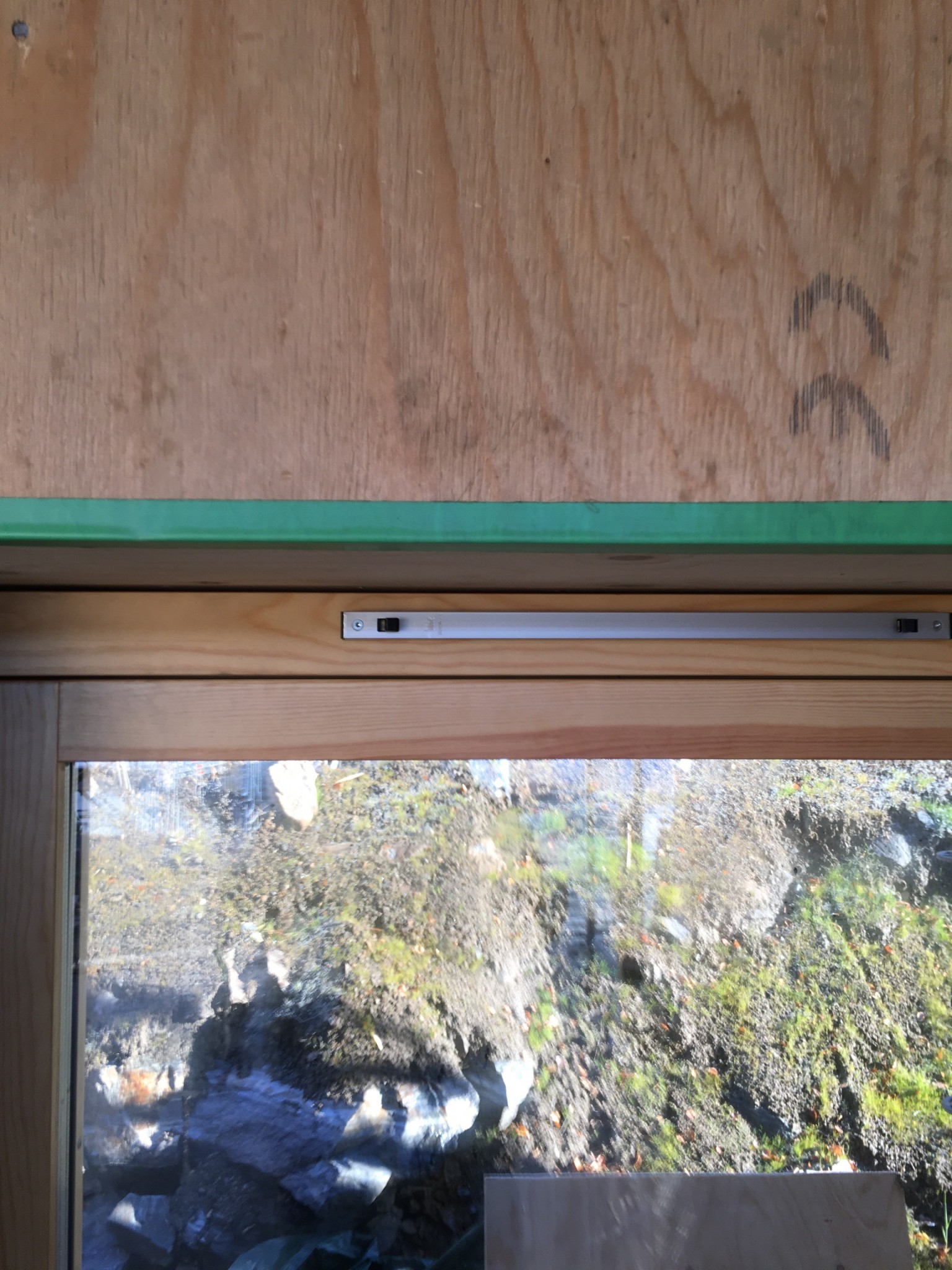
We are having windows and doors installed in our new building these days. After 5 windows have been installed, I've noticed that the gap for insulation is about 5 mm or less to non-existent, and I've pointed this out.
The installer (not a window supplier but the frame supplier) wants to claim that the gap for insulation is the same as the seam allowance for the carpenter and has nothing to do with the functionality of window vs. wall. Insulate where you can insulate and seal or tape where you can't fit any insulation.
The wall is wood and the window is wood. The wall is constructed so that it will essentially not move at all, but the window (solid wood) I would argue will be able/want to move a little.
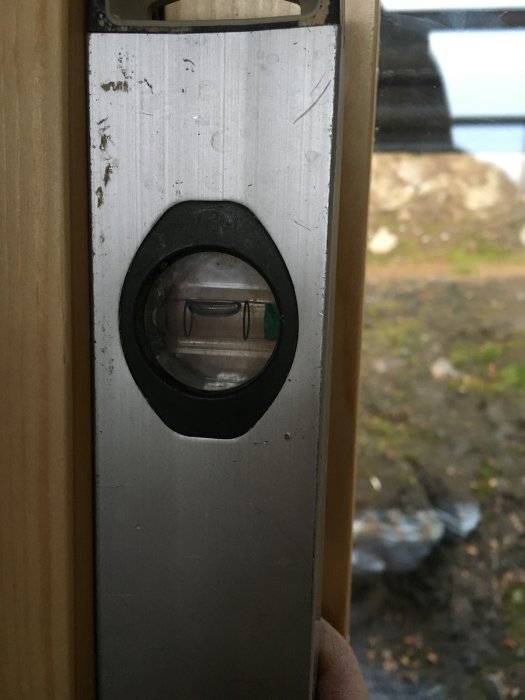
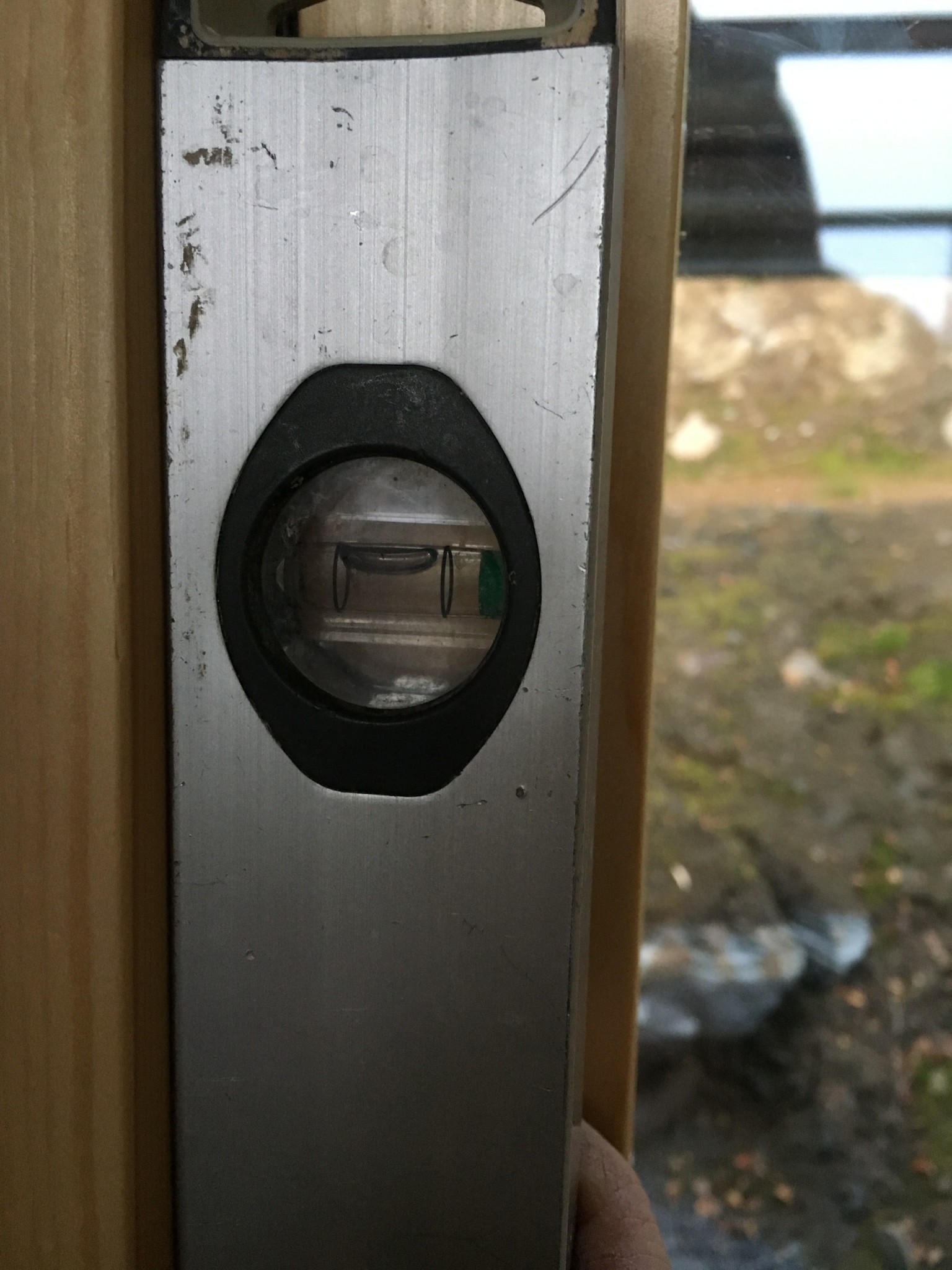
Additionally, the fact that one window is also crooked in the opening where there is 0 gap for insulation = flush against the wall makes the situation a bit humorous...
Grateful for inputs
I don't really know what the question is.
If the question is whether this is a fault that you can demand they fix, then I have no answer.
If the question is how this should be rectified, then I agree with the structural supplier.
Well, firstly, the window needs some movement allowance since wood is a living mtrl. Secondly, there needs to be space to insulate "fluffily" (proper insulation function). Frame directly against the structure creates a thermal bridge. Not good!
Somewhere the measurements don't match. What does the structural drawing say versus the window measurements?
I don't really know what the question is. If the question is whether this is a mistake that you can demand they fix, I have no answer. If the question is how this should be resolved, then I agree with the frame supplier.
Ok, so you wouldn't consider thermal bridges from frame screws and possibly blocks, or that the wood is in fact a living material? I'm thinking that, for example, the frame screw without insulation can easily create condensation as there is no insulating material between the outside and inside.
No, somewhere the measurements went wrong. Probably at the factory where thicker plywood than maybe originally intended was used. All windows and doors measurements are crystal clear in the listing so ...
Normally, the clearance, is about 20mm, i.e., 10mm on each side and top/bottom included in the module dimension. Check with the window manufacturer what their installation instructions say. However, the risk of condensation on the frame screw sounds unlikely.
With, but I think they have gone from 12 to 21mm to have more to screw into, which might explain why it gets tight. That there should be a trimming allowance of about 10-15 mm seems to be something 9 out of 10 agree with when I now check around with various sources. Additionally, the installation instructions from the window manufacturer, which in turn follows TMF's recommendations, state that it should be insulated to avoid thermal bridges.
Ok, so thermal bridges from frame screws and possible blocks you wouldn't take into account, or that wood is in fact a living material? I imagine that, for example, the frame screw without filler easily creates condensation on it since there is no insulating material between outside and inside.
In the picture, I only see one side, but if they've managed to get the window in, there's a gap and therefore some movement allowance that's probably sufficient. Regarding insulation, still air is better than a sealing strip, which you get if you tape/seal inside and outside. The thermal bridge is not more than before. As I wrote earlier, my response is how I would choose to address it with the given situation you've mentioned, not how I would design it with a blank slate or whether it is correctly executed.
In the picture, I only see one side, but if they got the window in, there is a gap and thus a certain amount of movement which is probably sufficient. Regarding insulation, still air is better than packing strips, which you get if you tape/seal inside and outside. There won't be more of a thermal bridge than before. As I wrote earlier, my answer is how I would choose to address it with the given situation you've mentioned, not how I would have constructed it with a blank sheet or whether it's been done correctly.
Ok, thanks for the input. My intention is to have them address it as the window supplier recommends an insulation gap and an air gap of about 15mm in the joint outside the insulation for drainage, and that it creates problems for the window lining in relation to air vents at the top of the frame. Ok, partly out of principle also because I believe right should be right. If you started with a blank sheet, I guess there would have been an insulation gap. Thank you.
The whole thing must be simple to determine whose fault it is.
Openings in the façade for windows and doors usually follow module dimensions, e.g., 14x13.
The window is then 15-20mm smaller on all sides, i.e., about 1360x1260mm.
If the space between the window and the frame is nonexistent, it should be easy to determine what is wrong.
Vi vill skicka notiser för ämnen du bevakar och händelser som berör dig.