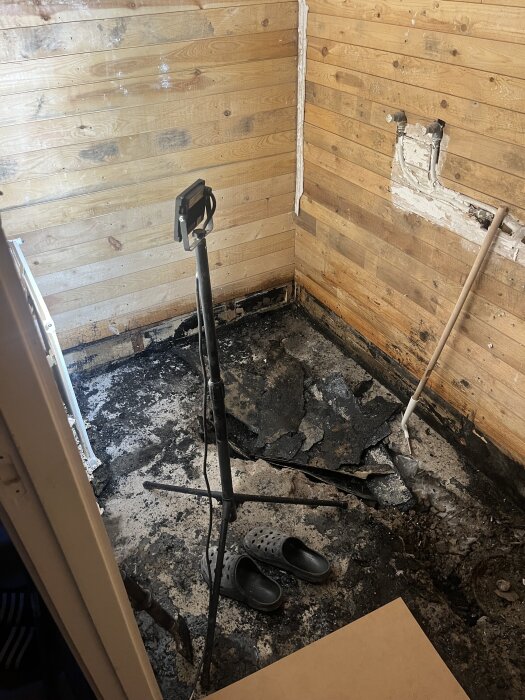
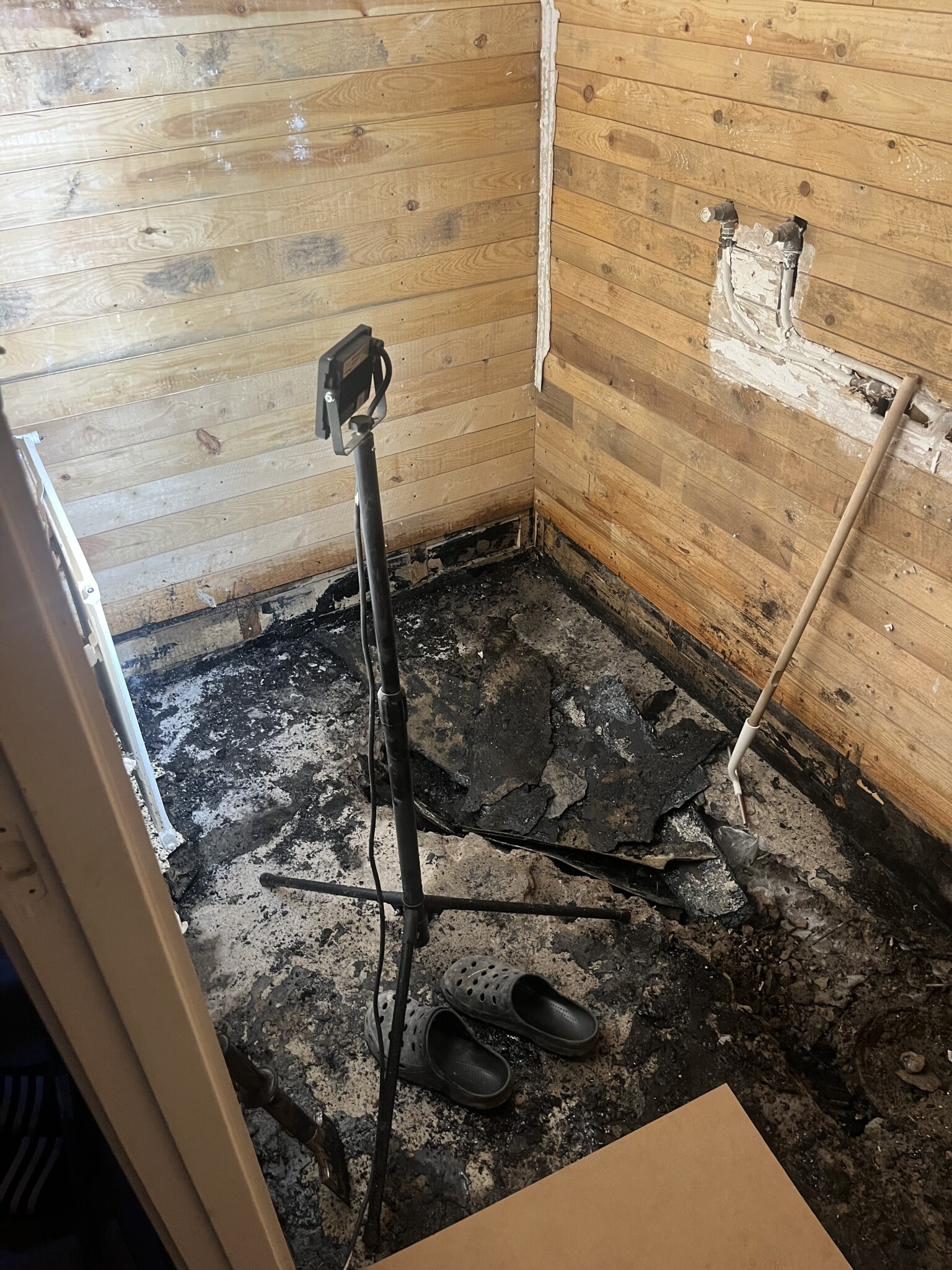
I am renovating the bathroom and the contractors are coming here in a week or so to replace the drain and seal it as well as self-level the floor. I am going to drywall the walls and wonder if it is something I can do already, resulting in 2cm to 1dm of the drywall ending up in the self-leveling compound.
Is it something that works or is it a big no-no to do so?
I think it would be easier for me if I can prepare it now and avoid worrying about how to cut the boards at the bottom when the slope on the floor is created later.
The surface layer is vinyl flooring on the floor and walls, so regular drywall will go up to avoid discussions about it
I'm renovating the bathroom and the craftsmen will be here in a week to change the drains and seal them as well as level the floor with self-leveling compound. I'm going to drywall the walls and I'm wondering if there's something I can do now so that there will be 2cm up to 1dm of drywall that will end up in the leveling compound.
I don't quite understand that phrasing, but you can drywall before self-leveling. The goal is to avoid gaps between the compound and the drywall, so measure carefully and cut accurately. One cm shorter than the actual measurement is sufficient.
I don't quite understand that phrasing, but you can plaster before leveling. The goal is not to have a gap between the plaster and the sheetrock, so measure carefully and cut correctly. A measurement one cm shorter than the actual is enough.
So the sheetrock can't be leveled into the bottom? Instead, you have to measure the exact height of the final floor and cut the sheets to that height at the bottom, do you mean?
That's kind of what I wanted to avoid and instead just mount the sheets so they go below the level of the leveling compound and the floor and sheetrock are connected then, if you know what I mean.
No, you're thinking right. I just mean that your gips needs to be close enough to the subfloor so that the bottom edge of the gips ends up below the surface of the leveling compound. The gap against the subfloor should be sealed before applying the leveling compound.
No, you're thinking correctly. I just mean that your plasterboard must be placed close enough to the subfloor so that the bottom edge of the plasterboard ends up below the surface of the self-leveling compound. The gap against the subfloor should be sealed before applying the self-leveling compound.
Then I became wiser. And it's no problem since it must be self-leveled between 3-6cm approximately.
It's just a matter of plastering on if all pipe installations and electrical outlets and pipes are done, the floor screeder seals against the wall, just lay yourself a few cm above the concrete floor.
Click here to reply
Vi vill skicka notiser för ämnen du bevakar och händelser som berör dig.


Grillen said:
I'm renovating the bathroom and the craftsmen will be here in a week to change the drains and seal them as well as level the floor with self-leveling compound. I'm going to drywall the walls and I'm wondering if there's something I can do now so that there will be 2cm up to 1dm of drywall that will end up in the leveling compound.