
2,469 views ·
6 replies
2k views
6 replies
Repair corner of wall in the best way?

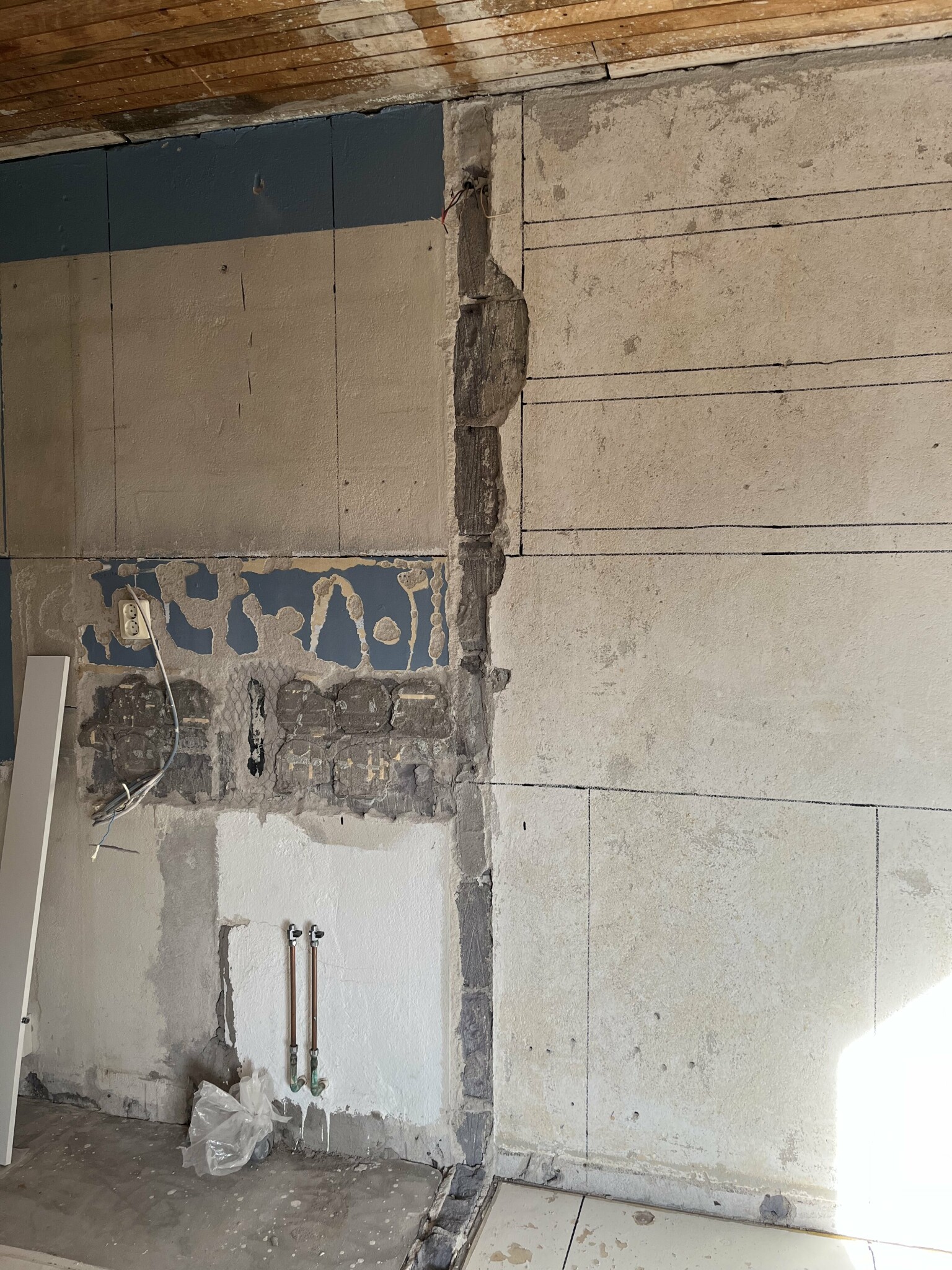
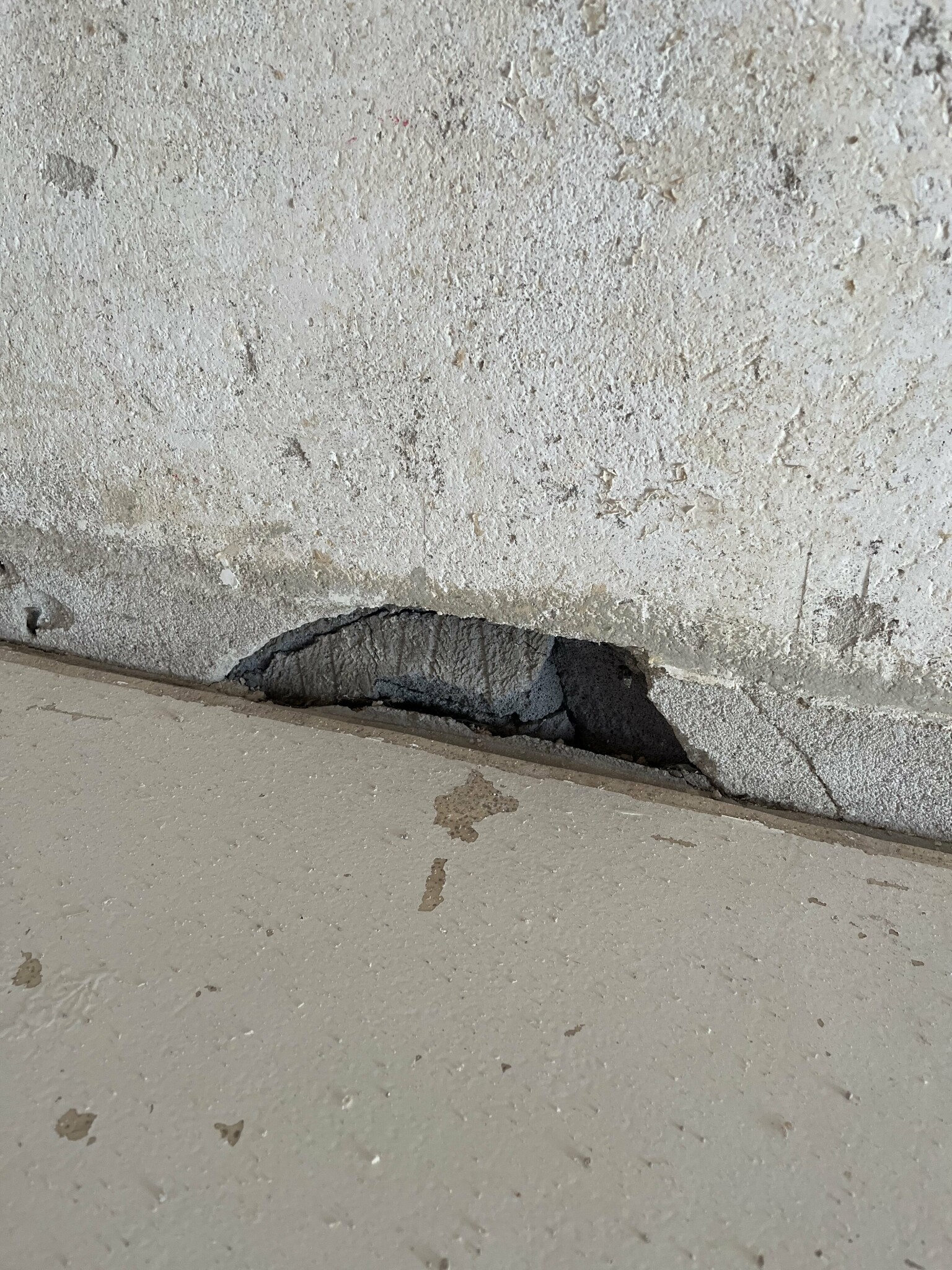




Since you have aerated concrete, you need a low-alkali C-mortar like this one:K Koppen73 said:
https://www.hornbach.se/p/putsbruk-c-finja-lagalkaliskt-25kg/6046269/
I would apply some plaster mesh where more than 20-30mm is missing, which needs to be plastered in a few layers.
Then you can use gypsum plaster for the final finish since C-mortar is coarse. I wouldn't have demolished the walls because it's both expensive to erect new ones and a lot more work😊
Thank you so much for the help!👍👍 I'll try this tomorrow and see how it goes.Rejäl said:Since you have aerated concrete, you need low-alkali C-mortar like this one:
[link]
I would have added some render mesh where it's missing more than 20-30mm, which you need to plaster in a few layers.
Then you can use gypsum plaster for the final fine finish since C-mortar is coarse, I wouldn't have torn down the walls as it's both expensive to build new ones and a lot more work😊
I've repaired many damages etc. in lightweight concrete using regular gypsum mortar. You are probably right, but for me, gypsum mortar has worked well. What makes C-mortar better in this case?Rejäl said:Since you have lightweight concrete, you need low-alkali C-mortar like this one:
[link]
I would have added some plaster mesh where there's more than 20-30mm missing, which needs to be plastered in a few layers..
Then you can use gypsum plaster for the final finish since C-mortar is coarse, I wouldn't have torn down the walls as it's both expensive to erect new ones and a lot more work😊
Plaster mortar works, but it becomes more homogeneous with traditional plaster as he has on the remaining parts of the wall. If it had been shallower and minor damage, I would also have just used plaster mortar😊J Johan456 said:
Low-alkali C-mortar is what you need against lightweight concrete if you choose plaster indoors.
Click here to reply