
11,799 views ·
34 replies
12k views
34 replies
Renovation Basement Lounge from 76
We drained with insulation (pordrän) in 2021. Since then, the cellar environment has been very good, dry and nice.R Rickard.lj said:
I will put foam insulation between all the studs but otherwise nothing more.
The reason I'm doing this is that the floor is too uneven (level differences of 4 cm) to use something like a Platon mat at the bottom as I've seen many others have done. What I'm aiming for is a ventilated floor where nothing organic is in direct contact with concrete or anything else that can conduct moisture.
Edit: The slab is not damp.
Mainly the price. I have no objections to the system otherwise.raveper said:
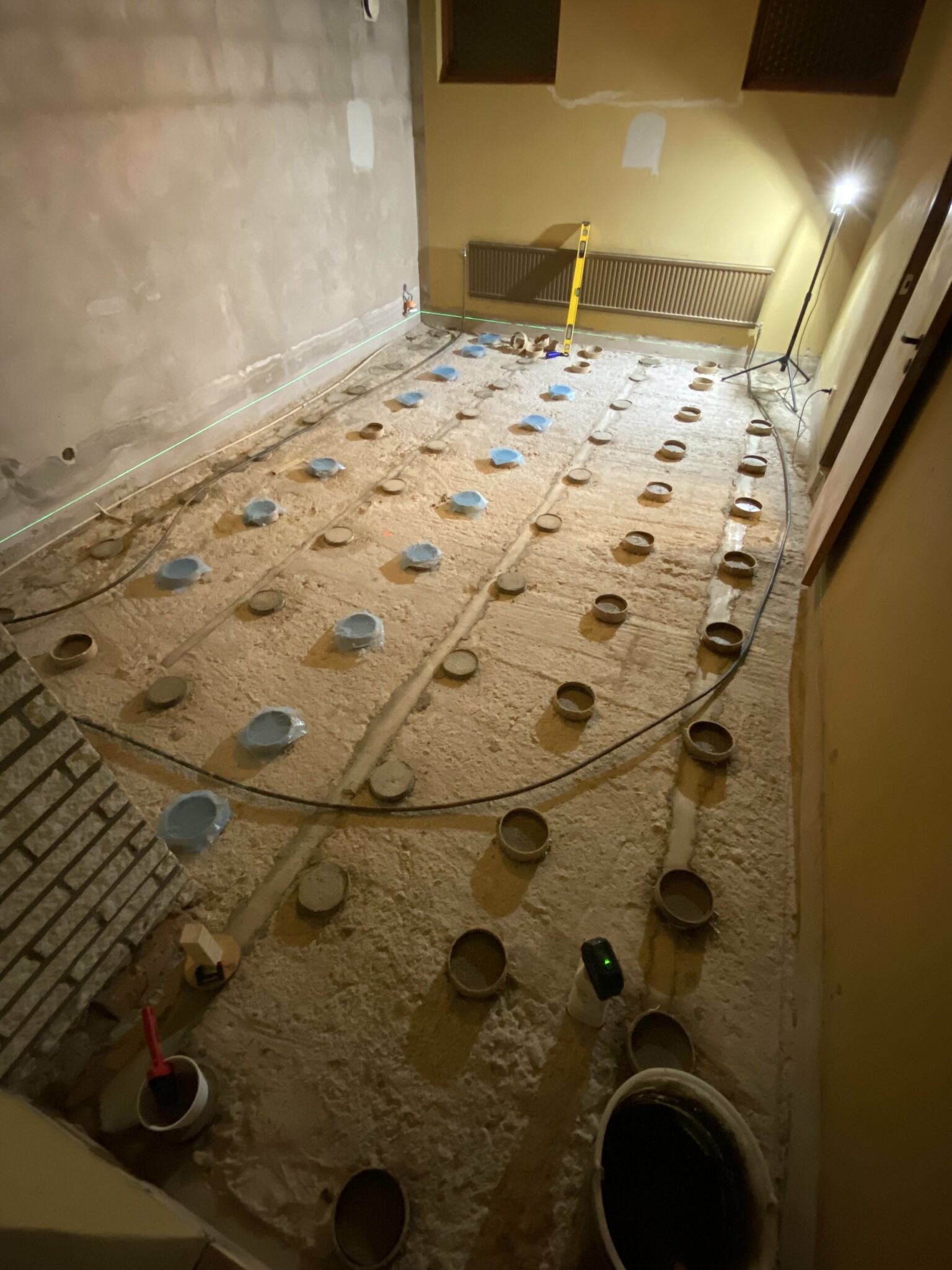
Short update.
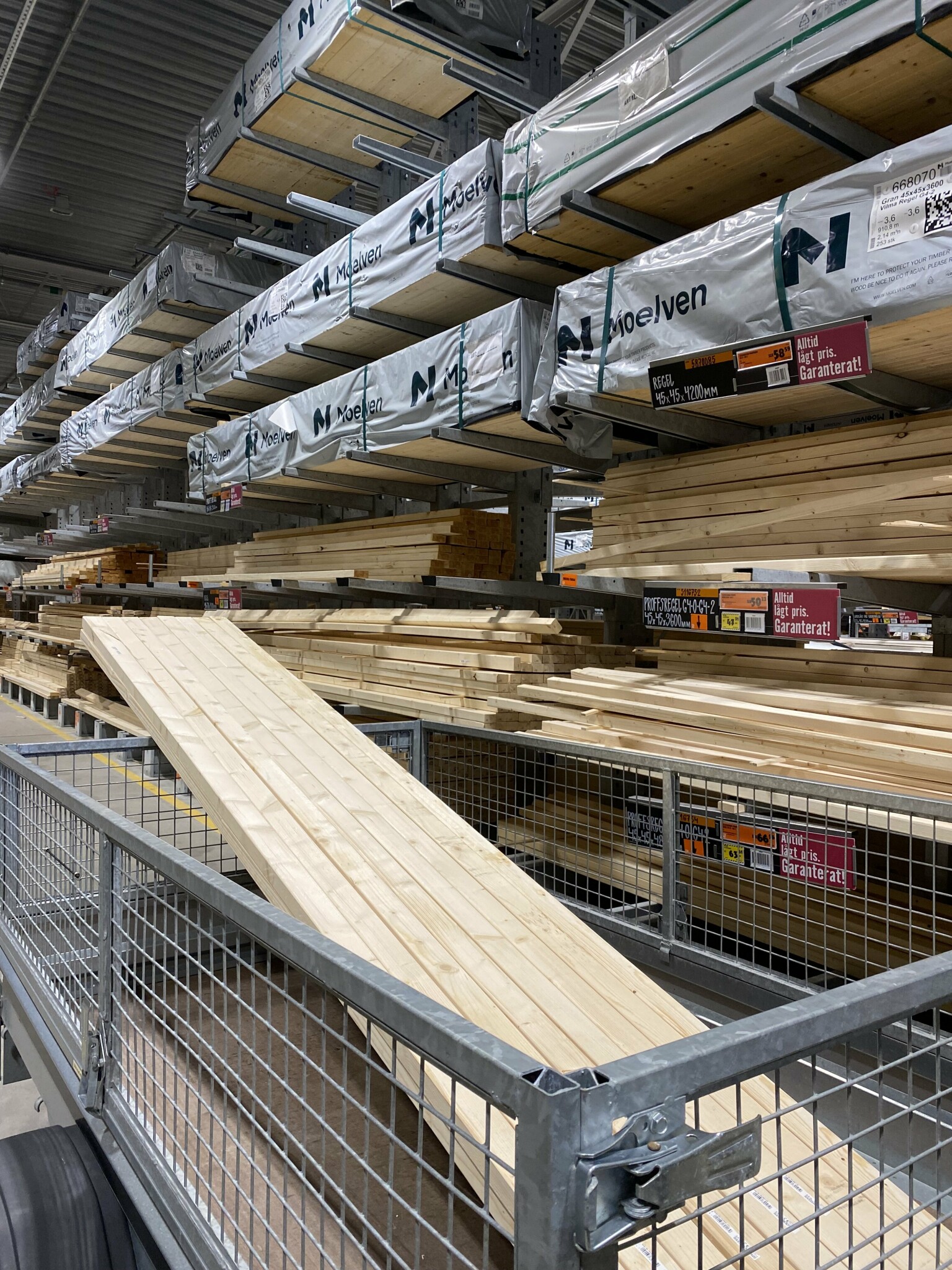
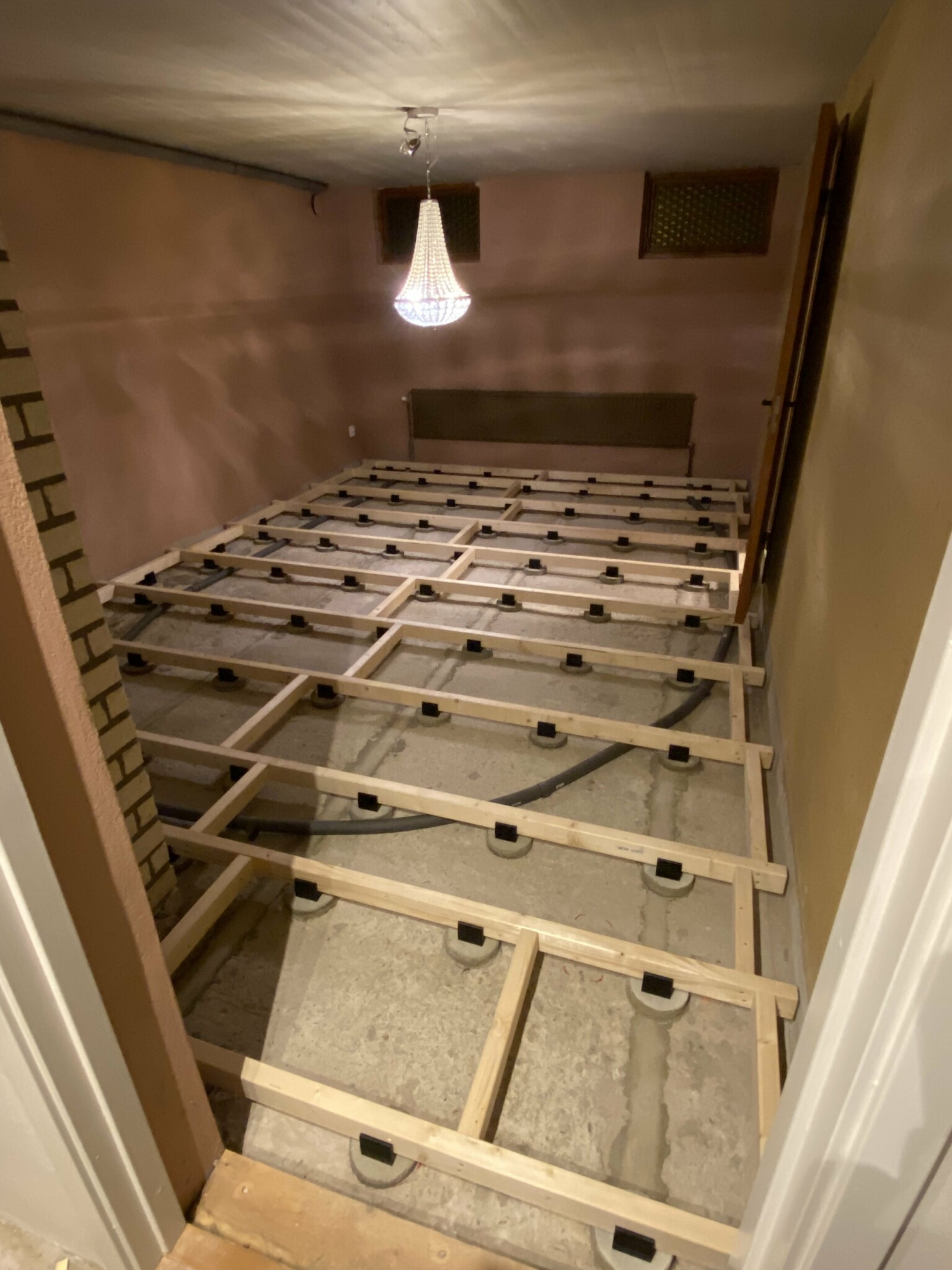
Today, studs were purchased. Went with 45x70 mm.
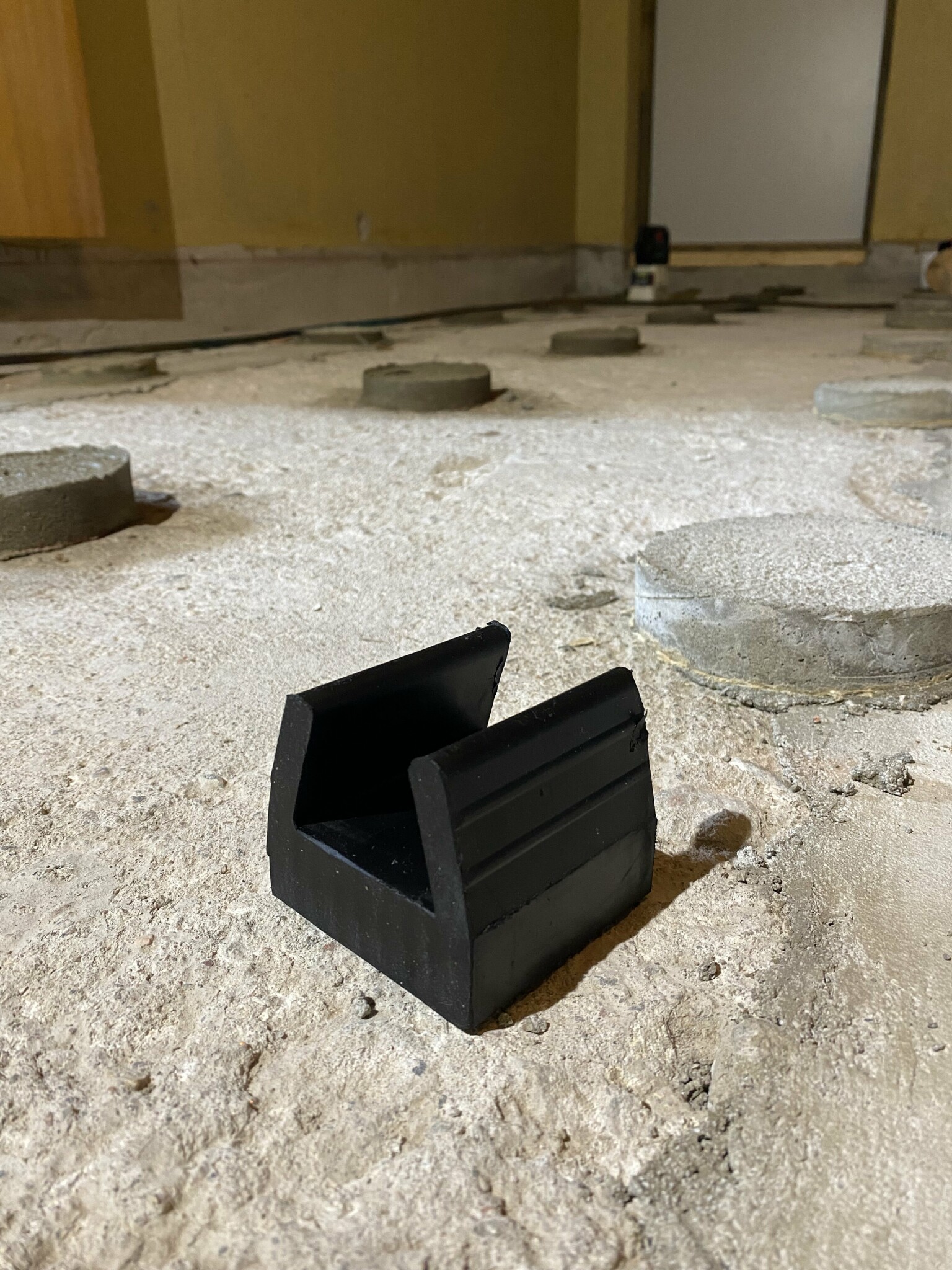
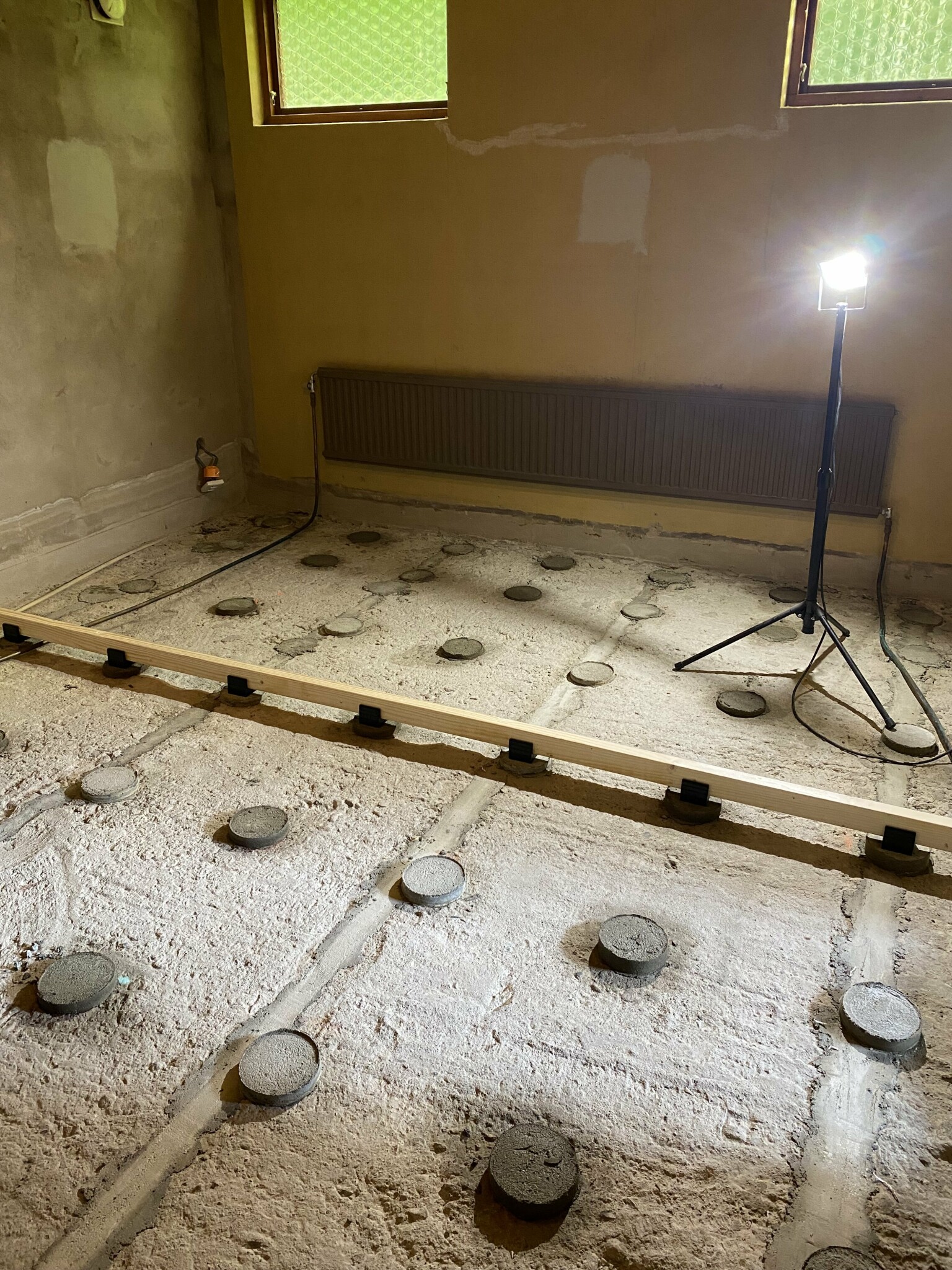
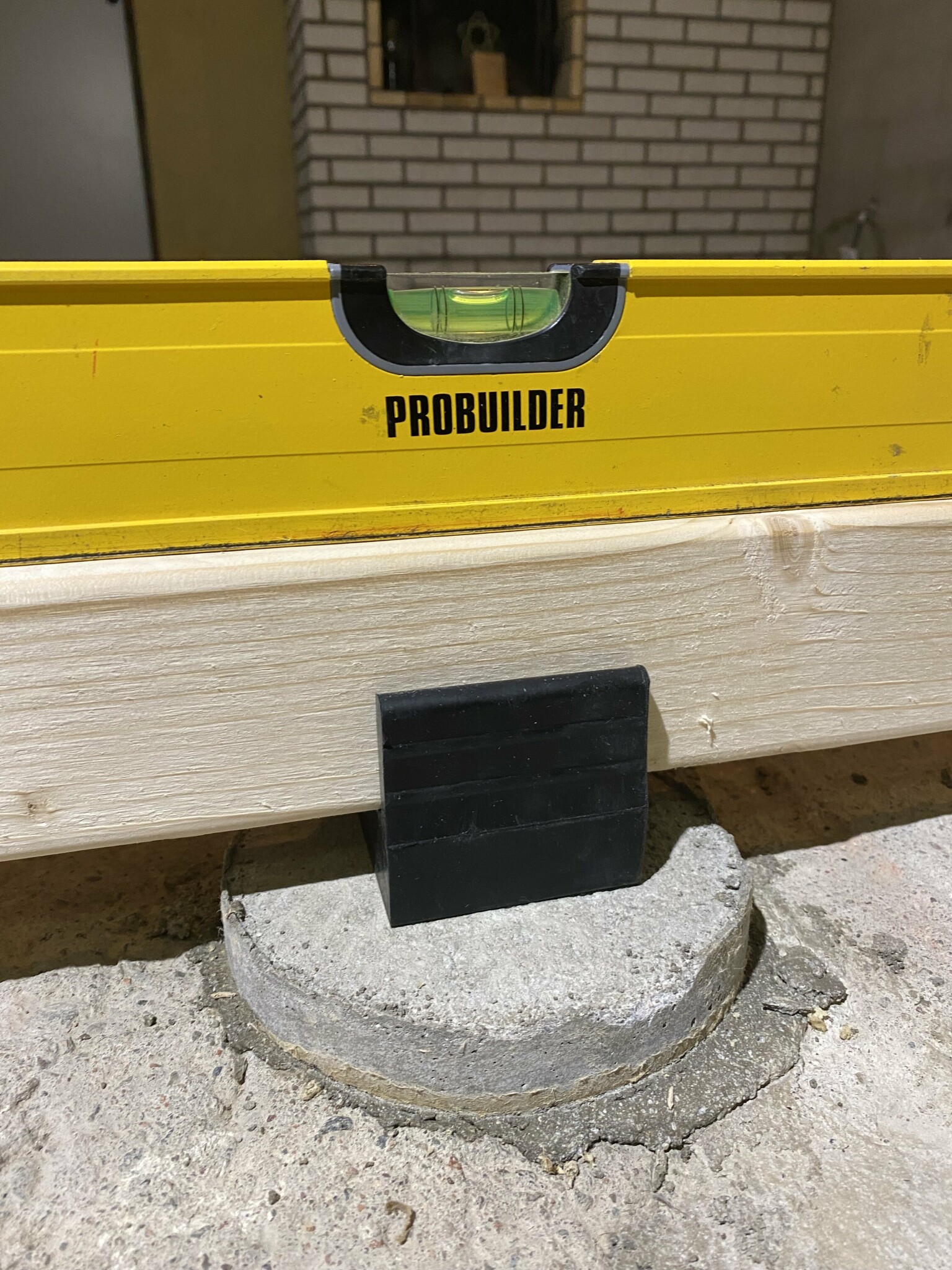
Tested the principle with Biltema's joist hangers and a stud. The small cast pillars seem to be level. Seems to work fine …
Now, three of four walls will be painted and the slab cleaned thoroughly before the floor construction can begin.
Today, studs were purchased. Went with 45x70 mm.
Tested the principle with Biltema's joist hangers and a stud. The small cast pillars seem to be level. Seems to work fine …
Now, three of four walls will be painted and the slab cleaned thoroughly before the floor construction can begin.
Hello everyone again!
It's time for insulation. I'm considering using stone wool BUT, Nivell and others use stone wool/glass wool with an aluminum film on one side that should be laid down towards the concrete. It doesn't seem to be something that regular hardware stores have on the shelf.
Do you think I'll regret it if I use "regular" stone wool?
It's time for insulation. I'm considering using stone wool BUT, Nivell and others use stone wool/glass wool with an aluminum film on one side that should be laid down towards the concrete. It doesn't seem to be something that regular hardware stores have on the shelf.
Do you think I'll regret it if I use "regular" stone wool?
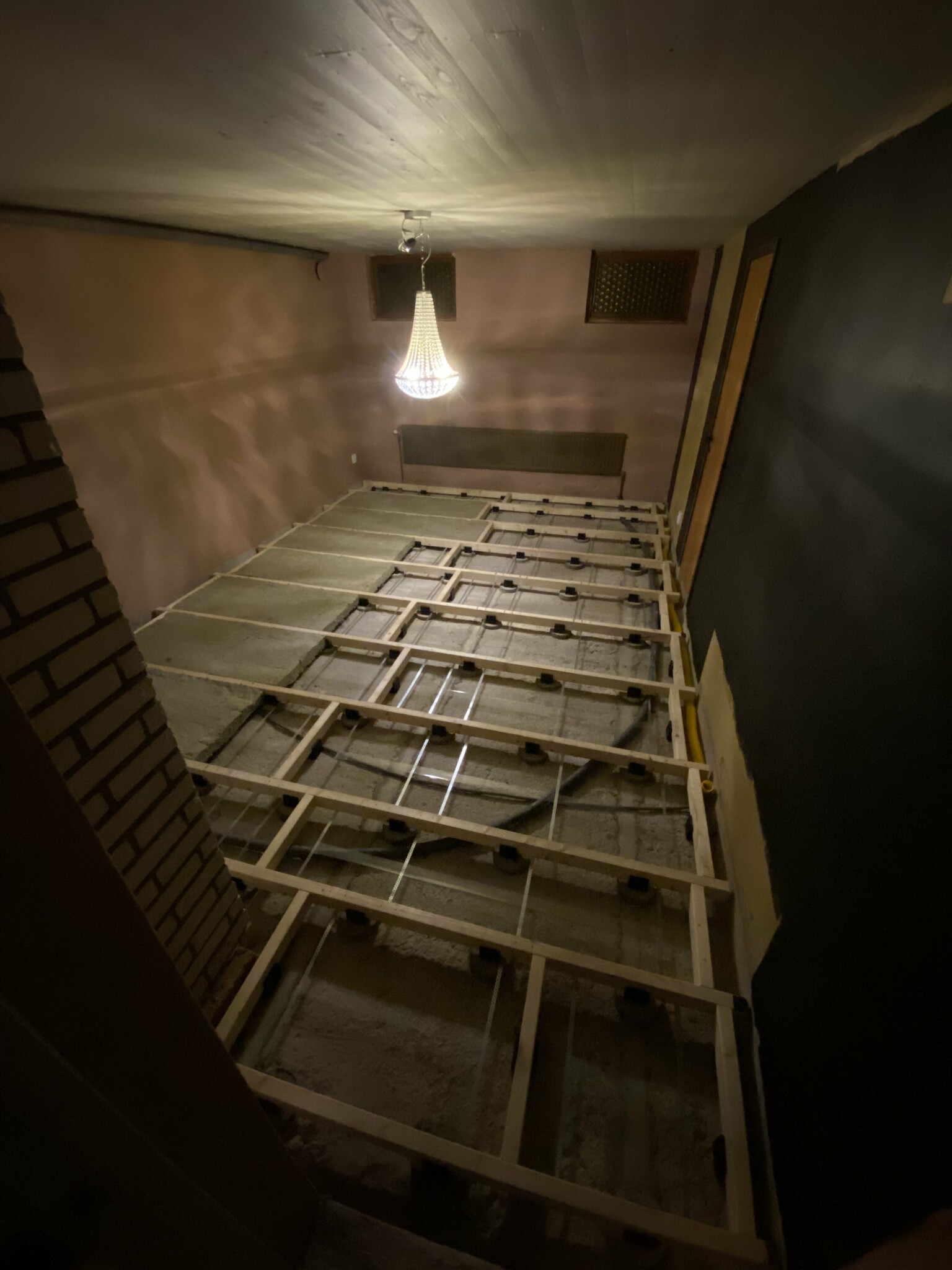
The insulation is underway. I underestimated the time it would take to attach perforated straps underneath to support the stone wool. A bit of foil tape also helps as extra support.
I've also taken the opportunity to run flexible conduit underneath for future cable routing for sound and media. I'll provide a picture once the insulation is in place. After that, I plan to purchase chipboard.
I've also taken the opportunity to run flexible conduit underneath for future cable routing for sound and media. I'll provide a picture once the insulation is in place. After that, I plan to purchase chipboard.
Late reply but... Nivell's mineral wool is extra hard on one side to prevent sagging when it hangs on the "carriers" placed on the joists. I believe the mineral wool itself is just like any other, the important thing is that it doesn't sag onto the slab (especially if you have forced ventilation that should go along with the slab).J_P_K said:
Hello everyone again!
It's getting close to time for insulation. I'm considering putting in mineral wool BUT, Nivell and others use mineral wool/glass wool with an aluminum film on one side that is supposed to be placed downwards towards the concrete. It doesn't seem like regular hardware stores have this on the shelf.
Do you think I'll regret it if I use "regular" mineral wool?
Thanks for the response. I hadn't completely let go of the thought.H henche said:Late response but... Nivells stone wool is extra hard on one side to prevent it from sagging when it hangs on the "carriers" placed on the beams. I believe that the stone wool itself is just like any other; the important thing is that it doesn't sag on the plate (especially if you have forced ventilation that should run along the plate).
Okay, that explains why their insulation carriers are relatively small; they would never work for regular stone wool.
No forced ventilation in my case.
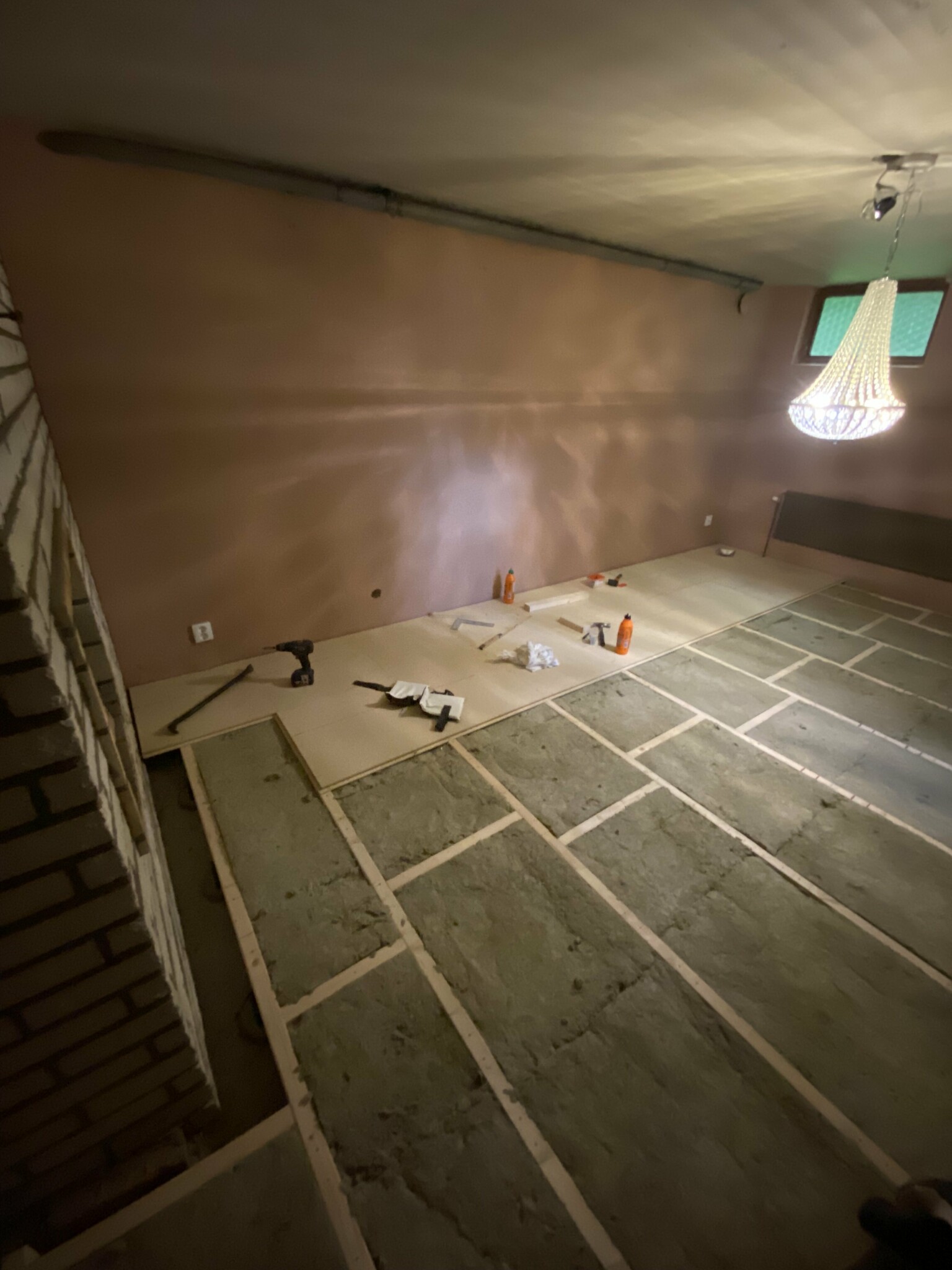
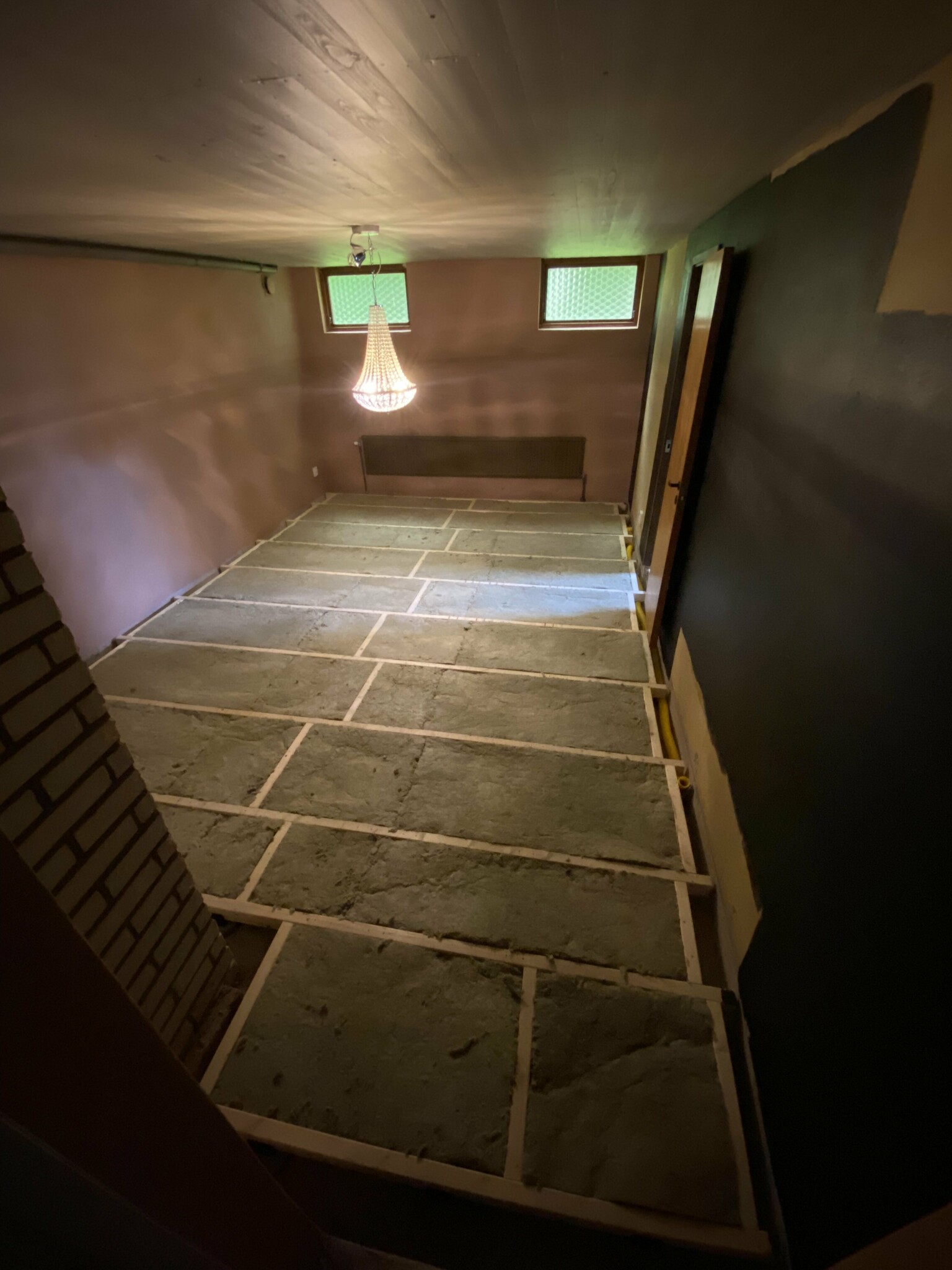
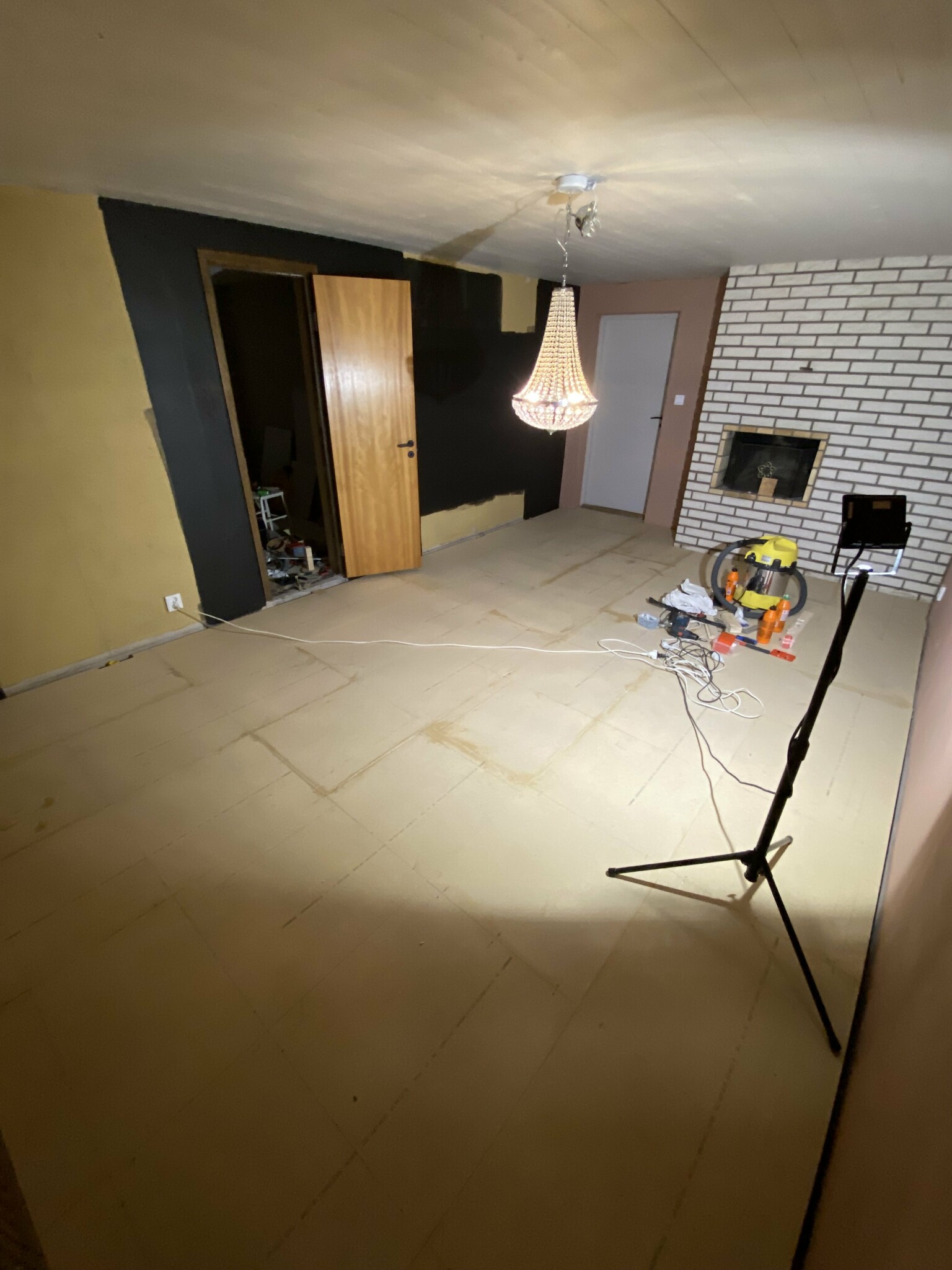
A question in that context. How would it have worked with tracked discs and underfloor heating in that construction? Do you still heat the concrete too much with attached risks? Many claim that you also get energy losses with underfloor heating and poor insulation downward. But is that really true? The losses should exist even if you heat with radiators? Or?
It's not something I can answer, but I understand what you mean. When it's not directly against the slab, it should at least make some difference, perhaps marginally. Someone who knows and reads this is welcome to respond.O Olf Oggler said:A question in this context. How would it have worked with tracked discs and underfloor heating in that construction? Does one still heat the concrete too much with associated risks? Many claim that you also get energy losses with underfloor heating and poor downward insulation. But is that really true? The losses should be there even if you heat with radiators? Or?
With underfloor heating, there is always a risk that the heat goes downward in this type of construction, but who cares when your feet are warm and cozy? If you want to minimize heating the slab, there are other solutions with a different type of insulation on the slab with this type of framework.
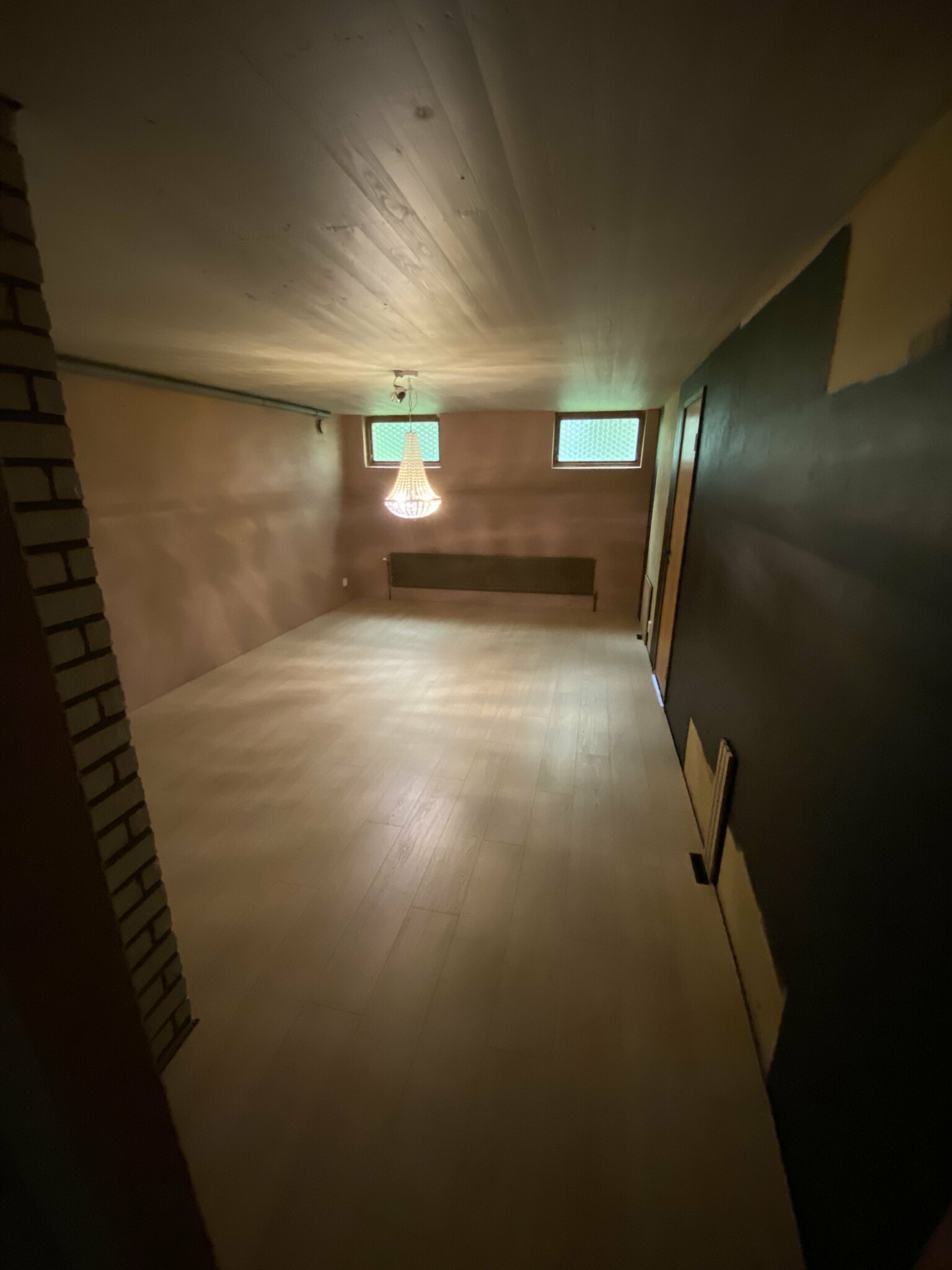
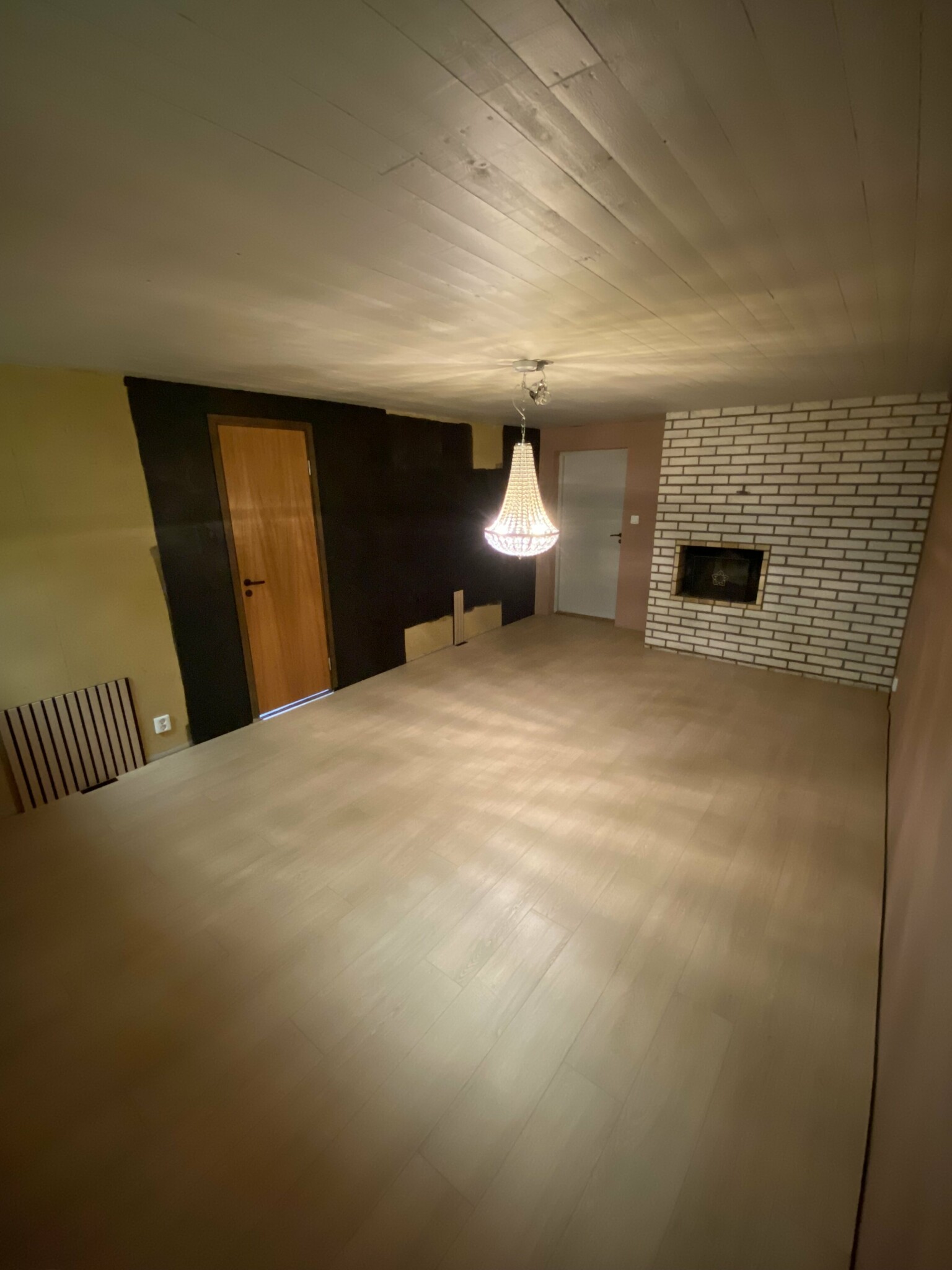
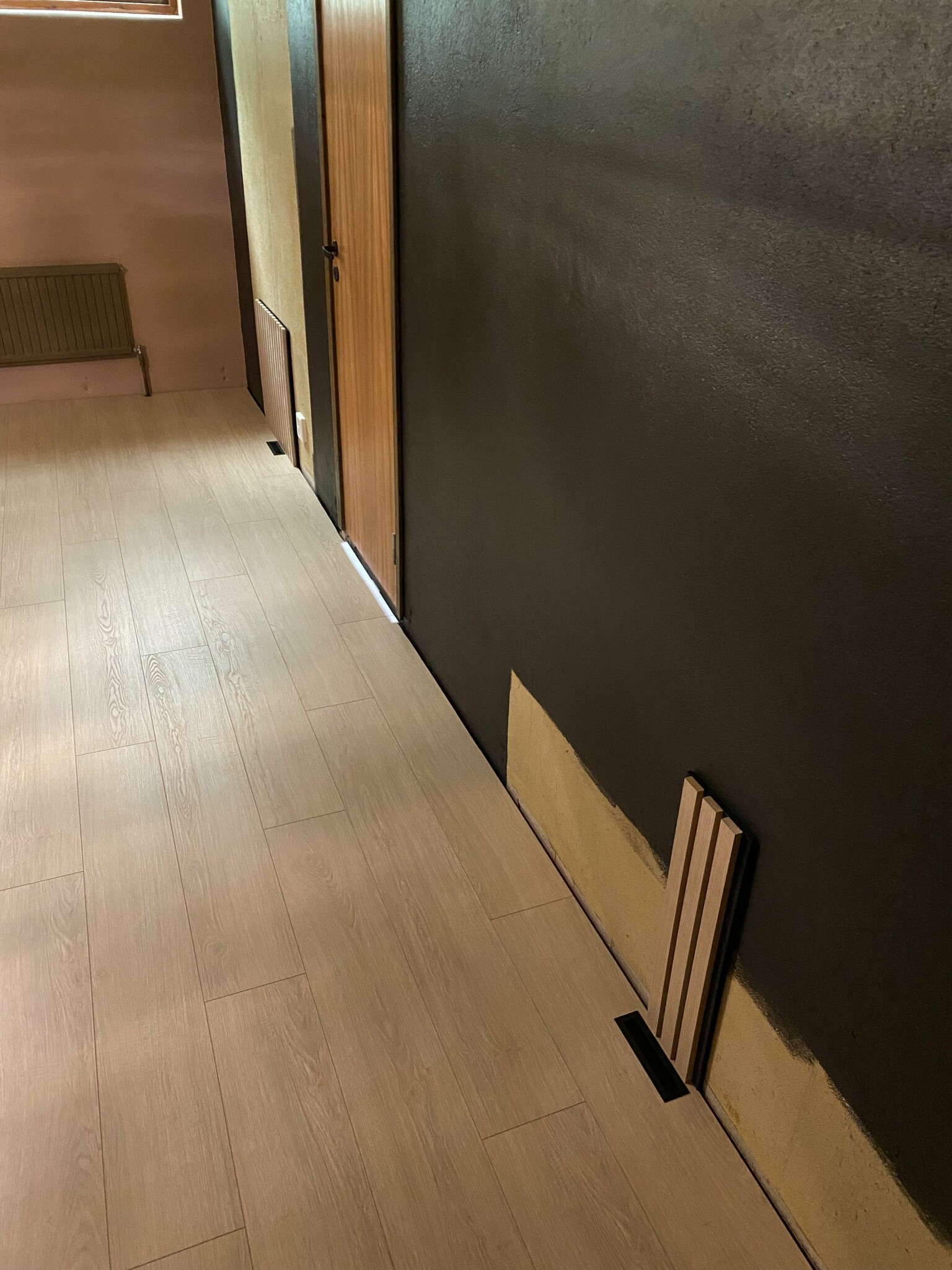
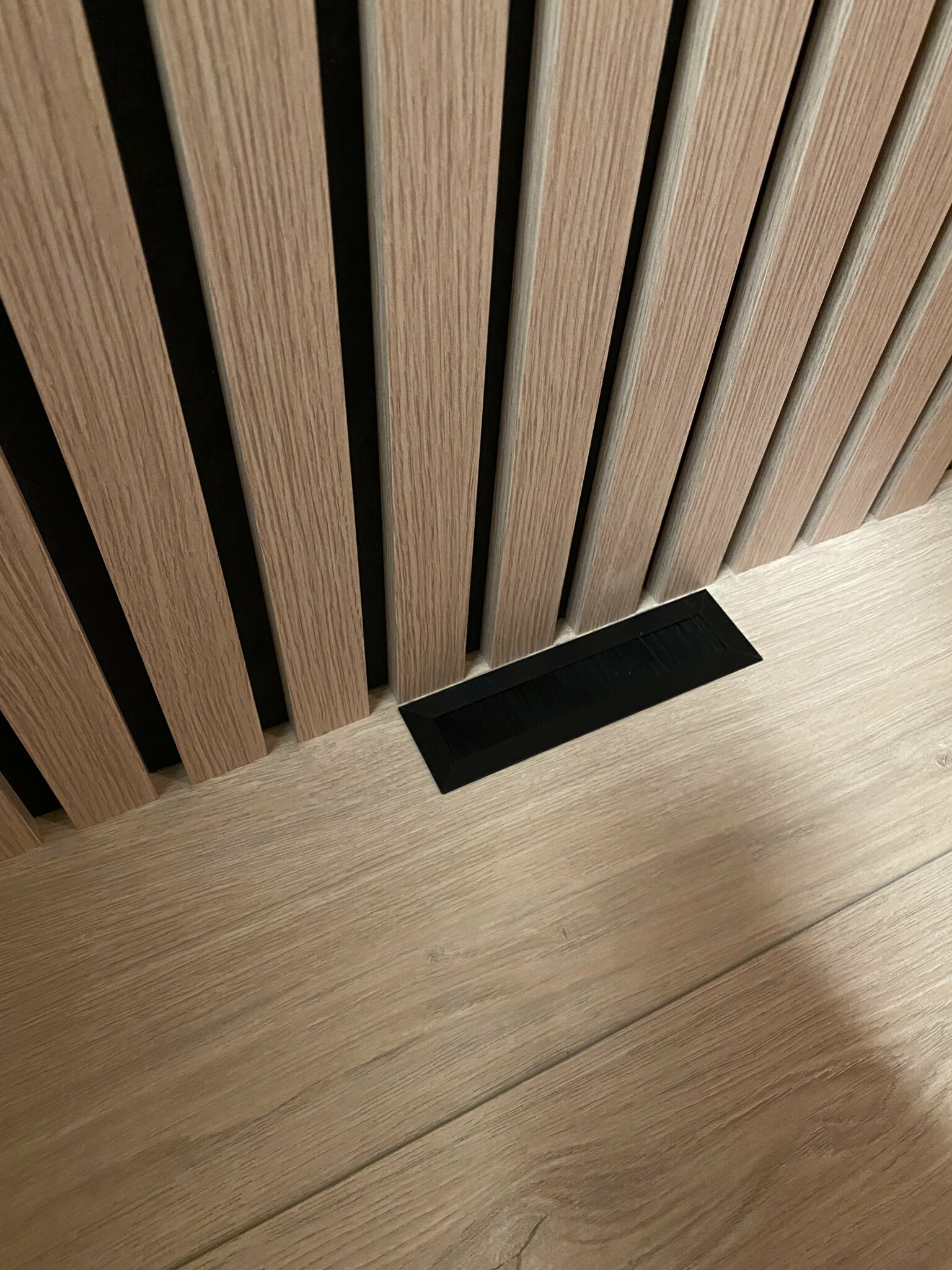
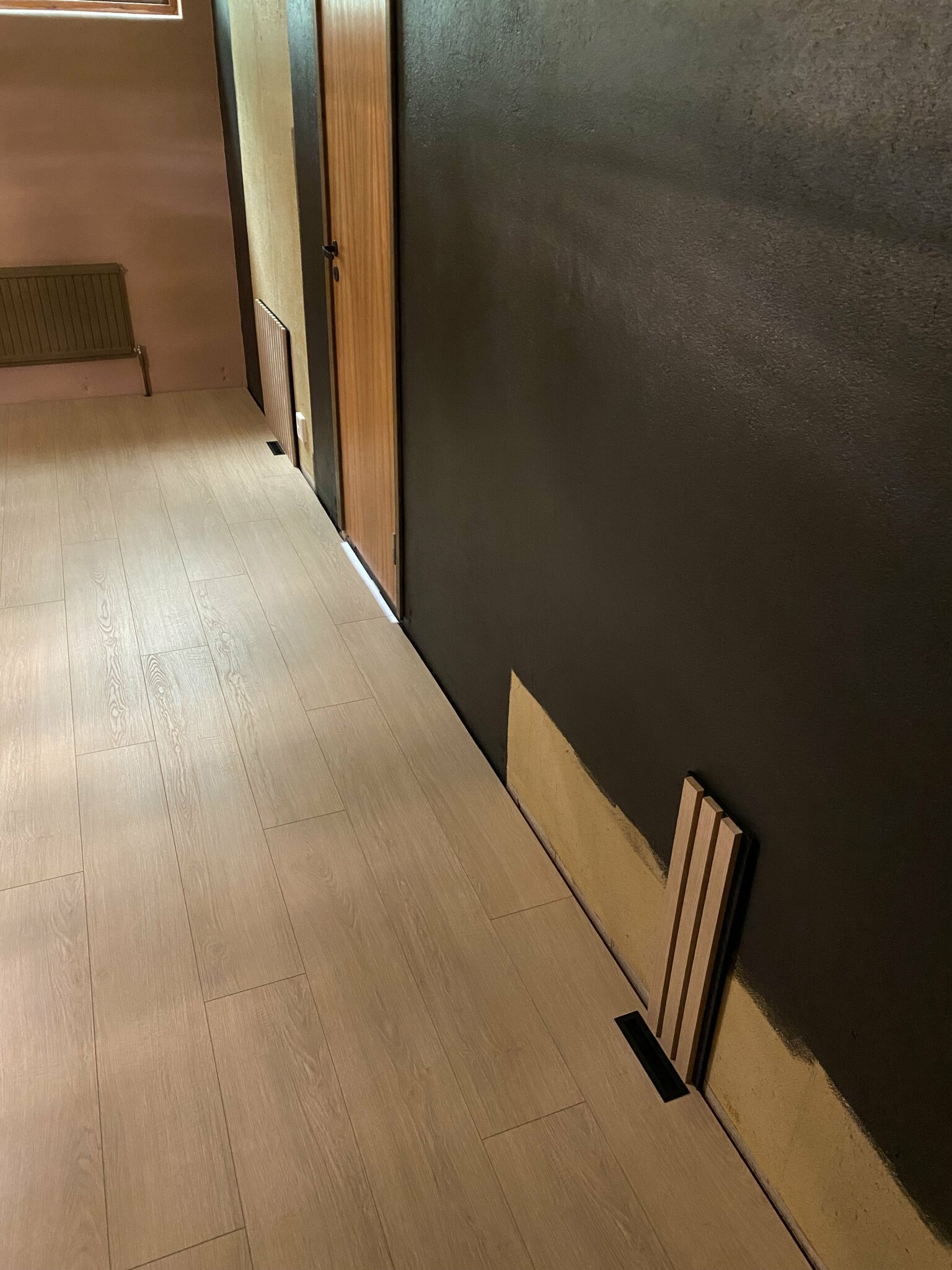
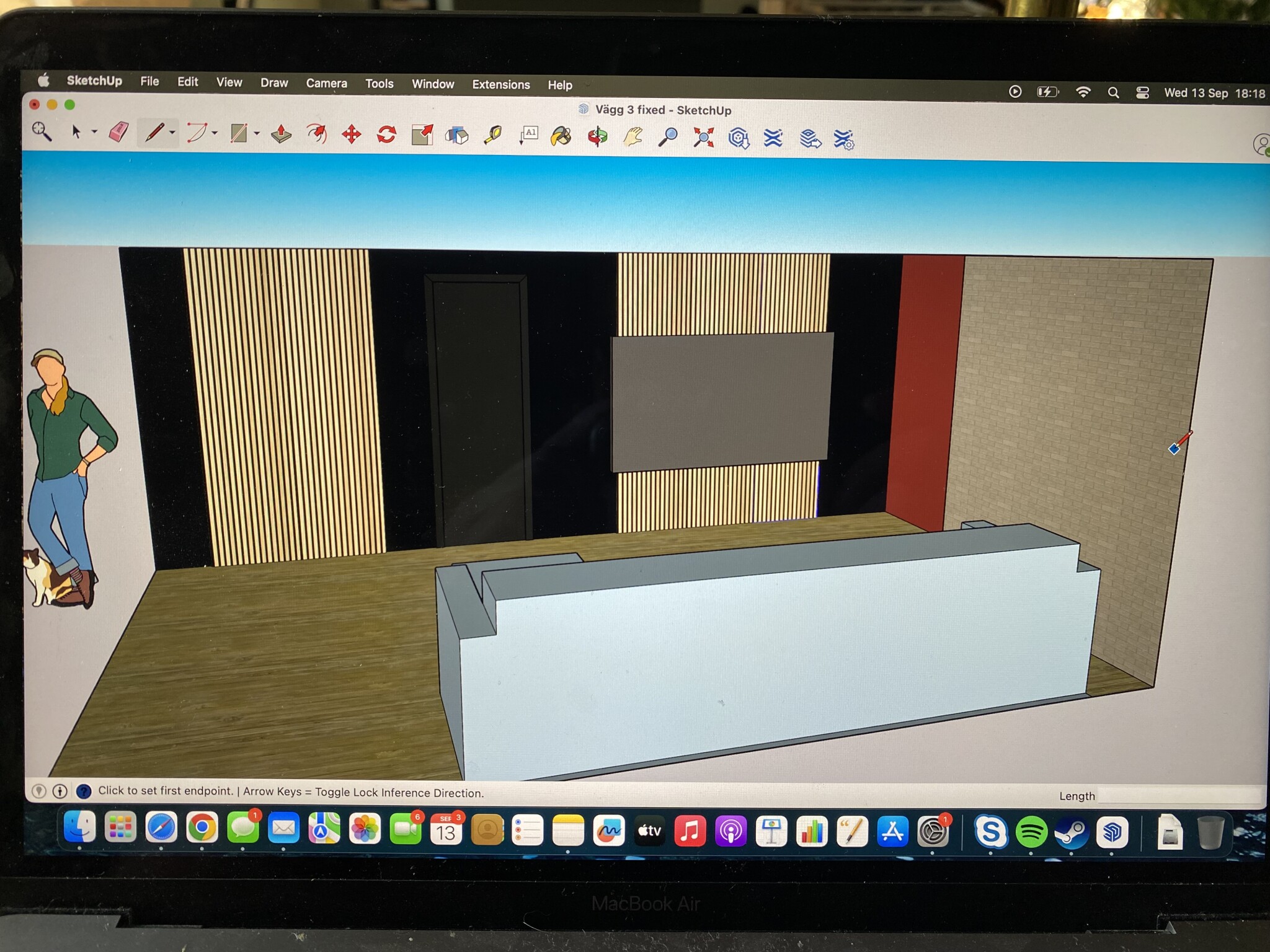
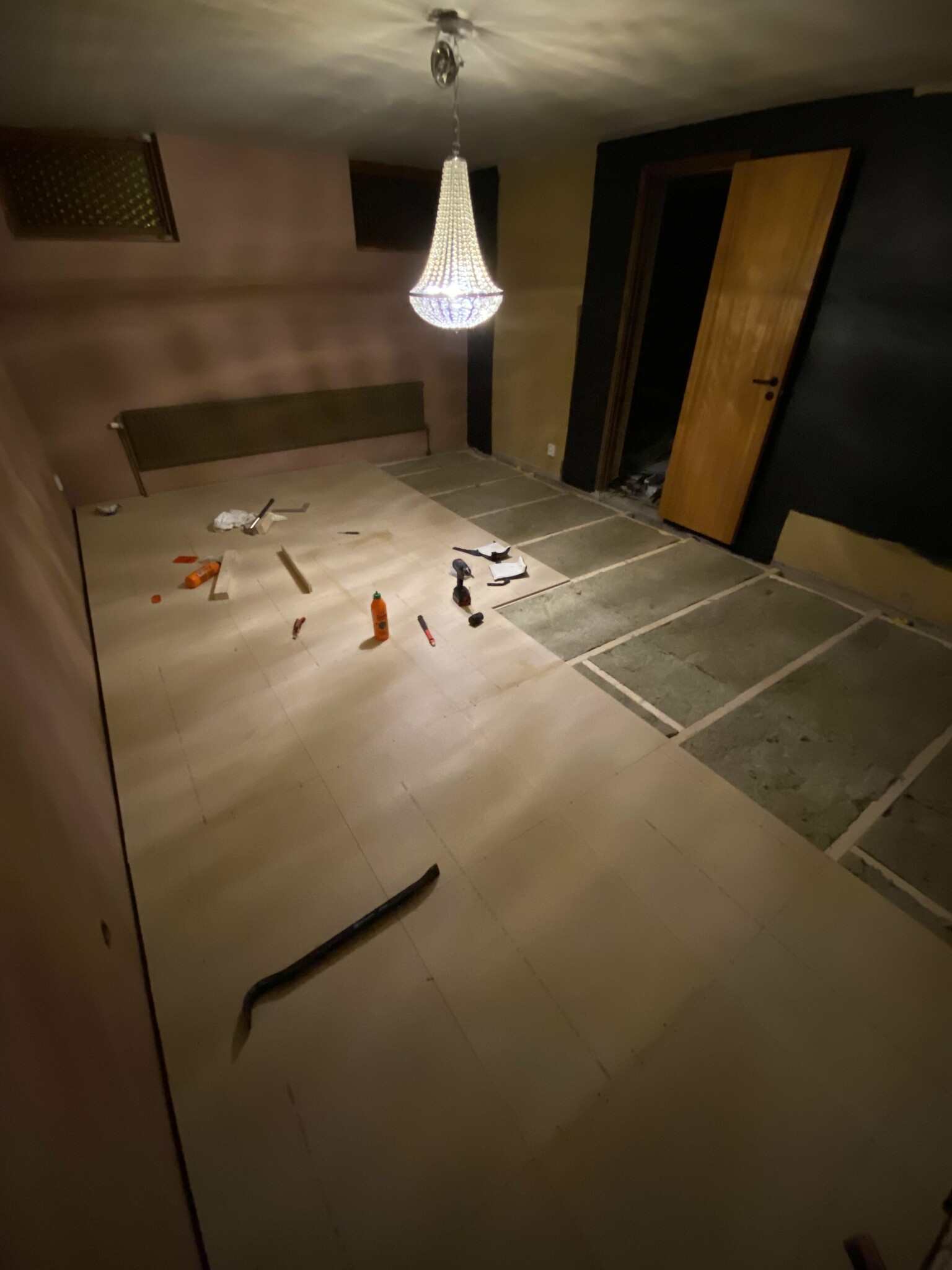
Looks great, turned out well in the end 😀