
2,072 views ·
3 replies
2k views
3 replies
Renovate and add insulation to the house from the inside
I bought an old house built in 1968, 125 sqm.
The house has a brick facade as shown in the pictures and a roof with a slight slope. I expect 6 degrees.
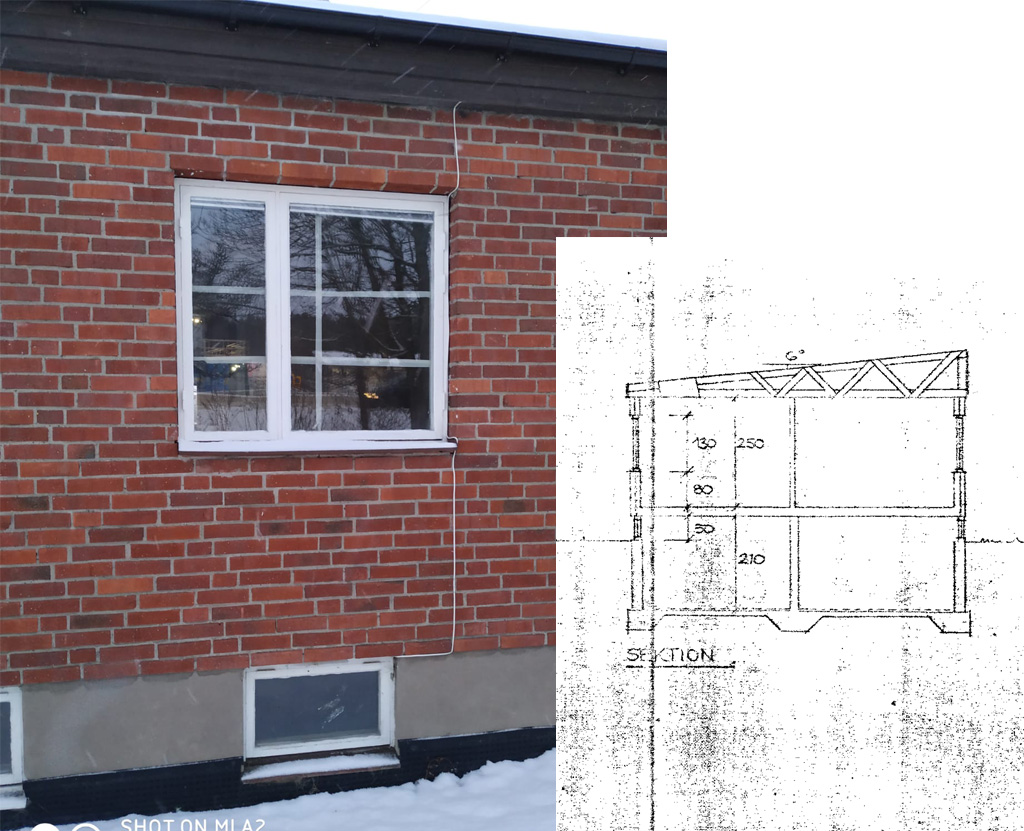
First, I removed the outer layer from the inner wall and checked the roof and walls, and there were no problems, odors, mold, or moisture.

Through my reading of the house papers, it was found that the exterior walls are insulated with mineral wool, but I don't know the exact thickness of the insulation, but I expect it to be 15 centimeters, as the total wall thickness is 29 centimeters, as stated in the house papers.
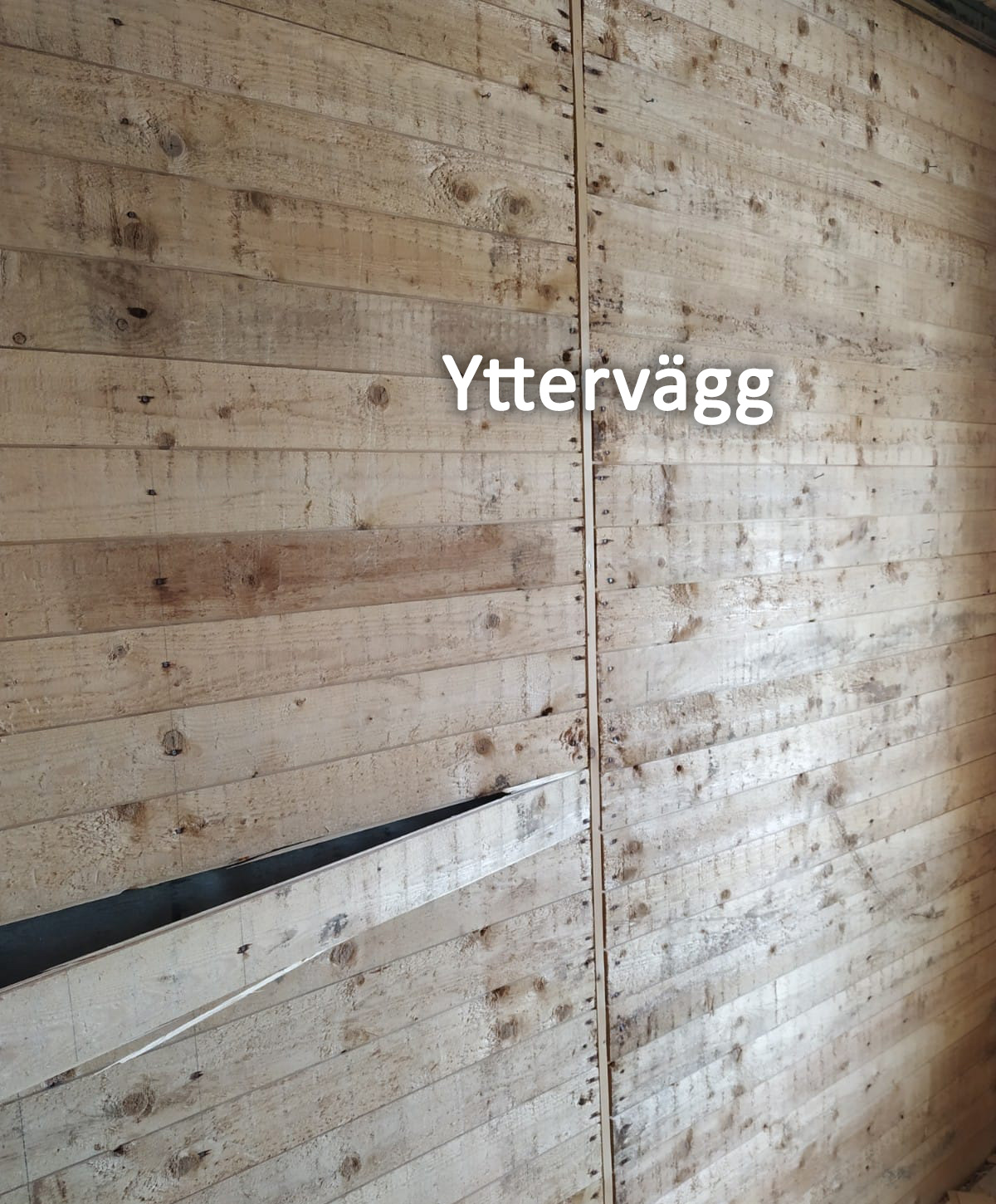
I checked it and it resembles cardboard, it is black in color, and immediately after that, there is mineral wool, naturally for the walls, and there is no vapor barrier.
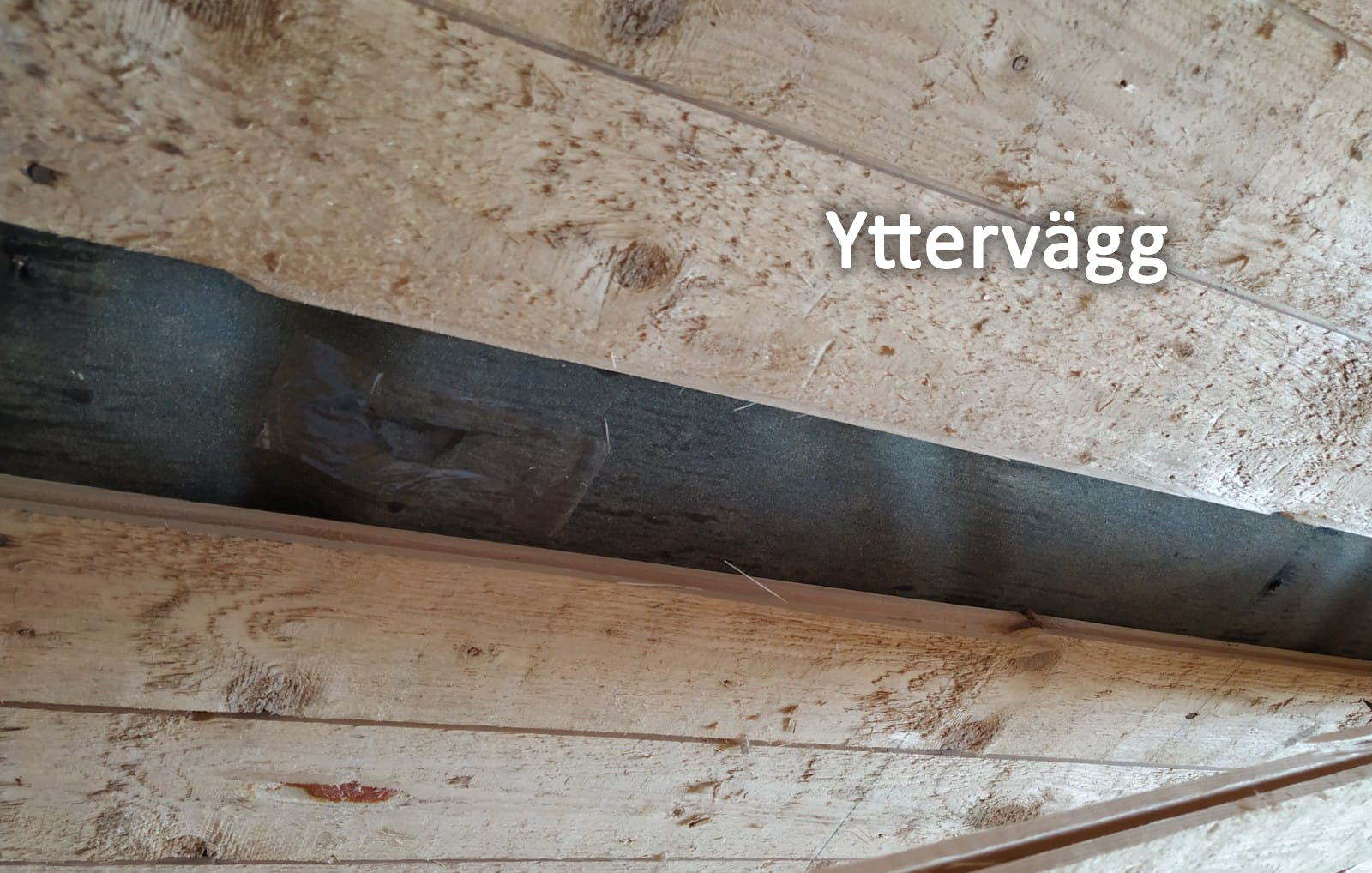
As for the roof, there is the same tar paper and no vapor barrier, but above it is wood chip insulation with a thickness of about 30 cm, but unfortunately the remaining space for the outer surface is narrow and I cannot spray insulation on it, and I would like to install a ventilation system "FTX".

So what I would like to do is add extra insulation to the house and I have the following options:
For the roof:
1. Remove all chips and, of course, remove the inner board from the accumulated wood, and put in new insulation of glass wool with a thickness of 420 millimeters.
2. Retain the old insulation, but more effort to install the ventilation system and add insulation under the ceiling with a thickness of 45 mm with a vapor barrier.
For the walls:
1. Remove the remaining wood layer and add additional 45 mm thick insulation and a vapor barrier.
a. Add insulation with a thickness of 45 mm over the existing wood layer with a vapor barrier, but I do not know if I can place the vapor barrier directly on the wood or above the new insulation layer because I want to make new electrical installations, so if the vapor barrier is placed after the new insulation layer, there will be many holes due to electrical installations, hanging TV, etc.
What is the best choice for me, sorry that I have gone too long.
The house has a brick facade as shown in the pictures and a roof with a slight slope. I expect 6 degrees.
First, I removed the outer layer from the inner wall and checked the roof and walls, and there were no problems, odors, mold, or moisture.
Through my reading of the house papers, it was found that the exterior walls are insulated with mineral wool, but I don't know the exact thickness of the insulation, but I expect it to be 15 centimeters, as the total wall thickness is 29 centimeters, as stated in the house papers.
I checked it and it resembles cardboard, it is black in color, and immediately after that, there is mineral wool, naturally for the walls, and there is no vapor barrier.
As for the roof, there is the same tar paper and no vapor barrier, but above it is wood chip insulation with a thickness of about 30 cm, but unfortunately the remaining space for the outer surface is narrow and I cannot spray insulation on it, and I would like to install a ventilation system "FTX".
So what I would like to do is add extra insulation to the house and I have the following options:
For the roof:
1. Remove all chips and, of course, remove the inner board from the accumulated wood, and put in new insulation of glass wool with a thickness of 420 millimeters.
2. Retain the old insulation, but more effort to install the ventilation system and add insulation under the ceiling with a thickness of 45 mm with a vapor barrier.
For the walls:
1. Remove the remaining wood layer and add additional 45 mm thick insulation and a vapor barrier.
a. Add insulation with a thickness of 45 mm over the existing wood layer with a vapor barrier, but I do not know if I can place the vapor barrier directly on the wood or above the new insulation layer because I want to make new electrical installations, so if the vapor barrier is placed after the new insulation layer, there will be many holes due to electrical installations, hanging TV, etc.
What is the best choice for me, sorry that I have gone too long.
Last edited:

Mats-S
Construction veteran
· Sollentuna
· 3 646 posts
Mats-S
Construction veteran
- Sollentuna
- 3,646 posts
An important thing regarding the vapor barrier (plastic) that you need for the FTX to work 100%
It is EXTREMELY important that the plastic is placed correctly. If you place it on the wrong side, you risk trapping moisture, which can lead to your house being destroyed by dampness and mold. Generally, the plastic vapor barrier should be closest to the interior walls, meaning you should NOT apply it directly on your wooden wall. Instead, insulate first, then apply the vapor barrier, and then the new interior wall. This is said assuming that the outside wall can breathe; I'm not aware of how it looks in your situation...
Plastic in older houses is always tricky. As you mentioned, there is no plastic there now, only breathable wind paper. The question is whether you really need to use plastic... with the extra layer you create with new insulation and a new interior wall, maybe that will be sufficient? I am not an expert on what an FTX requires, but it might be worth seriously checking. The best thing for your house's health is to avoid plastic in the walls, as that guarantees no mold problems
It is EXTREMELY important that the plastic is placed correctly. If you place it on the wrong side, you risk trapping moisture, which can lead to your house being destroyed by dampness and mold. Generally, the plastic vapor barrier should be closest to the interior walls, meaning you should NOT apply it directly on your wooden wall. Instead, insulate first, then apply the vapor barrier, and then the new interior wall. This is said assuming that the outside wall can breathe; I'm not aware of how it looks in your situation...
Plastic in older houses is always tricky. As you mentioned, there is no plastic there now, only breathable wind paper. The question is whether you really need to use plastic... with the extra layer you create with new insulation and a new interior wall, maybe that will be sufficient? I am not an expert on what an FTX requires, but it might be worth seriously checking. The best thing for your house's health is to avoid plastic in the walls, as that guarantees no mold problems


Thank you for the clarifications
Well, I will be using insulated ducts for ventilation, and I will not be putting a vapor barrier in the ceiling or wall
I tried to find out the thickness of the existing wall insulation and whether there is a ventilation gap or not, but unfortunately, I couldn't do it.
But I want to add additional insulation to the wall and ceiling of 45 milliliters because I feel that it is somewhat cold and the current insulation is not expected to fully meet the purpose since we will be using an air pump as the main heat source with a heat distribution system connected to the FTX ventilation system as well. We will also be adding a new electrical network in the house, so what are the suggestions?


Well, I will be using insulated ducts for ventilation, and I will not be putting a vapor barrier in the ceiling or wall
I tried to find out the thickness of the existing wall insulation and whether there is a ventilation gap or not, but unfortunately, I couldn't do it.
But I want to add additional insulation to the wall and ceiling of 45 milliliters because I feel that it is somewhat cold and the current insulation is not expected to fully meet the purpose since we will be using an air pump as the main heat source with a heat distribution system connected to the FTX ventilation system as well. We will also be adding a new electrical network in the house, so what are the suggestions?
Click here to reply