
Hi,
Anyone have tips on the best way to completely remove a fireplace. The house is from the early 80s (1.5 floors/crawl space) and the intention is to change the layout where this old fireplace is not included. (see image)
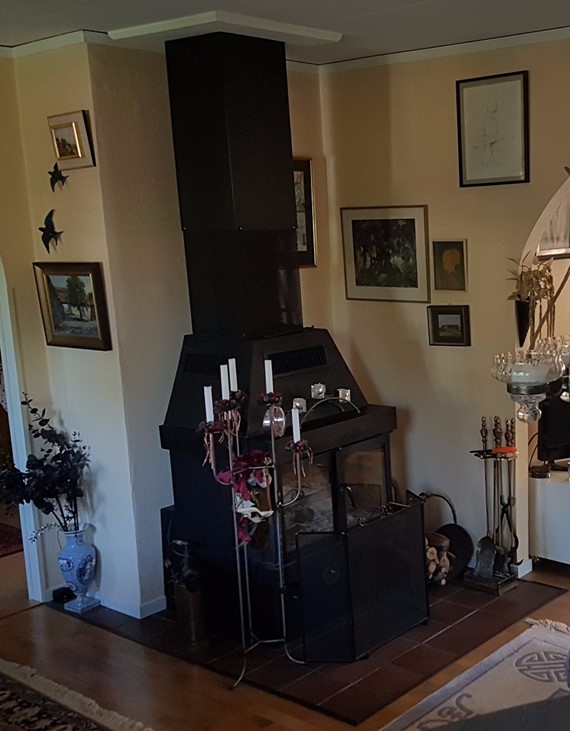
I've never worked with a fireplace, so any tips are welcome on what steps (or tools) are involved and in what order to do them. I assume that in the end, you'll need to get a big group to help lift it out and throw it onto a trailer for transport to the waste station.
Anyone have tips on the best way to completely remove a fireplace. The house is from the early 80s (1.5 floors/crawl space) and the intention is to change the layout where this old fireplace is not included. (see image)
I've never worked with a fireplace, so any tips are welcome on what steps (or tools) are involved and in what order to do them. I assume that in the end, you'll need to get a big group to help lift it out and throw it onto a trailer for transport to the waste station.

Best answer

That looks like a regular, freestanding wood stove? Mostly sheet metal and firebrick, right? I would assume it's as simple as removing the chimney and unscrewing all removable parts from the stove to lighten it. You can probably even take the brick out of it, and then it won't be so heavy.
Then remove the chimney cover on the roof and the white trim around the chimney inside the ceiling. Remove the insulation around the chimney pipe. Now you should see the sky through the opening around the chimney pipe. You can easily see if it’s a long pipe all the way out or if it's jointed. Then it's a bit of a personal preference whether you want to carry out the stove or the chimney first. If you start with the stove, lift the chimney pipe a bit with, for example, a tension strap and carry out the stove. A dolly would probably be quite helpful. Then carefully lower the chimney pipes and separate them at the joints or cut them into manageable pieces if they are unjointed.
What remains is to seal the hole for the chimney and any air supply under or behind the stove. If you don't want to keep the opening, you would typically rebuild it in the same way as the rest of the roof is constructed. If you want to keep the opening for a possible future chimney, you should get a sheet metal worker to make a suitable covering on the outside.
Then remove the chimney cover on the roof and the white trim around the chimney inside the ceiling. Remove the insulation around the chimney pipe. Now you should see the sky through the opening around the chimney pipe. You can easily see if it’s a long pipe all the way out or if it's jointed. Then it's a bit of a personal preference whether you want to carry out the stove or the chimney first. If you start with the stove, lift the chimney pipe a bit with, for example, a tension strap and carry out the stove. A dolly would probably be quite helpful. Then carefully lower the chimney pipes and separate them at the joints or cut them into manageable pieces if they are unjointed.
What remains is to seal the hole for the chimney and any air supply under or behind the stove. If you don't want to keep the opening, you would typically rebuild it in the same way as the rest of the roof is constructed. If you want to keep the opening for a possible future chimney, you should get a sheet metal worker to make a suitable covering on the outside.

Hello, I am in a similar situation and wonder how the removal of your fireplace might have affected the natural draft in your house. I have my fireplace upstairs and am about to remove it but am concerned about how it will affect the overall ventilation. I have a house with natural draft. I haven't used the fireplace much, but suspect that its chimney might also be intended as an outlet for indoor air...
Click here to reply