When I started planning to fix the basement walls above ground, it was obvious that I would insulate with EPS and then apply plaster on it, but the more I google the subject, the more uncertain I become about how it should be executed.
There are a lot of threads here discussing the same subject, but a couple of things have caught my attention.
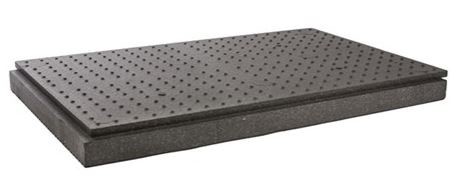
1. When installing EPS/Cellplast, can I use regular cellplast boards (S80) that I can buy at, for example, Bauhaus, or does it have to be a special board?
2. The wall currently consists of hollow concrete blocks, and I was planning to install double 30mm boards overlapping each other. How do I attach the boards?
(there are many different types, I liked the ones with metal nails the best).
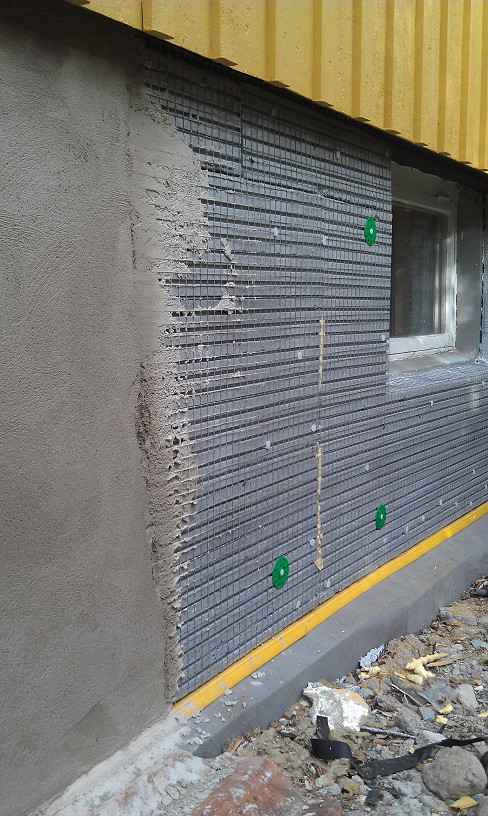
Thereafter, mesh netting was attached, and the whole thing was plastered with Finja's plaster mortar. On one wall, I tested with fiber-reinforced plaster mortar to see if there was any difference over time. So far (2 years) none of the bases have cracked.
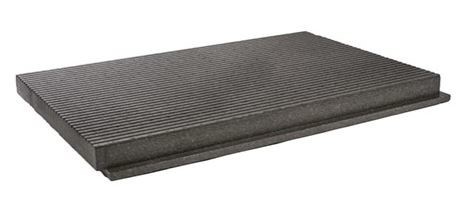
1) I don't know, but it feels like the reinforcement is primarily there to hold the plaster together and prevent cracking, but it doesn't affect the plaster's grip on the underlying foam. The grooves make the plaster grip better on the foam, at least that's what I imagine.
2) Yep, standard galvanized plaster netting. I have no idea what is best, galvanized, stainless steel, or plastic. It was purely a question of price and availability for me.
Saw someone in the area who had an older gentleman from a company that insulates and plasters the base. Carpenter or mason wasn't clear. Right or wrong, I don't know either. But I saw that he used regular smooth foam board which he scored the plaster side with a handsaw. Assuming for adhesion. Looks good from the street after 3 years at least. Mechanical attachment was used I saw. So some kind of insulation holder.
Ok... should one wait to tear down the plaster side until the first snow has settled so that the neighbor thinks it's snow blowing over onto their property? =)
How did it go with the plaster on the foam plastic? Are you satisfied with the results? I'm considering something similar, which is why I'm asking!
Still holding up and looks nice. I chose fiber-reinforced plaster in addition to mesh and installed a drip edge above the boards and under the panel to ensure that moisture doesn't get in.
Still sitting nicely and looks good. I chose fiber-reinforced plaster in addition to mesh and then placed a drip edge above the boards and below the panel to ensure that no moisture gets in.
Do you possibly have a picture showing how you finished up towards the panel?
Vi vill skicka notiser för ämnen du bevakar och händelser som berör dig.




mr.Ola said:
