
17,338 views ·
15 replies
17k views
15 replies
Primer for concrete, what to use?
Like so many others, I'm repairing an old concrete staircase. I have a couple of larger damages where I plan to use fine concrete for the repair.
All discussions and descriptions emphasize how important it is to use a primer, or adhesive, to ensure it sticks, but without specifying further.
When you look at the hardware stores, it's a jungle of various more or less strange options, but what exactly should you use to repair concrete with concrete?
All discussions and descriptions emphasize how important it is to use a primer, or adhesive, to ensure it sticks, but without specifying further.
When you look at the hardware stores, it's a jungle of various more or less strange options, but what exactly should you use to repair concrete with concrete?
Regular concrete primer weber raw finja, go and talk to a building supplies store, they should be able to help you
What exactly distinguishes these two from each other? Apart from possibly curing time, they sound very similar.T Tjrex said:
As a happy amateur, I find it a bit hard to fully understand the difference between, for example, concrete filler, repair concrete, patching mortar, and so on. Especially when concrete filler often seems to handle thicker layers than patching mortars.
The ones I've asked at hornbach and bauhaus have had less knowledge than I do... Combined with the problem that no one seems to have anything in stock at the moment. But take, for example, finja, should I have bemix corrosion-resistant, finja G21, or adhesive..? Or should I just take fine concrete and mix with lots of water and brush it on?R Rickard.lj said:
Last edited:
https://www.bauhaus.se/primer-finja-g21-1l
Buy this and mix it with 2l water and the big brush, then just splash it on everything you need to repair, wait a few hours, and mix putsmix c and you're ready to go.
Buy this and mix it with 2l water and the big brush, then just splash it on everything you need to repair, wait a few hours, and mix putsmix c and you're ready to go.
Post a picture of the staircase project you need to fix so the damages can be seen.
Ardex A46 is outstanding for what you're going to do. You prime by skimming the surface with A46 first and then apply wet-on-wet.
Otherwise, priming a surface you're going to cast with regular concrete is simple: moisten the surface and brush on a cement slurry (pure cement mixed to a filmjölkskoncistens with water).
Otherwise, priming a surface you're going to cast with regular concrete is simple: moisten the surface and brush on a cement slurry (pure cement mixed to a filmjölkskoncistens with water).
As you can see, it's a staircase that's been patched up over the years. My plan is to try to chip away and sand off as much loose material as possible, repair the holes, and then try to fill the entire staircase to make it uniform. I'm also eager for tips on what to use for filling that is both durable and relatively easy to work with. I'm thinking of Bemix Concrete Filler, but there are probably better options.R Rickard.lj said:
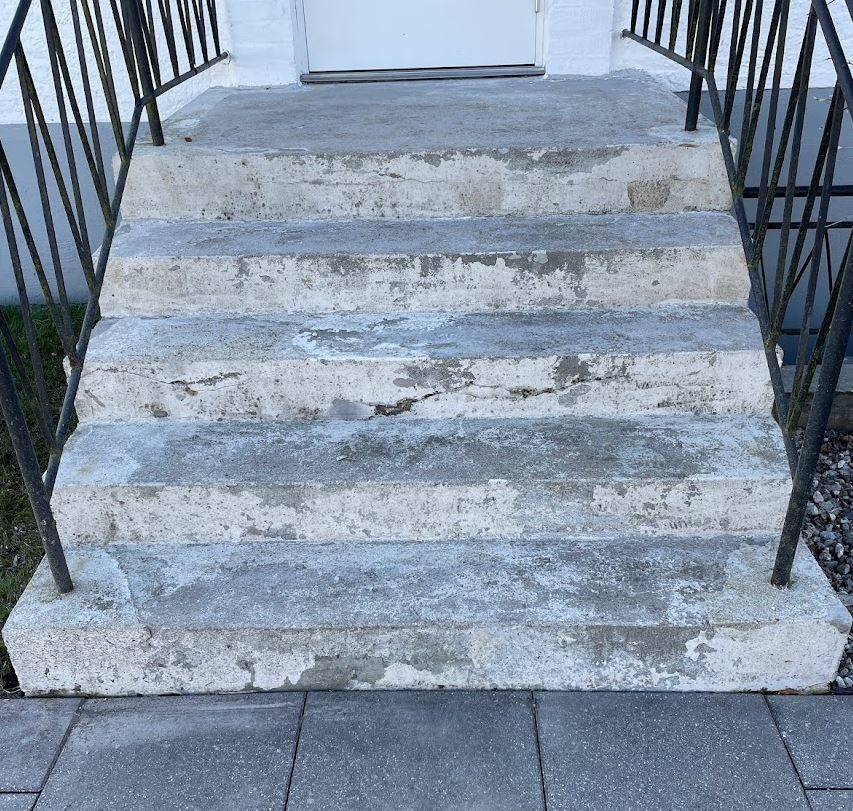
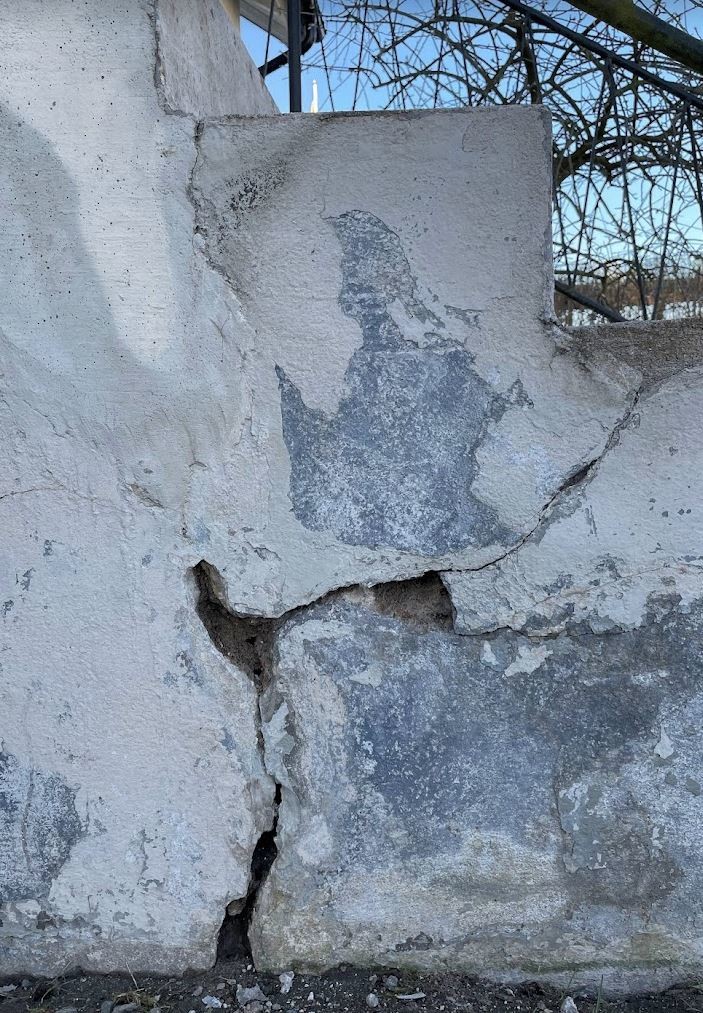
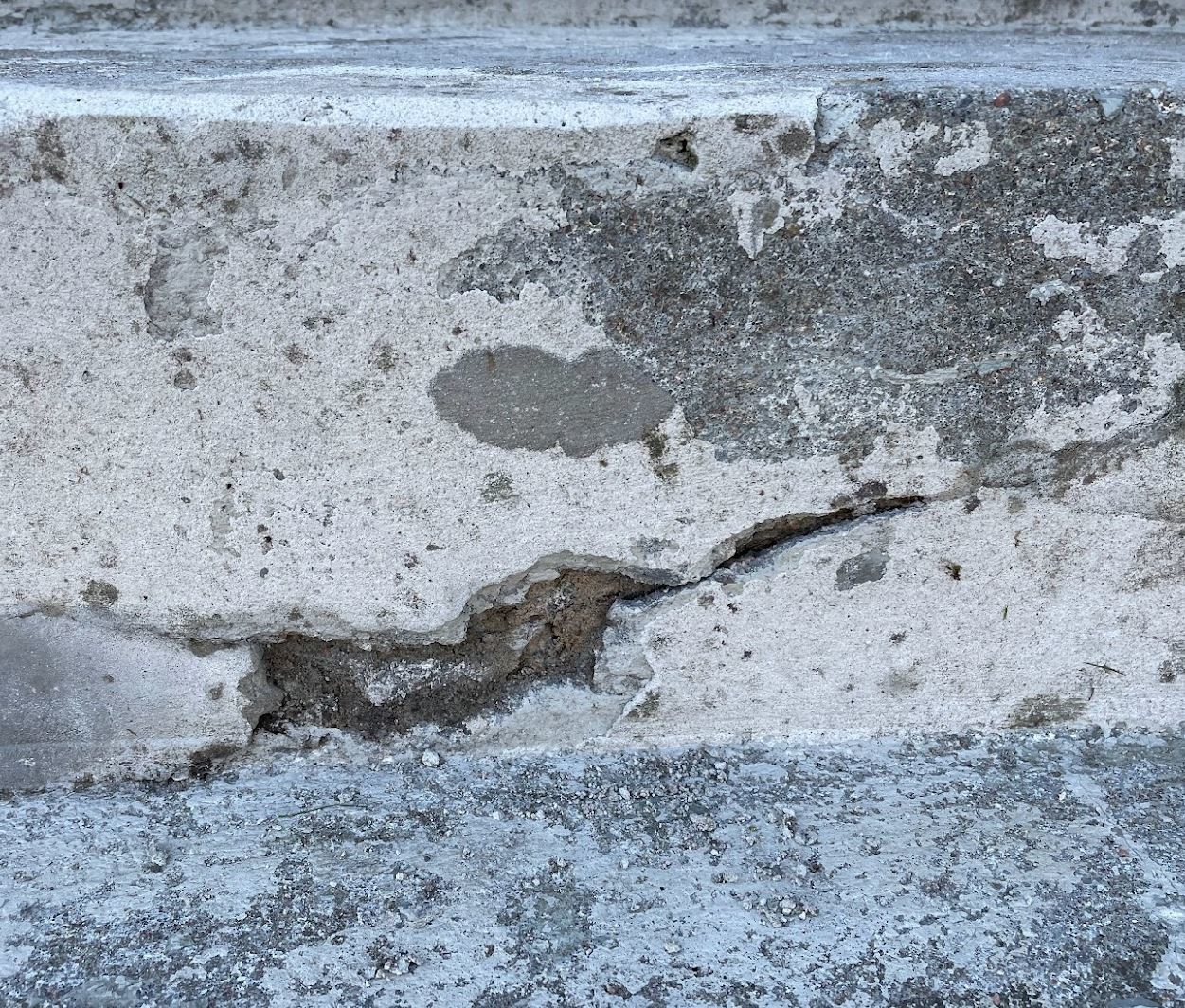
Yes, many speak highly of Ardex A46. I don't need much, so I can definitely live with the cost, but what makes it worth 10-20 times more than other similar products? 12.5 kg of A46 at Beijers costs 567 SEK whereas 20 kg of Combimix Repair Mortar at Bauhaus costs 90 SEK.mexitegel said:
Ardex A46 is outstanding for what you're planning to do. You prime by scraping a thin layer of A46 on the surface first and then apply wet-on-wet.
Otherwise, priming a surface you plan to cast on with regular concrete is simple: moisten the surface and brush on a cement slurry (pure cement mixed to a buttermilk consistency with water).
Yes ardex a46 then it can only be good, I see you are thinking about the price, but with regular filler it is likely to crack, but for the larger holes I would use plaster and then fine draw the whole staircase with a46 and then paint the staircase, or cover the staircase with some tiles or slate and use a plastic fix instead of regular fix,
Why plaster? Is it because it's softer and doesn't crack as easily again?R Rickard.lj said:Yes, with ardex a46 it can only be good, I see you're considering the price, but with regular filler it will likely crack, but for the larger holes I would use plaster and then fine draw the entire staircase with a46 and then paint the staircase, or cover the staircase with some tiles or slate and use a plastic fix instead of regular fix,
J jaqob said:
Plaster on the larger holes. It was mainly to keep the cost down that the suggestion was given. Regardless, the stairs will crack again, as they probably absorb moisture. Have you ever considered tearing it down and building a new one in wood? It might not suit the house.
It doesn't fit the house, but most importantly, the staircase is connected to the basement stairs, so if you start tearing it down, it brings a lot with it.R Rickard.lj said:
It risks being difficult to concrete plaster to get a nice surface.
I would recommend setting plaster guides if you want a good finish on the vertical surfaces. On the horizontal surfaces, I would recommend concrete plaster and then duratrapp coating, as irregularities in the substrate won't be visible.
I would recommend setting plaster guides if you want a good finish on the vertical surfaces. On the horizontal surfaces, I would recommend concrete plaster and then duratrapp coating, as irregularities in the substrate won't be visible.

Once you've puttied and repaired, microcement can make it look nice again.J jaqob said:As you can see, a staircase that has been patched and repaired over the years. My thought is to try to chip and sand away as much loose material as possible, repair the holes, and then try to putty the entire staircase to make it uniform. I'm also open to tips on what to use for puttying, something that's both durable and relatively easy to work with. My idea is Bemix Betongspackel, but there are probably better alternatives.
[image]
[image]
[image]
Yes, many people speak highly of Ardex A46. I don't need that much, so I can definitely live with the cost, but what makes it worth 10-20 times more than other similar products? 12.5 kg A46 at Beijers costs 567 kr while 20 kg Combimix Lagningsbruk at Bauhaus costs 90 kr.
https://festshop.eu/collections/kit...y-to-use-microcement-floor-system-outdoor-use
That sounds reasonable. I've been thinking about how I would attach battens to plaster after, but plaster guides that you attach with plaster sound very convenient, thanks for the tip! And then fill with A46?It risks being difficult to concrete fill so you get a nice surface.
I would recommend that you set plaster guides if you want to achieve a good finish on the vertical surfaces. On the horizontal surfaces, I would recommend concrete filler and then duratrapp coating, as this hides unevenness in the substrate.