I have had a leak in the garage roof that has caused large amounts of water to flow in and damage the interior walls, which I have now started to address after a couple of years. It has been very uneven how damaged and destroyed it has been when I've torn it down, but I've also discovered a large number of mouse nests with accompanying tunnels. They all seem to have found the old electrical panel and died there, which was discovered when it was replaced a couple of years ago...
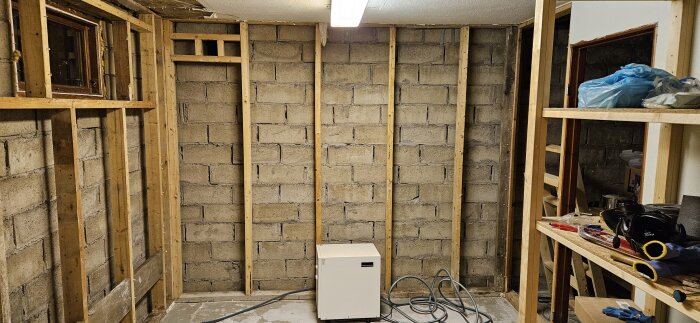
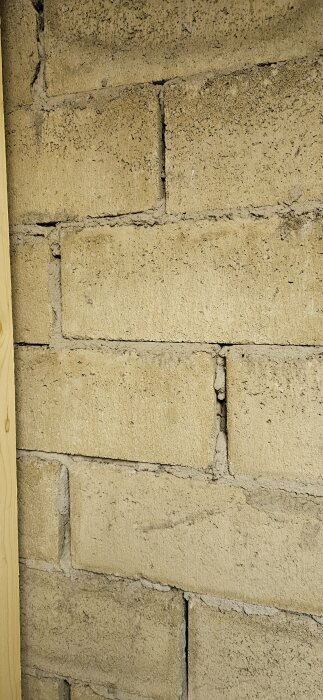
The load-bearing outer wall is built with bricks and not plastered inside, resulting in quite a large number of insects living in the cavities between the blocks. I'm considering whether I should plaster the wall inside to reduce the number of habitats.
Are there any risks with plastering the wall inside?
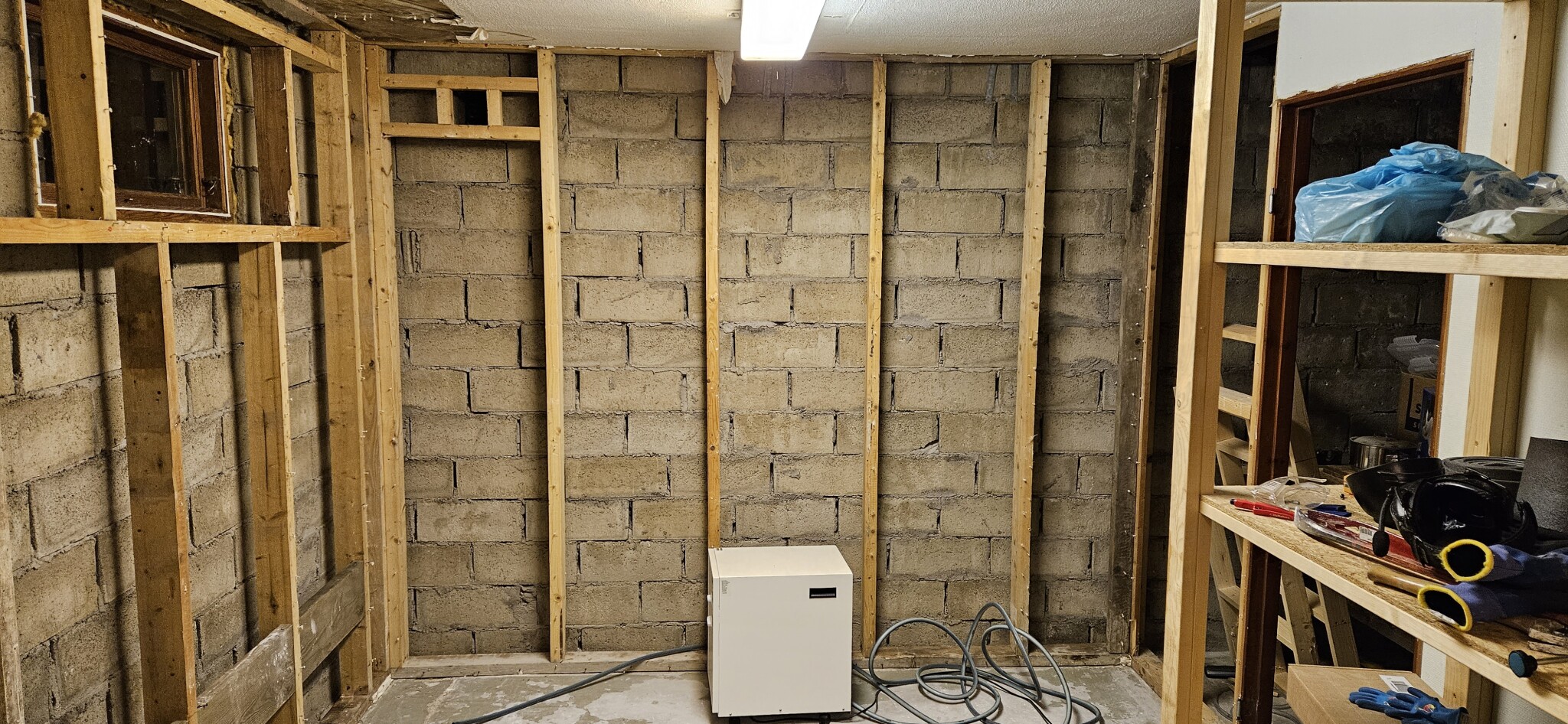
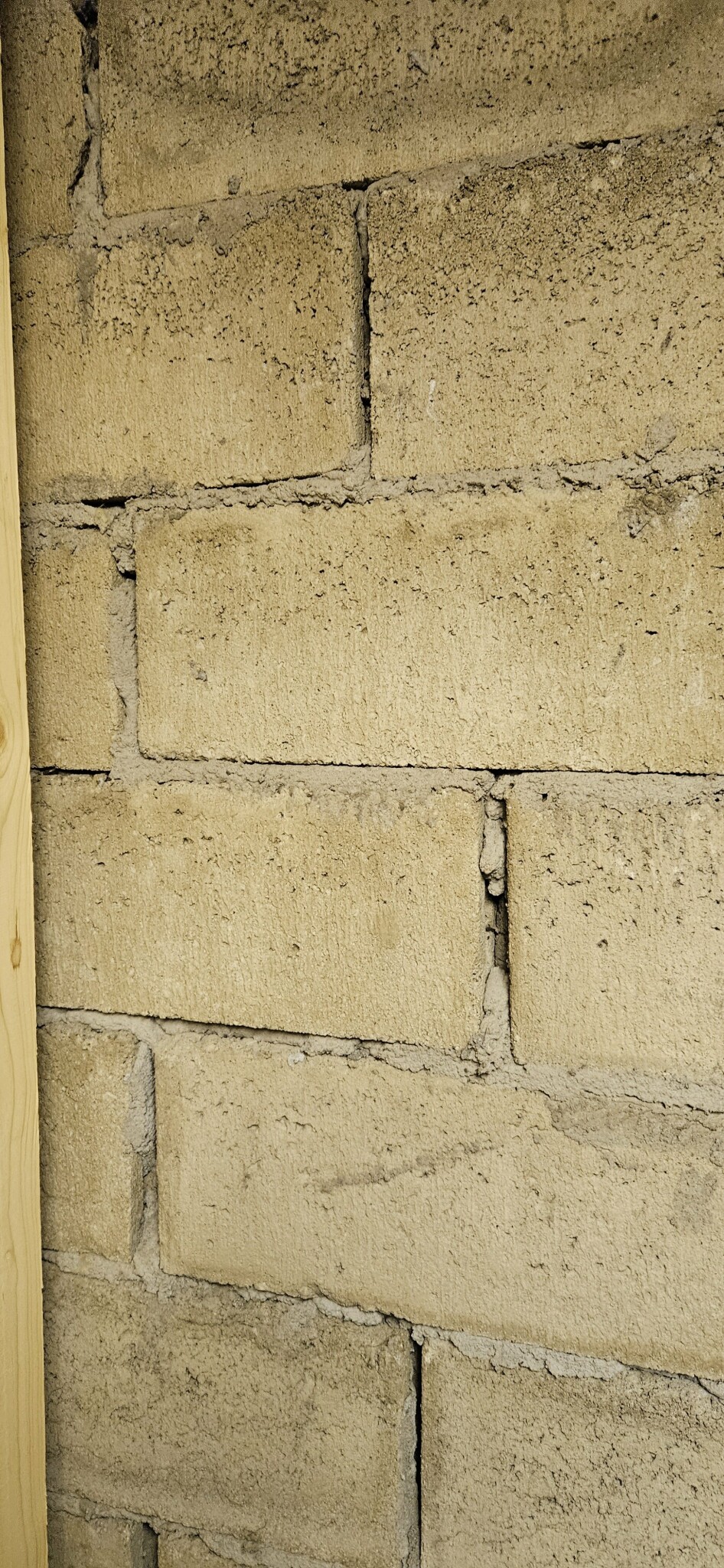
This is how it looks today:
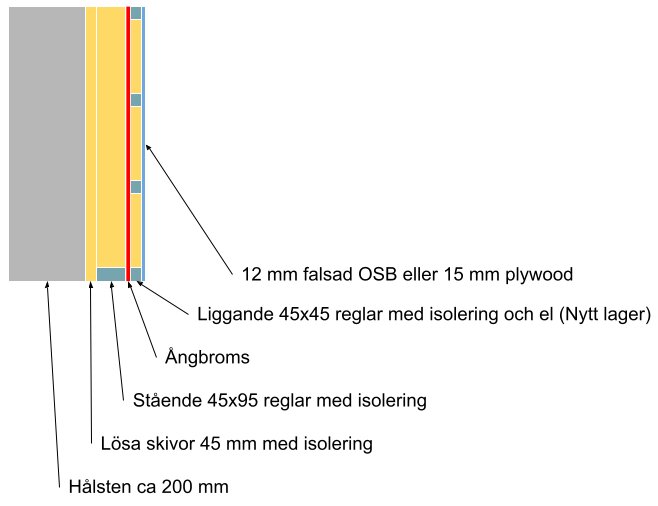
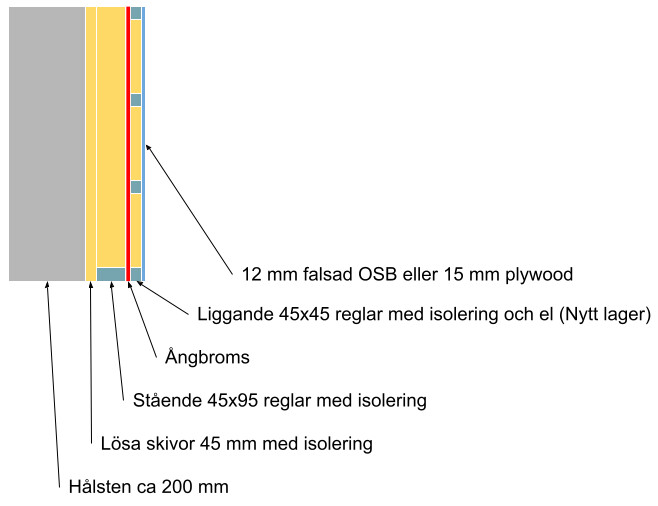
This is how I plan to rebuild the wall, essentially the same construction as before but with an extra installation layer on the inside of the room. Is this a reasonable construction? Under the wooden studs on the concrete floor, I plan to lay a strip like this: https://www.byggmax.se/syllisolering
The mice and most of the insects have likely entered through the roof since insect mesh was previously missing, and practically all types of insects/animals could get into the ceiling and build nests. This will of course be addressed so that mesh is in place at all openings in the roof.
I only see plastering the wall as an advantage, the air circulates less in the blocks, i.e., the insulation also becomes better. But I am not an expert on this.
It looks like hollow concrete blocks. They do not need to be rendered. They are dense in themselves, unlike Leca blocks. Nothing should be able to get into the wall, from any direction. Insects are not a problem, but rodents are.
However, the entire construction is a risk construction since the insulation is on the inside. But, if the old construction has stood for many years, i.e., at least 25 and preferably >50 years without damage, it might work after all. Of course, it can be difficult to assess whether the wall has suffered water damage from free water. That is, were there possibly old moisture damages due to the risk construction that were overridden by the greater damage from leaking free water?
I guess the garage has looked the way it does for nearly 50 years, which suggests that the construction itself works, at least here with me.
In some areas, it has been very damaged and especially the insulation in the ceiling has been damp, and it is evident that some roof trusses have been water damaged. Assessment from the roofers who re-roofed and the sheet metal worker has been that the water has come from above and leaked in. The roofing felt was very brittle and had opened up in many seams, and we have demolished a chimney in the garage building that leaked large amounts of water. All the sheet metal work on the roof was considered by the sheet metal worker to be almost a joke.
Overall, I am not particularly worried about the construction of the wall as all the water appears to have come from above and the blocks are dry on the inside.
Good to be able to spread knowledge, even if, as you say, it's probably the local conditions that have contributed to it working well here.
But there's no risk with plastering on the inside anyway? My concern is something like any moisture that finds its way into the blocks from the outside might have a harder time drying with a plaster layer on the inside.
My OCD makes me a bit keen to plaster to get a smooth surface with minimal spaces for insects to reside. But there are fairly large surfaces throughout the garage, so I might put my energy into building up the interior walls instead.
The studs will be removed as soon as I've finished tearing down the speech, time is not sufficient to the extent I wish. Since the insulation has been filled with mouse pee and other gross stuff, we plan to tear everything down inside and sand the floor before building new walls. This way everything will be easily accessible for a potential plastering. However, I'm leaning towards skipping the plastering entirely and instead making some targeted efforts to fill in various holes and cracks.
Click here to reply
Vi vill skicka notiser för ämnen du bevakar och händelser som berör dig.


Oldboy said: