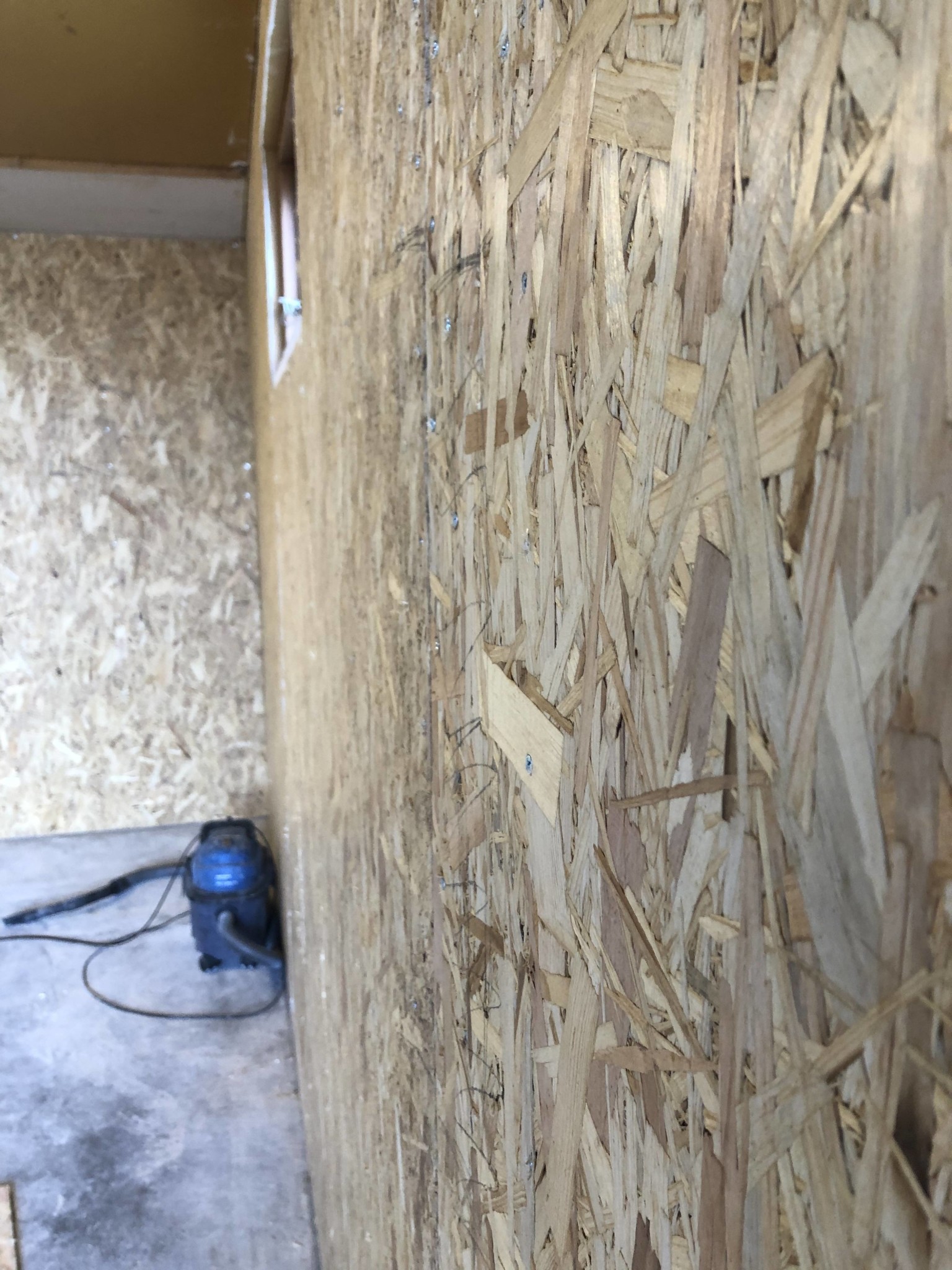
I've taken on my very first major home project by replacing insulation, the vapor retarder (from vapor barrier), and interior walls (from drywall to OSB and drywall) in the garage. It's been very educational and feels like a good first project as a hobby DIYer.
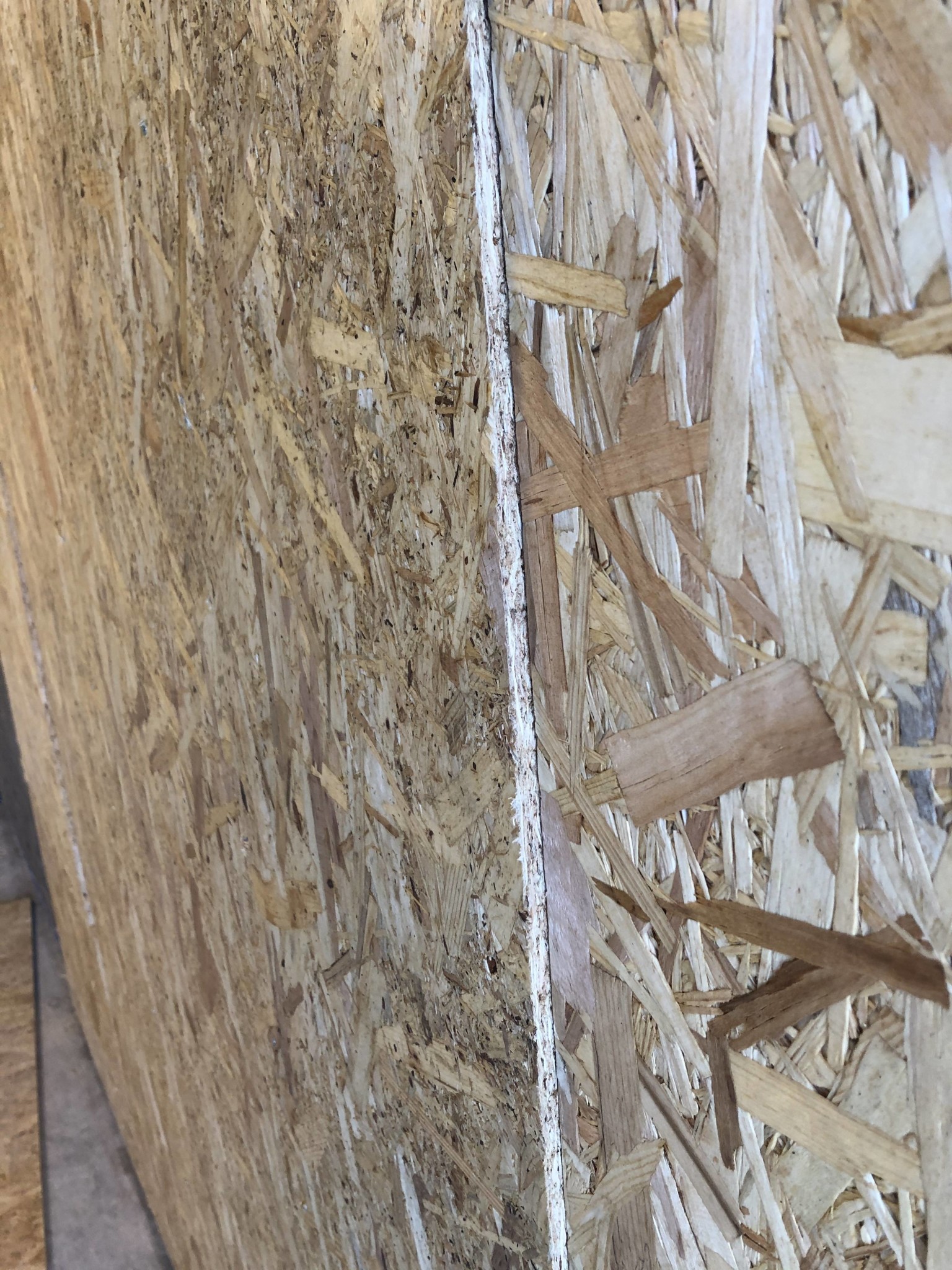
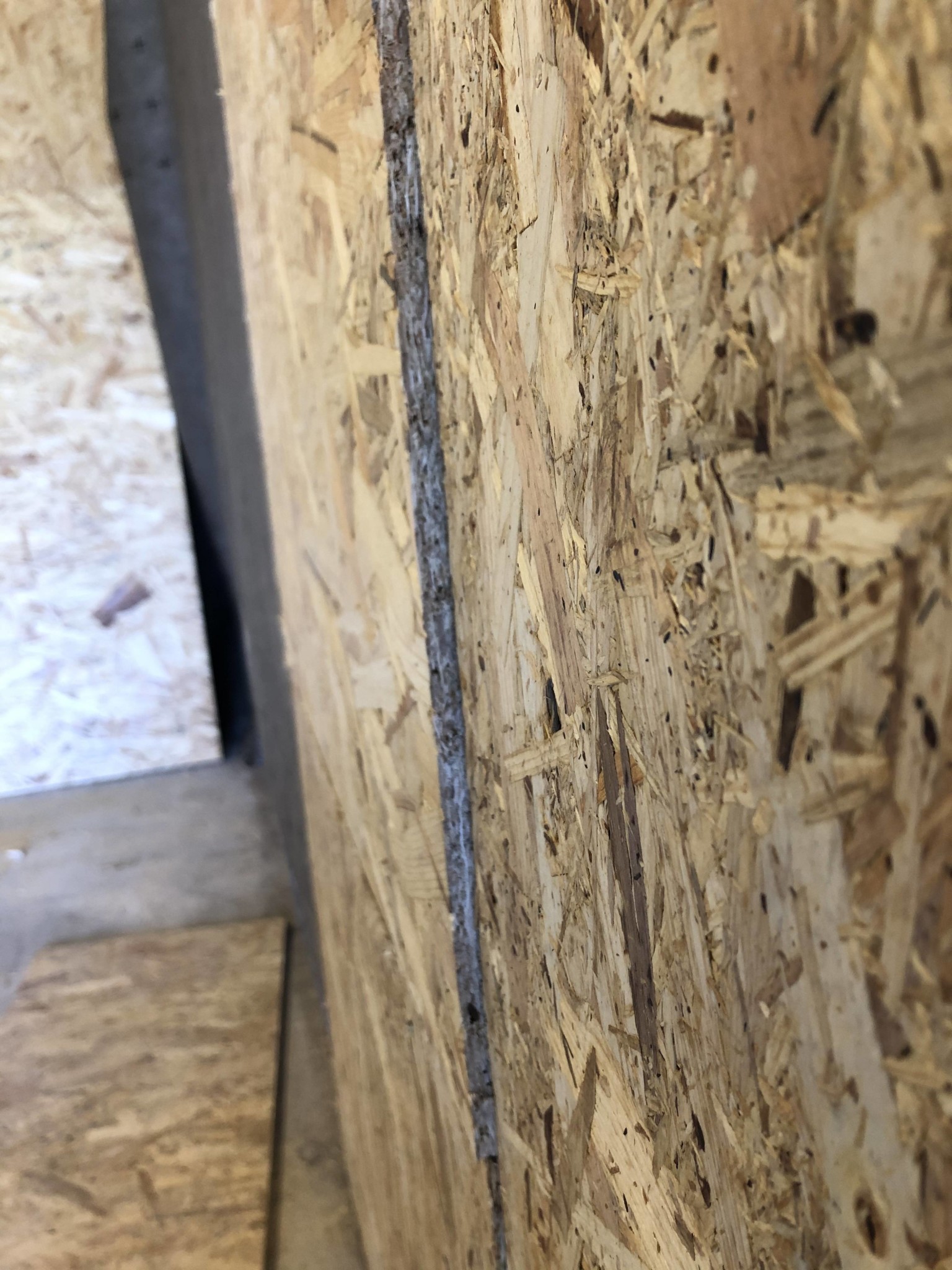
However, I've hit a snag that I believe comes from my own lack of knowledge, as after putting up the OSB boards, I've noticed that there can be a difference of up to 8-10mm in depth at the joint between two boards. I believe the reason for this is that I chose not to have the joints over studs in an attempt to be "smart" and save on material, since the studs that were installed in the mid-70s do not follow any standard regarding center distance and instead vary between 520-740mm. I thought I could almost just go with the width of the boards as is, which quickly turned out to be a mistake. Luckily, I noticed it after putting up half a wall, and the problem resolved itself on the remaining part of the wall when I followed the studs.
To my actual question: considering that 13mm drywall will be installed on top of the OSB, I wonder if this is something that needs to be addressed, for example, to avoid unwanted tensions in the drywall and potential vertical cracks as a result when it gives way? If it should be addressed, is there a simple way to solve it? If this were inside the house, I would redo the wall entirely, but since it's in the garage and the aesthetic demands aren't as high, a simple solution would be appreciated!
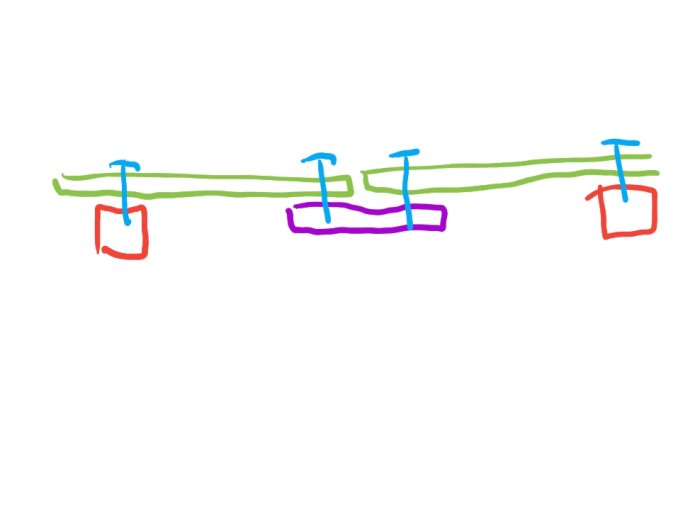
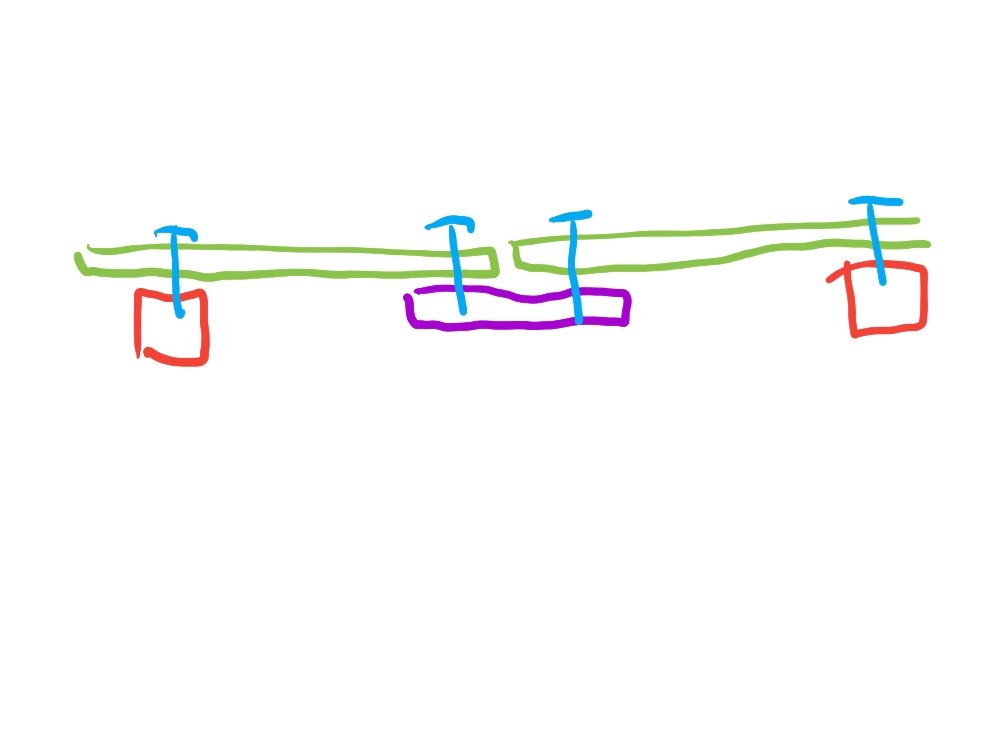
Take down one of the boards, glue-screw a 10cm strip of OSB behind the board that remains, at the joint, put back the other board and also screw into the strip. The level difference is gone.
So you have no control at all near the edge? If you press, does it get better?
You should have taken down the boards and where you can't screw into a batten, place a splice piece behind so you bridge the boards with an extra piece of osb
The unevenness disappears when you screw up the drywall, but for the sake of rigidity, I would have placed some form of strip behind where the joint lands far from a stud.