
9,665 views ·
33 replies
10k views
33 replies
Open up a larger doorway.
We are going to open a doorway on the ground floor that is currently 70cm. We will open it to about 200cm. Above the opening, we will leave 26cm of the wall. So we are not opening all the way to the ceiling. My question is whether it's "just" opening up or if the wall is load-bearing.
Do we need a beam?
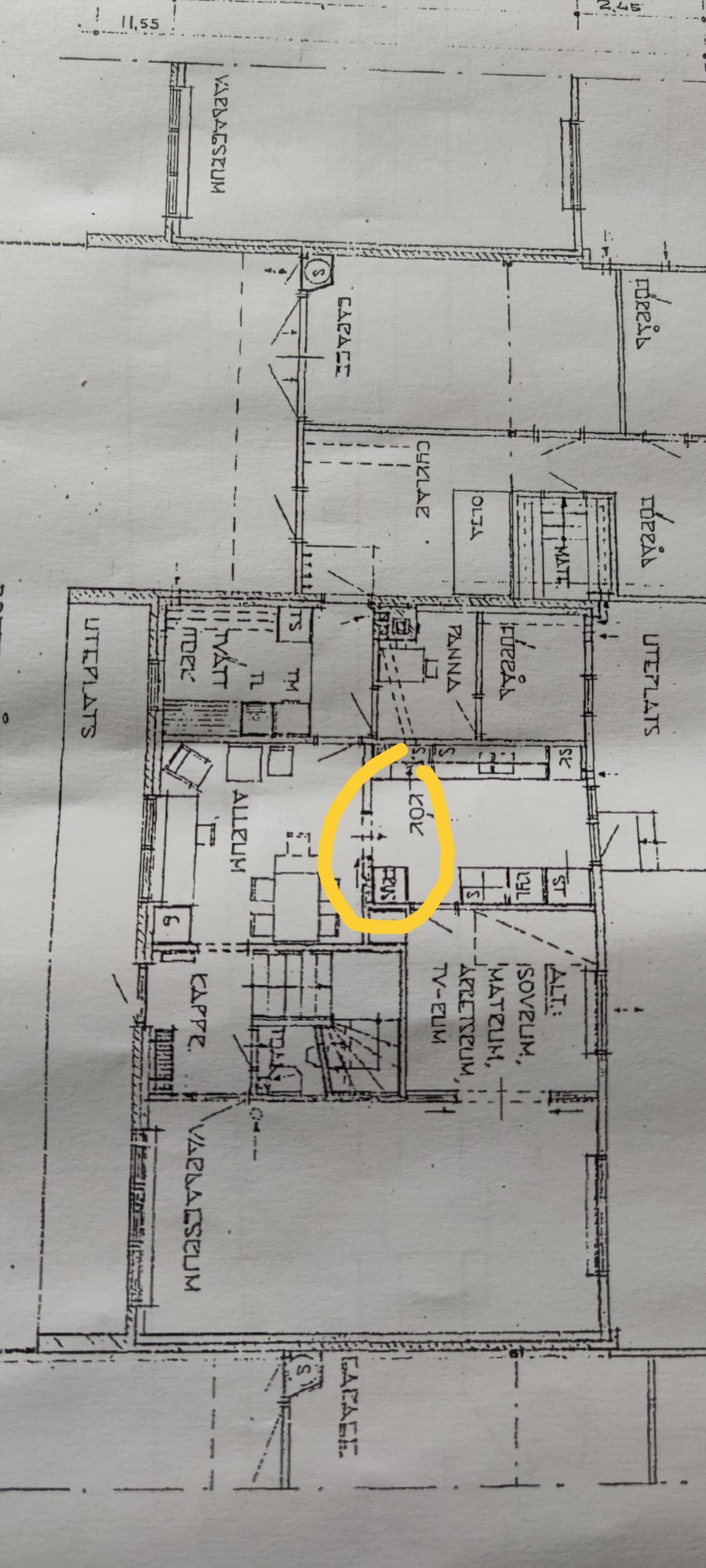
I have marked on the picture where we want to open up.
The house has two floors plus an unfinished attic.
The house is approximately 8 meters wide.
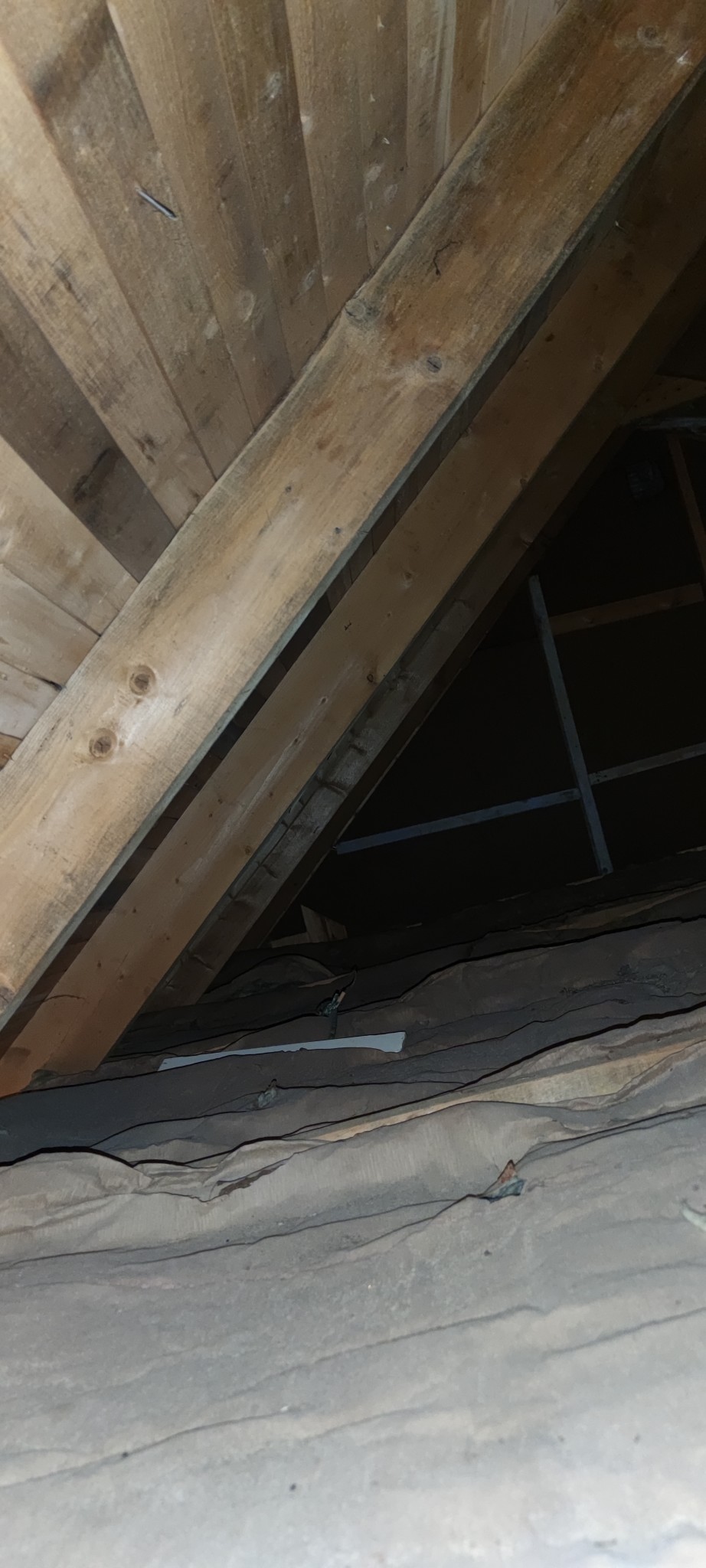
Also uploading a picture of the roof trusses in case it helps.
Do we need a beam?
I have marked on the picture where we want to open up.
The house has two floors plus an unfinished attic.
The house is approximately 8 meters wide.
Also uploading a picture of the roof trusses in case it helps.

I Icemania88 said:We are planning to widen a doorway on the ground floor that is currently 70cm. We plan to open it to about 200cm. Above the opening, we will keep 26cm of the wall. We won't be opening all the way to the ceiling. My question is whether it's "just" about opening it up or if the wall is load-bearing.
Do we need a beam?
I've marked on the picture where we want to open it up.
The house has two floors plus an unfinished attic.
The house is approximately 8 meters wide.
I'm also uploading a picture of the roof trusses in case that can help.
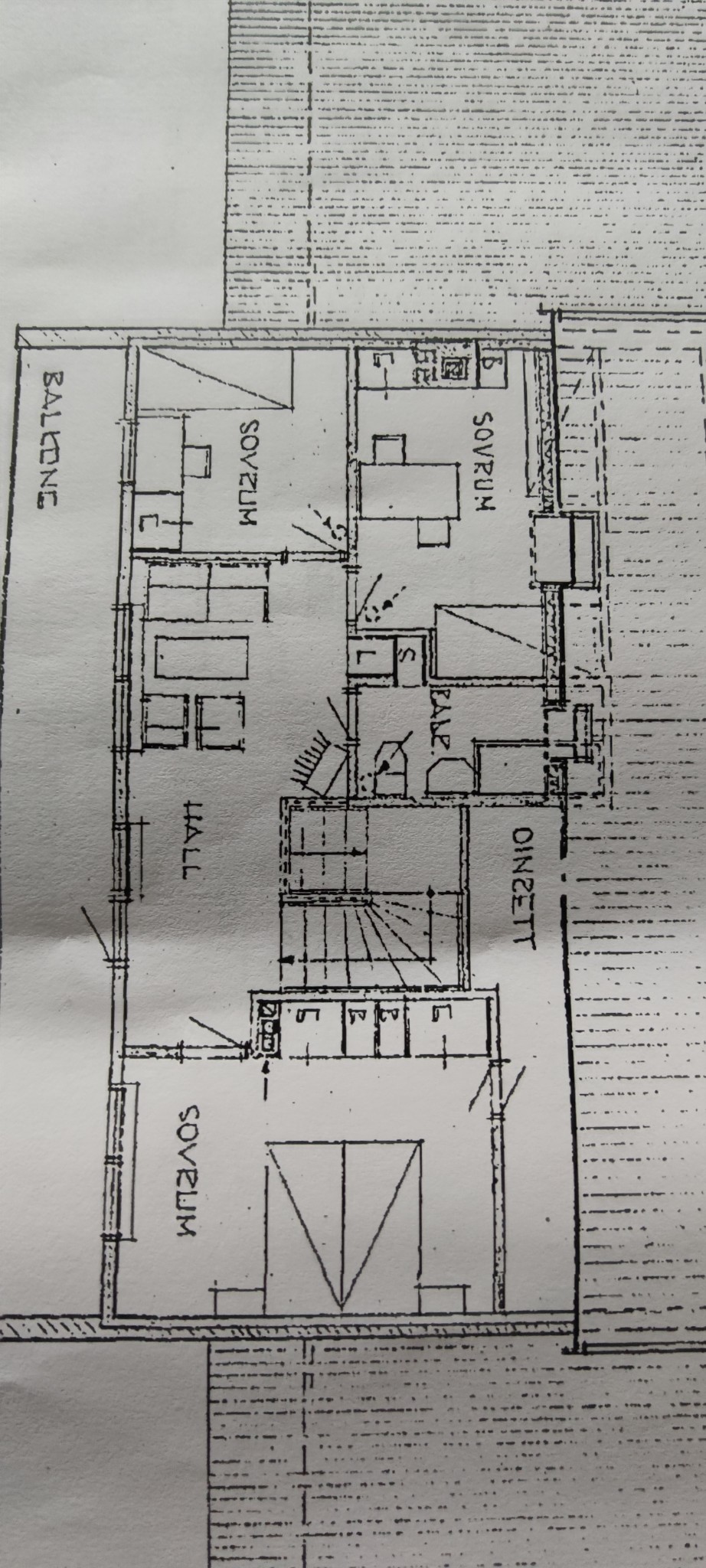
Adding some more pictures. Marked what needs to be removed.

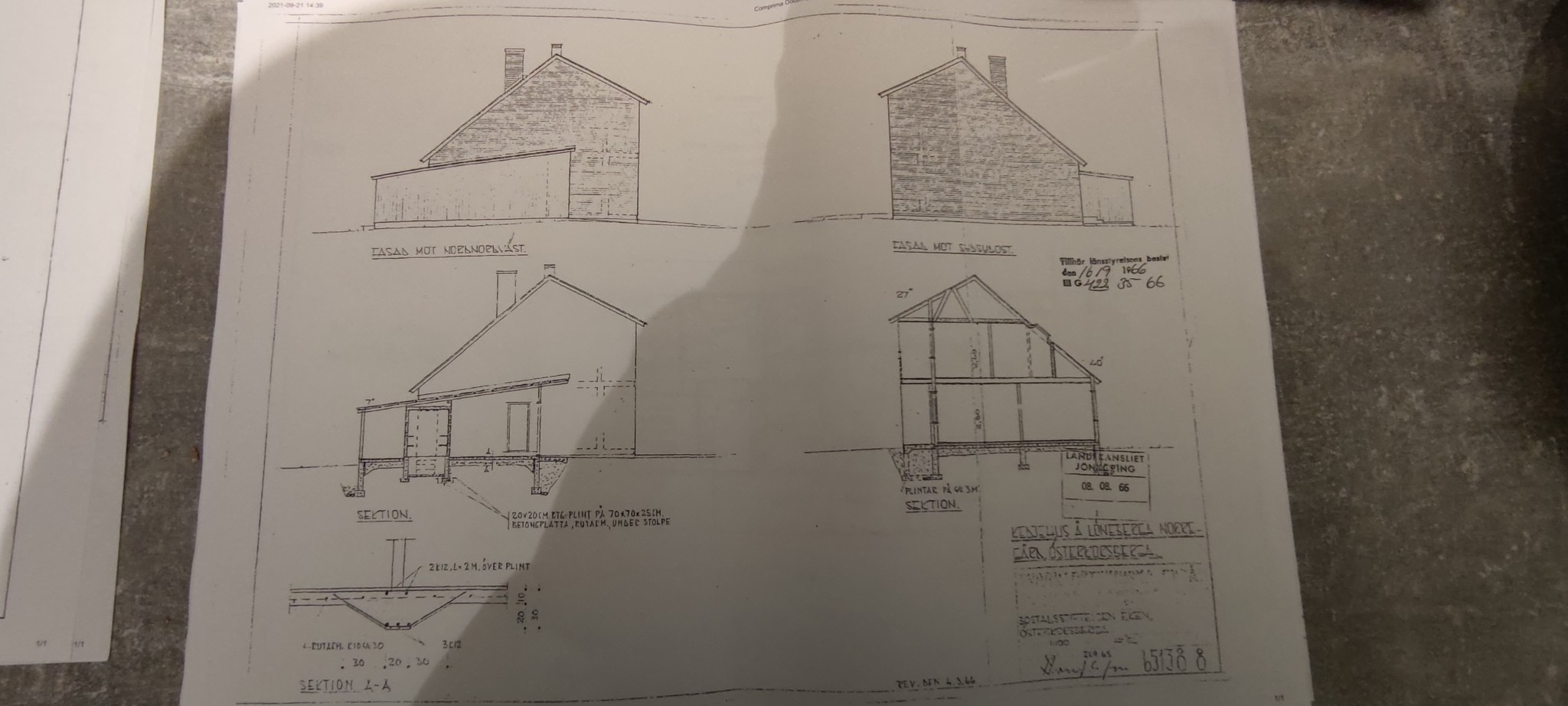
The house is shown from the "wrong" side in that image; I can roughly mark where the wall is. It is not continuous throughout the entire ground floor and is not directly under any wall on the upper floor.1 16386 said:
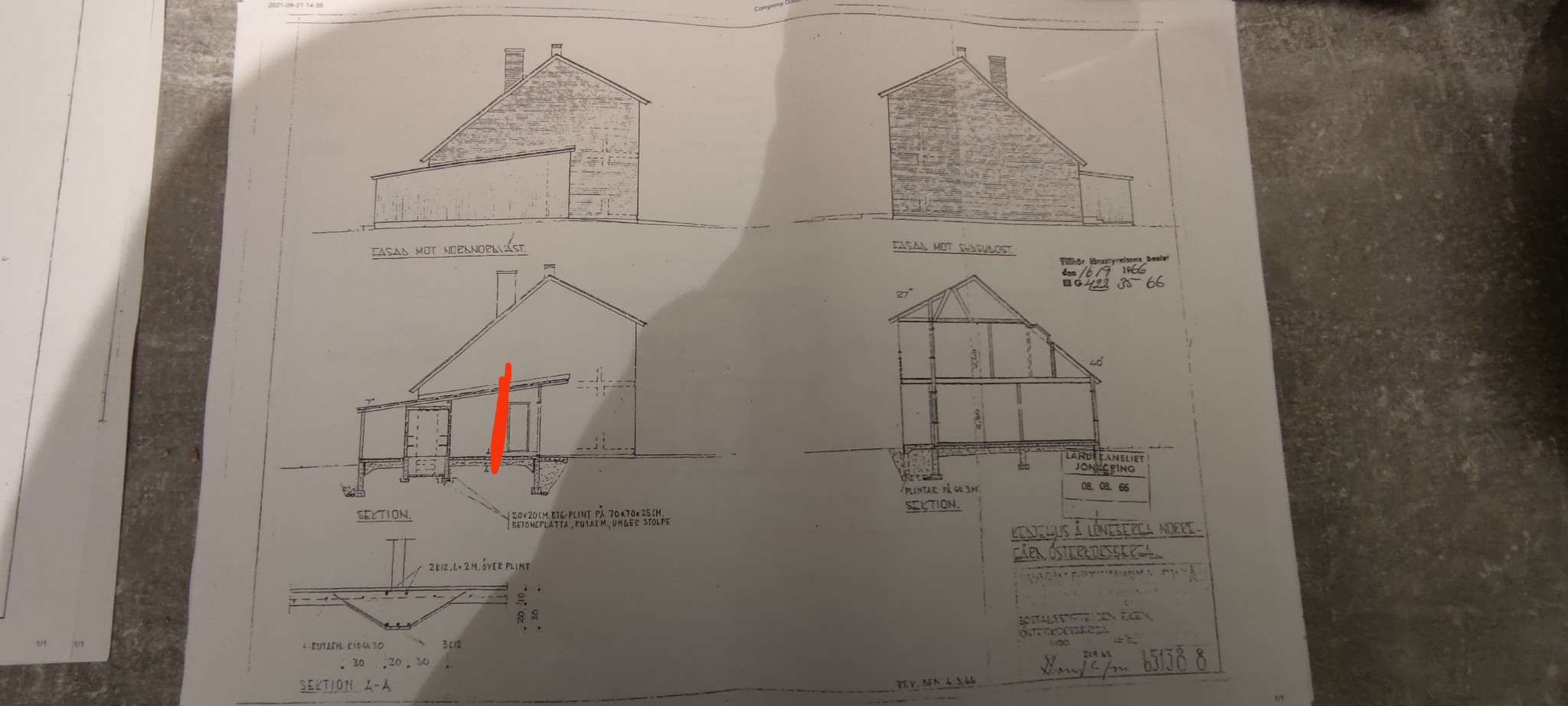
Also thinking that there is no wall running through the living room and it's fine despite the furnished room directly above1 16386 said:

I guess the wall is load-bearing. I think the trusses rest on the wall if I interpret your drawings correctly. There might be a beam above the living room section where the wall is missing.I Icemania88 said:We are going to open up a doorway on the ground floor that is currently 70cm. We are going to open it up to about 200cm. Above the opening, we will keep 26cm of the wall intact. So we are not opening all the way to the ceiling. My question is whether it is "just" a matter of opening it up or if the wall is load-bearing.
Do we need a beam?
I have marked on the picture where we want to open it up.
The house has two floors plus an unfinished attic.
The house is almost exactly 8 meters wide.
I am also posting a picture of the trusses if that might help.
Please note these are guesses. But I wouldn't take a chance. Get an engineer over so it's done correctly.
You're reading the blueprint wrong. The section of the house (on the right) is taken at one of the skylights, and regardless of which one, you end up right in the kitchen.I Icemania88 said:

So there is nothing to deliberate, your wall is load-bearing. (You don't know how the floor structure is built, so you can't just assume from the living room.)
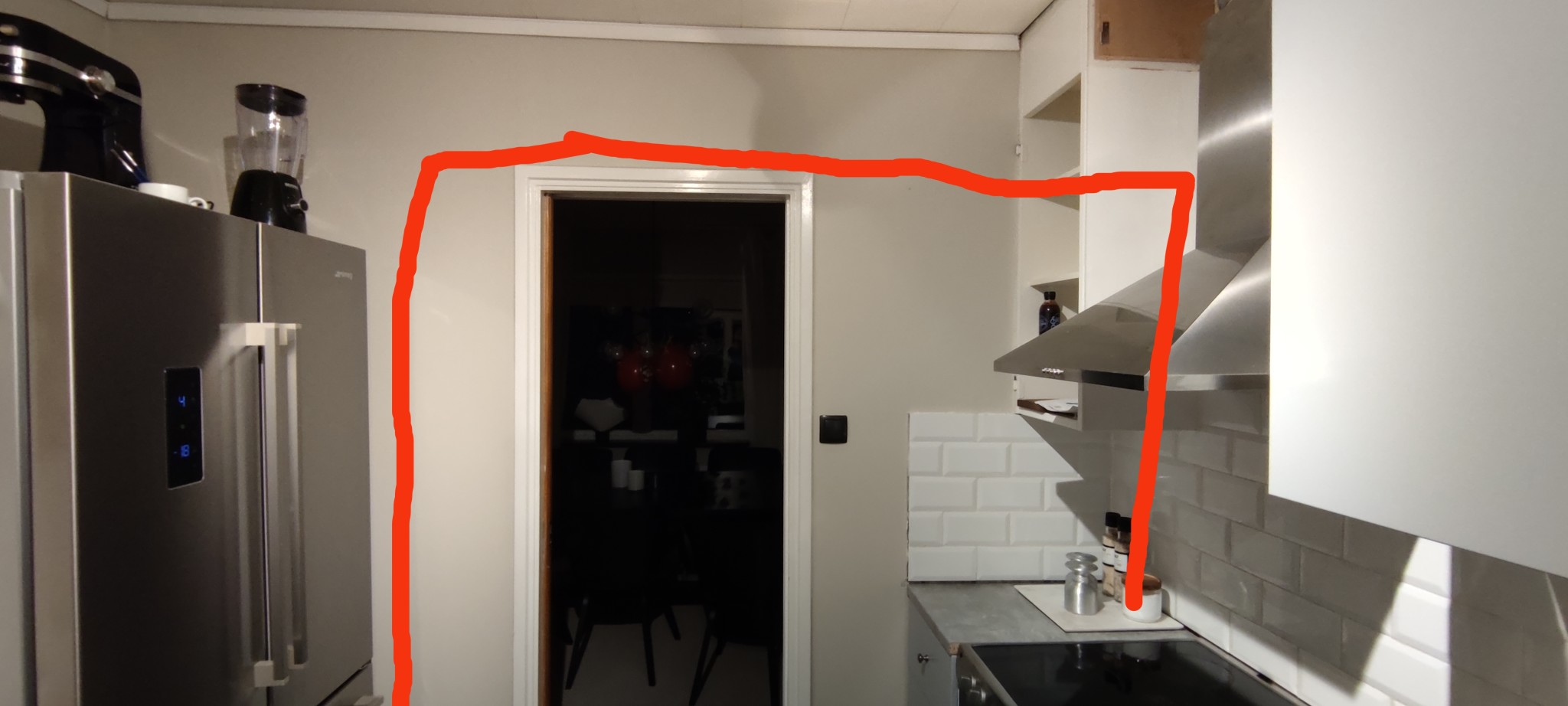
So this wall is load-bearing, as I marked here in the picture now? Just double-checking to make sure I understood you correctly, regardless of whether there is a wall directly above on the upper floor or not.Jetkokos said:
You are reading the drawing incorrectly. The section of the house (on the right) is taken at one of the skylights, and regardless of which one, you end up right in the kitchen.
[image]
So there's nothing to ponder over; your wall is load-bearing. (You don't know how the joists are constructed, so you can't just base it on the living room.)

Yes. According to the section, it does carry load down to the foundation. A wall directly above on the floor above can generally be a good indication that a wall is load-bearing (not always), but the absence of a wall above is not necessarily a good indication of the opposite.I Icemania88 said:
Do you think it's possible to open up the wall a little bit and not as much as we initially planned without taking any additional measures?
Impossible to answer; too many unknowns. You have a sliding door in that wall, so some sort of support should already be in place. Depending on how it's constructed, you might be able to open up at least that width, but you can't assume that without seeing the construction.I Icemania88 said:
It's really time to bring in a local engineer who can both inspect on site and also take responsibility for it.
Took some photos in the sliding door opening. I understand that the wall is unfortunately load-bearing, the question is whether it's safe to open up a little bit.Impossible to answer; too many unknowns. You have a sliding door in that wall, so some kind of support should already be in place. Depending on how it's constructed, you might be able to open at least that width, but you can't assume that without seeing the construction.
It's really time to bring in a local engineer who can both inspect on-site and also take responsibility for it.


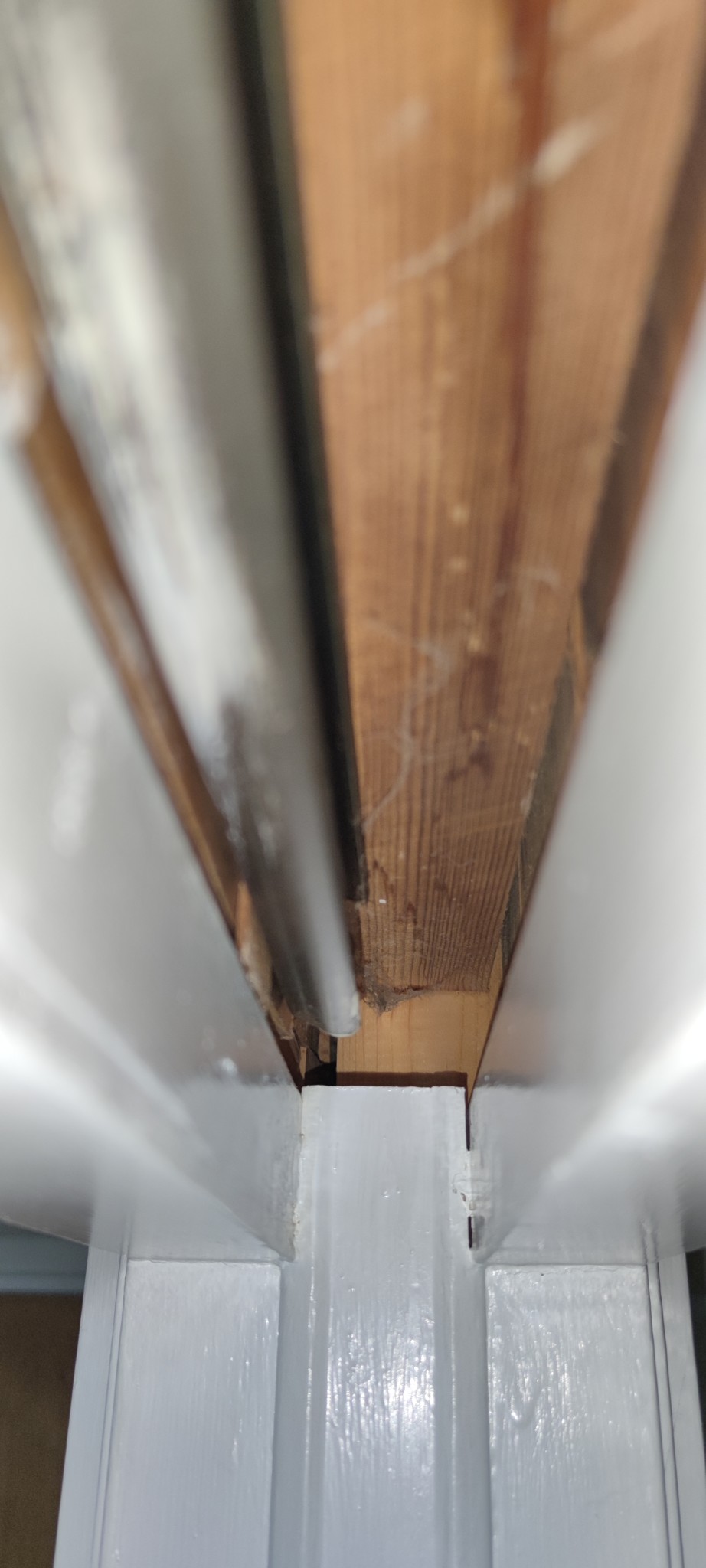
If you've decided on a larger door opening, strip the wall from one side, making it easier for you and the engineer to see. You can also remove the sliding door if you feel like it. Most likely, there's some form of wooden beam above the sliding door.I Icemania88 said: