
Our beloved and old house, which we have been postponing renovations on for a long time because we don't live in that city yet, has now started to show signs of wear, and the renovation we have been avoiding is becoming unavoidable. So, now we will have a complete plumbing replacement and along with that - kitchen, bathroom, and an extension.
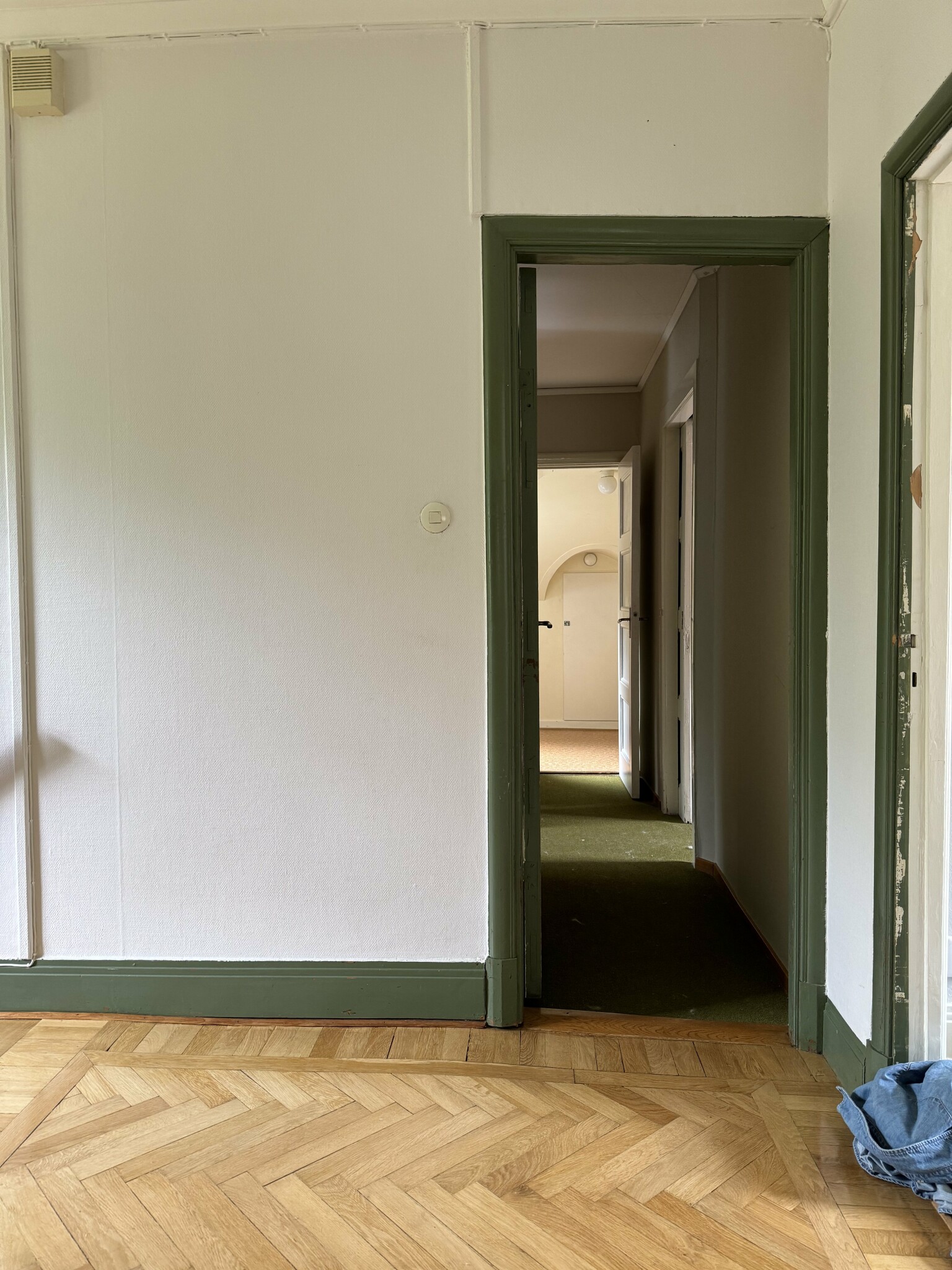
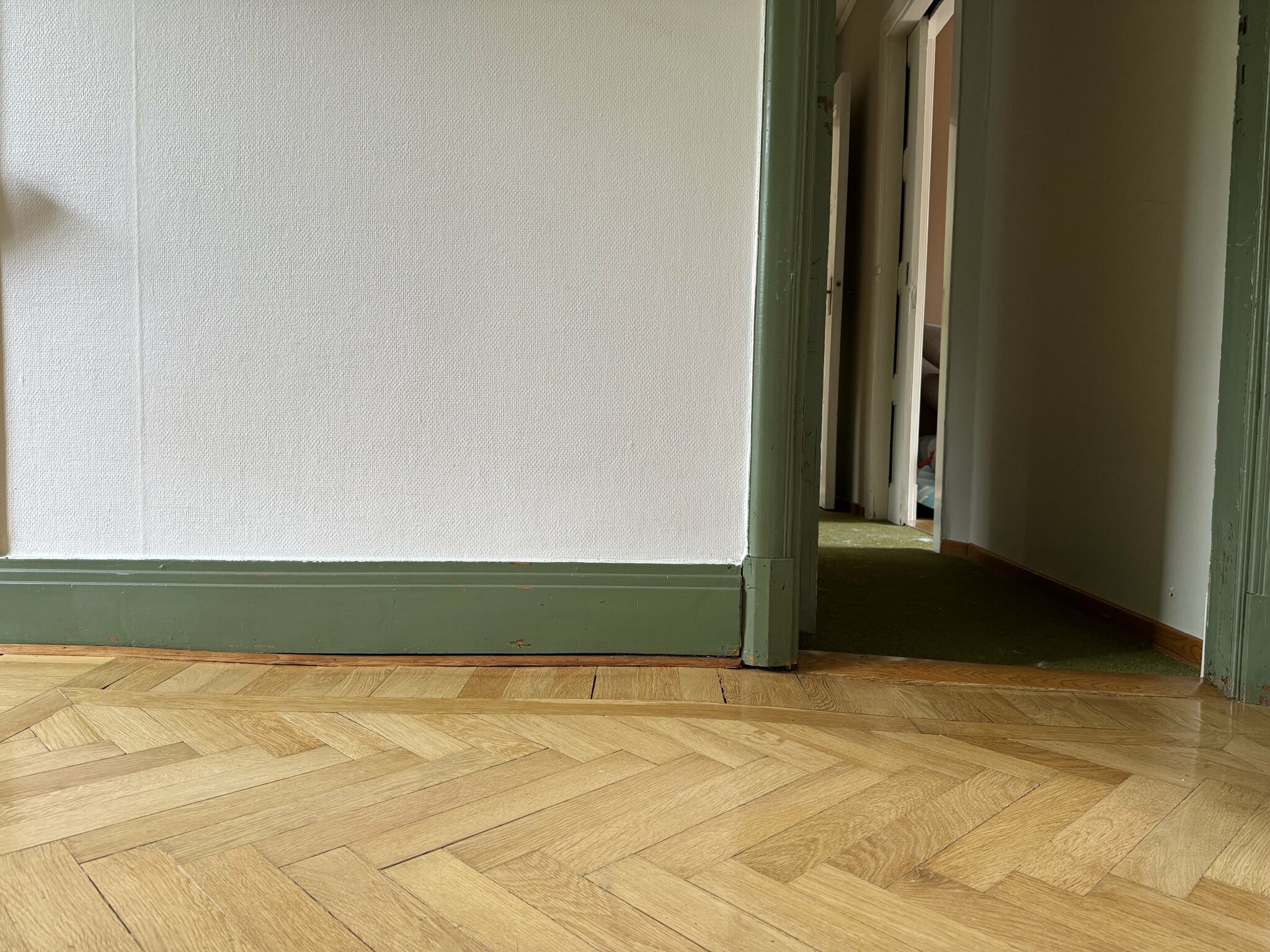
BUT - to the thread's topic, the house is from 1923, and on the upper floor, there is an old subsidence that makes the hallway floor tilt, making you feel drunk. We're probably talking about 2-3 cm over 2 m. But you can tell that the subsidence is old because the last renovation was done in the 60s/70s, and they have cut out the door frame so the door can close and no cracks are visible (the walls are also from the 60s/70s). Below, there is no wall but a large living room, and the ceiling in the living room looks completely intact and does not slope. It almost seems like it's the upper floor's beams that have failed? It should slope the other way if it were the chimney (which carries the load in the middle of the house) and that structure that has settled. Can't find any cracks in the basement.
Should one worry or just see it as an old house that has settled and now stands as it is?
BUT - to the thread's topic, the house is from 1923, and on the upper floor, there is an old subsidence that makes the hallway floor tilt, making you feel drunk. We're probably talking about 2-3 cm over 2 m. But you can tell that the subsidence is old because the last renovation was done in the 60s/70s, and they have cut out the door frame so the door can close and no cracks are visible (the walls are also from the 60s/70s). Below, there is no wall but a large living room, and the ceiling in the living room looks completely intact and does not slope. It almost seems like it's the upper floor's beams that have failed? It should slope the other way if it were the chimney (which carries the load in the middle of the house) and that structure that has settled. Can't find any cracks in the basement.
Should one worry or just see it as an old house that has settled and now stands as it is?

Given that the settling is old, there is no danger at all. It is a settling that occurred when the house was built or possibly during some renovation. It has now settled to a level where it cannot sink further.
It is not impossible that a small construction error was made when building/renovating the joists. If it looks straight in the ceiling on the floor below, then it's just a matter of tearing away the floorboards and laying thin strips of wood on the floor joists to make them straight. Then lay a new floor.
It is not impossible that a small construction error was made when building/renovating the joists. If it looks straight in the ceiling on the floor below, then it's just a matter of tearing away the floorboards and laying thin strips of wood on the floor joists to make them straight. Then lay a new floor.

Tomture61
Self-builder
· Född i Luleå
· 6 578 posts
Tomture61
Self-builder
- Född i Luleå
- 6,578 posts
Pictures don't say everything, but is it an optical illusion? I think 1 m to the left to right door trim looks more like it's sunk 5-6 cm.N Naiv entusiast said:Our beloved and old house, which we have postponed renovating for a long time due to not living in that city yet, has now begun to give way, making the renovation we've been putting off unavoidable. So now it's a complete plumbing system replacement and with it- kitchen, bathroom, and extension.
BUT- to the thread's topic, the house is from 1923 and on the upper floor, there is an old settlement that makes the hallway floor tilt so you feel drunk. We're talking probably 2-3 cm over 2 m. But it's noticeable that the settlement is old since the last renovation was done in the 60s/70s, and they have then cut out the doorframe so that the door can close and no cracks are visible (the walls are also from the 60s/70s). Underneath, there is no wall but a large living room, and the ceiling in the living room looks completely intact and does not tilt. It almost seems like it's the upper floor's joists that have failed? It should tilt the other way if it were the chimney (which has bearing in the middle of the house) and that bearing that's settled. I find no cracks in the basement.
Should one be worried or just see it as an old house that has settled and now stands as it stands?
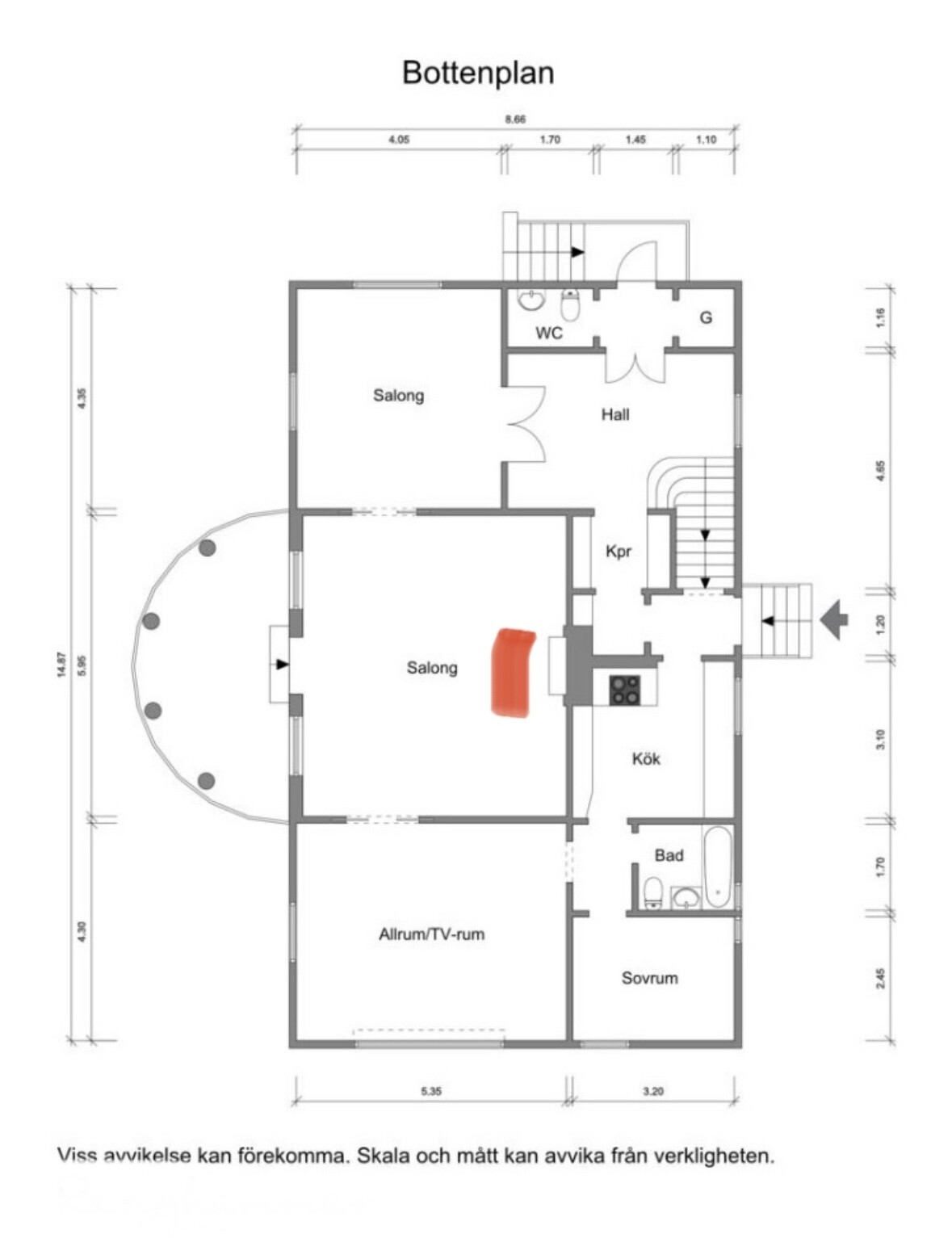
Is it possible to get under the floor, to the foundation, and get an idea of what's happening with the joists?
Is there a chimney nearby, where it has sunk?
How does it look from the outside, roof ridge, is it straight or?
Last edited:
It's probably somewhat of an optical illusion, it's not that much. It's more accurate in picture two. But the slope increases significantly from the left side of the door and the last meter towards the wall. There, it's probably a difference of 2 cm over 80-90 cm. In total from the stairs to the wall, it's probably about 3-4 cm, but it gets steeper at the doorpost.

Click here to reply