I'm about to replace some paneling on a bay window and have started to prepare a bit.
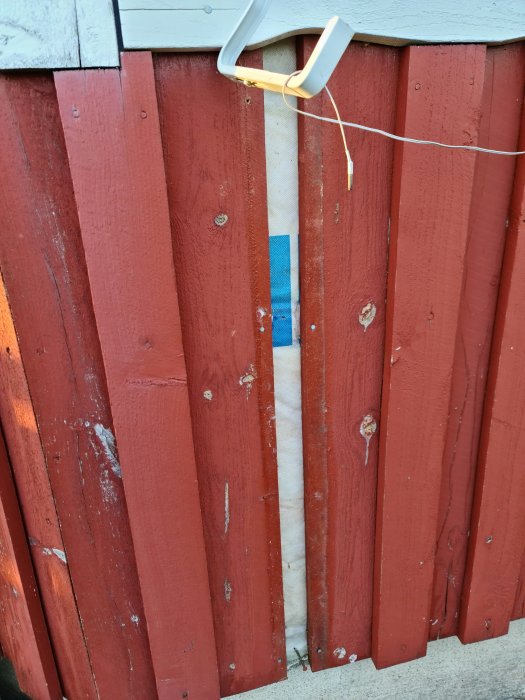
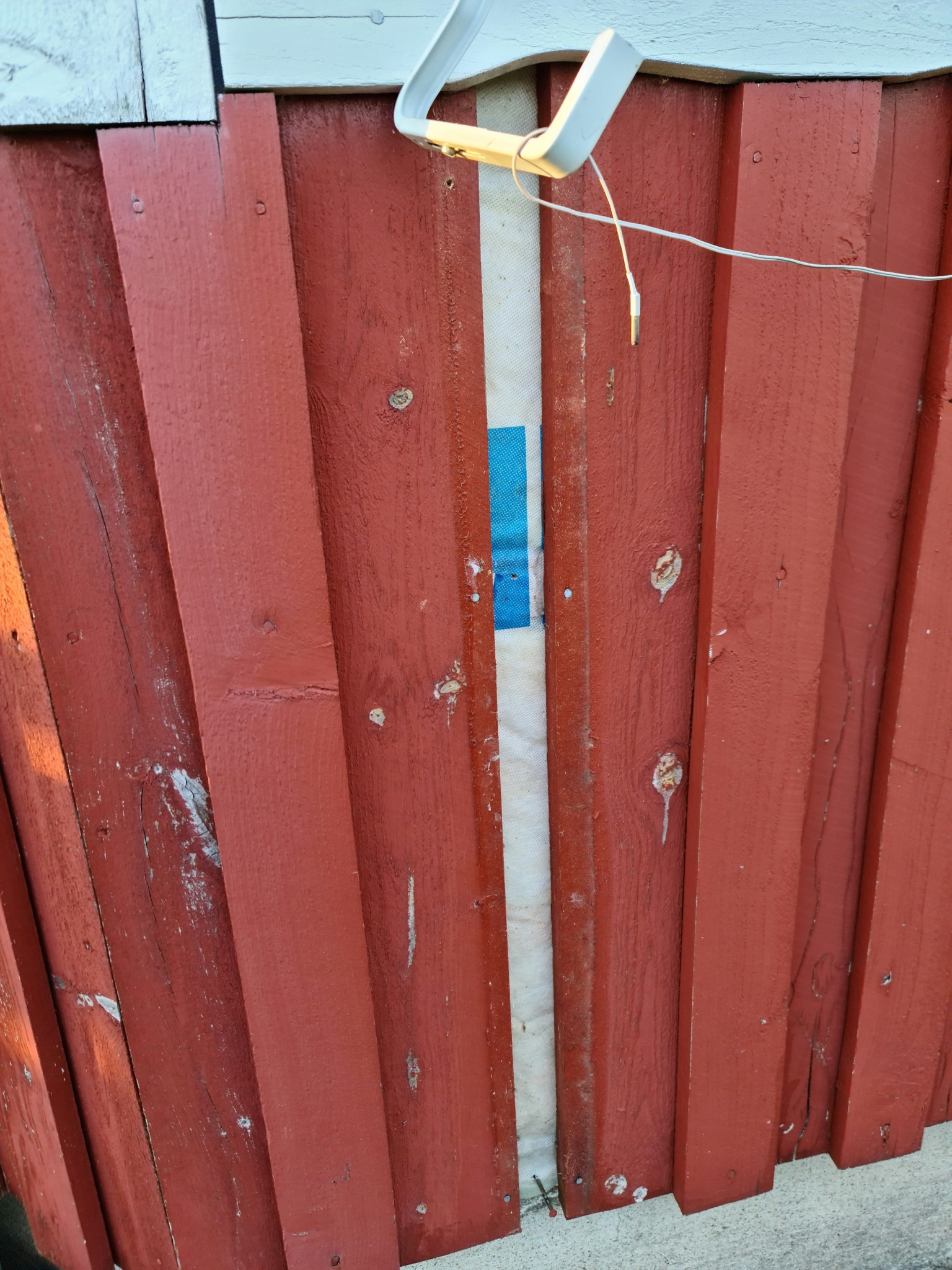
I removed a plank and saw to my surprise that there's no battens on the wind barrier but rather horizontal studs in which the insulation lies, with the wind barrier over this and then the panel nailed to it. It seems like that's the case because there surely can't be double layers of the wind barrier.
It seems to work for the house since in these 20 years only a few boards have gone bad and these I'm going to replace now. But is the gap behind the cover slats enough for ventilation, or should I consider replacing all the paneling to create a proper ventilation gap in the near future? Was this how it was done 20 years ago, or did someone take a shortcut?
Probably have something similar after additional insulation in the 80s. It can certainly work with breathable paints, I am a little concerned here as the owners between us and those who renovated have painted with modern paints.
I probably have something similar after an additional insulation in the 80s. It could work with open paints, I'm a bit worried here since the owners between us and those who renovated have used modern paints.
Following with interest.
I have no idea what paints were used previously but it seems to have worked. The house is supposed to be painted this year, so one has to ensure using an open paint in that case.
It was a bit of a shock since I thought it was built properly by today's standards.
I was recommended Beckers perfect oil paint for my house since it doesn't have nail battens or an air gap. The house was previously painted with an alkyd paint about 30 years ago, and it seems to work as I haven't seen any moisture damage. So my tip is oil paint. But there's probably someone with a better suggestion.
If you're trying to see some solutions to this, the obvious one is to replace the façade and get it done properly.
But since the paneling is mostly fine, a repaint is planned for this summer.
Could one dismantle the existing paneling, replace the wind barrier in spots where it's bad if that's the case, add battens on top of the existing horizontal studs behind the wind barrier, then put the existing paneling back up (poor and broken boards replaced, of course) and add trim to the windows to accommodate the part where the façade comes out, new flashings and new air intakes to reach the longer distance.
If that's the case, it's something I can do this summer when finances allow such an operation. Can parts of the house be done at different times, e.g., half the house this year and the other half next year or similar?
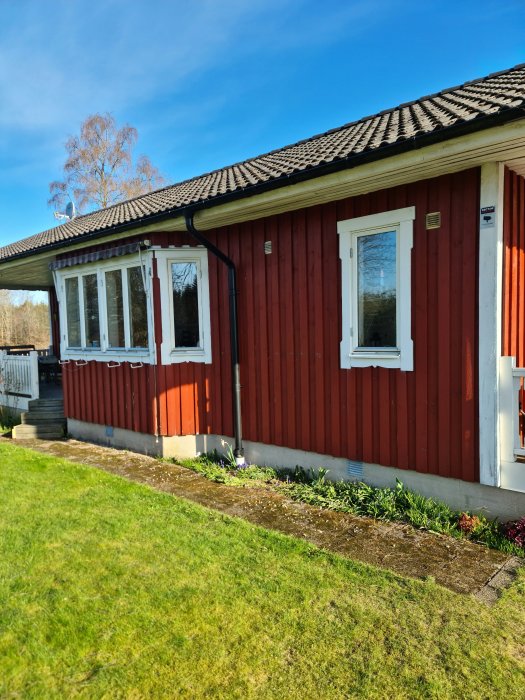
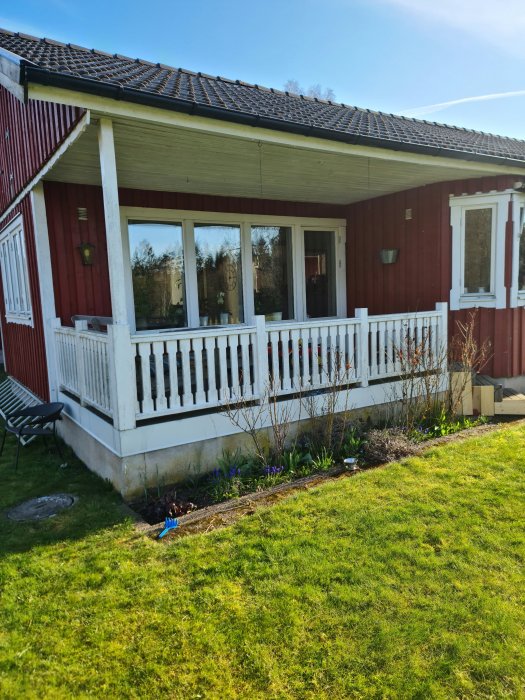
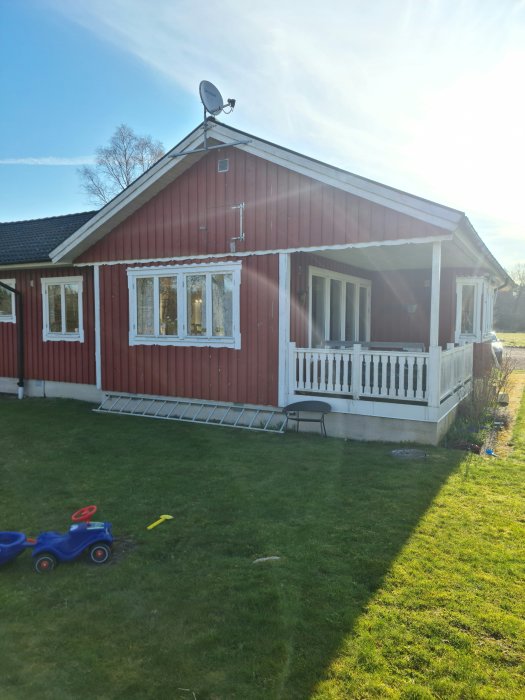
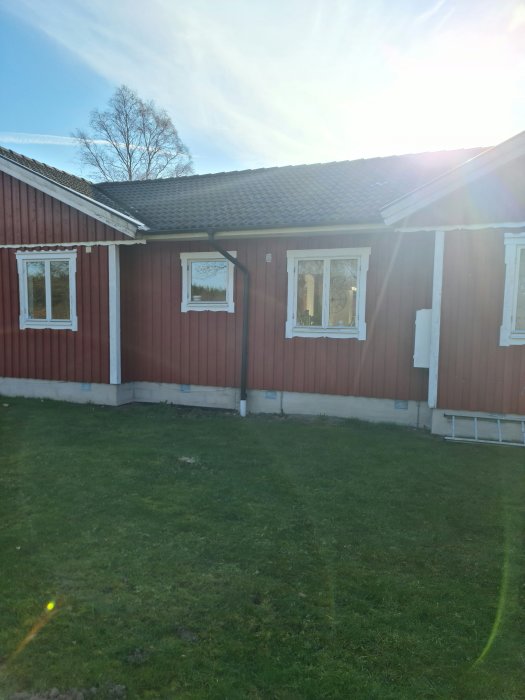
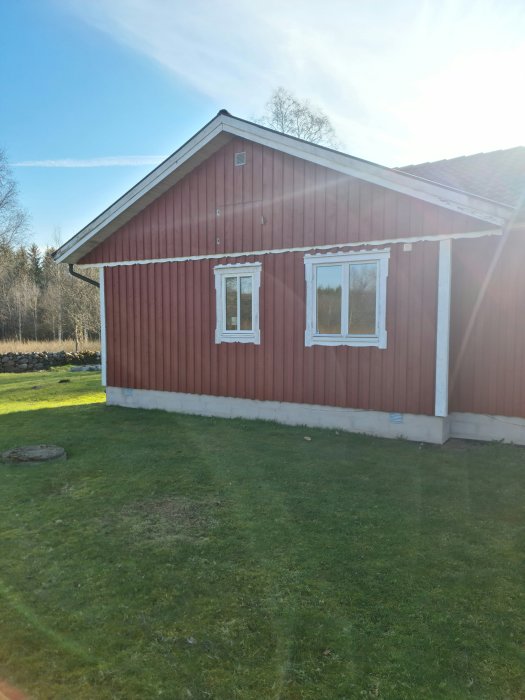
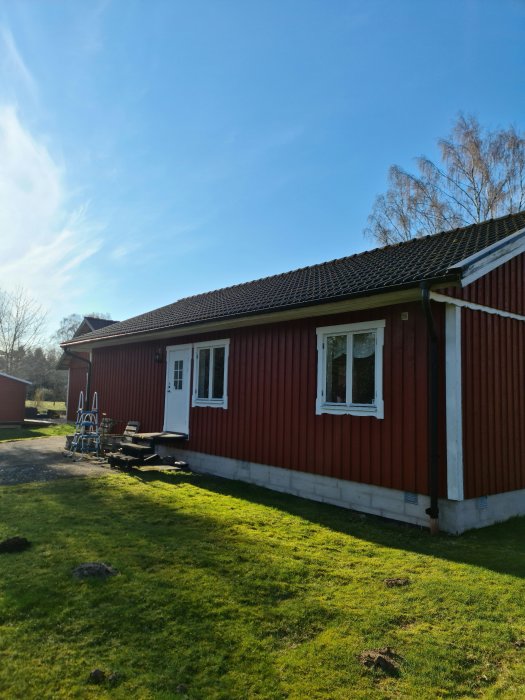
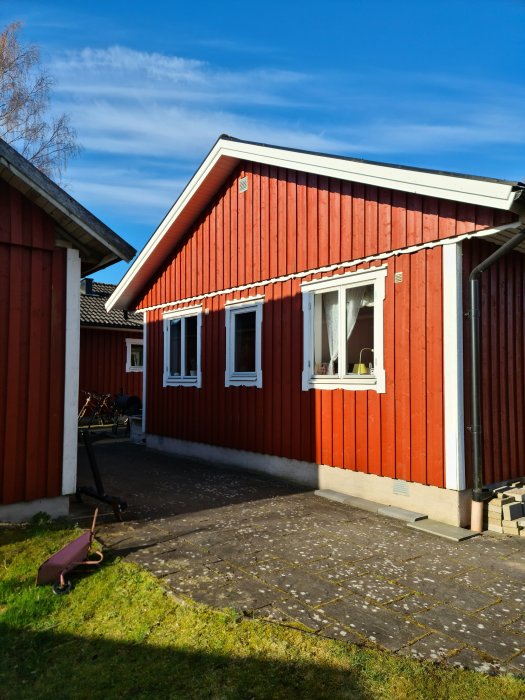
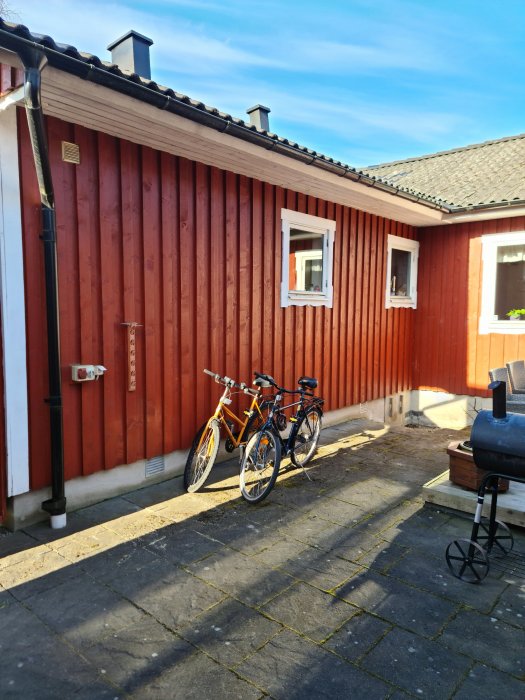
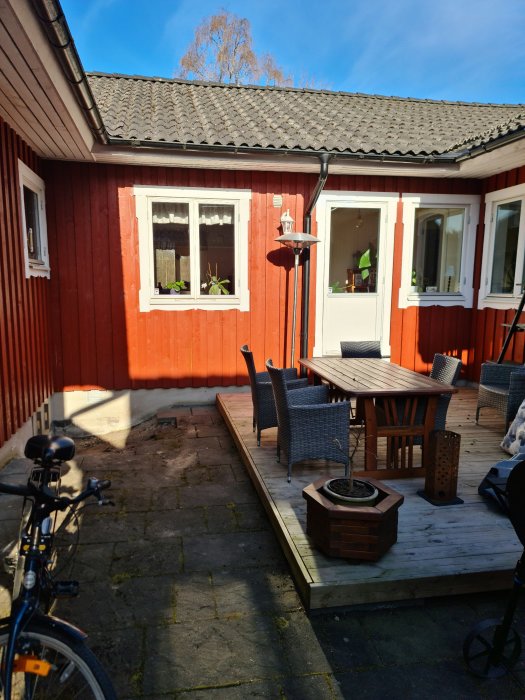
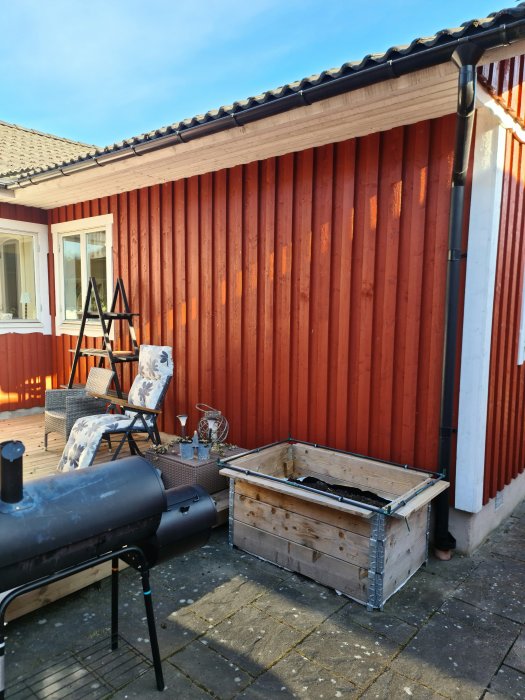
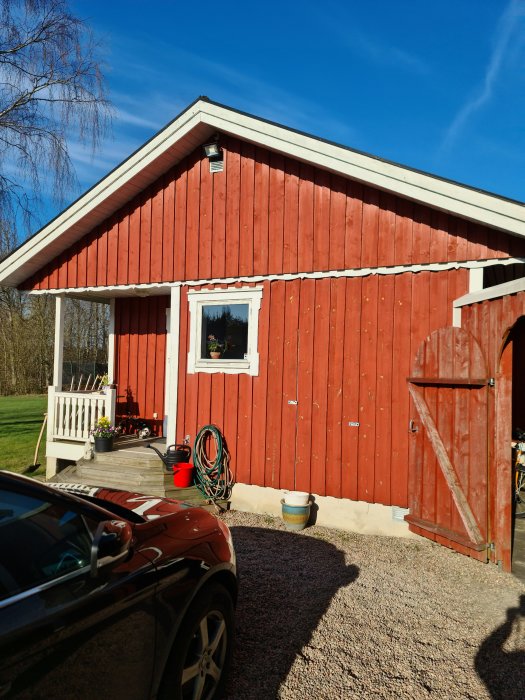
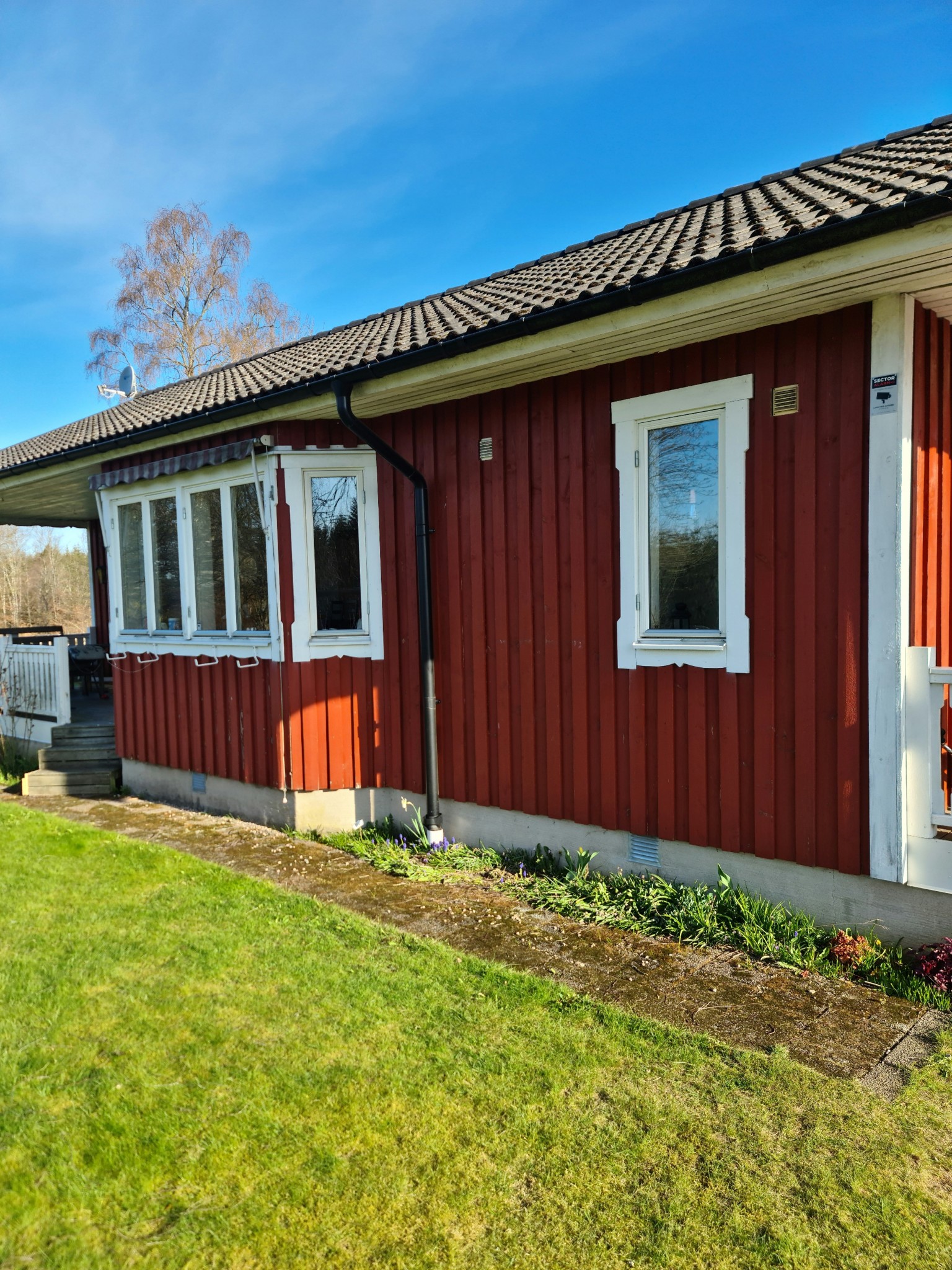
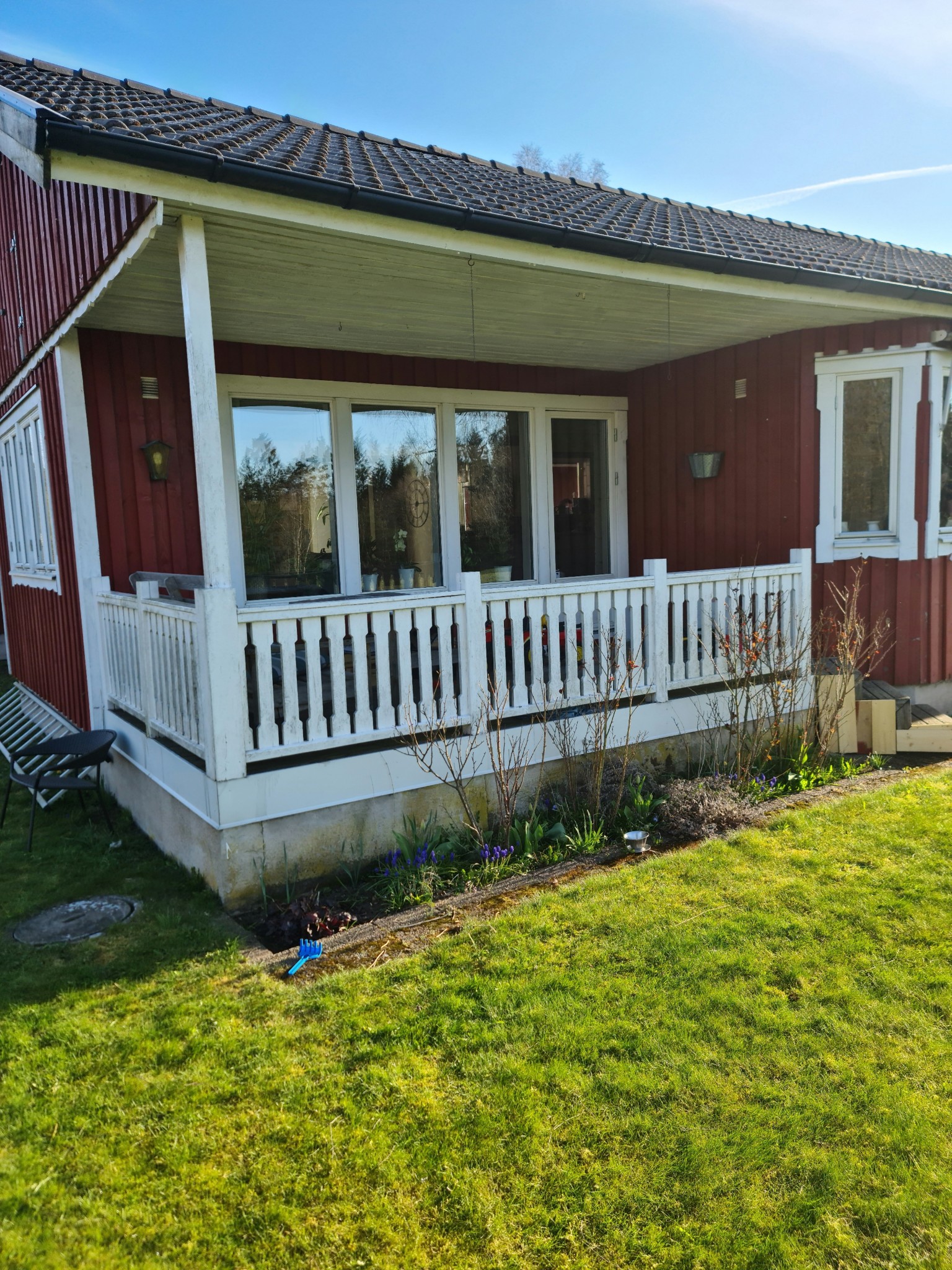
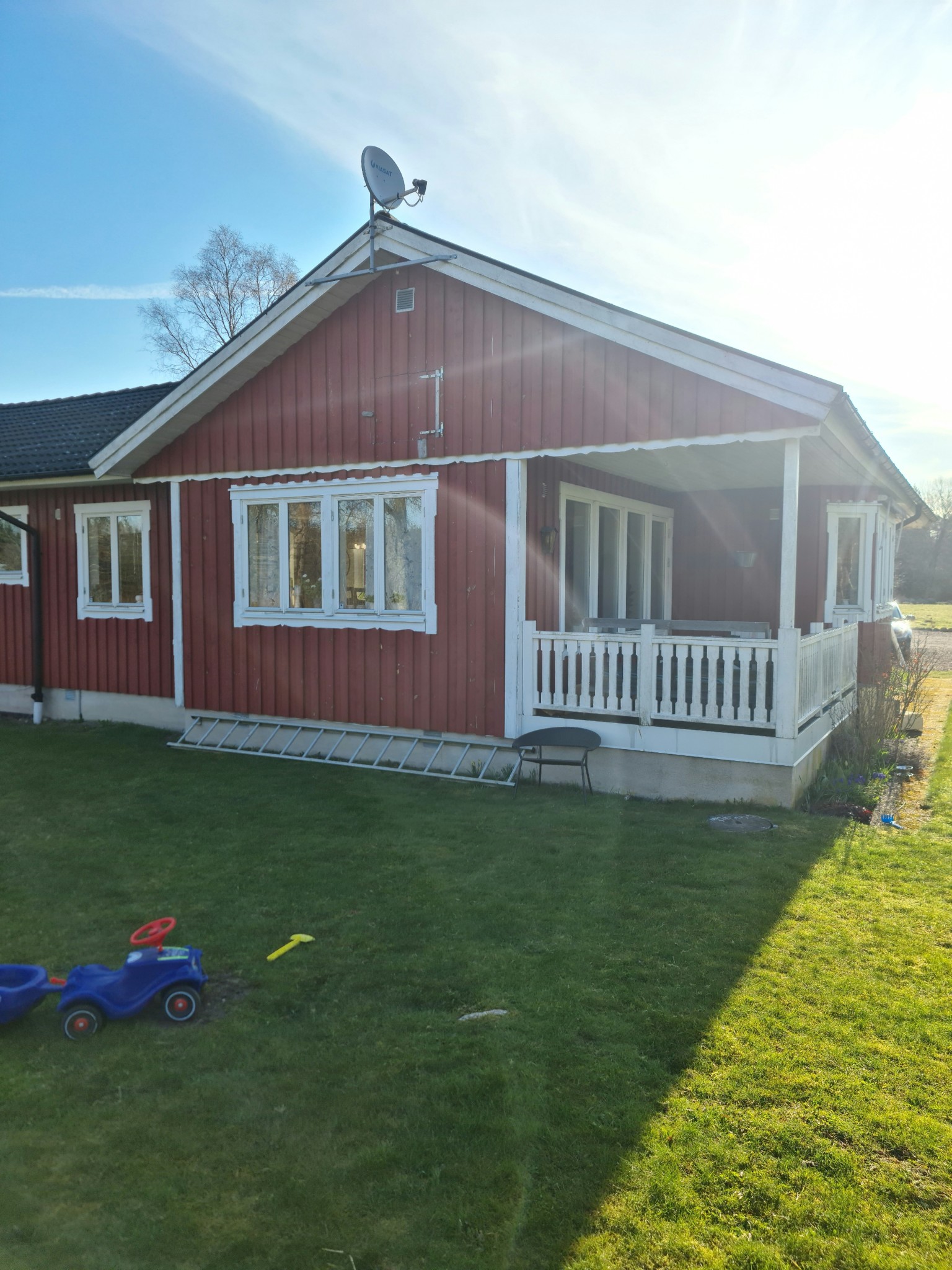
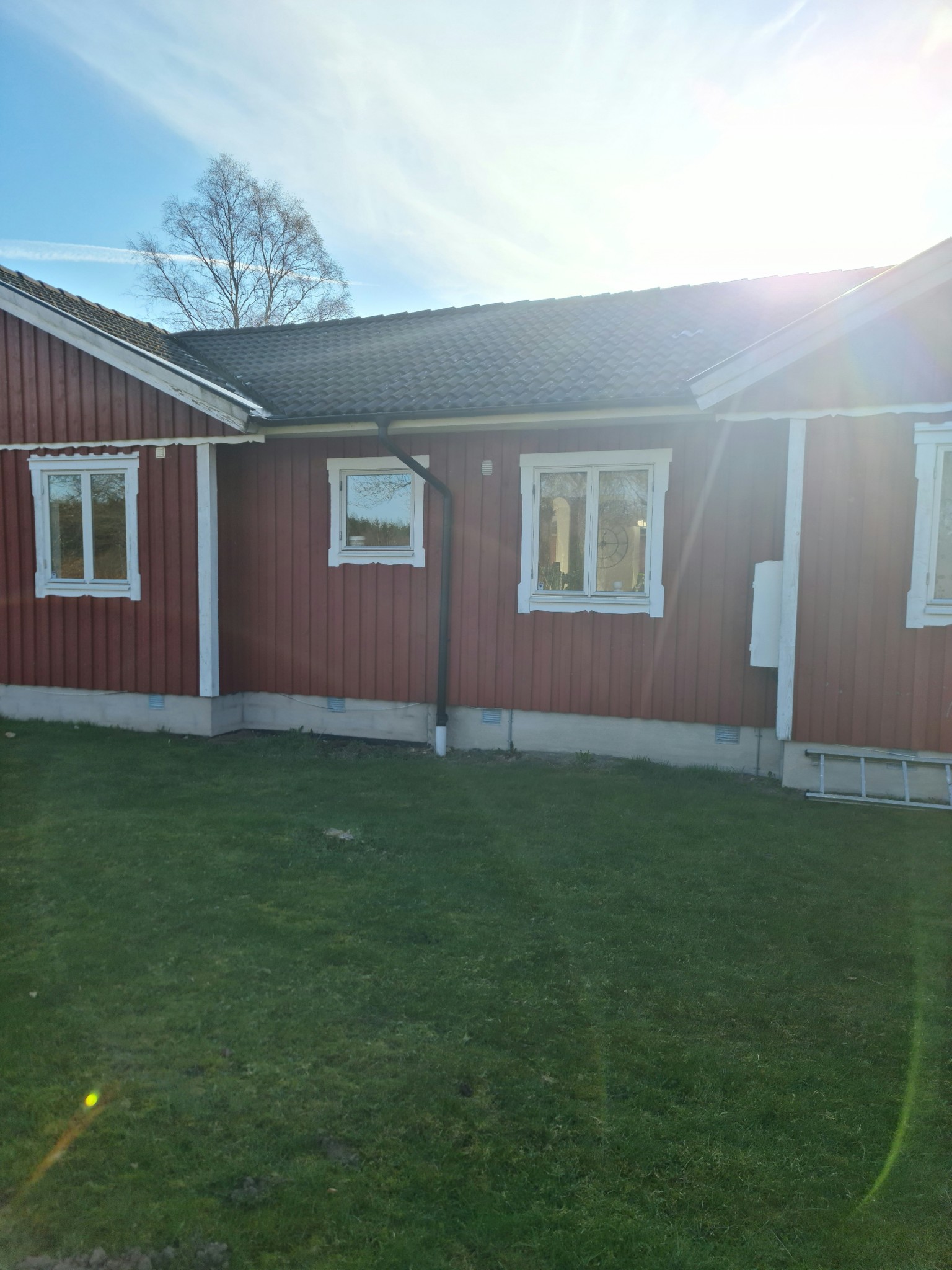
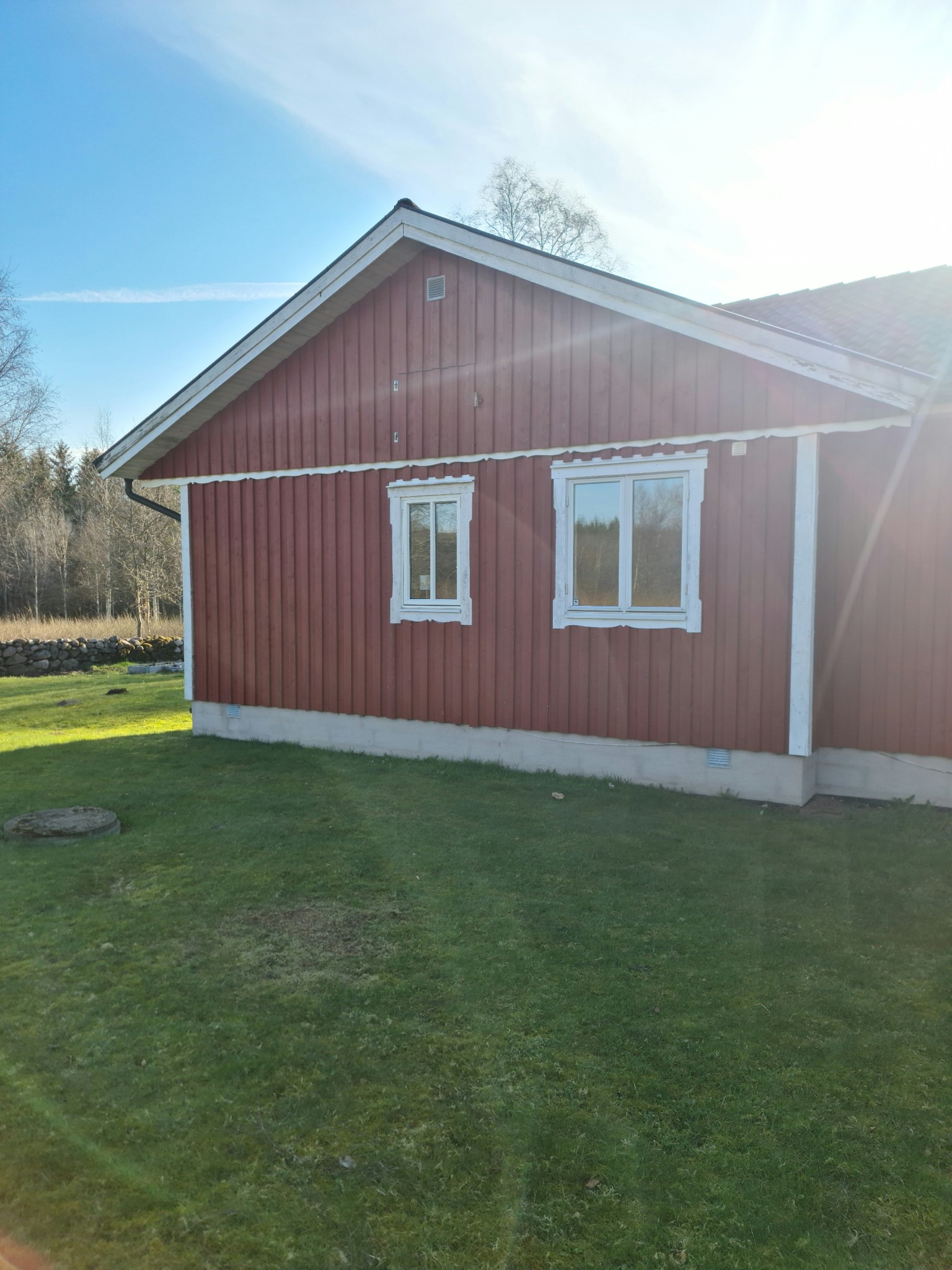
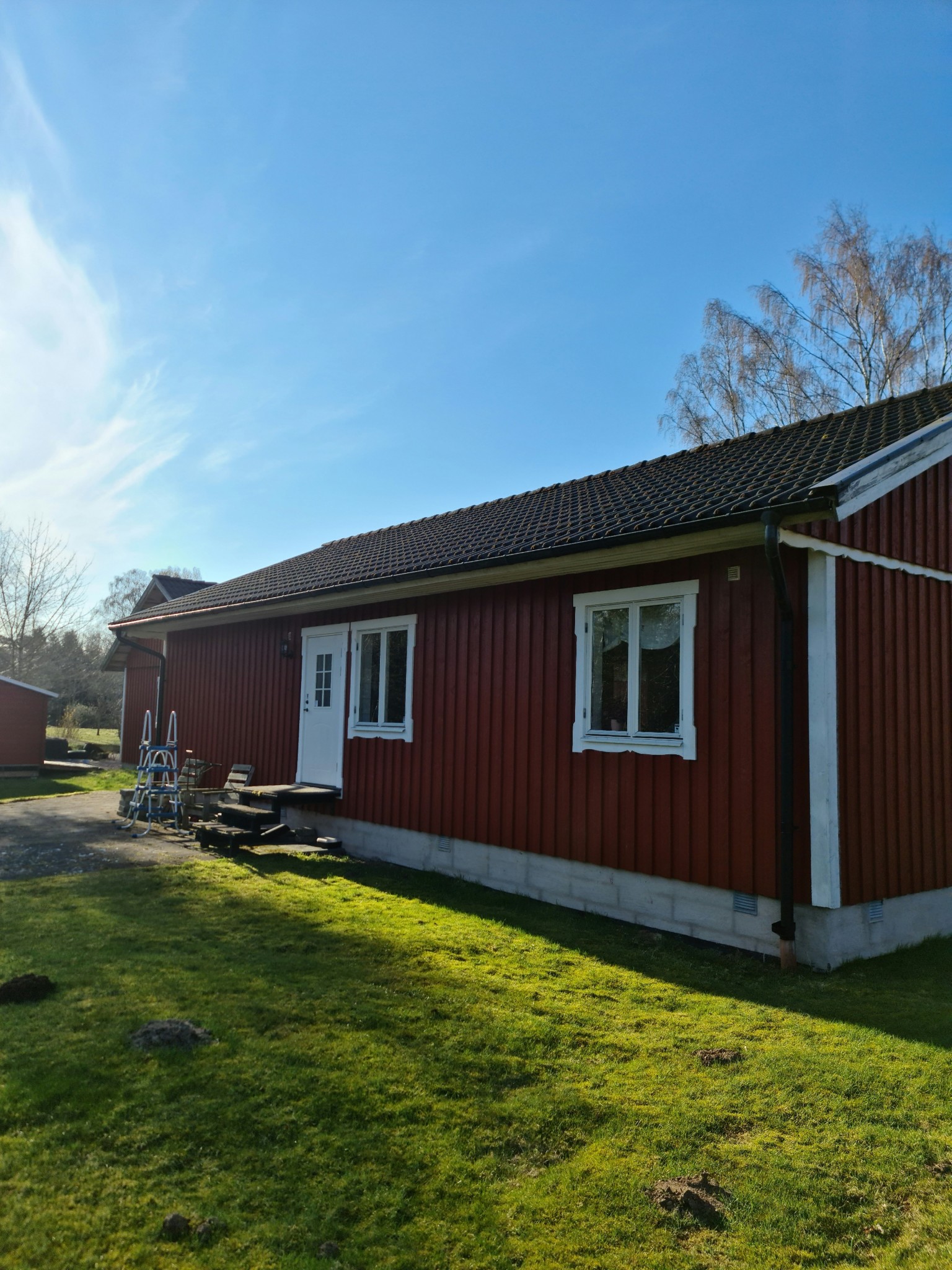
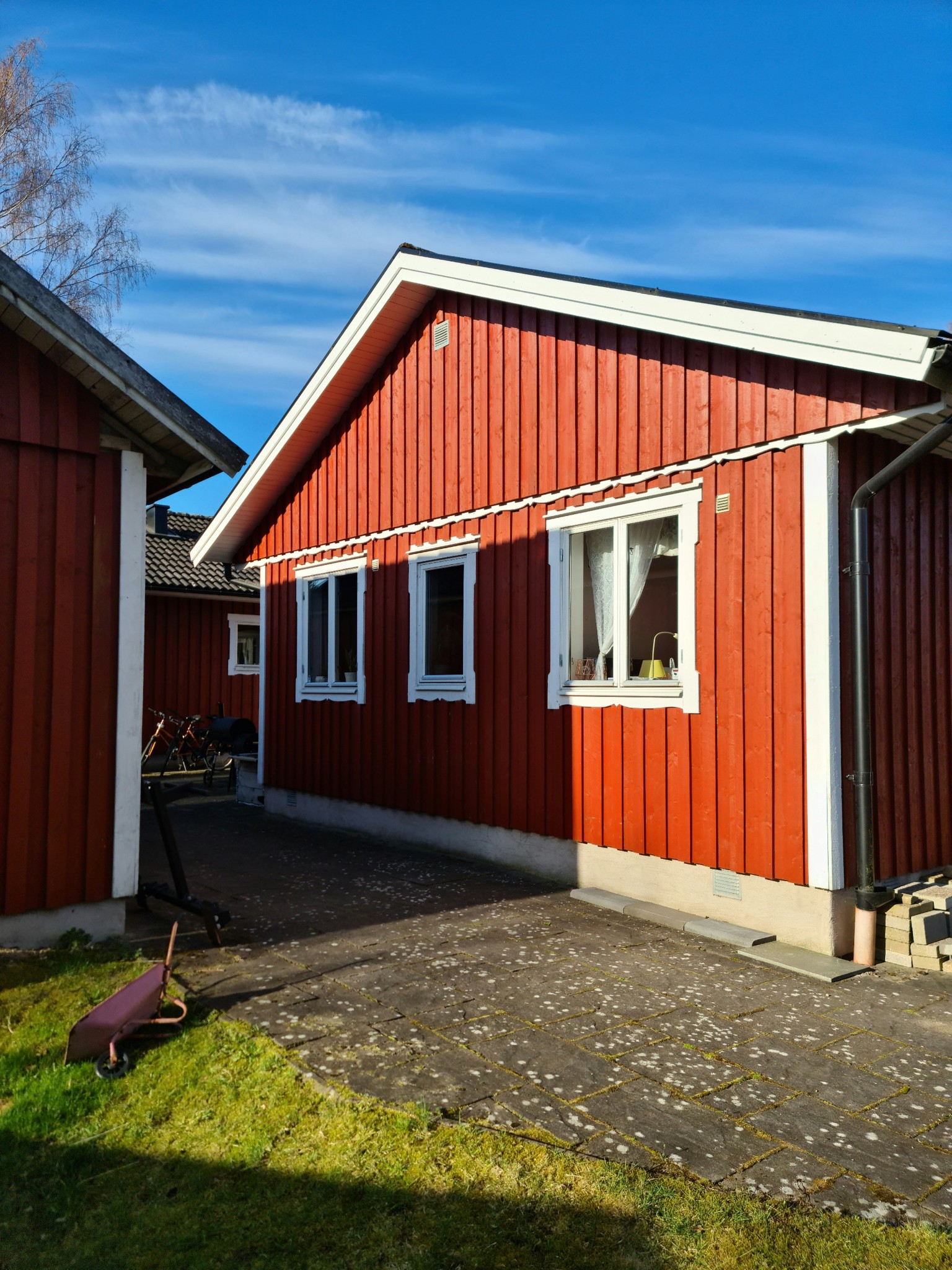
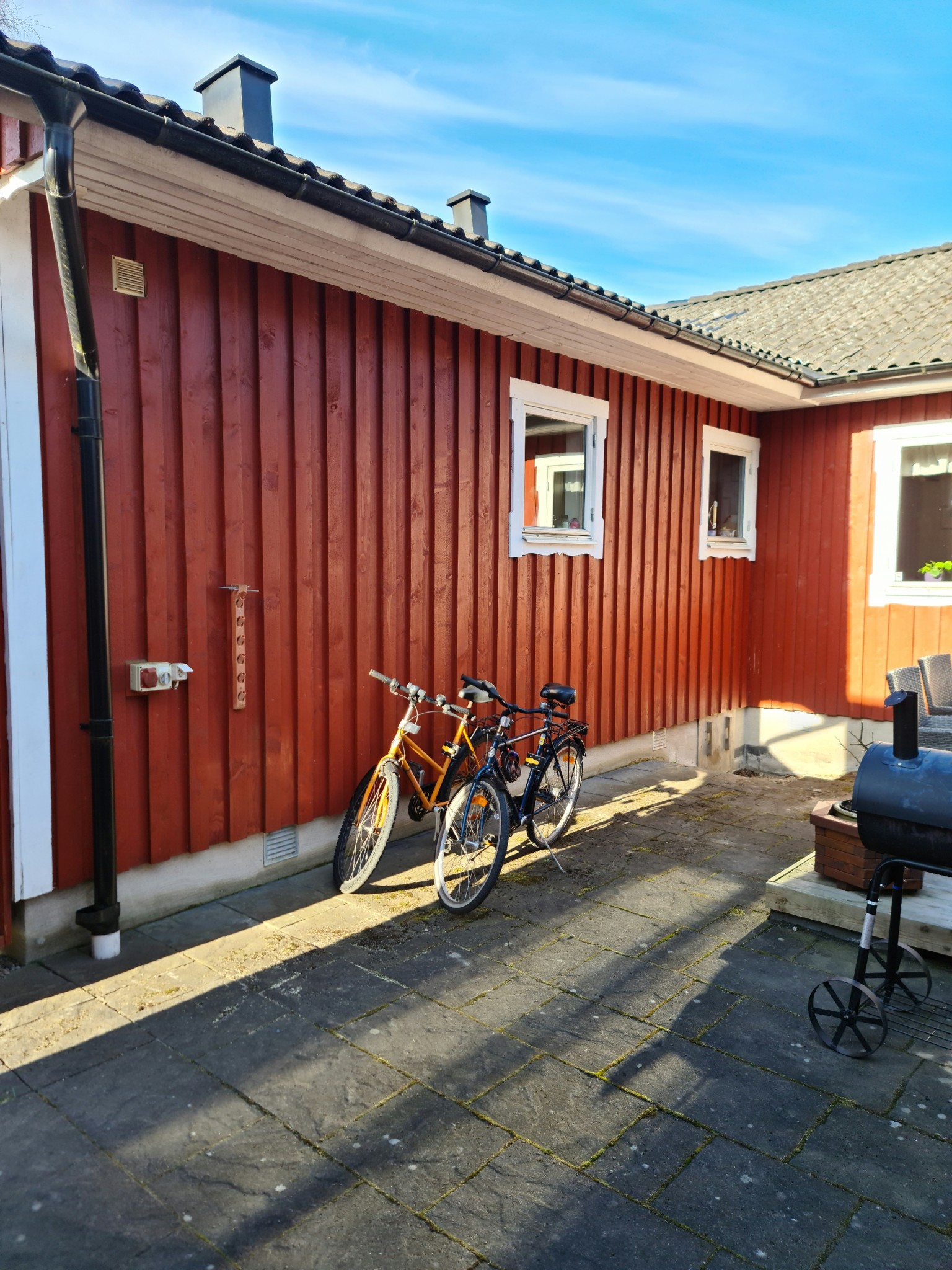
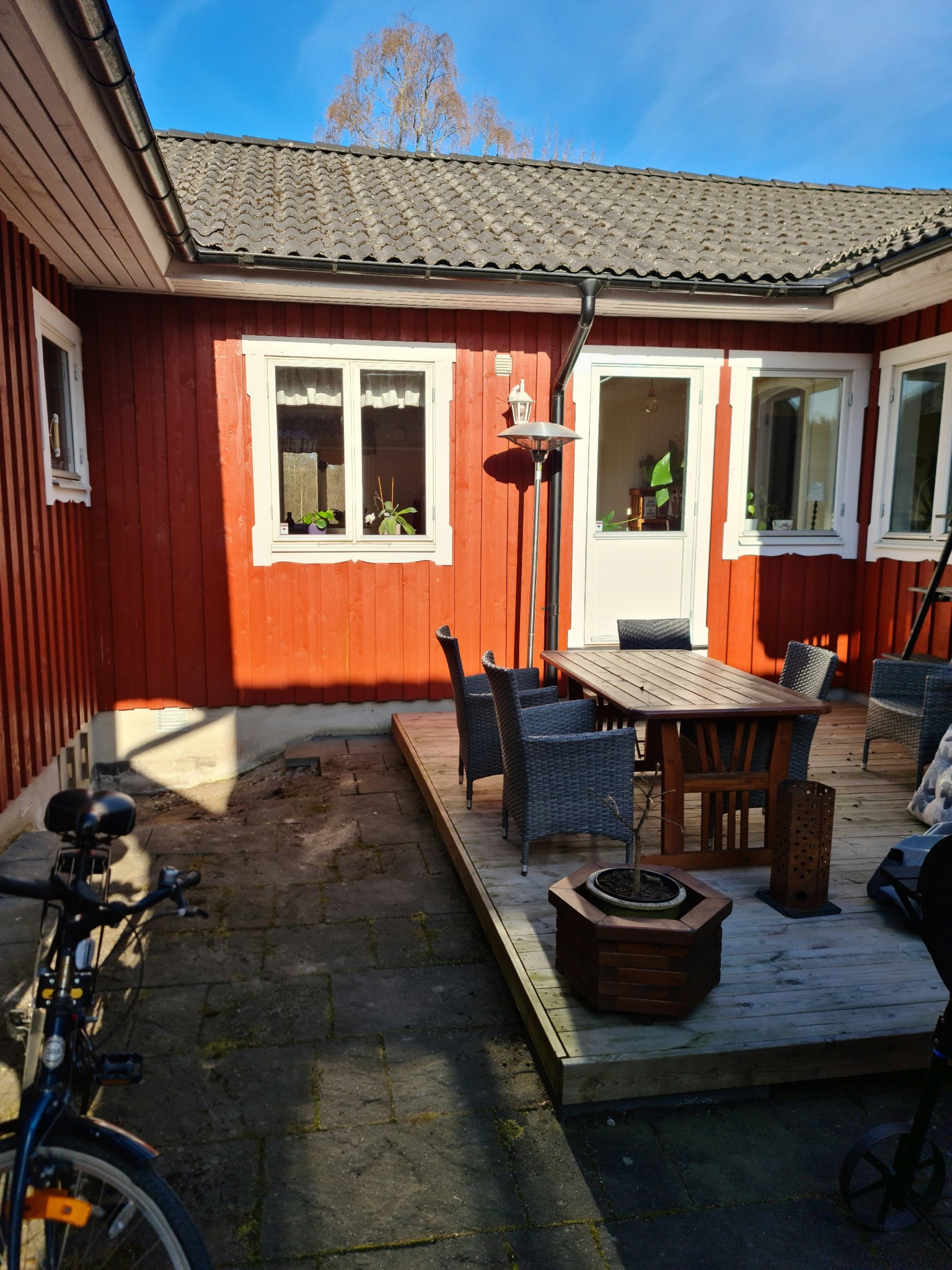
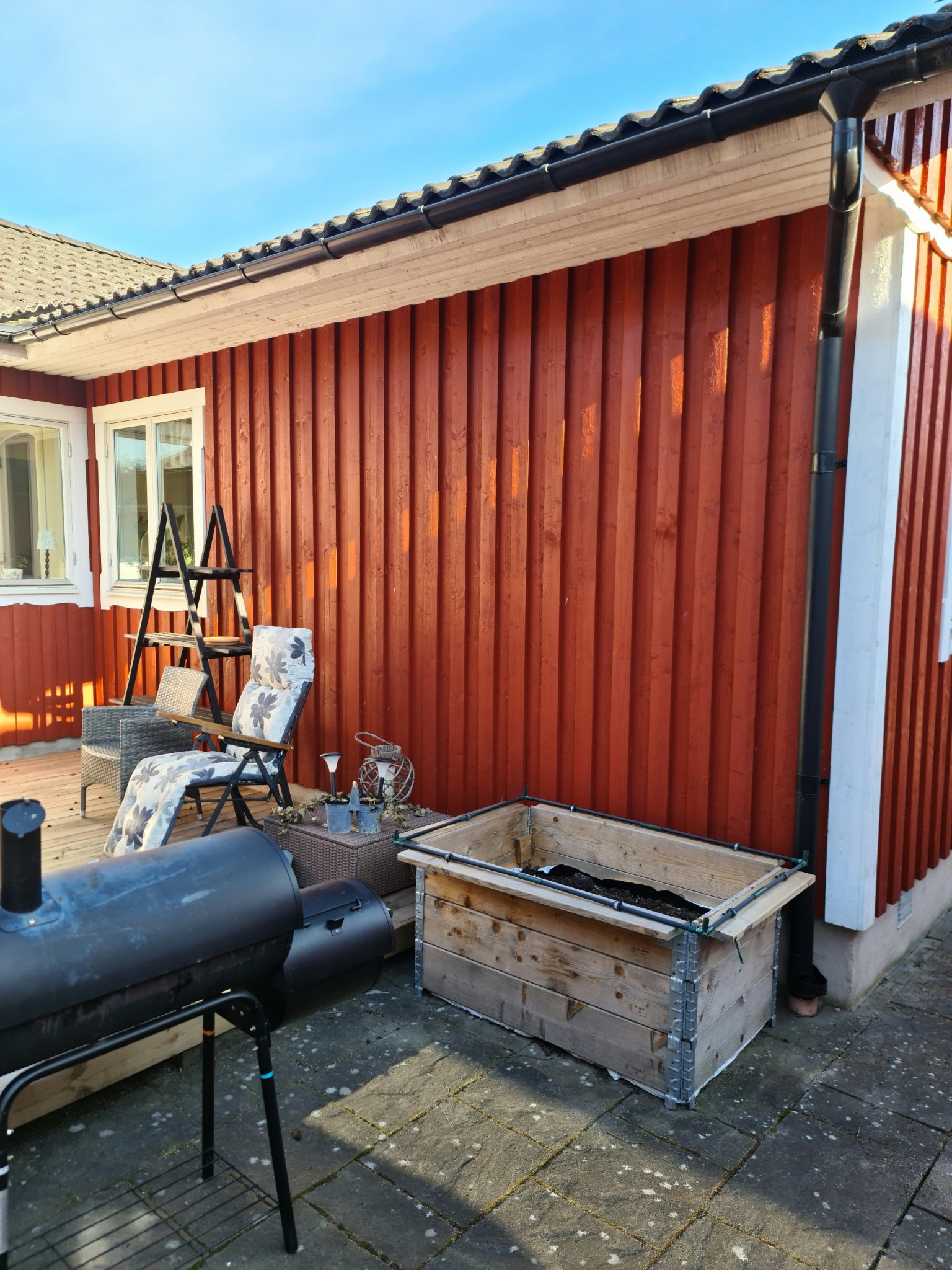
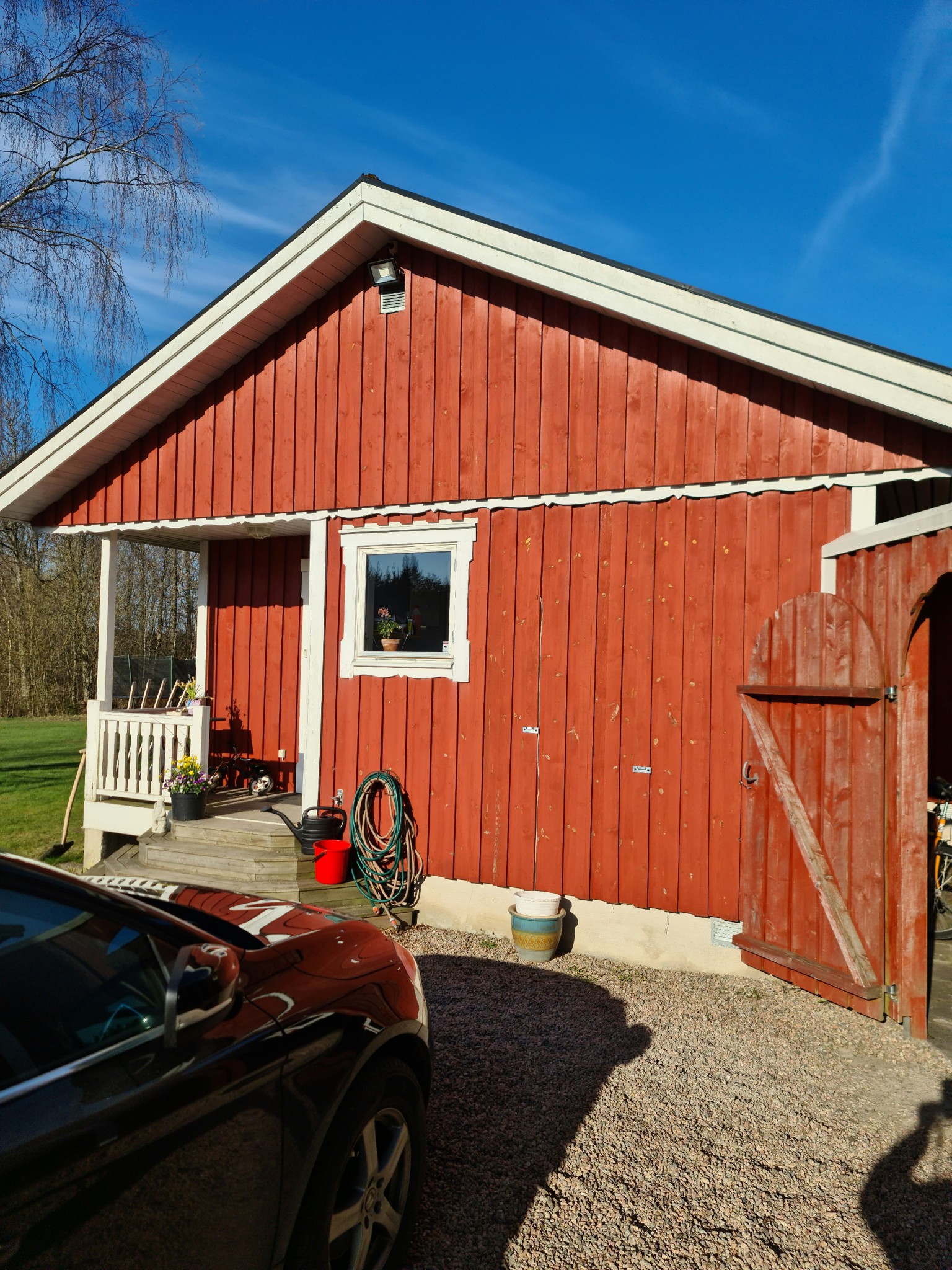
The house looks like this today, so quite a few short walls can be done in stages when the mood strikes.
Are there any other pitfalls to watch out for?
Or should one just not bother, paint with breathable paint and be happy?
What do you think?
Should I tackle it as soon as possible or just replace the bad parts on the bay window this year and replace all the paneling in a few years and solve the ventilation then. Am I worrying unnecessarily since the house is still standing 20 years later?
Yes, you are overly paranoid. Replace anything that might be bad and keep an eye on it going forward. The house isn't going to implode into a big pile of mold within two weeks just because you've now discovered this. An odd construction for sure, but in my opinion, it's completely unjustifiable to replace all the paneling before an actual problem has occurred. As an inspector once said to me when I asked how to know when it's time to redo the roof: "when it starts leaking in."
Yes, you are overly paranoid. Replace anything that might be bad and keep an eye on it going forward. The house isn't going to implode into a big mound of mold within two weeks just because you've now discovered this. It's certainly an odd construction, but in my opinion, it's completely unjustifiable to replace the entire panel before any actual problem has arisen. As an inspector once told me when I asked how to know when it's time to redo the roof: “when it starts to leak.”
True, true, but as I said, I'm at least going to replace the bay window part since it's a bit more exposed, almost level with the roof overhang. We'll see if I add some 28x70 to the existing vertical studs under the wind paper and put it back together. I'd also prefer to have the drip edge under the bottom boards instead of under the covers and the window sills with insert into the casings. See it as a bit of practice. Then whether I replace another wall and create an air gap in 2 years or in 10 years will be decided by the condition of the facade.
I replaced all my paneling a few years ago. Not because it was in such bad condition, mostly because there were countless layers of paint and it had been poorly done from the beginning. The paneling was original.
Anyway, it looked exactly the same as yours. The house is located in a group housing area built by Skanska in 1972, with just over 100 identical houses, and all are made this way.
When I replaced the paneling, I did add ventilation battens because it felt better, but as I said, it had worked well for 45 years before, not just on my house but on almost all of them (some have replaced the paneling).
I replaced all my paneling a few years ago. Not because it was in such poor condition, mostly because there were countless layers of paint and it was poorly done from the start. The paneling was original.
Anyway, it looked exactly the same as yours. The house is in a group housing area built by Skanska in 1972, with just over 100 identical houses and they are all made in this way.
When I replaced the paneling, I did put up ventilation battens because it felt better but as said, it had worked fine for 45 years before, not just on my house but on almost all (some have replaced the paneling).
Feels reassuring. It's just a bit confusing that a house built in 1998 and extended in 2003 with an additional 100 sqm is very well made in most aspects, yet they did it like this. It's as if they reversed the typical approach. They placed horizontal 45s (I think) outside the vertical ones and added extra insulation there, thus breaking through the internal insulation, put on a nice wind barrier, and then simply nailed the paneling on the horizontal battens behind the wind barrier instead of using nail battens.
If I had built it, I would have done it the other way around. Kept the vertical battens, laid the insulation, wind barrier, nail battens, and paneling, then placed the 45 on the inside as the installation kit instead.
But, as you say, it seems to work, so now I'll replace the paneling on the bay window and make new window trims, etc., and repaint the house instead, then we'll deal with the paneling in a few years
The panel has been purchased and color has been discussed with Nordsjö after having fine fresh panel that was broken off and analyzed into a plastic paint, and he gave me the color he said breathes best. So it's going to be Nordsjö One Super Tech. He said it will hold up nicely until it's time to replace the entire facade panel, if that's even necessary.
Thanks for all the reassuring responses regarding my facade, I tend to always see the worst in everything.
Vi vill skicka notiser för ämnen du bevakar och händelser som berör dig.

 Replace anything that might be bad and keep an eye on it going forward. The house isn't going to implode into a big pile of mold within two weeks just because you've now discovered this. An odd construction for sure, but in my opinion, it's completely unjustifiable to replace all the paneling before an actual problem has occurred. As an inspector once said to me when I asked how to know when it's time to redo the roof: "when it starts leaking in."
JanneJanne123 said:
Yes, you are overly paranoid.