
10,673 views ·
16 replies
11k views
16 replies
Molly plug - the plug is secure but not the screw?
Hello,
I am going to hang up a cabinet and have installed three molly bolts. I expanded them with a screwdriver and they are solid as a rock. Then I put up the cabinet, and the screws catch but you can spin them endlessly. If you pull the cabinet straight out, the screws hold a little bit and then let go. What did I do wrong? The same with all three molly bolts.
I am going to hang up a cabinet and have installed three molly bolts. I expanded them with a screwdriver and they are solid as a rock. Then I put up the cabinet, and the screws catch but you can spin them endlessly. If you pull the cabinet straight out, the screws hold a little bit and then let go. What did I do wrong? The same with all three molly bolts.


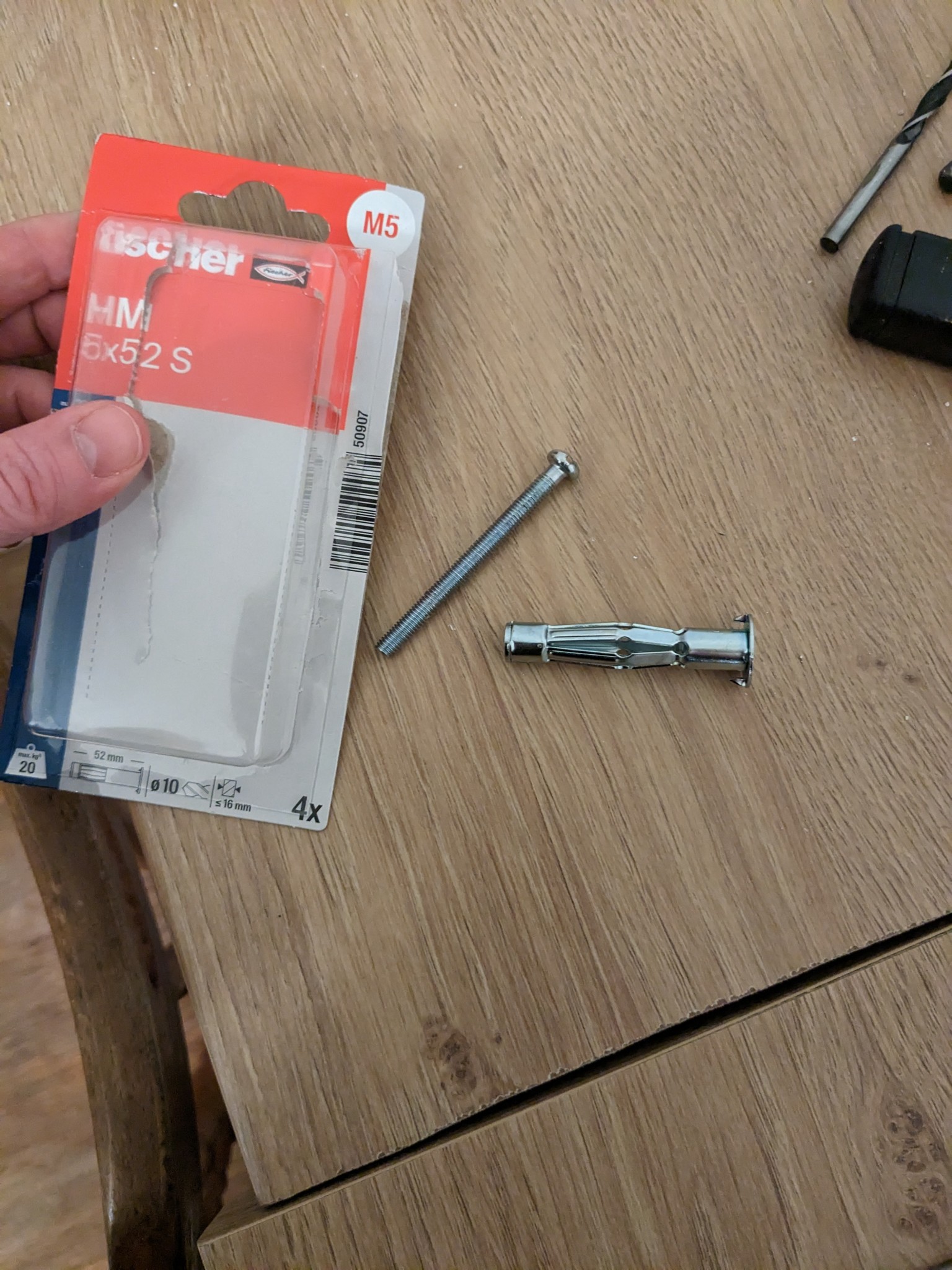
Good question, tightened properly with a regular screwdriver until it became too hard to turn further, but I probably could have screwed one more turn if I tried harder. What usually happens if there is thread strip?tommib said:

Krilleman
Real estate speculator
· D
· 18 605 posts
Krilleman
Real estate speculator
- D
- 18,605 posts
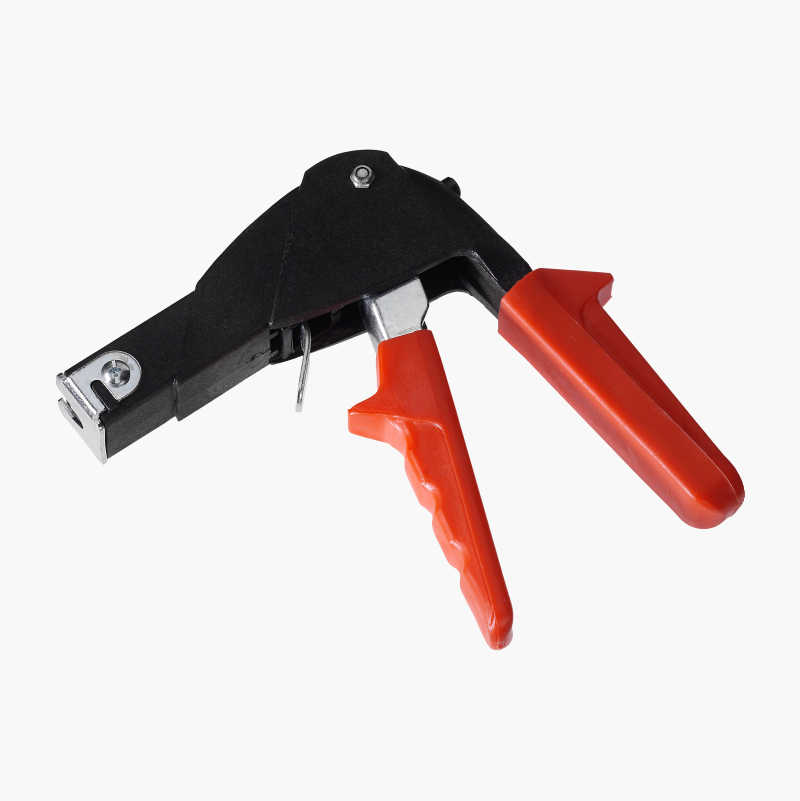
So you did NOT use a "mollytång" to expand this behind the drywall?J Jennie1 said:
Not a good solution to avoid this, it can be added.
For example:
https://www.biltema.se/verktyg/hand...MIwJSG1L7m_QIVlNSyCh226wceEAQYAiABEgIcHfD_BwE
Last edited:
Sounds reasonable, but I used the same screw to expand all three plugs so the threads on the other screws should be fine, yet the same problem there.P-plats said:

Thomas59
Construction veteran
· Stockholms län
· 3 401 posts
Thomas59
Construction veteran
- Stockholms län
- 3,401 posts
What you have in your hand is a molly plug for single plasterboard. Are you sure it's single plasterboard on the wall?
There can be several reasons why the screw doesn't "grip." The first being that it's not single but double plasterboard. The plug you've purchased doesn't work as well then, but the plug shouldn't spin since it has small barbs on the plug's "collar" against the plasterboard that are supposed to prevent spinning. However, it's not 100% effective. The risk is if you've used the wrong plug, the plug's wings might not fold out on the back of the plasterboard, causing it to spin or simply come out of the drill hole when you put weight on the plug.
Other problems might arise if the material you're fastening to the wall, like the back of a cabinet, is too thick. Then the screw simply doesn't reach into the plug's threads. If you've also used the wrong plug, the risk is even greater that the length of the screw isn't sufficient. There are longer screws available for purchase, so try that.
In some cases, the wings of the plug can break off, causing the threaded part of the plug to fall inside the wall. However, it's unlikely this would happen with all three plugs.
Start by trying a longer screw. If that doesn't work, you can drill a hole a bit away from the plugs you've already put in. Then, bend a paper clip, for example, into a small L, where the lower part of the L only needs to be a few millimeters long, and insert the paper clip into the hole to check how thick the wall is by seeing where the L catches when you pull it out. Alternatively, you can shine a light into the hole to see the wall's thickness.
If you have the wrong plug, you'll need to remove it and replace it with one for double plasterboard. It can be tricky to remove the plug without unnecessarily damaging the wall/hole, but I'm sure you can solve it.
There can be several reasons why the screw doesn't "grip." The first being that it's not single but double plasterboard. The plug you've purchased doesn't work as well then, but the plug shouldn't spin since it has small barbs on the plug's "collar" against the plasterboard that are supposed to prevent spinning. However, it's not 100% effective. The risk is if you've used the wrong plug, the plug's wings might not fold out on the back of the plasterboard, causing it to spin or simply come out of the drill hole when you put weight on the plug.
Other problems might arise if the material you're fastening to the wall, like the back of a cabinet, is too thick. Then the screw simply doesn't reach into the plug's threads. If you've also used the wrong plug, the risk is even greater that the length of the screw isn't sufficient. There are longer screws available for purchase, so try that.
In some cases, the wings of the plug can break off, causing the threaded part of the plug to fall inside the wall. However, it's unlikely this would happen with all three plugs.
Start by trying a longer screw. If that doesn't work, you can drill a hole a bit away from the plugs you've already put in. Then, bend a paper clip, for example, into a small L, where the lower part of the L only needs to be a few millimeters long, and insert the paper clip into the hole to check how thick the wall is by seeing where the L catches when you pull it out. Alternatively, you can shine a light into the hole to see the wall's thickness.
If you have the wrong plug, you'll need to remove it and replace it with one for double plasterboard. It can be tricky to remove the plug without unnecessarily damaging the wall/hole, but I'm sure you can solve it.
I understand it as the plugs themselves have expanded nicely and aren't spinning anywhere. It's the screw itself that can be screwed in but doesn't "stop," instead it just spins endlessly. If the threads are damaged, you usually feel it as a slight snap when you screw, where the thread jumps over. The snap becomes smaller and smaller the more times you screw past it.
What does it look like in the wall? Does my assumption about how the plugs are set match, or am I misunderstanding you?
Thomas59 is asking very relevant questions otherwise.
What does it look like in the wall? Does my assumption about how the plugs are set match, or am I misunderstanding you?
Thomas59 is asking very relevant questions otherwise.
Thomas59
Construction veteran
· Stockholms län
· 3 401 posts
Thomas59
Construction veteran
- Stockholms län
- 3,401 posts
Sure, it does happen that the thread gets stripped, but it's not very likely based on what TS describes. With a simple plasterboard molly in a double plasterboard wall, you might get the wings to expand a little bit, leading you to believe the plug is properly set, but when you load the plug by screwing in the screw, the plug just spins or the plug tears apart the hole. I'm betting that it's the wrong plug or a screw that's too short.I understand it as the plugs themselves have expanded nicely and don't spin anywhere. It's the screw itself that can be screwed in but then doesn't "stop," just keeps spinning endlessly. If the threads are damaged, you often feel it as a little snap when you screw, where the thread jumps over. The snap becomes smaller and smaller the more times you screw past it.
What does it look like in the wall? Does my assumption about how the plugs are positioned match, or am I misunderstanding you?
Thomas59 is asking very relevant questions otherwise.
Does it work to screw in the screw without the cabinet? If so, the screw is too short.
If the plug moves, it is not properly expanded.
When you screw in the screw with your fingers while you gently pull on it, you can usually feel if the threads are not going smoothly or want to skip turns.
Once you find the problem, it becomes easier to proceed.
Screwdriver is, as far as I know, one of the two recommended methods to fasten a Molly, so it is nothing strange.
If the plug moves, it is not properly expanded.
When you screw in the screw with your fingers while you gently pull on it, you can usually feel if the threads are not going smoothly or want to skip turns.
Once you find the problem, it becomes easier to proceed.
Screwdriver is, as far as I know, one of the two recommended methods to fasten a Molly, so it is nothing strange.
The plug does not move and can be "gripped" with and without the cabinet with the screw but doesn't hold 100%. Many great points to consider! I must have made a mistake somewhere. I'll buy new plugs today and see if I can find the error with all the tips you've given!