
6,274 views ·
23 replies
6k views
23 replies
Measure 5-10 meters accurately?

In theory, that's correct but in reality, it doesn't work because there are quite a few errors before it becomes measurable.R ribbones said:
If the middle matchstick is your laser gauge at 90 degrees to the wall. When it shows the distance to the crossing matchstick is exactly 1 matchsticks, you also have 90 degrees at the corners. But as I said, if you only have a tape measure/string, it's easier to measure diagonally since it's difficult to measure at 90 from the wall.N Nils82 said:
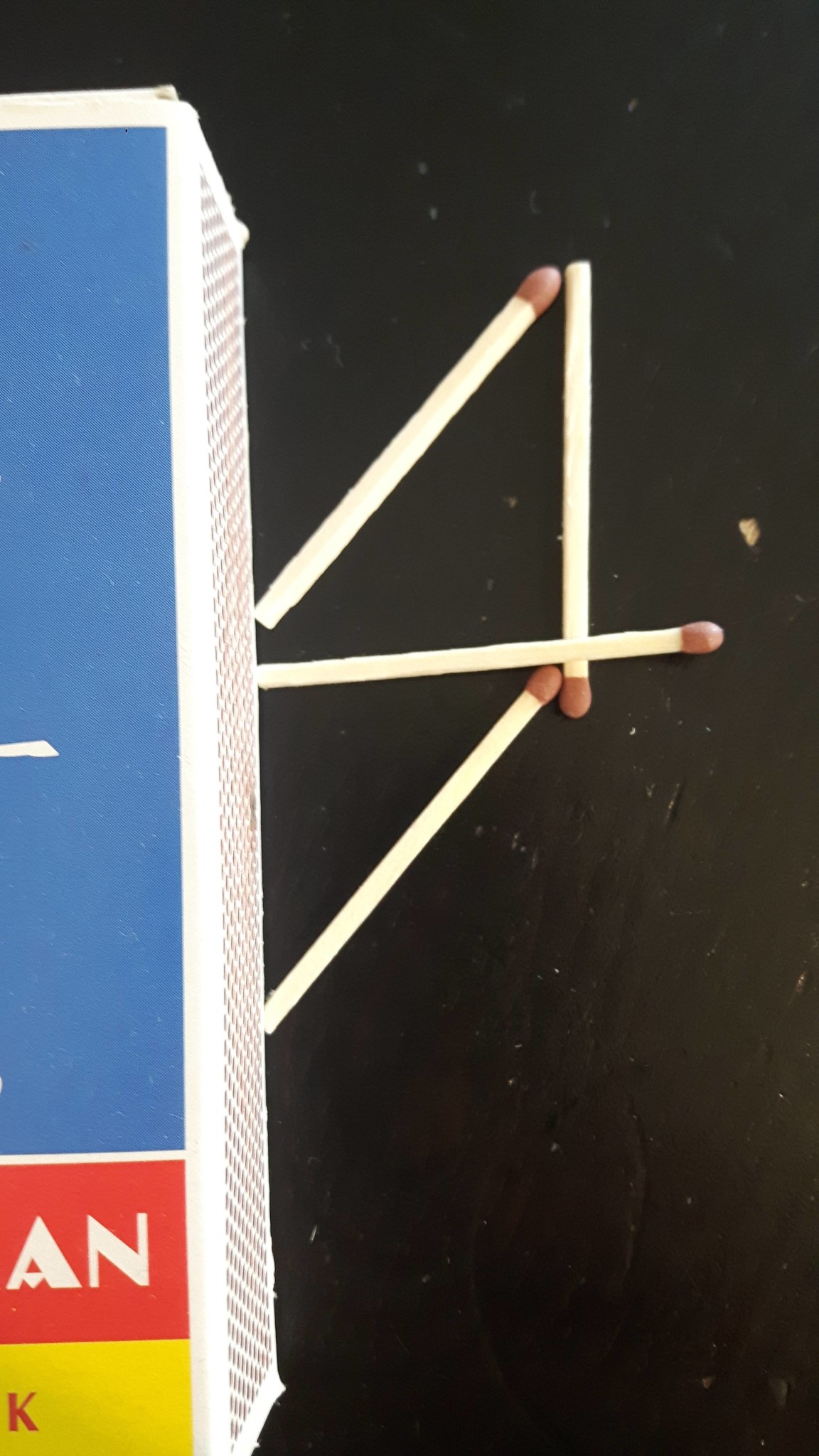
With the string, you cross-measure...R ribbones said:
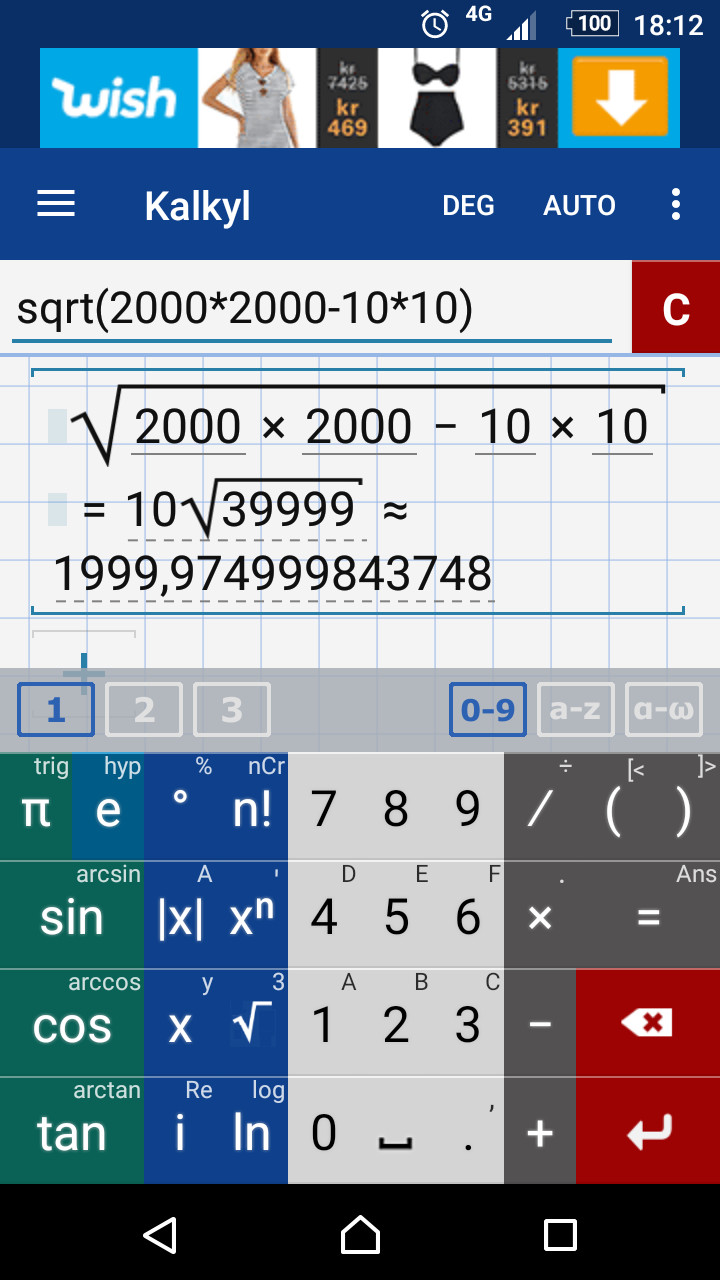
Even if one could measure perpendicular to the wall, the error becomes significant before it is measurable. When the cross measurement differs by 20 mm, the measurement to the wall has only changed by a few thousandths. Demonstrated below with Pythagoras' theorem. The phenomenon is also described by the graph for the tangent equation.R ribbones said:If the middle matchstick is your laser gauge at 90 degrees to the wall. When it shows the distance to the transverse matchstick as exactly 1 matchstick, the angles are also 90 degrees at the corners. But as I said, if you only have a tape measure/string, it's easier to measure diagonally because it's hard to measure at 90 from the wall.
That technique is as accurate as shooting a moose by "lobbing" a shot from the hip. Quite doubtful, in other words.R ribbones said:If the middle matchstick is your laser meter at 90 degrees to the wall. When it shows the distance to the crosswise matchstick is exactly 1 matchstick, you also have 90 degrees in the corners. But as I said, if you only have a measuring tape/string, it's easier to measure diagonally because it's difficult to measure at 90 from the wall.
Cross-measurement is the technique used if you skip technical aids. Sometimes a larger angle according to the 3-4-5 principle may also suffice.

Apart from the above description that it is practically nearly impossible to achieve a right angle against the wall, it is equally impossible to find a wall that is so straight that it can be done.
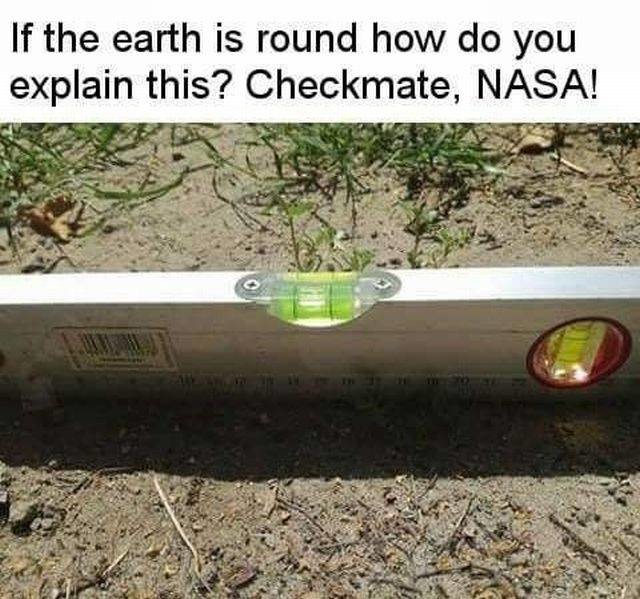
The pass appears to be 30 cm. If I don't remember the formula for arc height incorrectly, it will be less than Excel can calculate... If the Earth were only one-tenth as large, you would find that the arc height would be 1.7*10e-5 mm
I am completely convinced that it falls within the margin of error of the pass
I am completely convinced that it falls within the margin of error of the pass
Click here to reply