
Hello!
I have two "small walls" I plan to tear down. It's like a "kattvind" but without the actual wall. The walls are about 40 cm and extend 1 m from the outer wall. On the room on the other side of the house, the building permit officer said no—they are not load-bearing but the other wall that runs parallel to the ridge is load-bearing (the entrance to the room). But now as I start tearing down the small walls, there are quite sturdy studs in the walls. How should I think? Could they be load-bearing or relieving after all? How can I be sure? In such a small area, shouldn't it be okay to tear down the small walls anyway? Do you think I need to do anything?
I have two "small walls" I plan to tear down. It's like a "kattvind" but without the actual wall. The walls are about 40 cm and extend 1 m from the outer wall. On the room on the other side of the house, the building permit officer said no—they are not load-bearing but the other wall that runs parallel to the ridge is load-bearing (the entrance to the room). But now as I start tearing down the small walls, there are quite sturdy studs in the walls. How should I think? Could they be load-bearing or relieving after all? How can I be sure? In such a small area, shouldn't it be okay to tear down the small walls anyway? Do you think I need to do anything?
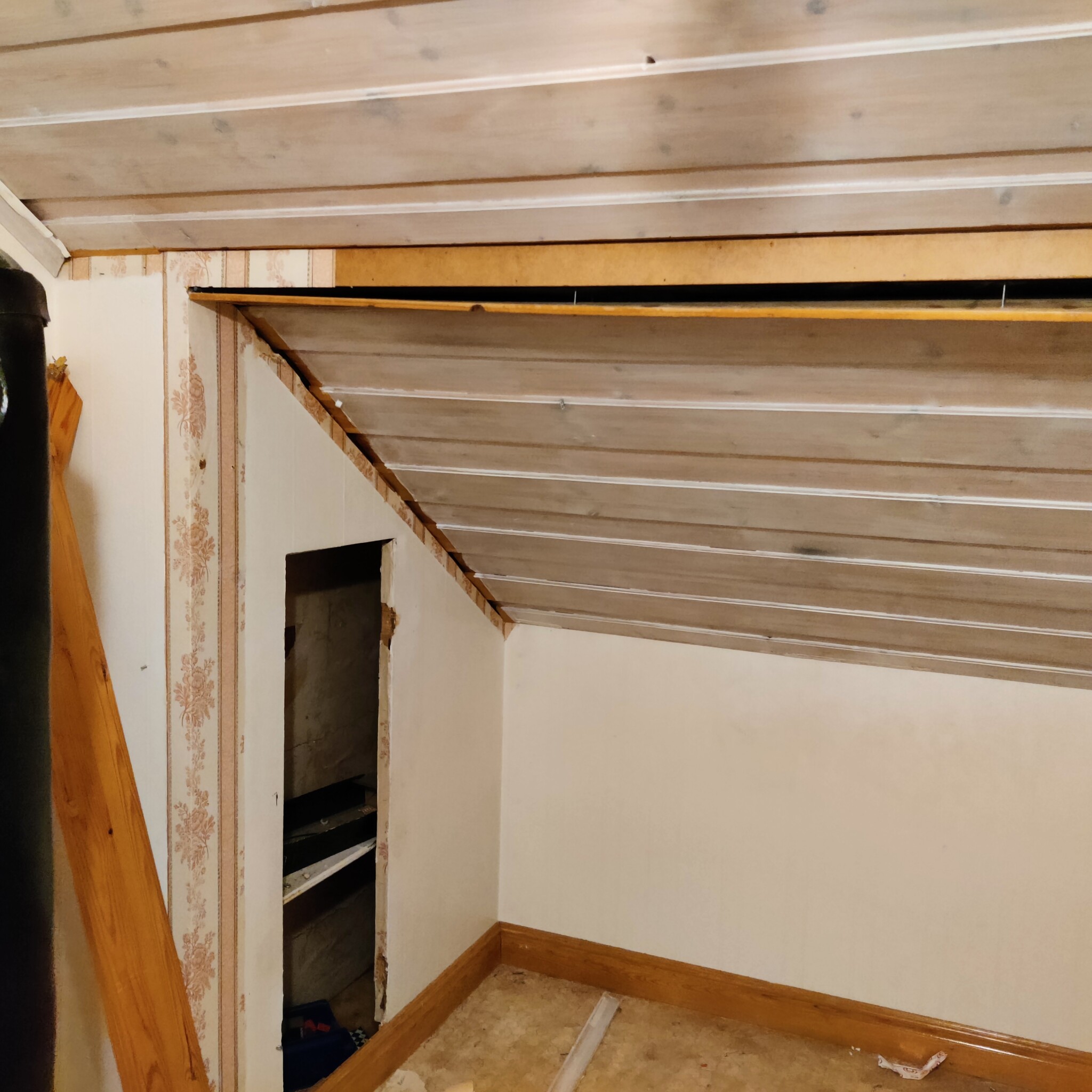
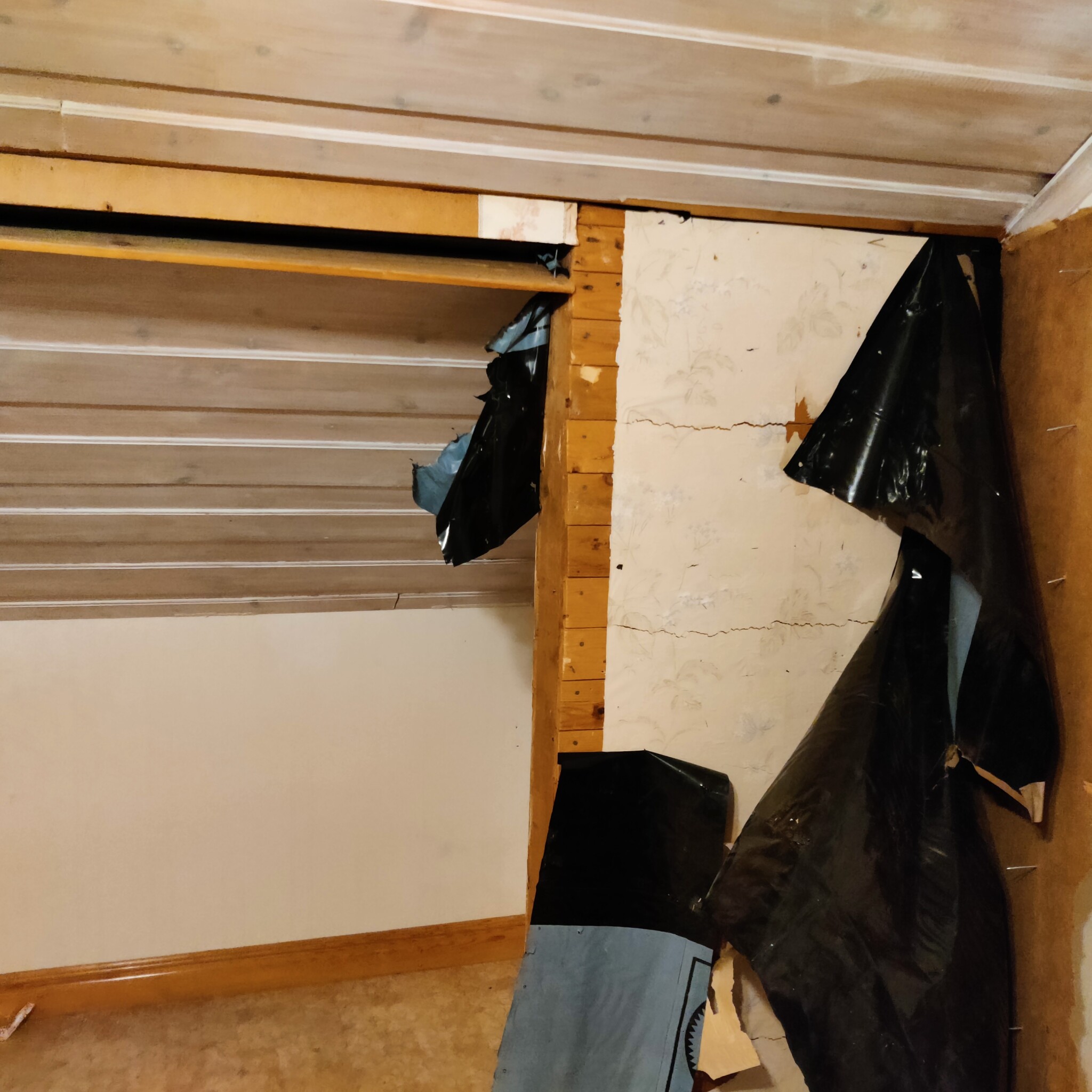
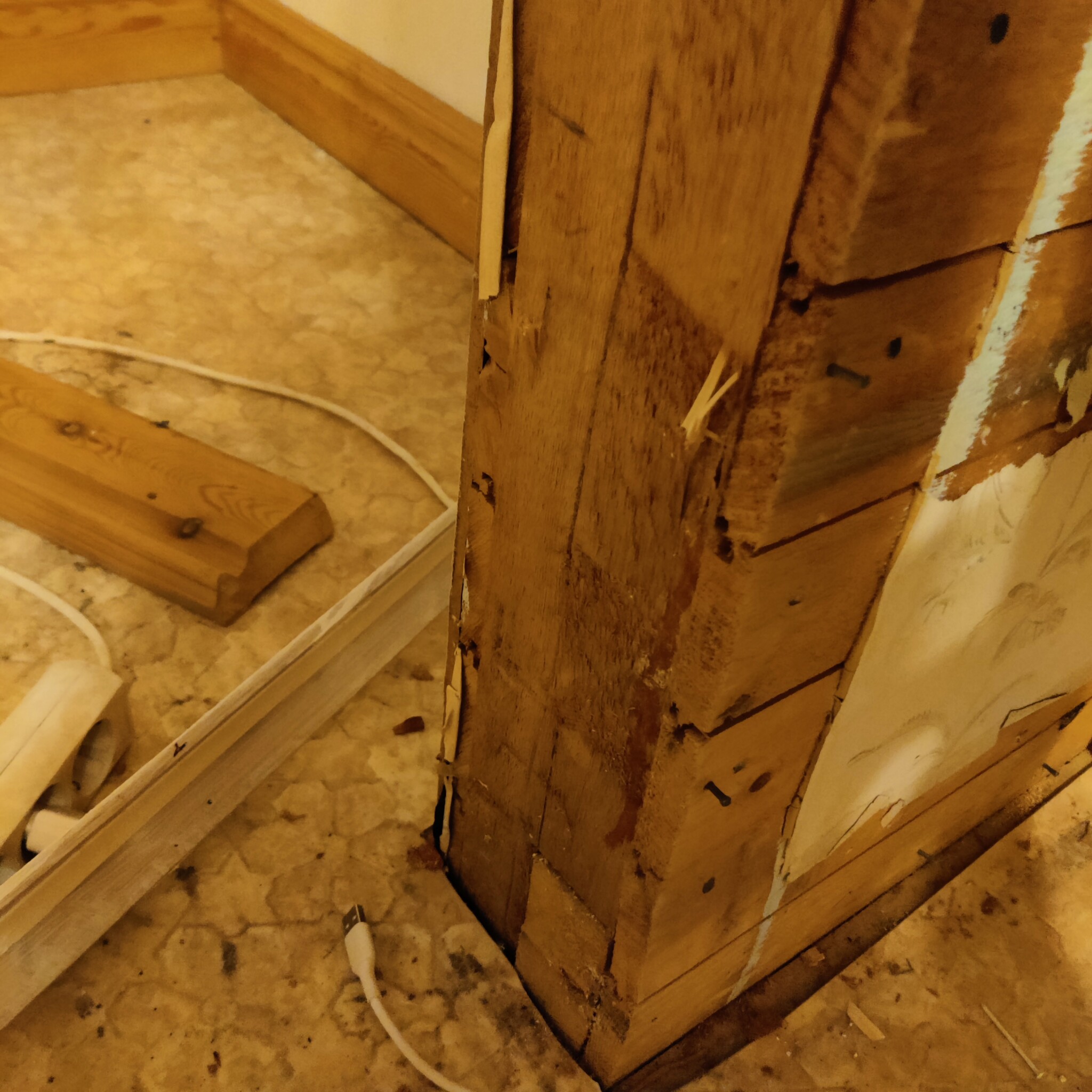

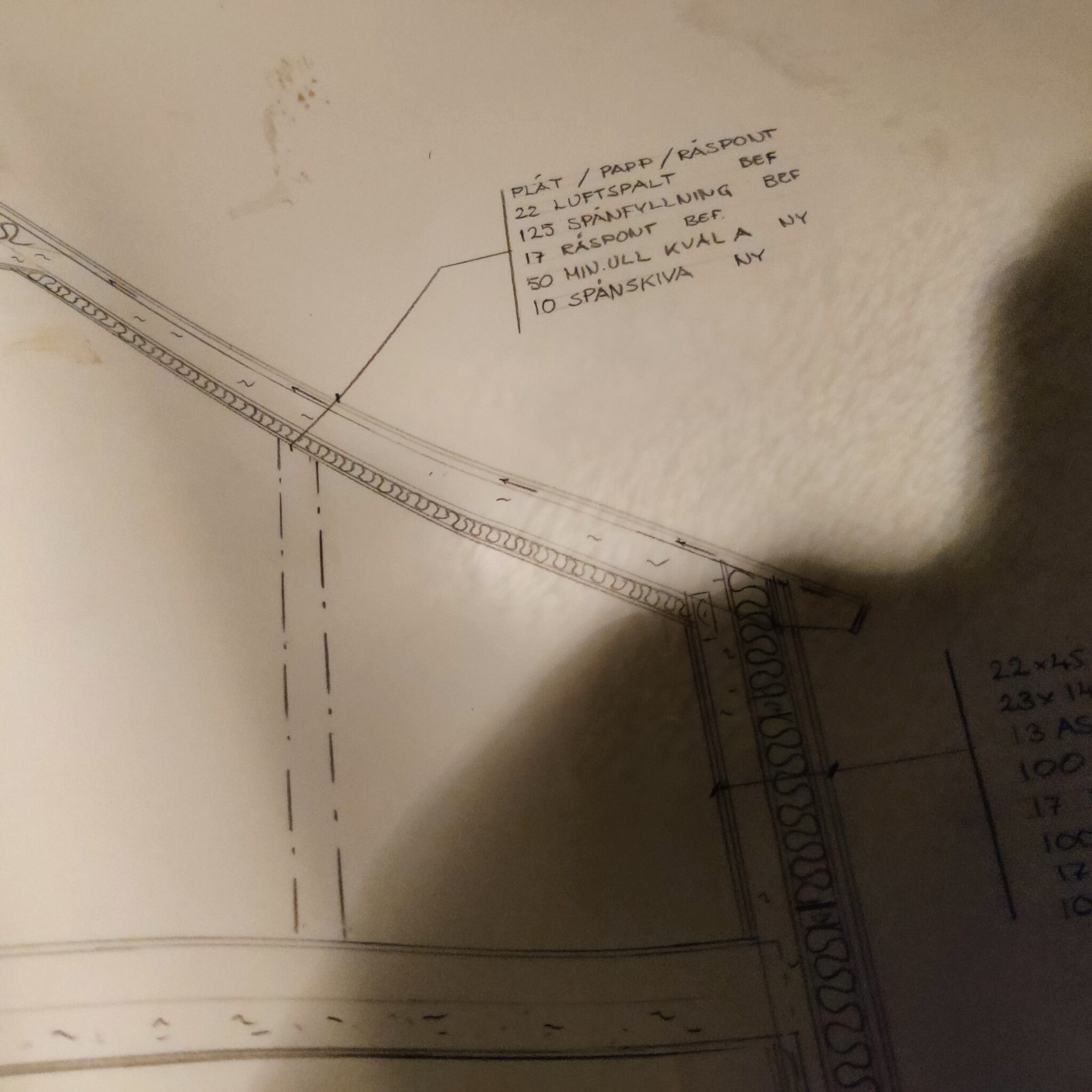
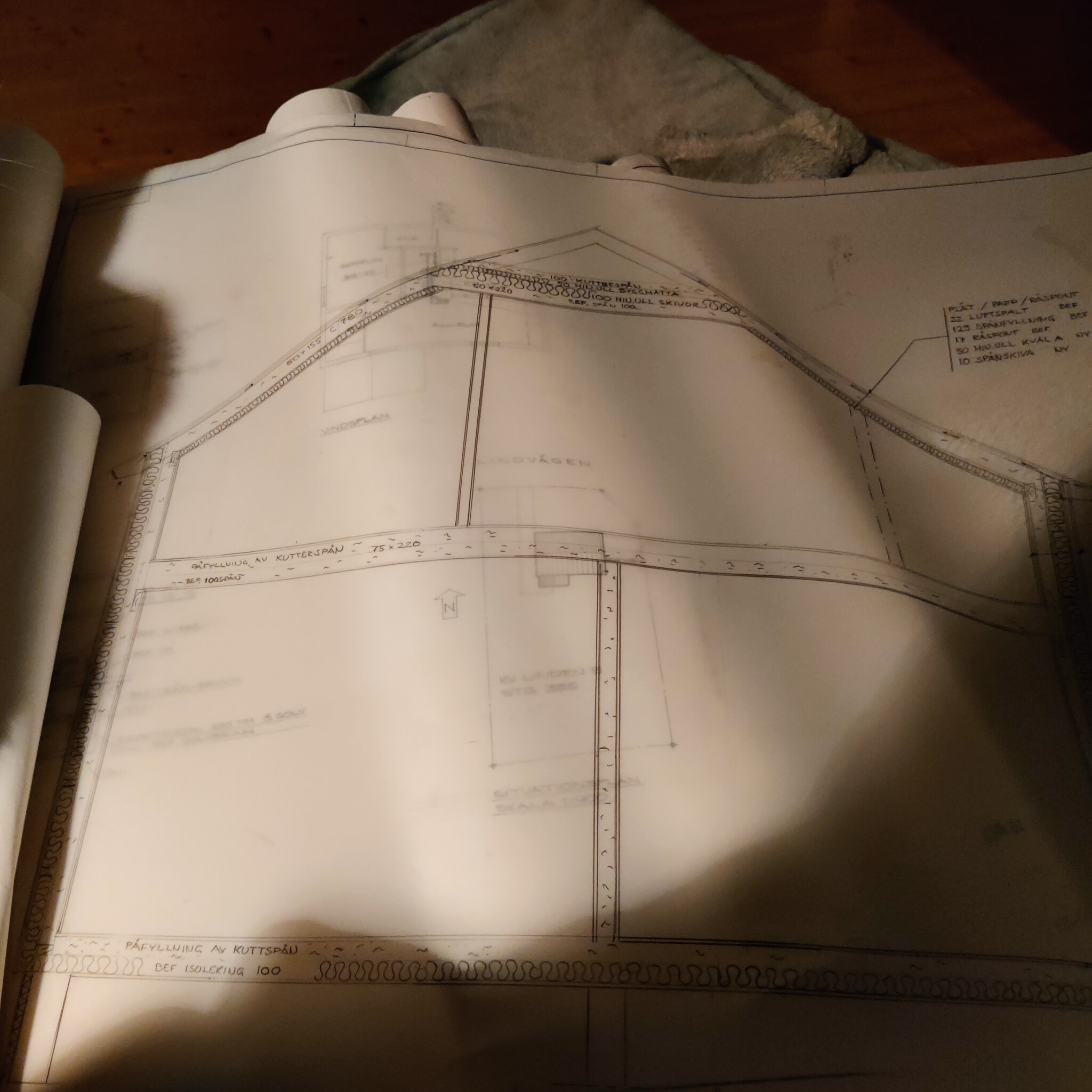
If they are not the original drawings of the house, they actually say nothing...
I probably would have removed the panel from the roof and checked what was there "from the beginning"
Because frankly, that wall doesn't look properly positioned either to transfer the loads from the roof down to the foundation, it should have been directly above the wall on the ground floor.
I probably would have removed the panel from the roof and checked what was there "from the beginning"
Because frankly, that wall doesn't look properly positioned either to transfer the loads from the roof down to the foundation, it should have been directly above the wall on the ground floor.
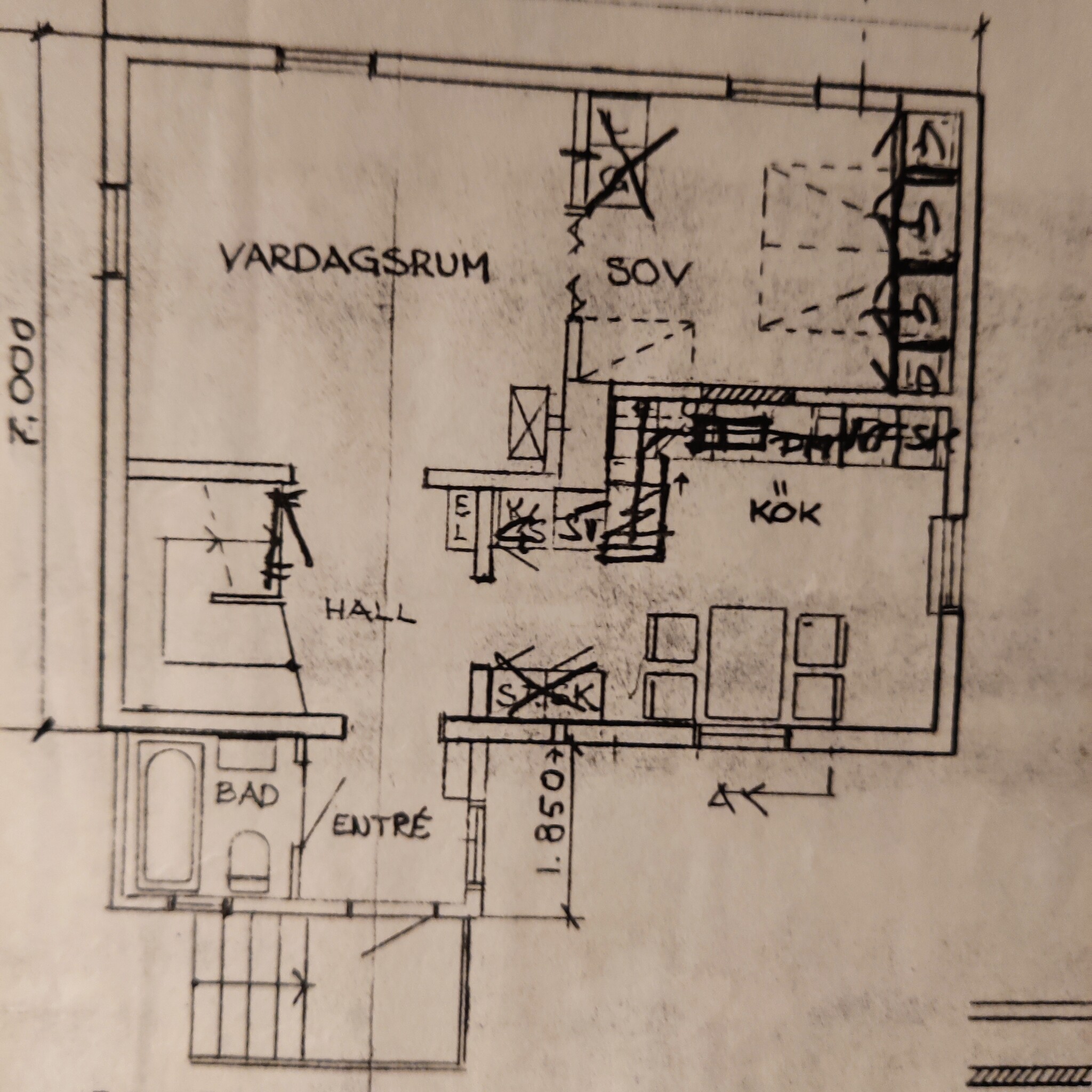
These are the original documents, but I agree about the placement of the walls. (That's not how it turned out). But if we entertain the idea that they are somewhat relieving (?) Or do I have to go up into the attic (very cramped) to check? Shouldn't it be enough if I place two T-profiles type 50-40 on each side?
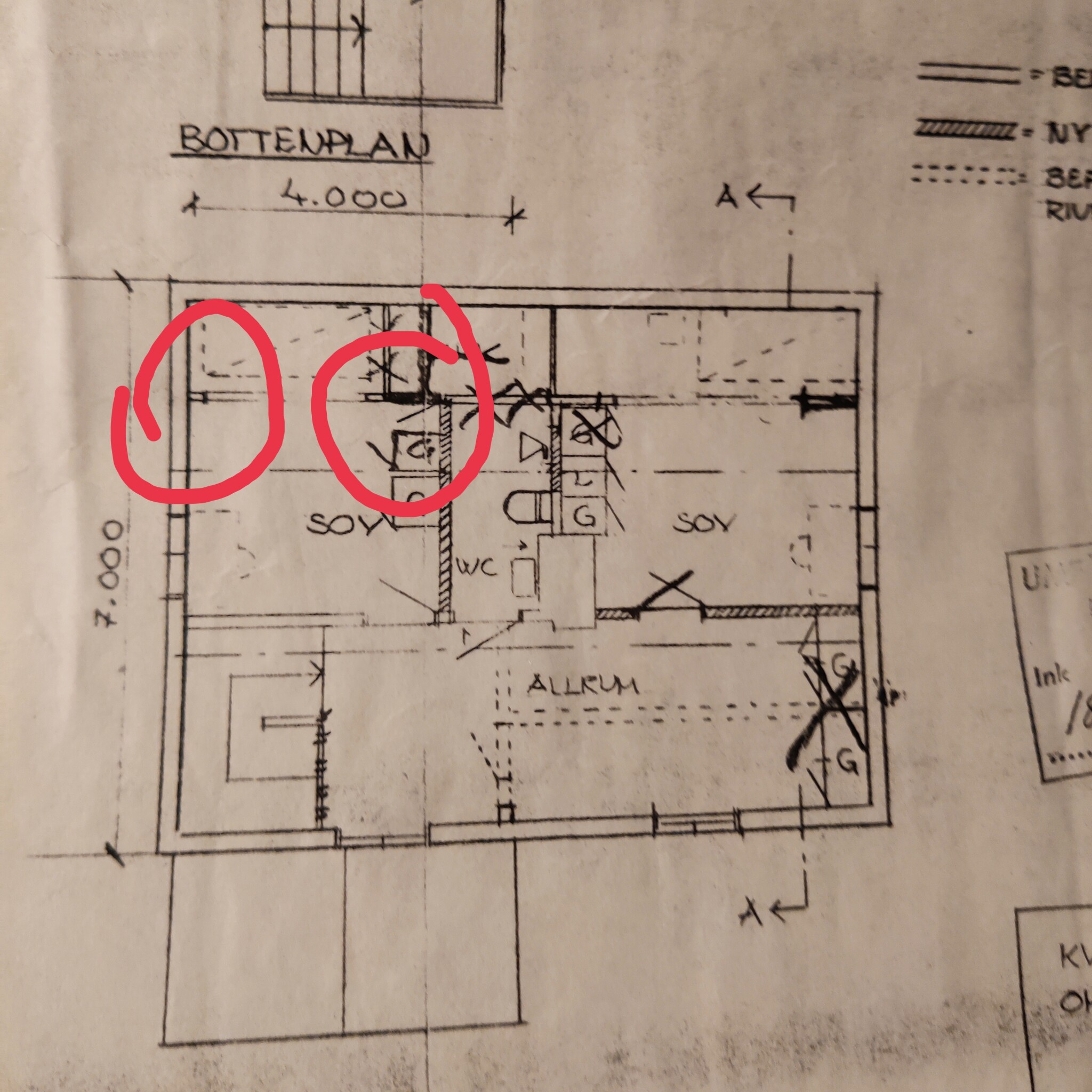
Size doesn't matter, as you know. At the time when the house was built, everything had a meaning. These walls exist for a reason. One could probably have built without these walls, and it would have still stood. But when the walls were built, they became, if not load-bearing, at least stabilizing.
Don't get me wrong. It's perfectly fine to remove them. But consider them as load-bearing, and be careful.
Don't get me wrong. It's perfectly fine to remove them. But consider them as load-bearing, and be careful.


Here is an article describing common roof trusses, and typically in houses from the 1930s, it looks like under the heading "Traditional roof trusses": https://www.byggahus.se/sa-fungerar-en-takstol
So it's not the walls themselves that are load-bearing, but rather the studs that are the struts.
So it's not the walls themselves that are load-bearing, but rather the studs that are the struts.
A common problem often encountered in the forum on Byggahus.se is that one wants to move the struts sideways (to make larger or smaller knee walls) or remove them entirely. The simple answer is that this in most cases requires a reinforcement of the rafters/top chord. A fully feasible measure but usually with extensive consequences, as large parts of the attic roof must be demolished.
 if anyone was curious or finds this thread for their own project!
Click here to reply
Similar threads
-
Är denna vägg bärande? Håller på att bli tokig...
Planlösningar -
Consultation load-bearing wall
Building Materials and Construction Technology -
Do these construction drawings describe load-bearing walls?
Building Materials and Construction Technology -
Slab and Load-Bearing Wall
Building Materials and Construction Technology -
Riva vägg. Bärande konstruktion?
Planlösningar