Hejochhåvadetgår Hallejulia said:
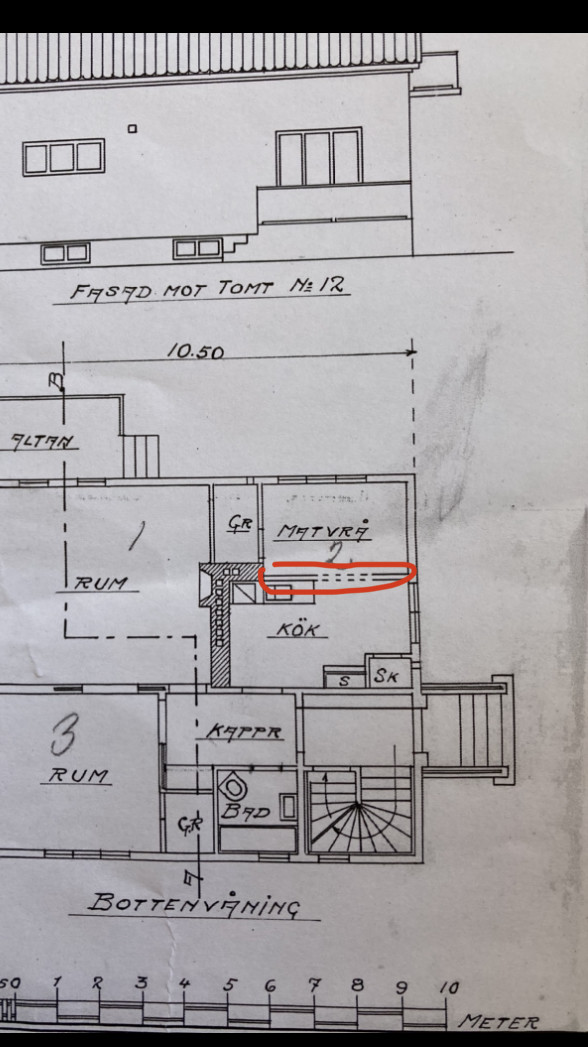
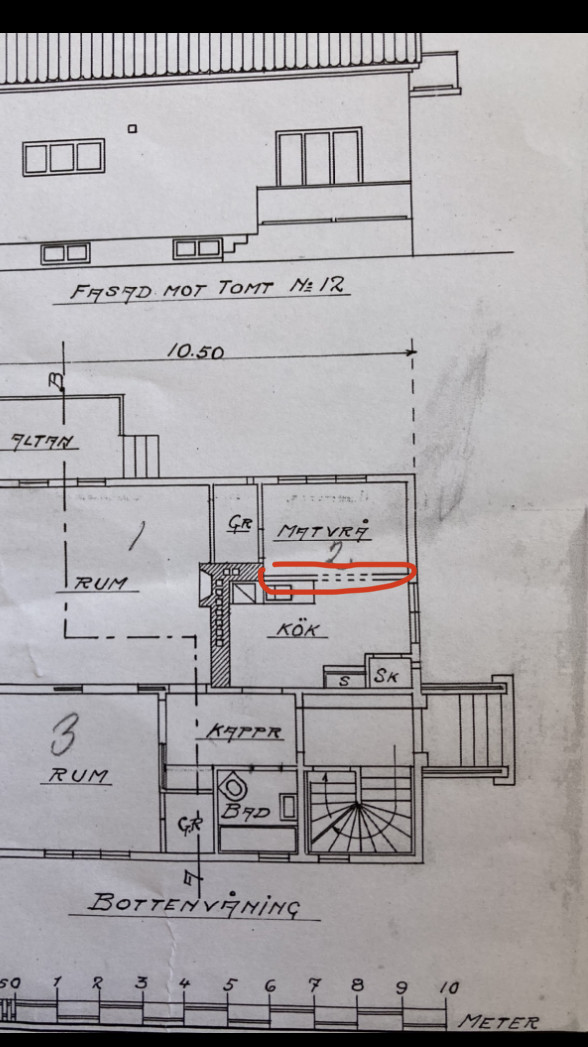
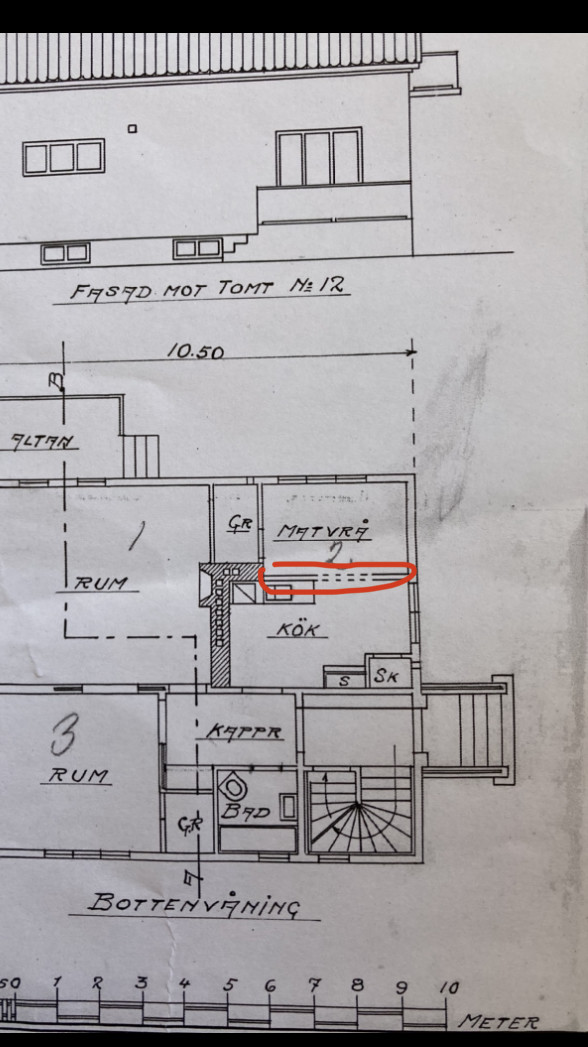
Can you tell from the drawing if the wall marked in red is load-bearing or not? The idea is that we are only going to widen the opening between these rooms, and not demolish the wall all the way up to the ceiling.
It doesn't look load-bearing. Probably only the wall in the middle is a heart wall and has a load-bearing function. But if you want to be sure, you should hire a structural engineer or find the construction drawings.
 
  • Like
Hejochhåvadetgår
  • Laddar…
Hardly load-bearing. But what else can you say? Do you know if it is a standard gypsum-clad stud wall? How thick is it?
 
  • Like
Hejochhåvadetgår
  • Laddar…
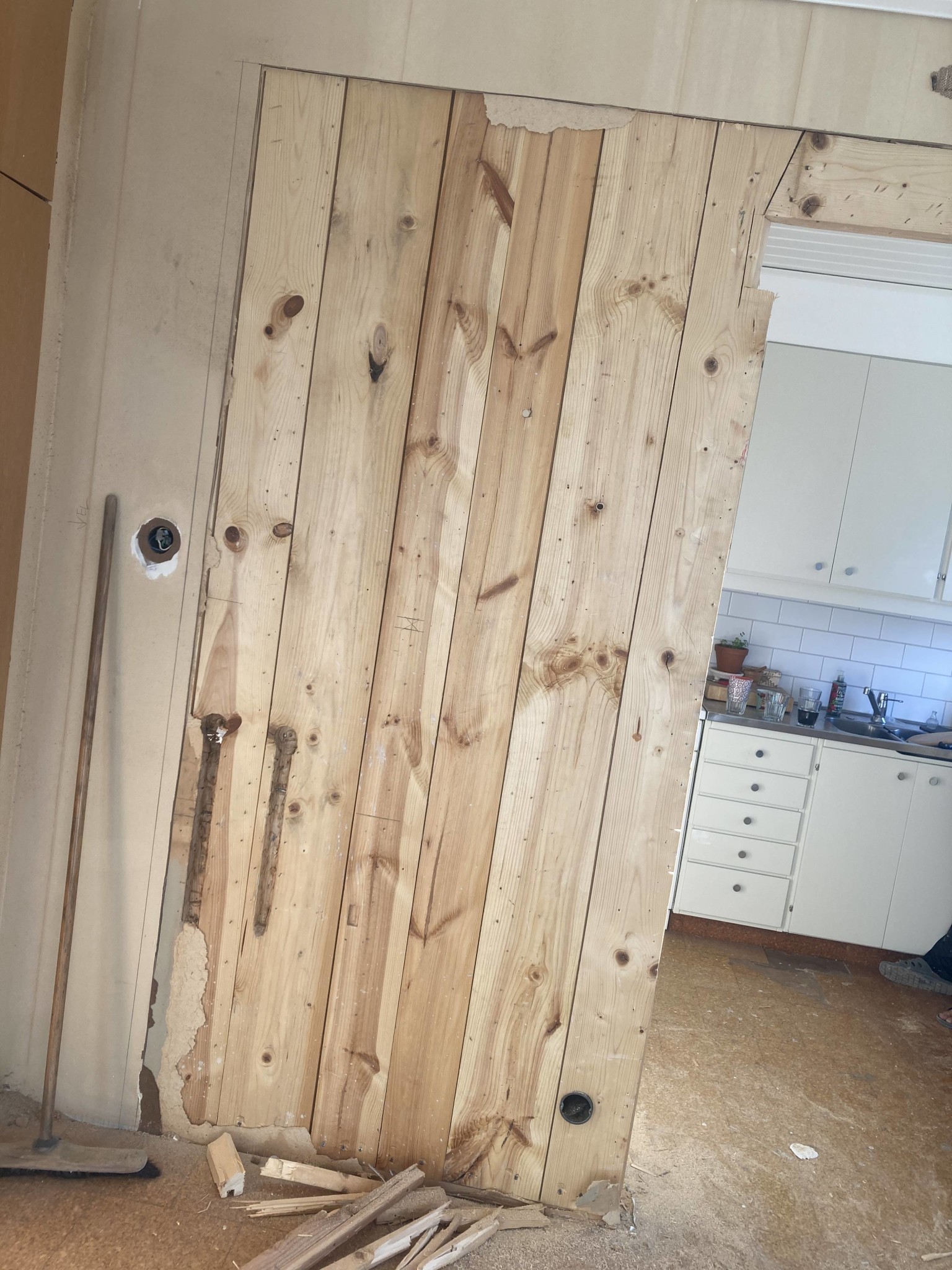
About 12 cm thick wall with old masonite.
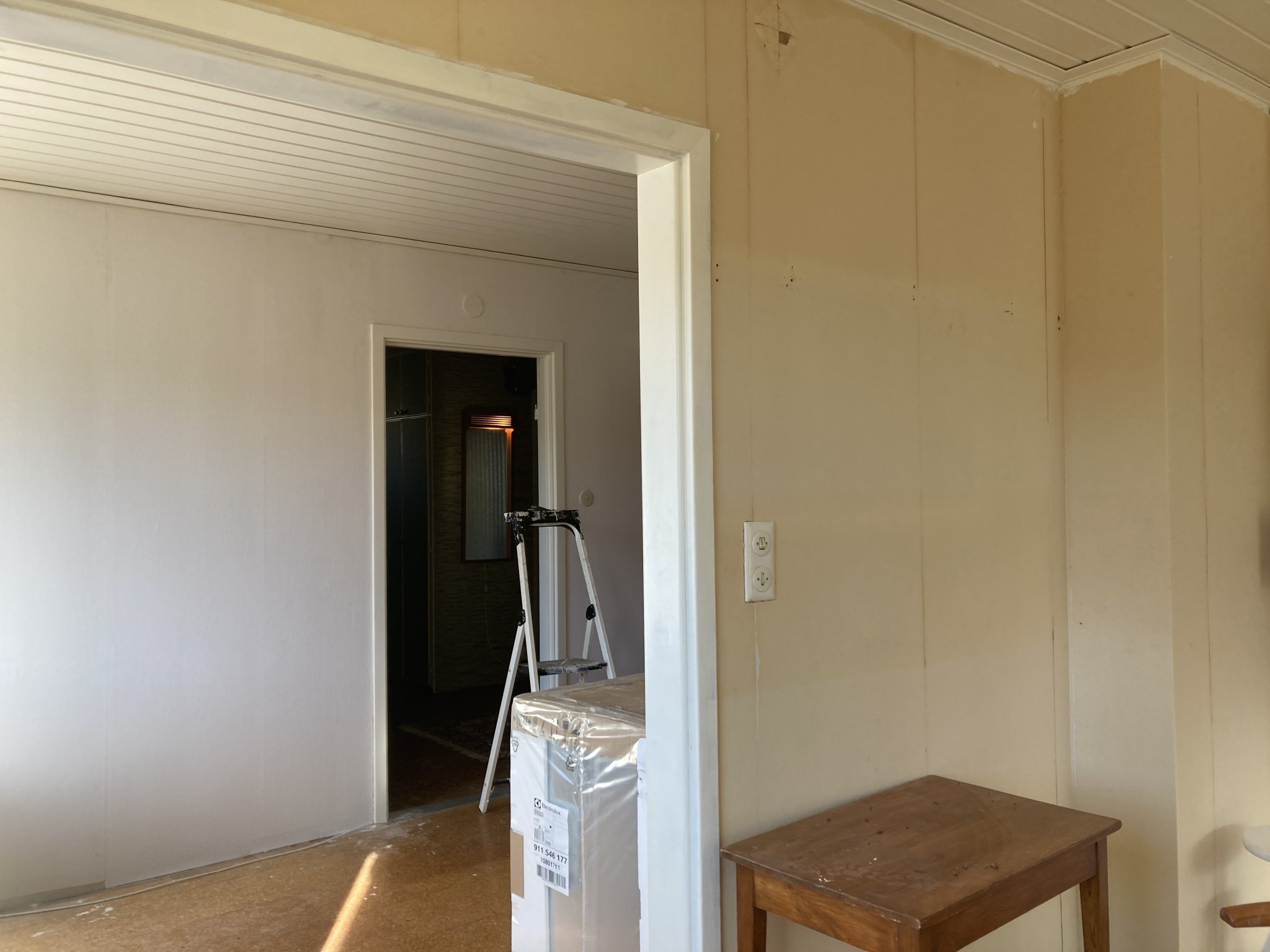
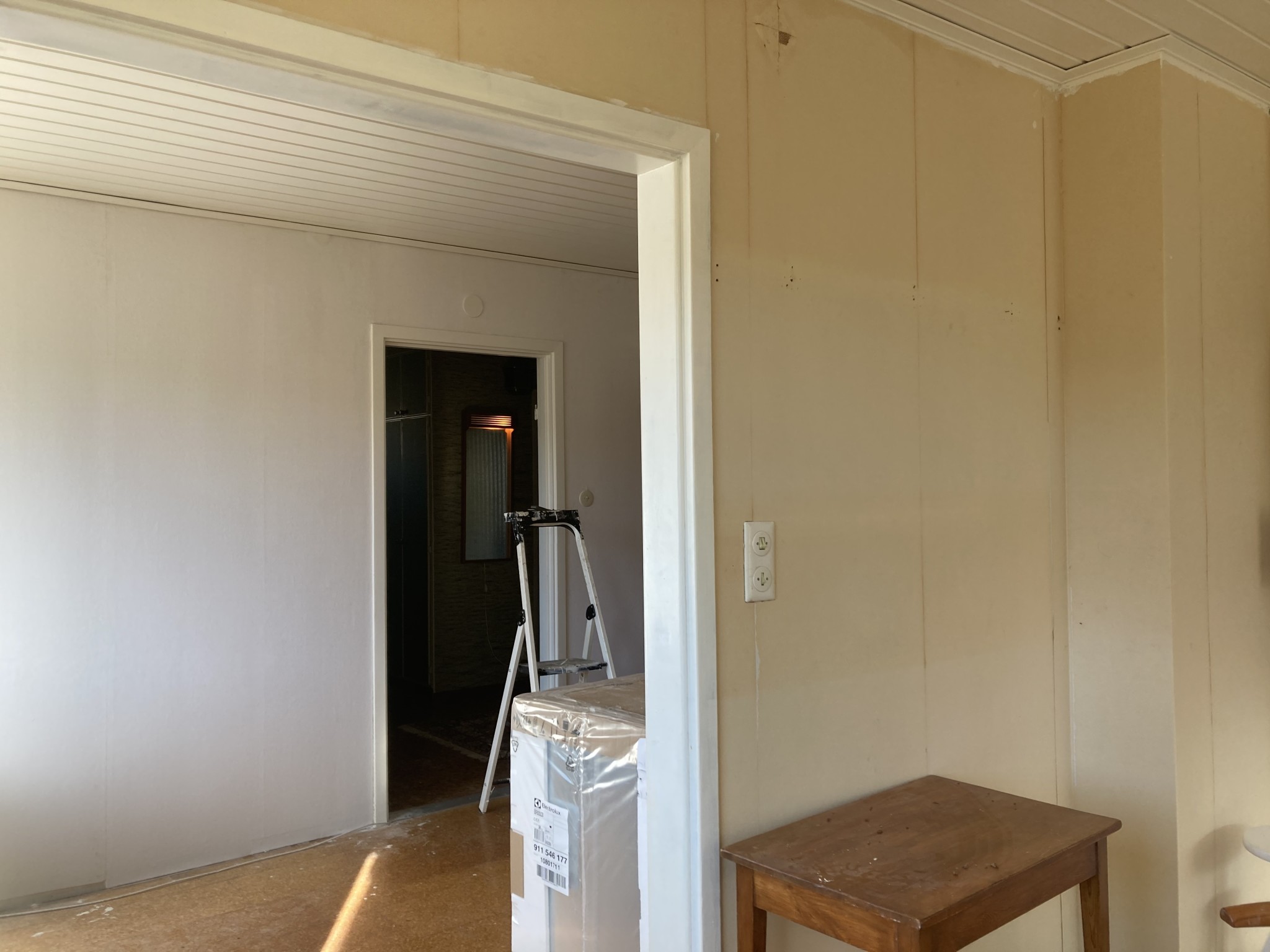
The idea is that we will widen the opening by an additional 110cm approx. See image.

What do you think? Is it safe?
 
  • Wall with old masonite showing a doorway, a small wooden table, and a ladder in the background, discussing expanding the opening by 110 cm.
splinter splinter said:
Hardly load-bearing. But what else can you say? Do you know if it's a regular drywall-clad stud wall? How thick is it?
About 12 cm thick wall with old masonite.
The idea is to widen the opening by an additional 110 cm approx. See image.

What do you think? Safe?
 
  • Wall with old masonite, doorway leading to another room, small table, and ladder visible. Room will modify wall opening by 110 cm.
I think it's calm.
 
That far to the side, my amateur eye decides it is not load-bearing. However, 120 studs sound thick for a regular interior wall.
 
Hejochhåvadetgår Hallejulia said:
About 12 cm thick wall with old masonite. The idea is that we will widen the opening by an additional 110cm or so. See picture.

What do you think? Safe?
That's not a load-bearing wall. Just go ahead and tear it down.
 
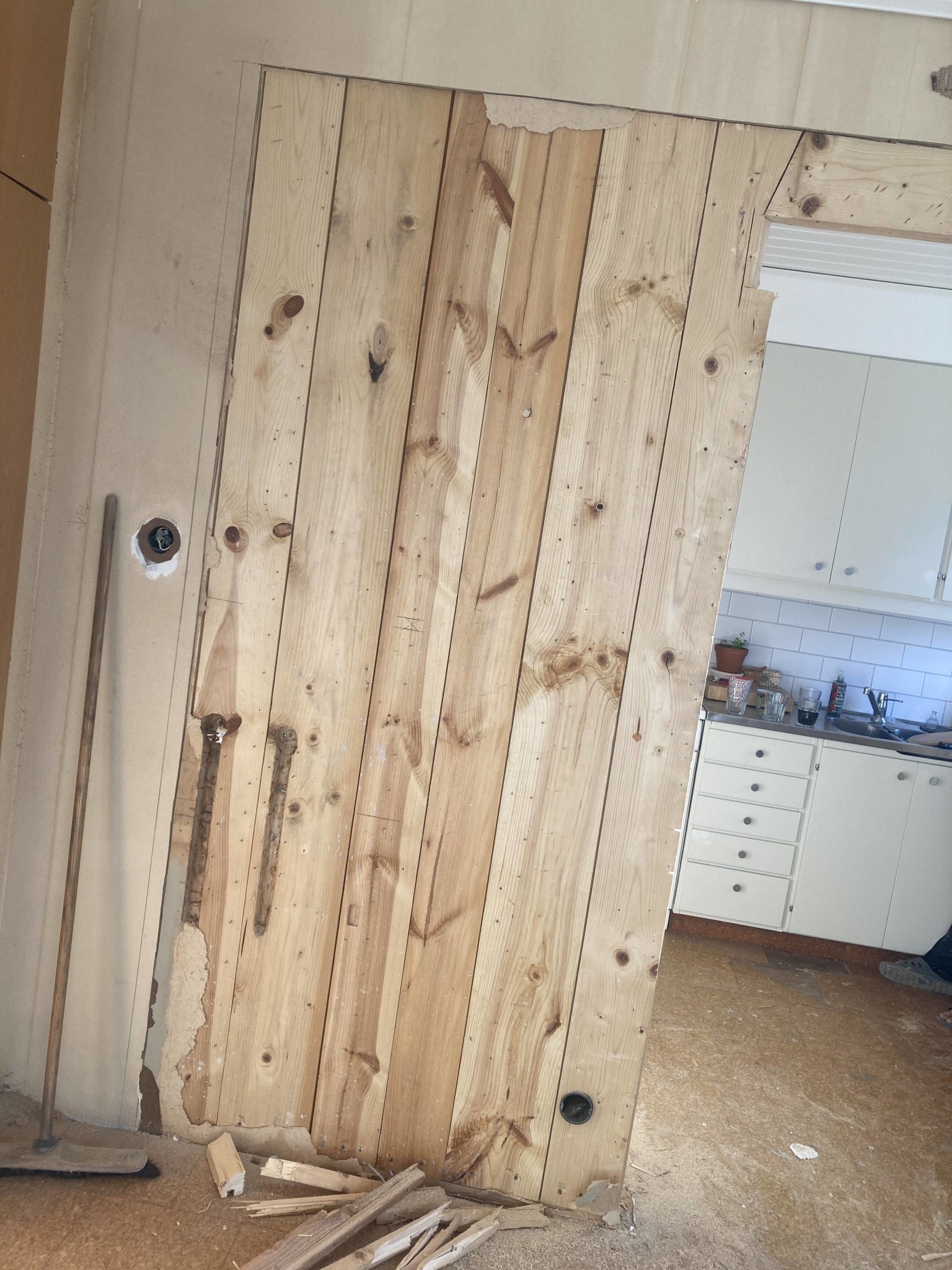
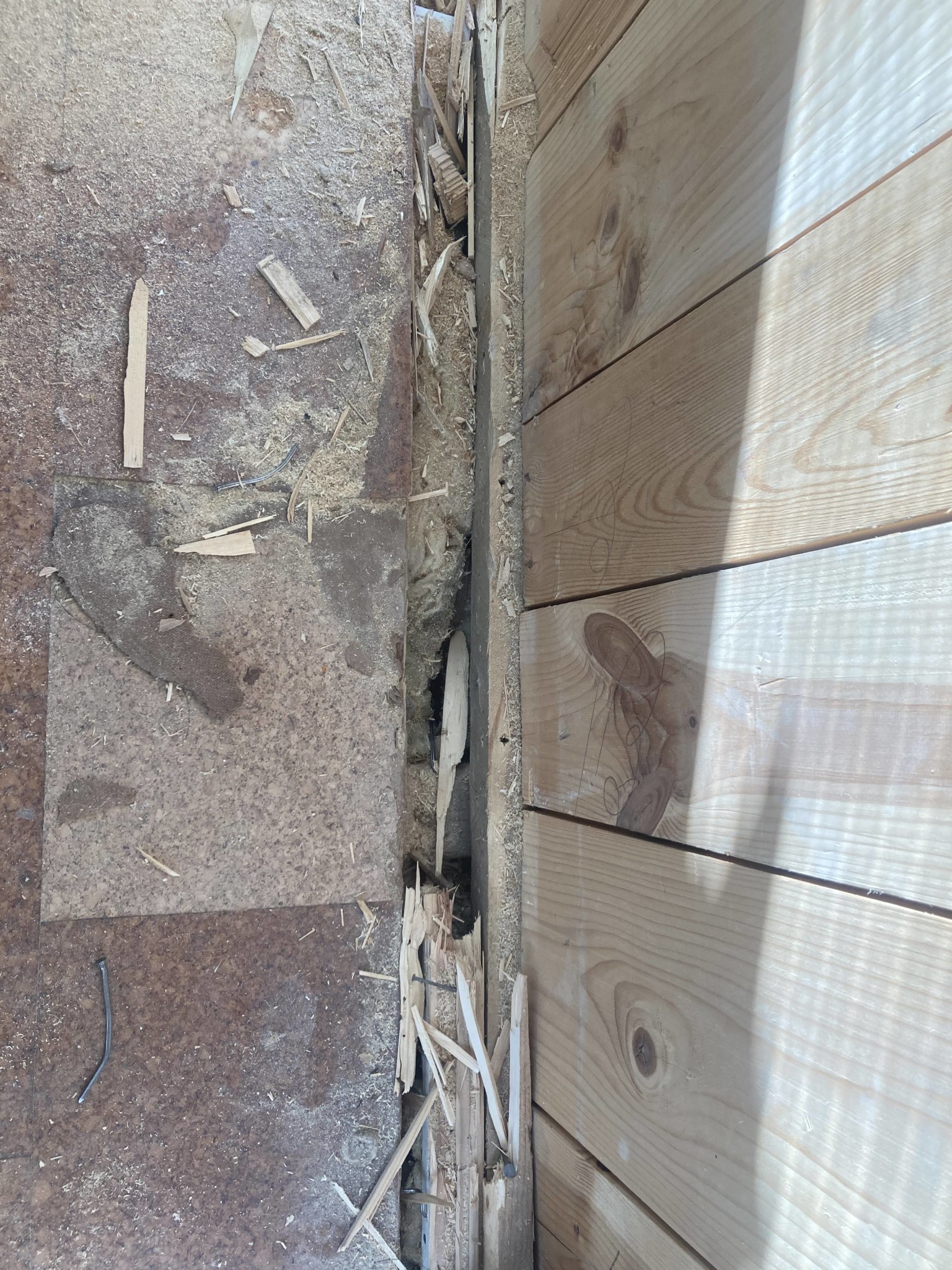
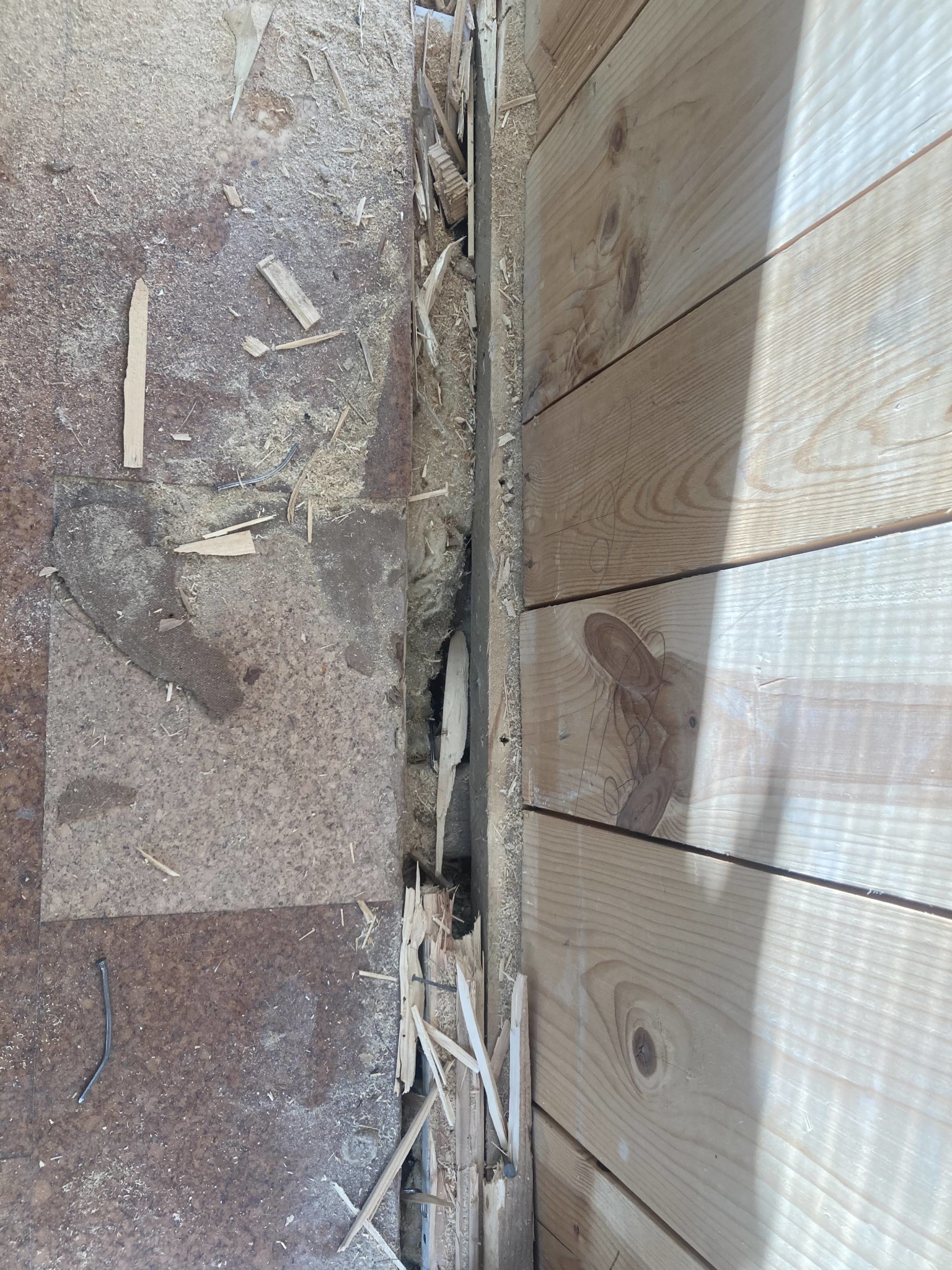
Previously asked here on the forum whether a wall is likely to be load-bearing or not. The idea is to widen the opening by about 1 meter. The reason we are now uncertain is due to the thick tongue and groove boards (45mm boards) found behind the masonite. So I ask again, what do you think? See attached images of the drawing and the wall.
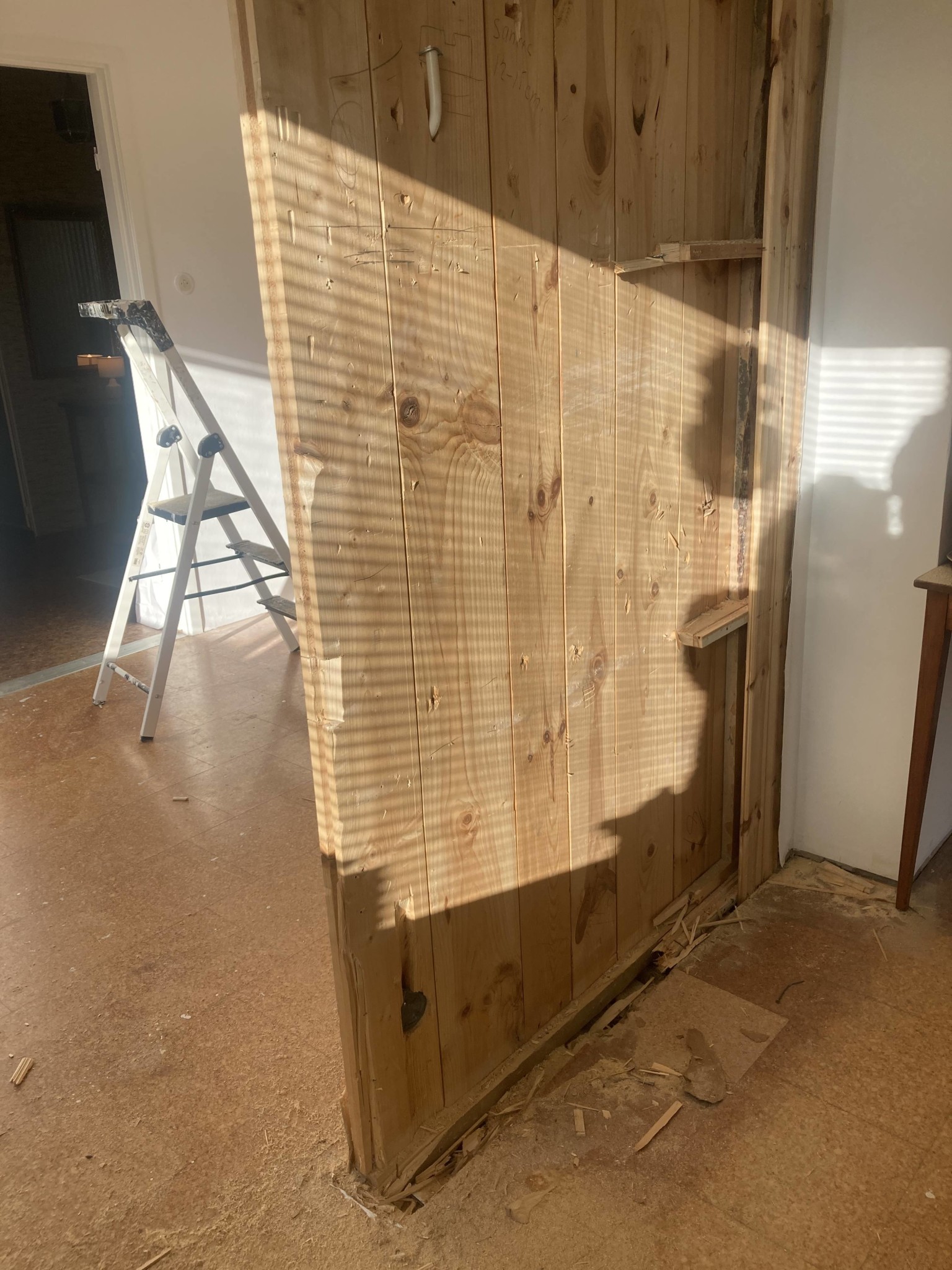
 
  • Wooden wall panel under renovation, with surrounding shadows, exposed floor edges, and a visible stepladder in the background.
  • Wooden wall partially installed during renovation, with tools and debris on the floor. Kitchen area visible in the background.
  • Damaged wooden wall and floor corner with debris and a loose nail on the surface.
  • Floor plan of a house showing rooms labeled in Swedish, with a red circle highlighting an area between kitchen and dining room.
Previously asked here on the forum whether a wall is likely to be load-bearing or not. The idea is to widen the opening by about 1 meter. The reason we are now uncertain is due to the thick tongue and groove boards (45mm boards) found behind the masonite. So I ask again, what do you think? See attached images of the drawing and wall.

 
Images?
 
I wouldn't think that wall is load-bearing, but it's difficult to assess when you only see a small part of the floor plan. The wall is a two-inch plank wall. The entire house is built with those, whether load-bearing or not. Possibly they are a bit thicker in the exterior walls.
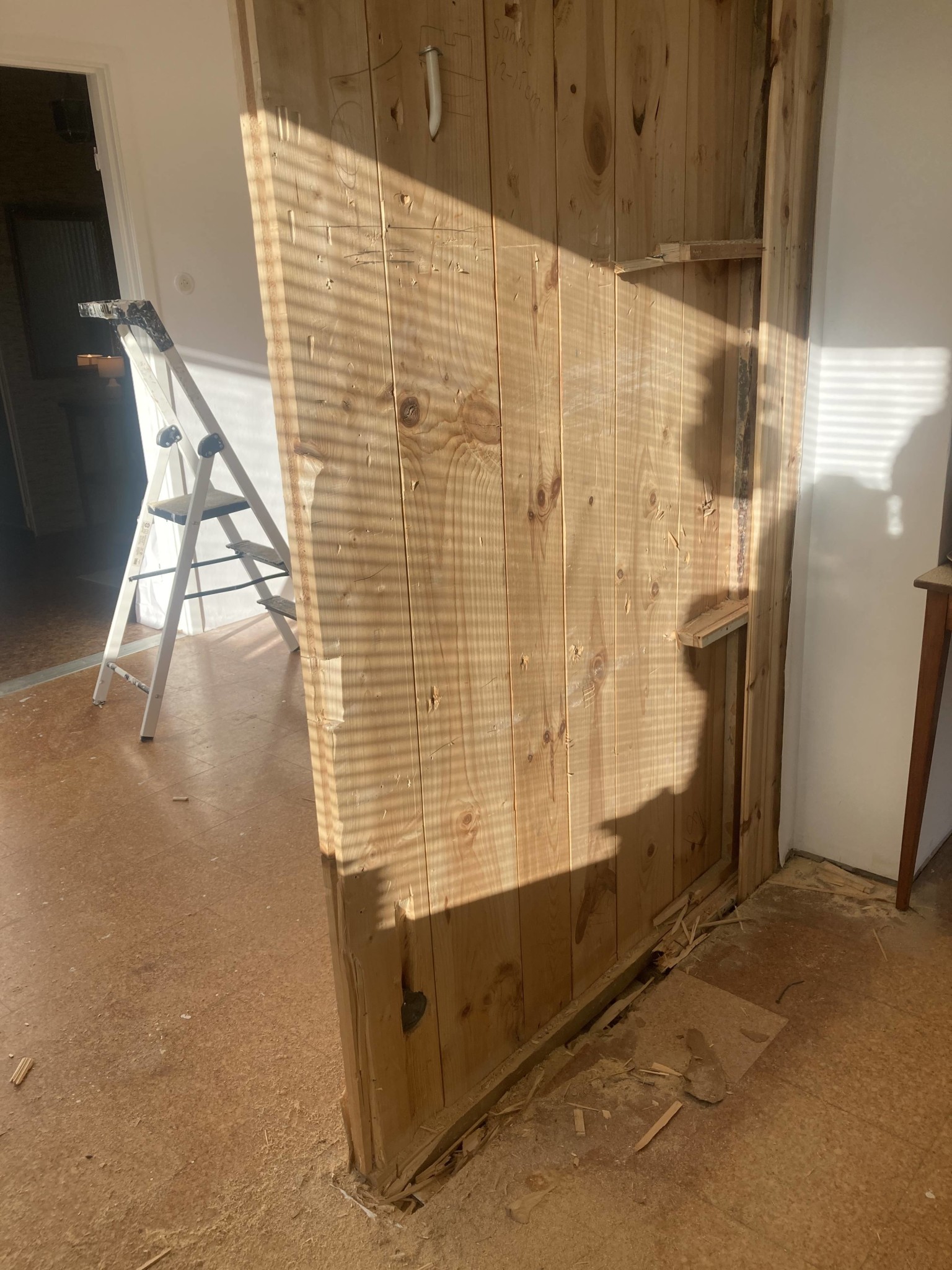
 
Trying to upload the images again
K Kane said:
Images?
 
  • Wooden door frame with visible damage at the bottom, sunlight casting shadows, and a step ladder in the background on a wooden floor.
  • Gap between wooden wall paneling and floor with scattered wood debris and a visible nail.
  • Floor plan sketch with highlighted dining area.
  • Wooden wall under construction in a kitchen area with tools and debris on the floor.
  • Like
Kane
  • Laddar…
T TheGame said:
That far to the side, my amateur eye decides it's not load-bearing.
120 studs, on the other hand, sound thick for a regular interior wall
120 studs? Where do you see that info?
 
K Kane said:
120 studs? Where do you see that info?
I don't know, probably misread the 12cm thick wall.
 
Click here to reply
Vi vill skicka notiser för ämnen du bevakar och händelser som berör dig.