Hello.
I am renovating my bathroom in an apartment from 1906.
Probably, there were no bathrooms in the building originally, so everything is "retrofit" from when the building was constructed.
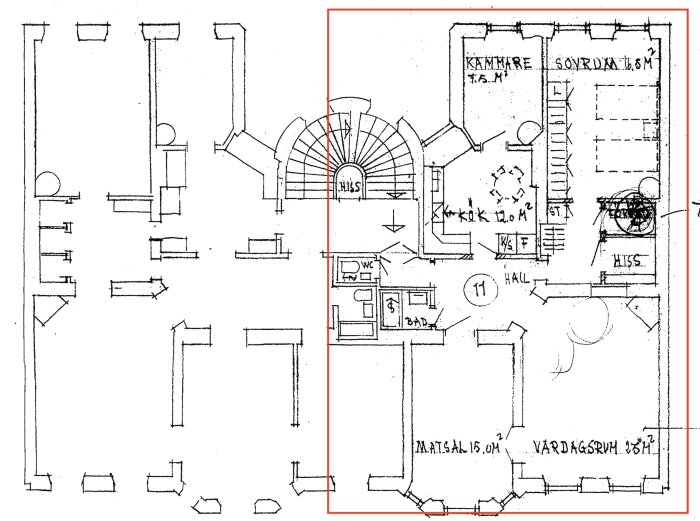
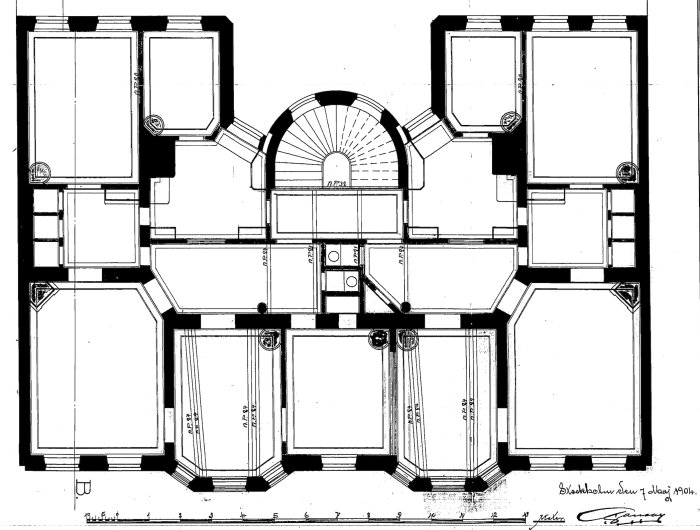
I have found some old drawings from 1904-1906 on the Stockholm city website. I am attaching them to the thread as well.
We have an L-shaped bathroom where the "shower corner" is only 70cm wide. So we have asked the builders to try to snatch as much space as possible after they have torn down the old tiles - every centimeter is desirable.
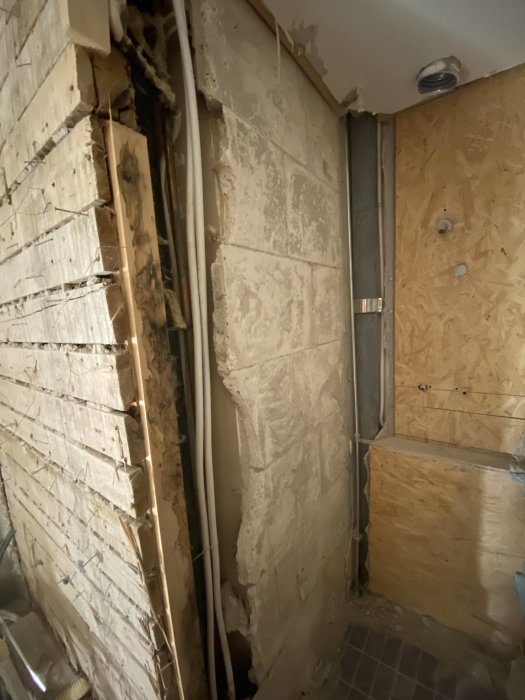
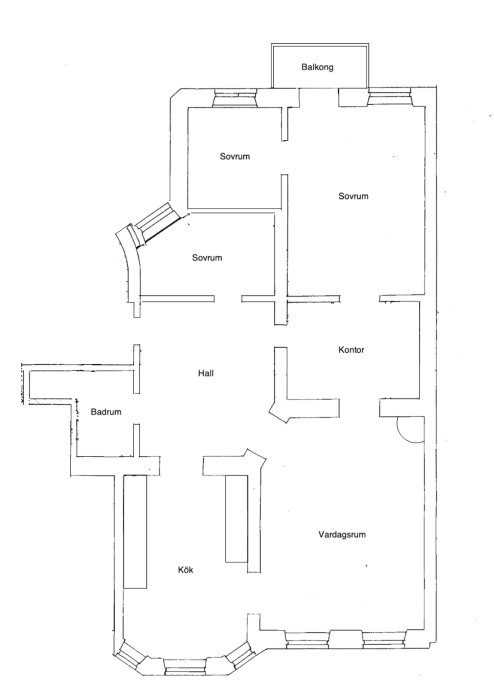
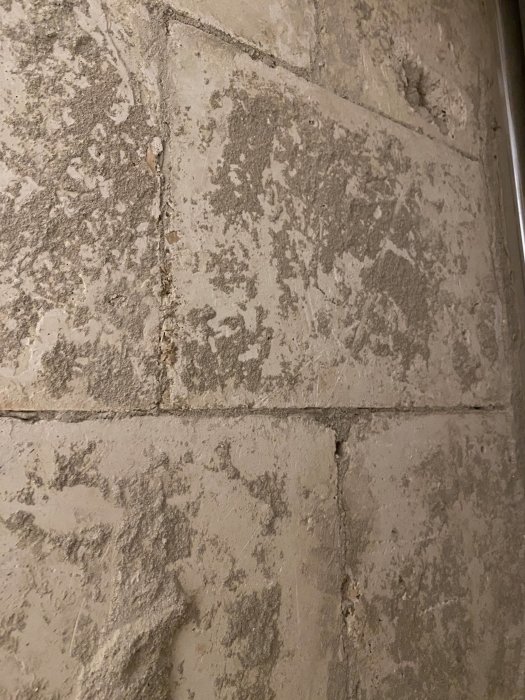
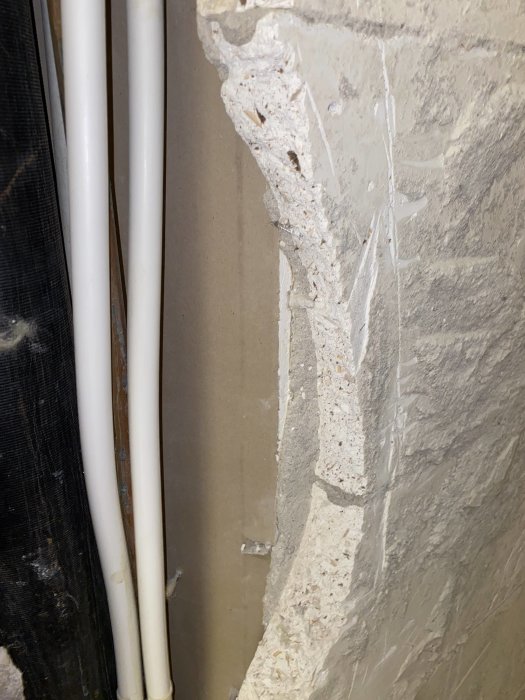
After the old tiles + moisture-resistant gypsum board were removed, it looks like this in one direction - I hope you can identify which wall it concerns in the attached drawings (old + new).
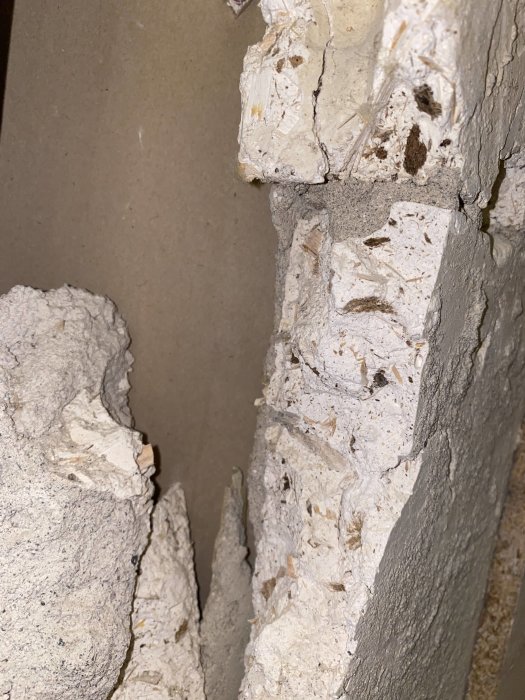
Looks like large brick blocks. But feel very light when you knock on them. Not at all solid or heavy/hard.
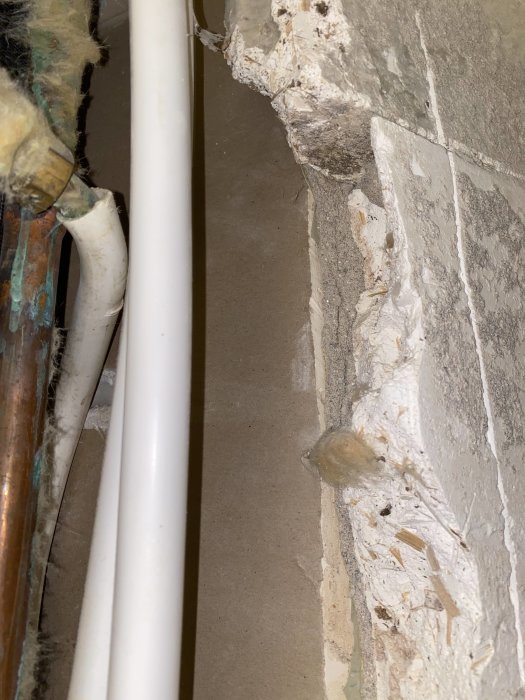
Some of it has already been chiseled out of the wall, as you can see to pull water + drain towards the laying wooden wall (which had reeds + plaster).
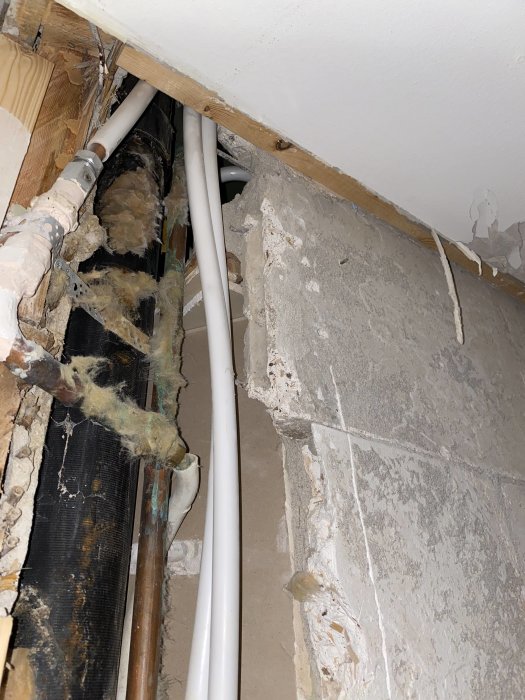
This is the 4th floor and there has been a 5th attic floor built on the attic for 10-20 years now - probably where the drain pipe goes.
Behind the wall, you can see that there is some other material. maybe the inner wall toward the neighbor?
My question is: could this wall be demolished/chiseled away to gain the 7-10cm thickness that would provide extra width in the shower area? Then build a niche around the water + drain so at least the width inside the shower becomes 7-10cm wider.
What do you think?
I am attaching more pictures + close-ups as well as old + new floor plans.
Your shower corner is the original outhouse. It likely did not contain a WC but a latrine bucket that was changed at regular intervals. The wall that limits the width is also the wall to the neighbor. It is an uncomplicated wall so it can certainly be made narrower. How much must be assessed in reality. There is some unplanned wiring that disrupts.
Your shower corner is the original outhouse. It probably didn't contain a WC but a latrine bucket that was replaced at regular intervals. The wall that limits the width is also the wall to the neighbor. It is an uncomplicated wall, so it can certainly be made thinner. How much must be assessed in reality. There's some unplanned piping that interferes.
Ah ok thanks. That makes sense.
Is that wall in that part of the house not load-bearing in any way?