
1,583 views ·
3 replies
2k views
3 replies
Load-bearing interior wall? (Again!)

Hello!
I have read I don't know how many threads here about load-bearing interior walls but I'm still not quite sure about how it looks and there seems to be great expertise here in the forum.
I'm planning to remove a wall on the upper floor of a split-level house. The trusses are of the truss type (W) and according to the rule of thumb, the dimensions and span indicate that the house should be free-standing. The wall is also built with 45x45 studs and single drywall, so very weak. So far, everything suggests that the wall is not load-bearing at all.
But... I tried cutting the studs, which went well, but after a few minutes to an hour the studs are now jammed, with pressure from above. However, a box has been built in the ceiling for ventilation, which is integrated with the studs I have cut, so it could be that which "hangs down" a bit.
The question now is if one can say with certainty that the wall is not load-bearing considering the truss construction and the weak dimensions of the wall? To top it all off, the wall runs parallel to the ridge and was built before the ceiling, but as mentioned it is part of a box construction in the ceiling. Or has there been settling in the house, built in 1982, so that the wall has now become load-bearing/supporting? On the drawing I have, all the walls on the upper floor are drawn narrowly while the concrete walls on the ground floor are thicker.
Thanks in advance!
Best regards,
Johan
I have read I don't know how many threads here about load-bearing interior walls but I'm still not quite sure about how it looks and there seems to be great expertise here in the forum.
I'm planning to remove a wall on the upper floor of a split-level house. The trusses are of the truss type (W) and according to the rule of thumb, the dimensions and span indicate that the house should be free-standing. The wall is also built with 45x45 studs and single drywall, so very weak. So far, everything suggests that the wall is not load-bearing at all.
But... I tried cutting the studs, which went well, but after a few minutes to an hour the studs are now jammed, with pressure from above. However, a box has been built in the ceiling for ventilation, which is integrated with the studs I have cut, so it could be that which "hangs down" a bit.
The question now is if one can say with certainty that the wall is not load-bearing considering the truss construction and the weak dimensions of the wall? To top it all off, the wall runs parallel to the ridge and was built before the ceiling, but as mentioned it is part of a box construction in the ceiling. Or has there been settling in the house, built in 1982, so that the wall has now become load-bearing/supporting? On the drawing I have, all the walls on the upper floor are drawn narrowly while the concrete walls on the ground floor are thicker.
Thanks in advance!
Best regards,
Johan
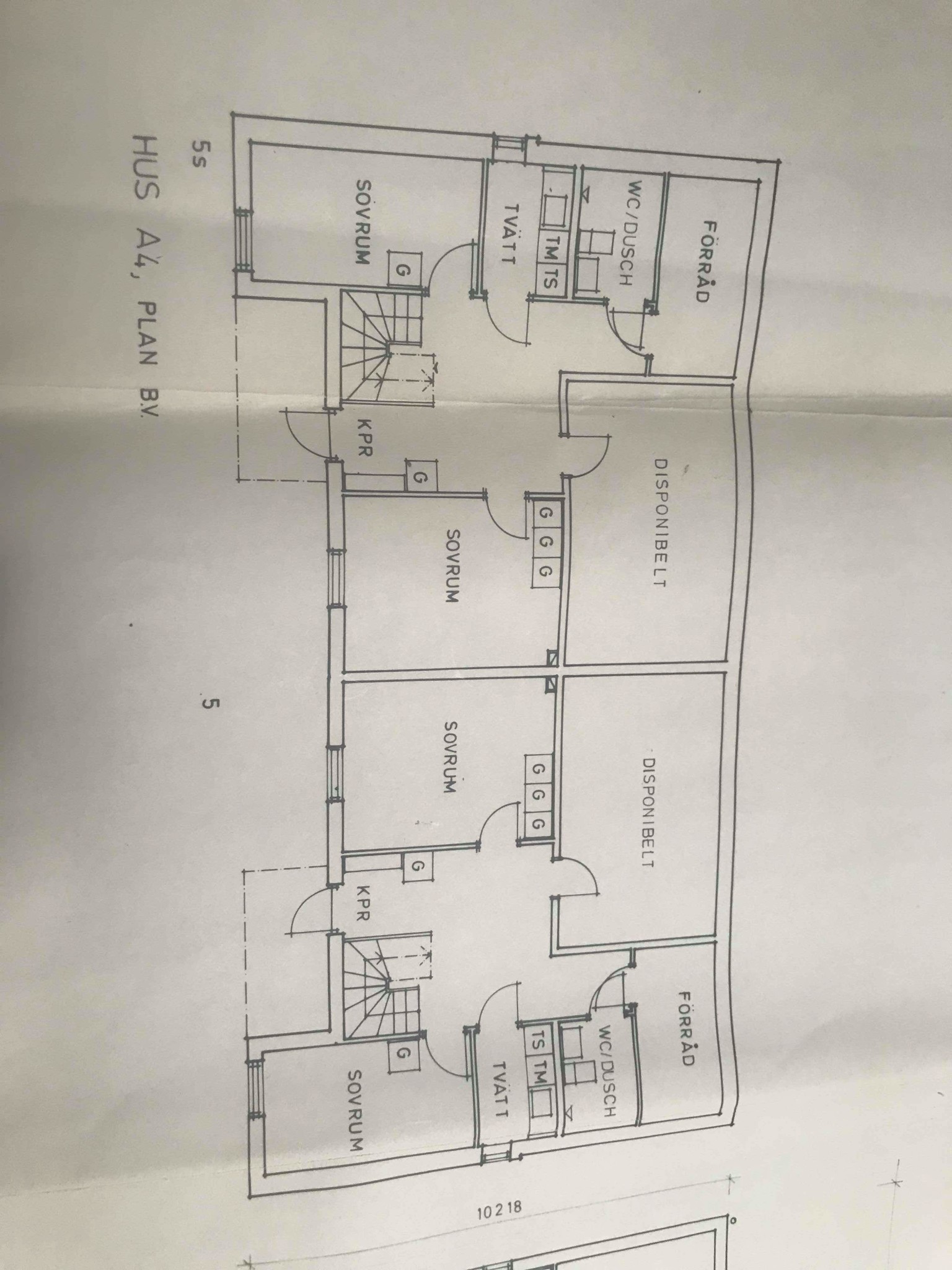
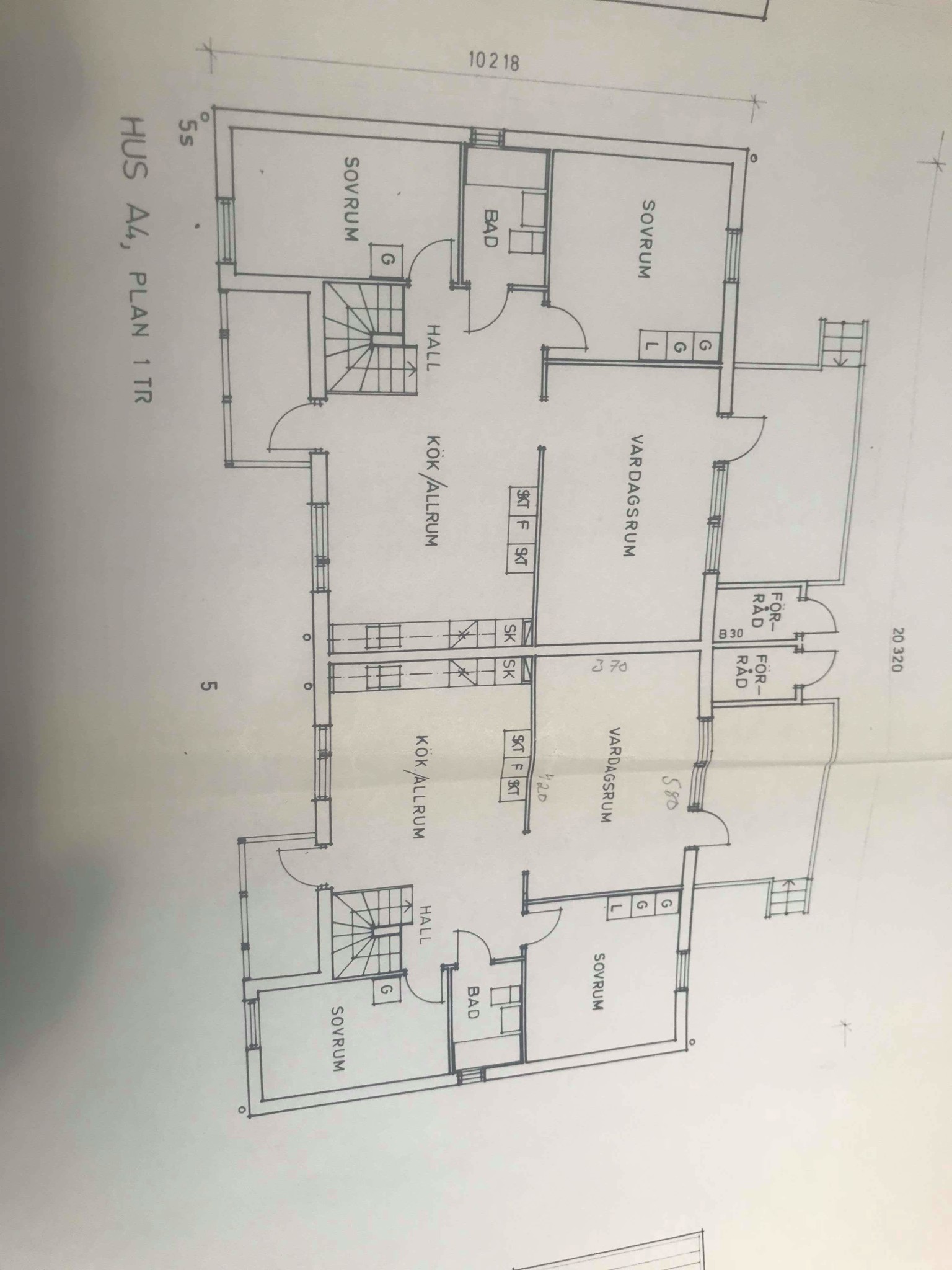

The trusses are surely intended to be self-supporting from the start. If their dimensions match those in the Wood Guide https://www.traguiden.se/konstrukti...akstol-taklutning-12-27/?previousState=100000 for the same span, roof pitch, and snow zone, you need not be particularly worried. The question remains as to why they are still sagging? Such trusses are not made for storage in the attic. Changes in the roof structure (additional insulation etc.) can also have an impact.
Thanks for the answer! Everything is original in the attic, no storage.J justusandersson said:The roof trusses are certainly intended to be self-supporting from the start. If their dimensions match the Träguide's [link] for the same span, roof pitch, and snow zone, there is no need to be particularly worried. It remains to explain why they still sag? Such trusses are not made for storage in the attic. Changes in the roof structure (additional insulation etc.) can also have an impact.
But it was just solved, had a knowledgeable person over who said they can never be load-bearing and ripped them away...
 The reason they sagged a bit was that the ventilation box now has no support from beneath and is "hanging" from the beam above. Once the braces were clamped, they didn't sag any more when removed. So now the wall is gone and we're going to start remodeling the kitchen.
Click here to reply
Similar threads
-
Load-bearing interior walls in a villa from 1936?
Building Materials and Construction Technology -
Bärande innerväggar,eller
Attefallshus, friggebod, garage & andra småhus -
"Self-supporting" trusses over partially outer wall/partially inner wall.
Building Materials and Construction Technology -
Identifiera bärande innervägg
Utbyggnad och tillbyggnad -
Load-bearing interior wall (main info in English)
Building Materials and Construction Technology