
13,905 views ·
19 replies
14k views
19 replies
Laying insulation directly on concrete floor?
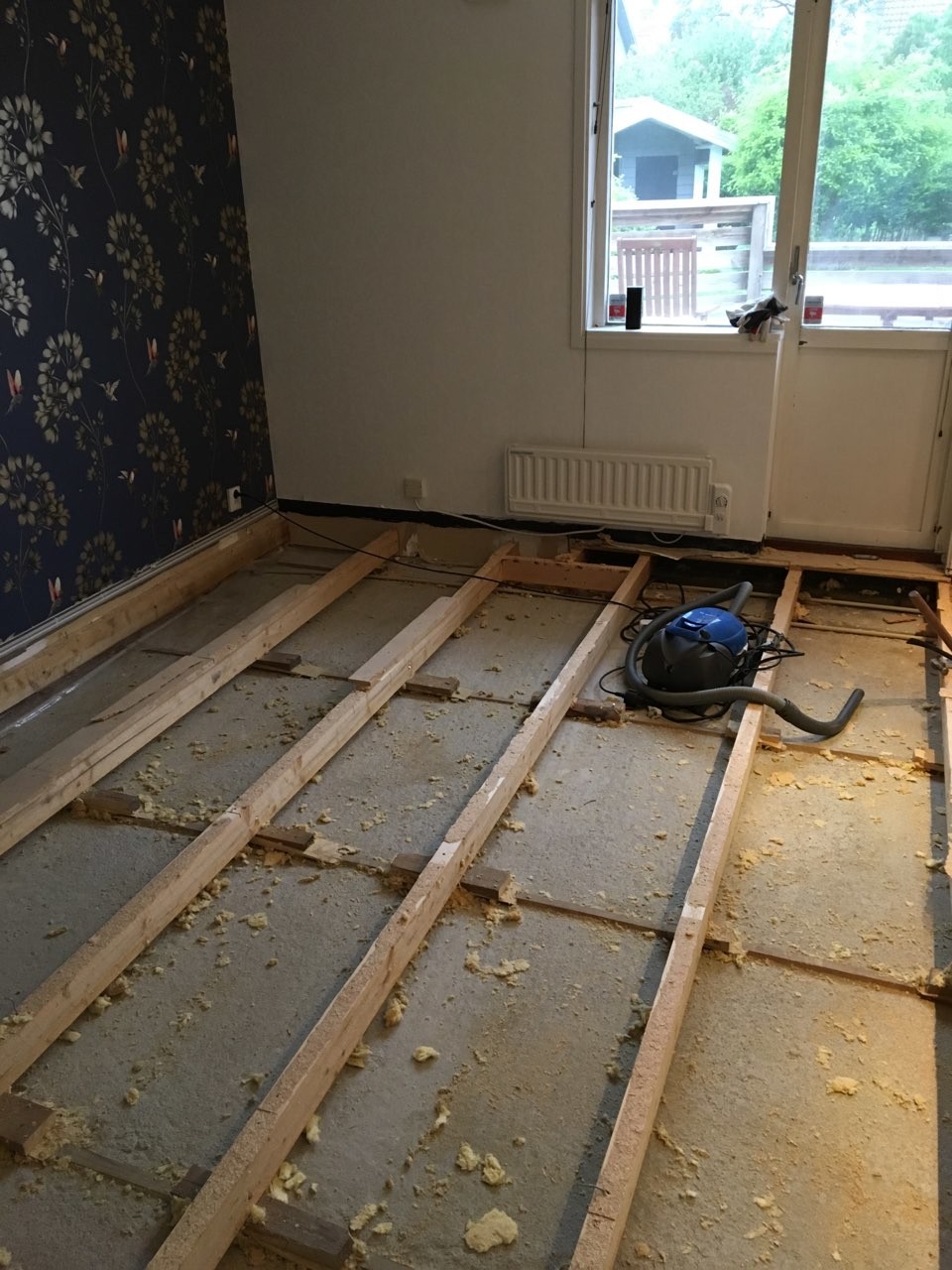
If it is a previously uninsulated slab on grade, I would install some form of ventilation directly against the slab, like a Platon mat, preferably with an exhaust fan to keep the slab dry. Then remove the pressure-treated wood and probably the studs as well, to instead place floating foam insulation on the Platon mat (how high is it built today from the slab to the top of the studs?). To do it properly, such a project should be designed by, for example, Isola and encompass the entire ground floor. However, many basement family rooms have only a Platon mat directly against the concrete with insulation on top, without active ventilation. At least it prevents direct contact with organic material.
Won't any moisture rise into the walls if you have a Platon membrane?hordak said:
If it is a previously uninsulated slab on ground, I would install some form of ventilation directly against the slab, like Platon membrane, preferably with an exhaust fan to keep the slab dry. Then remove the pressure-treated wood and probably also the studs to instead lay floating extruded polystyrene on the Platon membrane (how high does it currently build from the slab to the top of the studs?). To get it completely right, such things should be designed by, for example, Isola and encompass the entire ground floor. But many basement living rooms only have Platon membrane closest to the concrete and insulation on top, without active ventilation. At least it prevents direct contact with organic material.
Logically, there should not be more moisture coming up the walls because you have a Platon mat on the floor. Mechanical ventilation is preferable, but otherwise, you make upturns against the walls and install a ventilated baseboard.
Okay, it might be good to do that... it feels so wrong to lay the insulation boards directly on the slab... it was like that before, however, without an issue.mexitegel said:
The idea is that the air gap formed should facilitate the drying of the slab from moisture coming from below/outside. It somewhat depends on the condition of the ground where most of the moisture comes from. In our house with an uninsulated (from below) slab, the previous owner had installed Platon mat with active ventilation, which then drew down warm indoor air through the skirting boards in certain places. All interior walls stood directly on the slab, but it still seemed like we had a good capillary-breaking layer under the slab since most of the moisture was found along the outer walls, with a pressure-treated sill. Therefore, we cut the panel from outside and replaced it with sill insulation and non-impregnated sill as it occasionally smelled from the previous one.
Okay, my sills are without any remarks... but I have caulking under the sills.. maybe I should remove that and place sill paper under the sills instead?The idea is that the air gap created should make it easier for the slab to dry from moisture coming from below/outside. It probably depends a bit on the nature of the ground where most of the moisture comes from. In our house with an uninsulated (from below) slab, the previous owner had installed Platon mat with active ventilation, which then pulled down warm indoor air through the baseboards in certain places. However, all interior walls still stood directly on the slab, but it seemed that we had a good capillary-breaking layer under the slab as most moisture was found along the outer walls, with the pressure-treated sill. Therefore, we cut the panel from the outside and replaced it with sill insulation and non-impregnated sill as it smelled from the previous one from time to time.
Okay, nice. The insulation seems like it's there to isolate, so there should be an air gap between the sill and the slab, meaning not the entire width of the sill rests on the concrete? The part that doesn't rest against it isn't exposed to as much moisture because of the air gap that the insulation fills, assuming the insulation isn't wet? In that case, you could insert sill insulation under the insulation, or replace it with a backing rod or something similar to create moisture resistance there. Then there's the question of whether there's anything between the slab and the part of the sill that the house stands on, or if it's wood directly against potentially damp concrete? But as you mentioned, the exterior walls are okay, so maybe it's not an issue.
Yes, there's an air gap between the sill and the sealant, as far as I can see no sill directly on the concrete... can't really tell if the sealant is wet either, a bit hard to see/feel.Ok, good. The sealants seem like they're there for insulation, so there should be an air gap between the sill and the slab, with the entire width of the sill not resting on the concrete. The part that isn't in contact isn't exposed to as much moisture due to the air gap filled by the sealants, unless the sealants are wet? In that case, you could apply sill insulation under the sealants, or replace it with backer rod or something similar for moisture resistance. Then the question is whether there's anything between the slab and the part of the sill the house stands on, or if it's wood directly on potentially damp concrete? But as you mentioned, the exterior walls are fine, so it might not be an issue.
It's indeed a risk construction to do so, but if it has worked before, then why not.L Caxa89 said:
A Platon mat is feasible, but then you need ventilation and complete ventilation in the baseboards (which, in my opinion, isn't particularly nice).
Very aware of the risksunnis said:
 Can't you put some form of foam board directly on the slab and then insulation? Foam boards don't absorb moisture in the same way, right? Maybe I'm completely dreaming.
Member
· Västernorrland
· 11 695 posts
What was it originally?

Is it really an uninsulated slab on ground?