

Hi
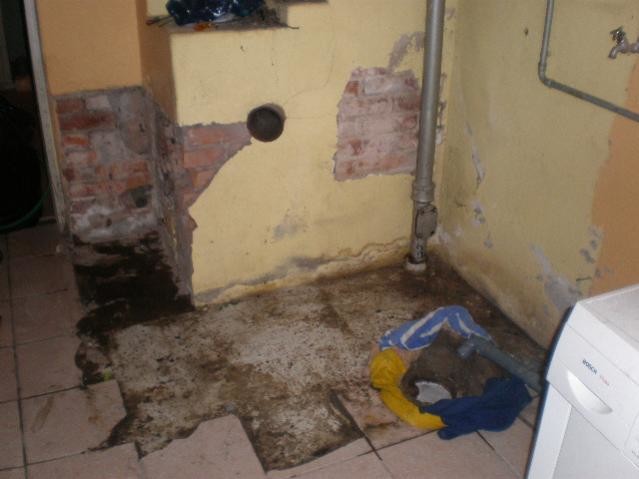
I'm considering remodeling the laundry room (12 sqm) in the basement with tiles and a new floor drain.
The house has an uninsulated thin slab without a waterproofing membrane against the existing tiles.
The walls are concrete/stone.
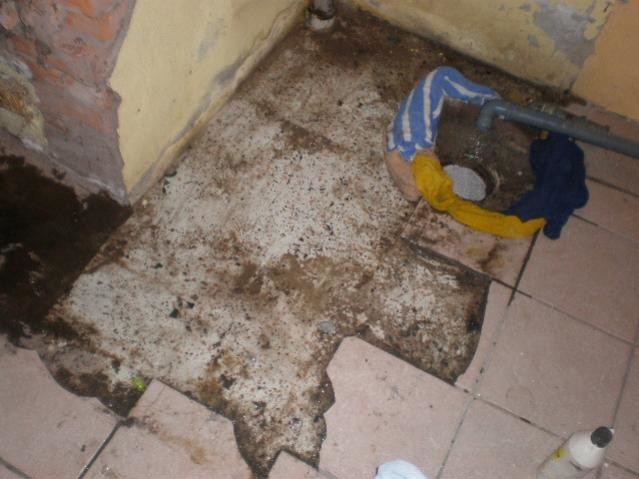
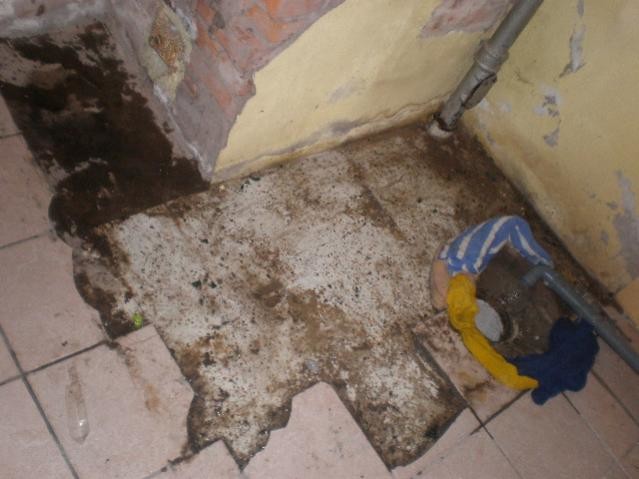
Where the floor drain is, there used to be accumulator tanks and there are no tiles on the floor, I have leftover tiles of the same type so I could "patch up" where it's missing.
I currently have an old cast iron floor drain that needs to be replaced, the slope towards it is poor, and it can't handle the discharge from the washing machine, resulting in a lot of water on the floor.
Option 1: Replace the floor drain and possibly the drainpipe a bit, fix the slope, lay new tiles around the drain.
Option 2: Remove all tiles, replace the floor drain and possibly the drainpipe a bit, apply a waterproofing membrane, underfloor heating, new drain, tiles.
Naturally a lot more work but there's a lot of work with option 1 as well.
The main reason I'm considering option 2 is the lack of a waterproofing membrane.
Option 1 is naturally cheaper and less work, but I'm afraid I'll regret it later.
What do you think about the costs?
Help!
Regards,
Simon
I'm considering remodeling the laundry room (12 sqm) in the basement with tiles and a new floor drain.
The house has an uninsulated thin slab without a waterproofing membrane against the existing tiles.
The walls are concrete/stone.
Where the floor drain is, there used to be accumulator tanks and there are no tiles on the floor, I have leftover tiles of the same type so I could "patch up" where it's missing.
I currently have an old cast iron floor drain that needs to be replaced, the slope towards it is poor, and it can't handle the discharge from the washing machine, resulting in a lot of water on the floor.
Option 1: Replace the floor drain and possibly the drainpipe a bit, fix the slope, lay new tiles around the drain.
Option 2: Remove all tiles, replace the floor drain and possibly the drainpipe a bit, apply a waterproofing membrane, underfloor heating, new drain, tiles.
Naturally a lot more work but there's a lot of work with option 1 as well.
The main reason I'm considering option 2 is the lack of a waterproofing membrane.
Option 1 is naturally cheaper and less work, but I'm afraid I'll regret it later.
What do you think about the costs?
Help!
Regards,
Simon

If you don't want to/can't be bothered to redo the entire laundry room but just want to make it function practically, I think Option 1 sounds good.
Comments/thoughts:
Waterproofing is usually only applied locally around the floor drain/shower when it's a slab on grade.
Underfloor heating is not recommended as it is uninsulated (heating for the crows).
When was the house built? It looks like it's from the early 1900s.
Is it low-ceilinged?
If you have the energy/funds and want to do it really well, I think you should:
1. Break out the old slab (often it's only about 5cm thick).
2. Dig out to then lay fiber cloth, macadam, insulation.
3. Pour a new slab with water-based underfloor heating.
It's hard work but worth it.
Comments/thoughts:
Waterproofing is usually only applied locally around the floor drain/shower when it's a slab on grade.
Underfloor heating is not recommended as it is uninsulated (heating for the crows).
When was the house built? It looks like it's from the early 1900s.
Is it low-ceilinged?
If you have the energy/funds and want to do it really well, I think you should:
1. Break out the old slab (often it's only about 5cm thick).
2. Dig out to then lay fiber cloth, macadam, insulation.
3. Pour a new slab with water-based underfloor heating.
It's hard work but worth it.
Last edited:
Thanks for the answers!
The house is from the '37 with a 2-meter ceiling height in the basement.
Today I tested running with another washing machine (modern Bosch) with a more normal draining speed.
I have an Osby 607 that drains all the water in about 3 seconds.
With the Bosch I tested today, there were no problems at all for the drain to handle the water.
The thoughts are therefore now towards simplifying option 1.
Namely, to leave the drain as it is and just lay new tiles where they are missing.
Install the newer washing machine and sell the Osby, if anyone is interested in buying such a "monster."
Let the laundry room dry up properly, then plaster where needed and paint.
Do you think I'm being cheap, lazy, and dumb now?
The idea of breaking up the slab in the entire basement sounds both tempting and intimidating.
What do you think such a comprehensive renovation would cost if you do the work yourself?
(approximately)((I know it's hard to estimate such things))(((that's why I'm asking you)))
The basement is about 75 sqm
What about the walls in my house, do you think?
Do they stand independently on footings, or do they stand on the slab?
What do you do with the interior walls?
Is it tricky to dig under them or, are they load-bearing?
The house is from the '37 with a 2-meter ceiling height in the basement.
Today I tested running with another washing machine (modern Bosch) with a more normal draining speed.
I have an Osby 607 that drains all the water in about 3 seconds.
With the Bosch I tested today, there were no problems at all for the drain to handle the water.
The thoughts are therefore now towards simplifying option 1.
Namely, to leave the drain as it is and just lay new tiles where they are missing.
Install the newer washing machine and sell the Osby, if anyone is interested in buying such a "monster."
Let the laundry room dry up properly, then plaster where needed and paint.
Do you think I'm being cheap, lazy, and dumb now?
The idea of breaking up the slab in the entire basement sounds both tempting and intimidating.
What do you think such a comprehensive renovation would cost if you do the work yourself?
(approximately)((I know it's hard to estimate such things))(((that's why I'm asking you
)))The basement is about 75 sqm
What about the walls in my house, do you think?
Do they stand independently on footings, or do they stand on the slab?
What do you do with the interior walls?
Is it tricky to dig under them or, are they load-bearing?
Last edited:

Tearing up only the old old laundry room to install underfloor heating and then just using it as a laundry room sounds a bit odd to me. The purpose of tearing up and installing underfloor heating is usually to use these spaces as living areas where you spend more extended periods, for example, barefoot as in a new bathroom, with a sauna and relaxation area. If you currently have no plans to use the laundry room for anything other than laundry, then go with your simple option, i.e., fewer measures. If you change your mind in a few years, you can just bring out the demolition tool as you haven't previously spent significant money on renovations that would then be wasted.
Yes, it's difficult to calculate the cost, you'll probably need to get quotes.
Based on 75sqm:
Breaking out 5-10cm concrete is about 3.5-8 cubic meters
Dig out 30cm soil/clay becomes 22.5 cubic meters
80sqm geotextile fabric
5-10 cm capillary breaking 3.5-8 cubic meters of gravel
10-20cm insulation (preferably ground insulation, which is usually blue or pink).
80sqm reinforcement mesh and spacers.
Water-based underfloor heating or electric if you want that.
I can only say it's a really tough job.
The walls stand on their own, and you can chip a small hole near one of the outer walls to see how thick the floor is and dig down to see how far down the footing is.
You can do one room at a time, but of course, if you can do the whole basement, that's great.
For 75sqm, I would guess it takes about 6 months to do it yourself.
I can share my links.
Like others, I've dug out the basement, here are some good threads.
http://www.byggahus.se/forum/golv/28370-kaellarprojekt-aentligen-igang.html
http://www.minhembio.com/jcoboy/49727/
Here you can order geotextile fabric and gravel for capillary breaking layer.
http://www.heidelbergcement.com/se/sv/jehander/home.htm
Underfloor heating
http://www.lksystems.se/sv/LK-Systems-Sverige/Golvvarme/
A bit about the construction and risks with slab on grade.
http://www.byggnadskontroll.nu/index.aspx?site=byggnadskontroll.nu&page=3250
Underfloor heating in concrete slab on grade.
http://www.byggnadskontroll.nu/index.aspx?site=byggnadskontroll.nu&page=3252
Based on 75sqm:
Breaking out 5-10cm concrete is about 3.5-8 cubic meters
Dig out 30cm soil/clay becomes 22.5 cubic meters
80sqm geotextile fabric
5-10 cm capillary breaking 3.5-8 cubic meters of gravel
10-20cm insulation (preferably ground insulation, which is usually blue or pink).
80sqm reinforcement mesh and spacers.
Water-based underfloor heating or electric if you want that.
I can only say it's a really tough job.
The walls stand on their own, and you can chip a small hole near one of the outer walls to see how thick the floor is and dig down to see how far down the footing is.
You can do one room at a time, but of course, if you can do the whole basement, that's great.
For 75sqm, I would guess it takes about 6 months to do it yourself.
I can share my links.
Like others, I've dug out the basement, here are some good threads.
http://www.byggahus.se/forum/golv/28370-kaellarprojekt-aentligen-igang.html
http://www.minhembio.com/jcoboy/49727/
Here you can order geotextile fabric and gravel for capillary breaking layer.
http://www.heidelbergcement.com/se/sv/jehander/home.htm
Underfloor heating
http://www.lksystems.se/sv/LK-Systems-Sverige/Golvvarme/
A bit about the construction and risks with slab on grade.
http://www.byggnadskontroll.nu/index.aspx?site=byggnadskontroll.nu&page=3250
Underfloor heating in concrete slab on grade.
http://www.byggnadskontroll.nu/index.aspx?site=byggnadskontroll.nu&page=3252
Last edited:
I must say that I agree with AndersS.
Maybe you should instead focus on new machines, furniture, painting the walls (silicate paint) to feel comfortable in the laundry room.
If you think it's too cold on the floor, you can lay a good plastic mat.
Good luck
Maybe you should instead focus on new machines, furniture, painting the walls (silicate paint) to feel comfortable in the laundry room.
If you think it's too cold on the floor, you can lay a good plastic mat.
Good luck
A thousand thanks for the great answers and links!!
I will go with my simple option.
The major renovation will probably do the whole house good, but it will have to wait until money and the mood align.
Thanks again!
Simon
I will go with my simple option.
The major renovation will probably do the whole house good, but it will have to wait until money and the mood align.
Thanks again!
Simon
Click here to reply