
2,828 views ·
16 replies
3k views
16 replies
Iron in the concrete wall?
Hi gang,
I'm about to hang a heavy painting on what I thought was a concrete wall. I bought a hammer drill from Bosch and started drilling. About 1 cm in, it came to a complete stop in the wall. At first, I thought I had hit rebar, but after four more holes in different places with the same result, I now suspect it must be something else.
Emailed the landlord who said the wall is a mix of iron and concrete.
Do you think I've just been incredibly unlucky and hit rebar every time? Or does the whole wall have an iron section?
Any tips on how to proceed without spending a fortune?
Best regards, novice
I'm about to hang a heavy painting on what I thought was a concrete wall. I bought a hammer drill from Bosch and started drilling. About 1 cm in, it came to a complete stop in the wall. At first, I thought I had hit rebar, but after four more holes in different places with the same result, I now suspect it must be something else.
Emailed the landlord who said the wall is a mix of iron and concrete.
Do you think I've just been incredibly unlucky and hit rebar every time? Or does the whole wall have an iron section?
Any tips on how to proceed without spending a fortune?
Best regards, novice
Please show a picture of how the holes are drilled. What drill do you have?

Well, if you switch to a metal drill when you encounter järn and continue without hammer action until you hit concrete again, you shouldn't need to spend more than a couple of drills?
Edit: Check carefully with the landlord that there are no water or electrical lines where you're drilling if you can't ensure it yourself!
Edit: Check carefully with the landlord that there are no water or electrical lines where you're drilling if you can't ensure it yourself!
If you are drilling in reinforced concrete, you need a decent rotary hammer and a drill bit suitable for the purpose, such as the Hilti TE-CX. Then it doesn't matter what you encounter in the wall, it eats through effortlessly.
A so-called percussion drill is completely the wrong tool, it doesn't work at all.
A so-called percussion drill is completely the wrong tool, it doesn't work at all.
Absolutely, it's a better choice and the one I would choose myself.H Harald Blåtumme said:If it's drilling in reinforced concrete, you need a proper rotary hammer and a core bit suitable for the purpose, such as the Hilti TE-CX. Then it doesn't matter what you encounter in the wall; it drills through effortlessly.
A so-called hammer drill is completely the wrong tool, doesn't work at all.
But if we're talking about putting up a couple of pictures, it seems a bit overkill for the OP to acquire that.

It is unlikely that you encounter iron every time, especially one cm in. Cast iron is deeper in the wall than that.
I would think you get through the plaster with your machine, but the concrete itself will be too hard.
Post a picture of the machine and the drill you are trying to use.
If it doesn't have an SDS fitting, it is not suitable for hard concrete walls, especially not in combination with a cheap drill...
I would think you get through the plaster with your machine, but the concrete itself will be too hard.
Post a picture of the machine and the drill you are trying to use.
If it doesn't have an SDS fitting, it is not suitable for hard concrete walls, especially not in combination with a cheap drill...
I think most of us have tried to make neat holes in hard concrete walls with so-called "hammer drills" and the simple drills that are usually applicable. The result is usually an ever-bigger hole, increasing force must be applied, and great frustration over the result.anders07 said:
It's unlikely that you've encountered iron every time, especially one cm in. Cast iron is deeper than that in the wall.
I would assume you'll get through the plaster with your machine, but the concrete itself will be too hard.
Post a picture of the machine and the drill you're trying to use.
If it doesn't have an SDS chuck, then it's not suited for hard concrete walls, especially not in combination with a cheap drill...
It doesn't matter if it's just a single hole you're going to drill, equally frustrating.
The difference when using a real rotary hammer and a good drill bit is completely astonishing the first time you experience it, like night and day. If you can't afford the few hundred kronor it costs to buy a rotary hammer, you can rent one. Don't forget that you need a good drill bit too, I gave a tip on one.
Hilti TE-CX is so strong that without a problem I could hammer drill several holes in 20 mm cast iron, diameter 12 mm. These drills penetrate almost anything, intended for reinforced concrete. You might need to ensure they get appropriate cooling, that's all.

It was almost a bit comical trying to fix a number of holes in an ancient cast iron pot with an extremely thick bottom. The wife wanted this large pot for a garden project, to plant things in the pot, so drainage was needed.
I first thought this could be easily done with standard HSS metal drills. Admittedly Biltema quality, but they had no effect whatsoever on the rusty old cast iron. Dormer might have worked, who knows. So I tried switching to the hammer drill head on our old Hilti TE2-M, and used a 12 mm TE-CX drill. A lot of noise, of course, so hearing protection was needed. A little water in the bottom for cooling, through in no time.
The carbide tips turn everything in front of them into powder, just as I've seen before when using significantly larger 25 mm drills through the foundation of the heart wall in the basement, through very hard old concrete and generous reinforcement. Amazing drill bits.
I first thought this could be easily done with standard HSS metal drills. Admittedly Biltema quality, but they had no effect whatsoever on the rusty old cast iron. Dormer might have worked, who knows. So I tried switching to the hammer drill head on our old Hilti TE2-M, and used a 12 mm TE-CX drill. A lot of noise, of course, so hearing protection was needed. A little water in the bottom for cooling, through in no time.
The carbide tips turn everything in front of them into powder, just as I've seen before when using significantly larger 25 mm drills through the foundation of the heart wall in the basement, through very hard old concrete and generous reinforcement. Amazing drill bits.
Last edited:
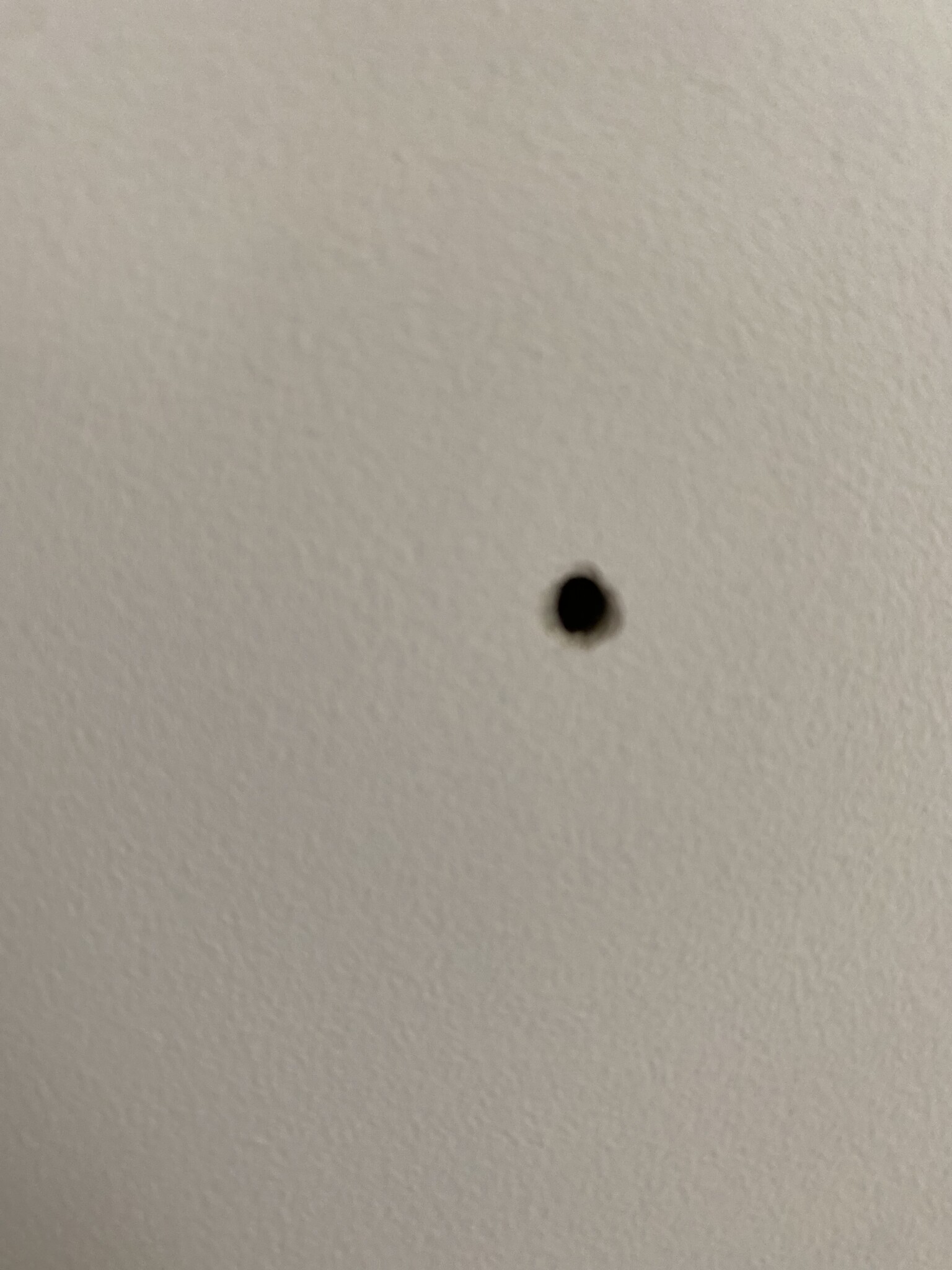
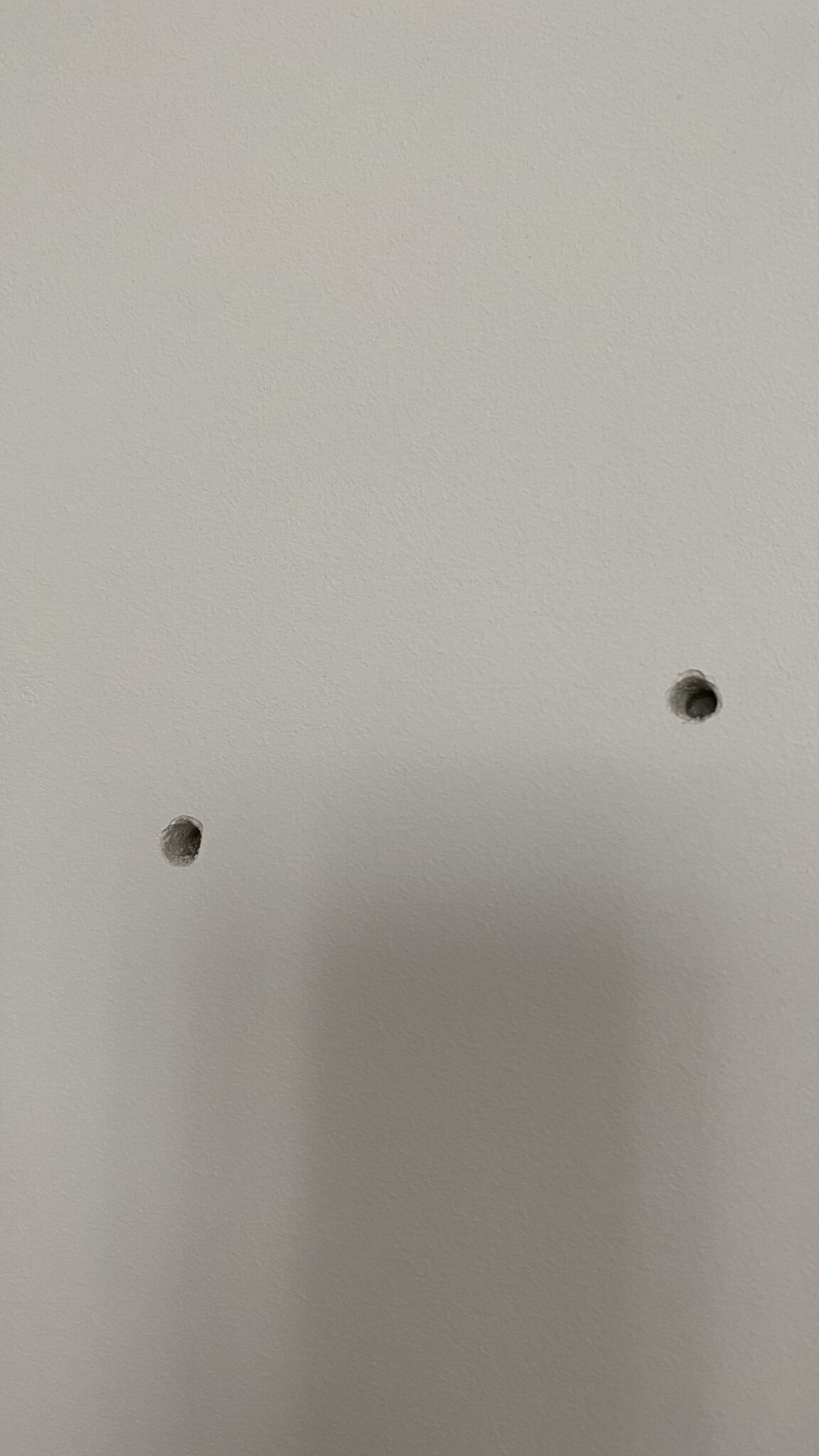
These two are the ones I bought!It's unlikely that you've encountered iron every time, especially one cm in. Cast iron is deeper than that in the wall.
I would think you can get through the plaster with your machine, but the actual concrete will be too hard.
Post a picture of the machine and the drill you're trying to use.
If it doesn't have an SDS chuck, it's not suited for hard concrete walls, especially not in combination with a cheap drill...
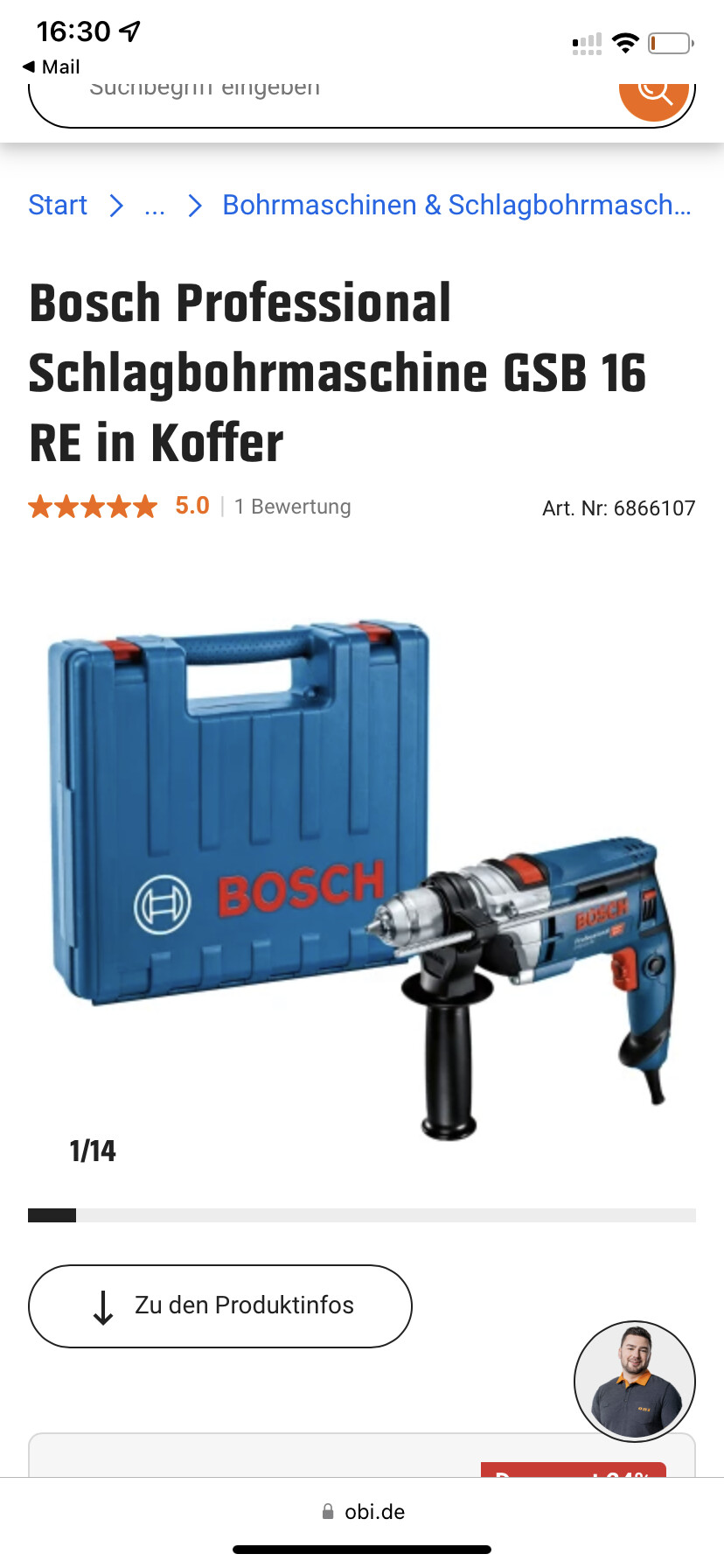
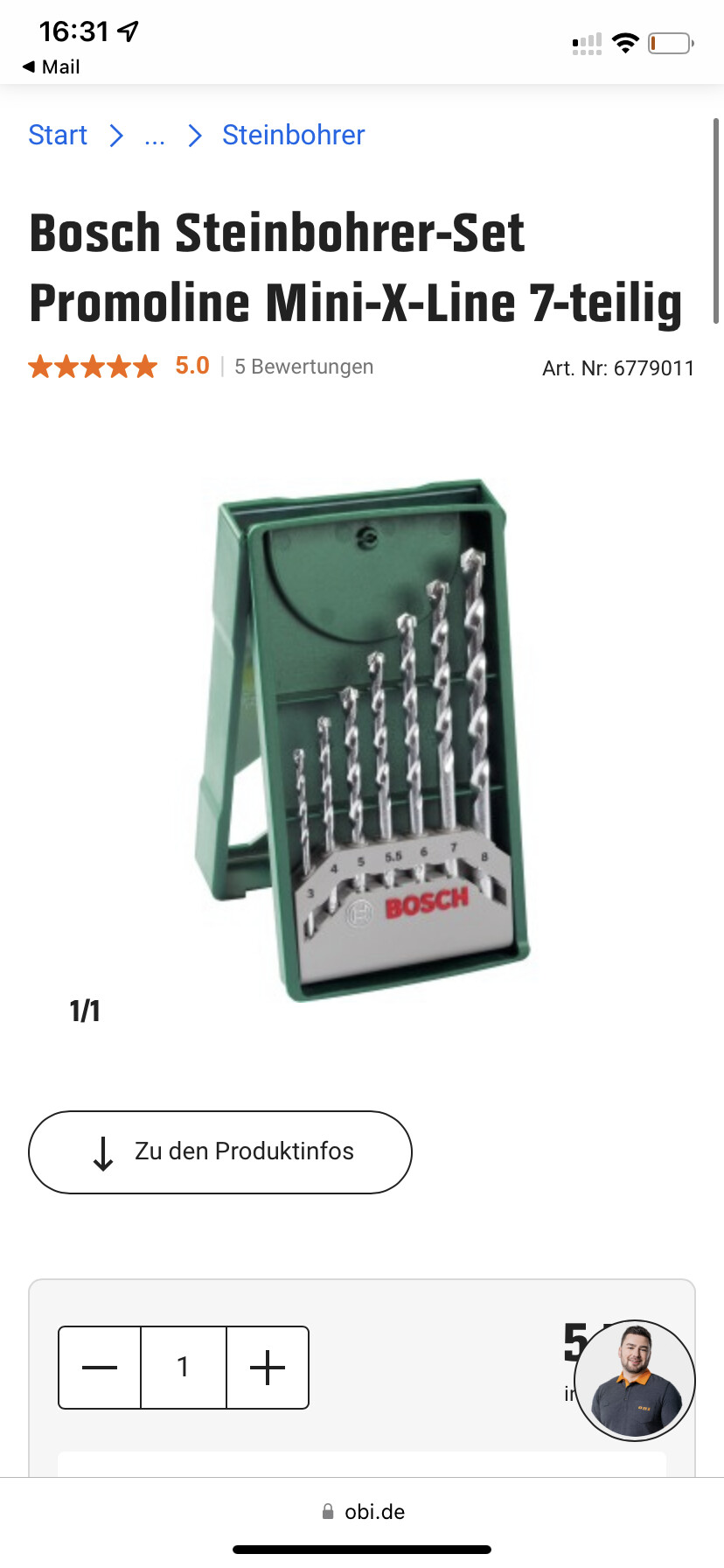
I guess I'll have to buy another one of those rotary hammers! Any suggestions on brand/model?H Harald Blåtumme said:If you're drilling in reinforced concrete, you need a decent rotary hammer and a core bit suitable for the purpose, like the Hilti TE-CX. It doesn't matter what you encounter in the wall, it will eat through it effortlessly.
A so-called impact drill is completely the wrong tool, it doesn't work at all.

I like Metabo.