4,428 views ·
23 replies
4k views
23 replies
How to plaster on damaged plaster
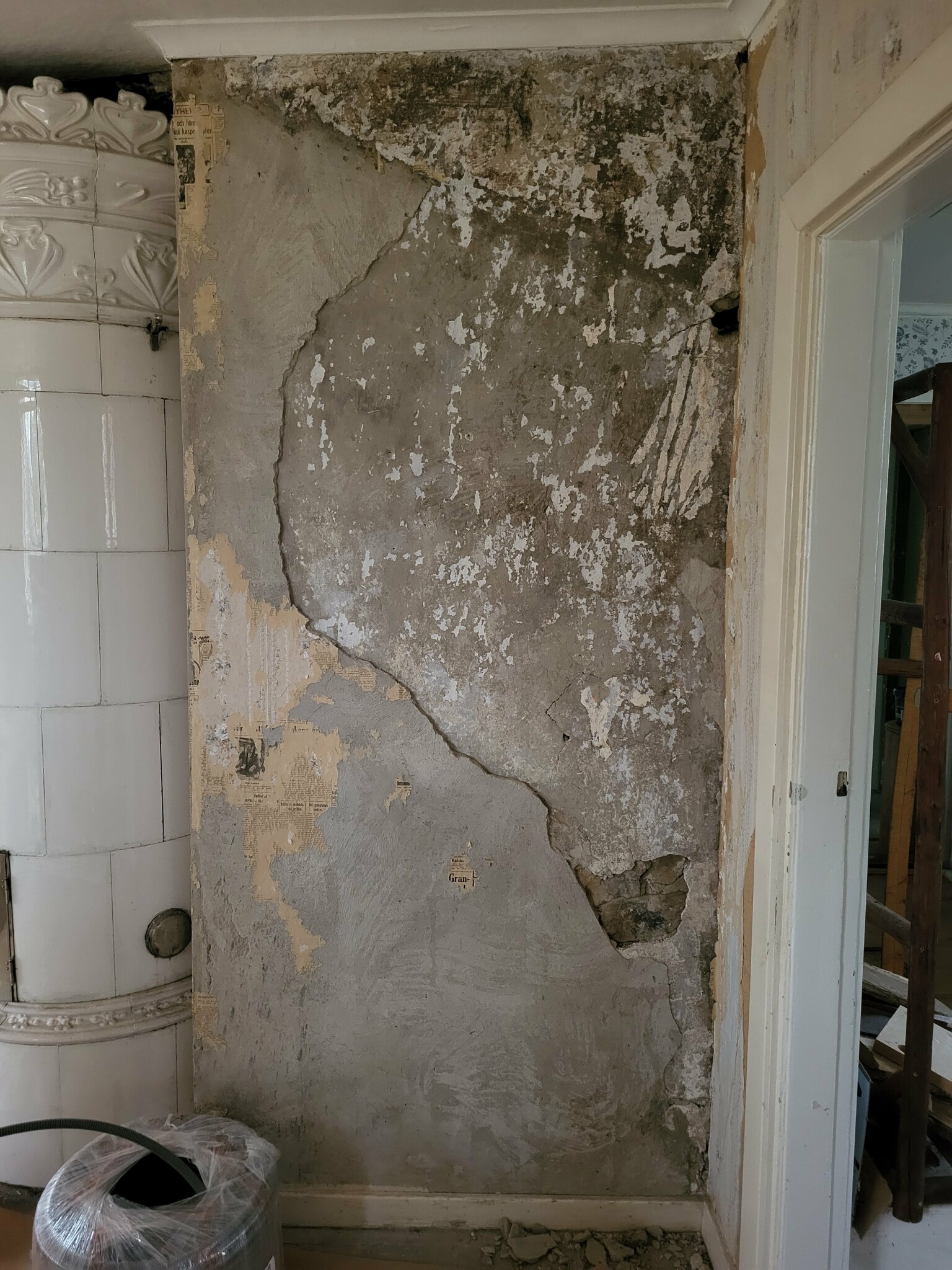
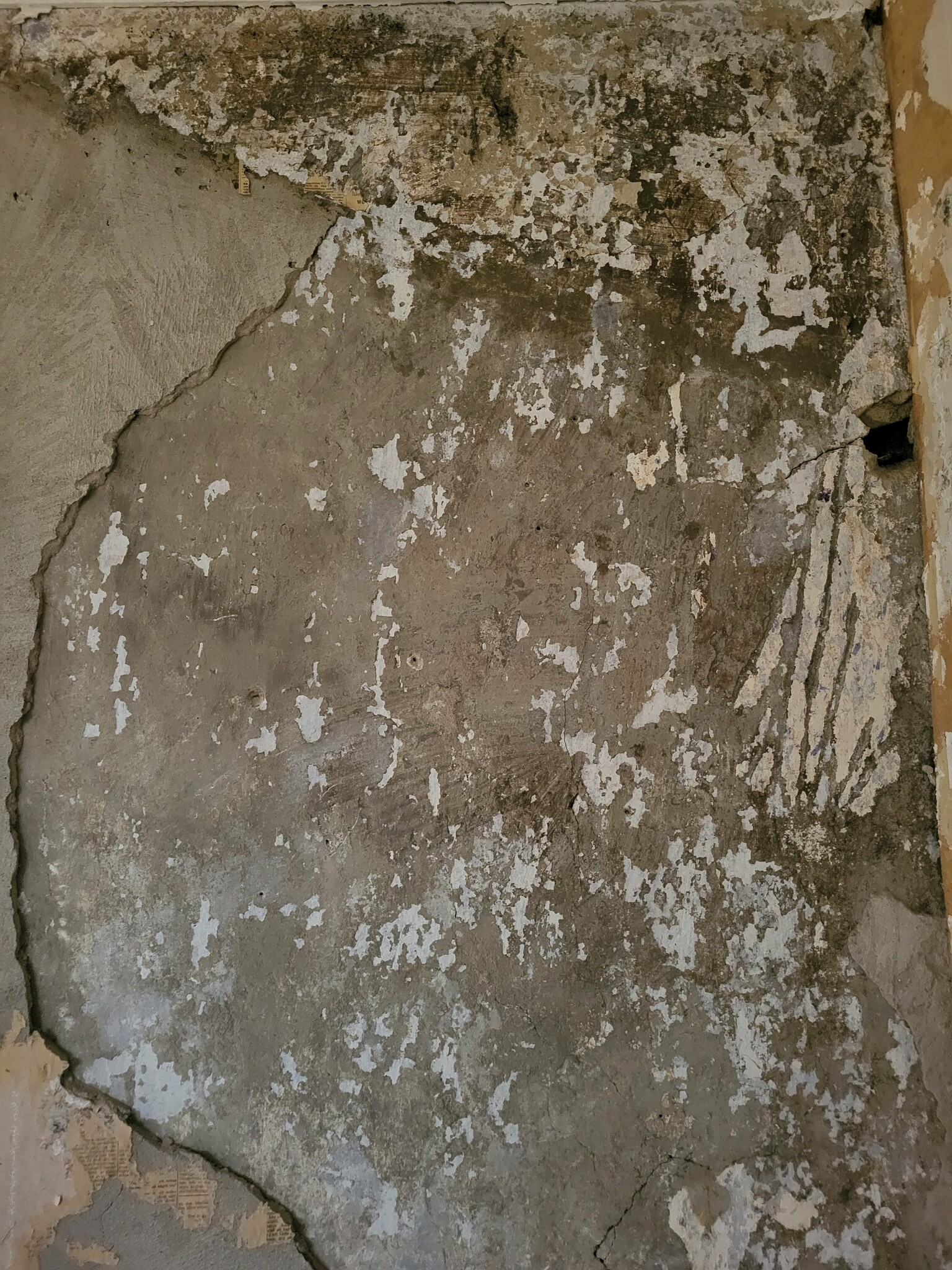
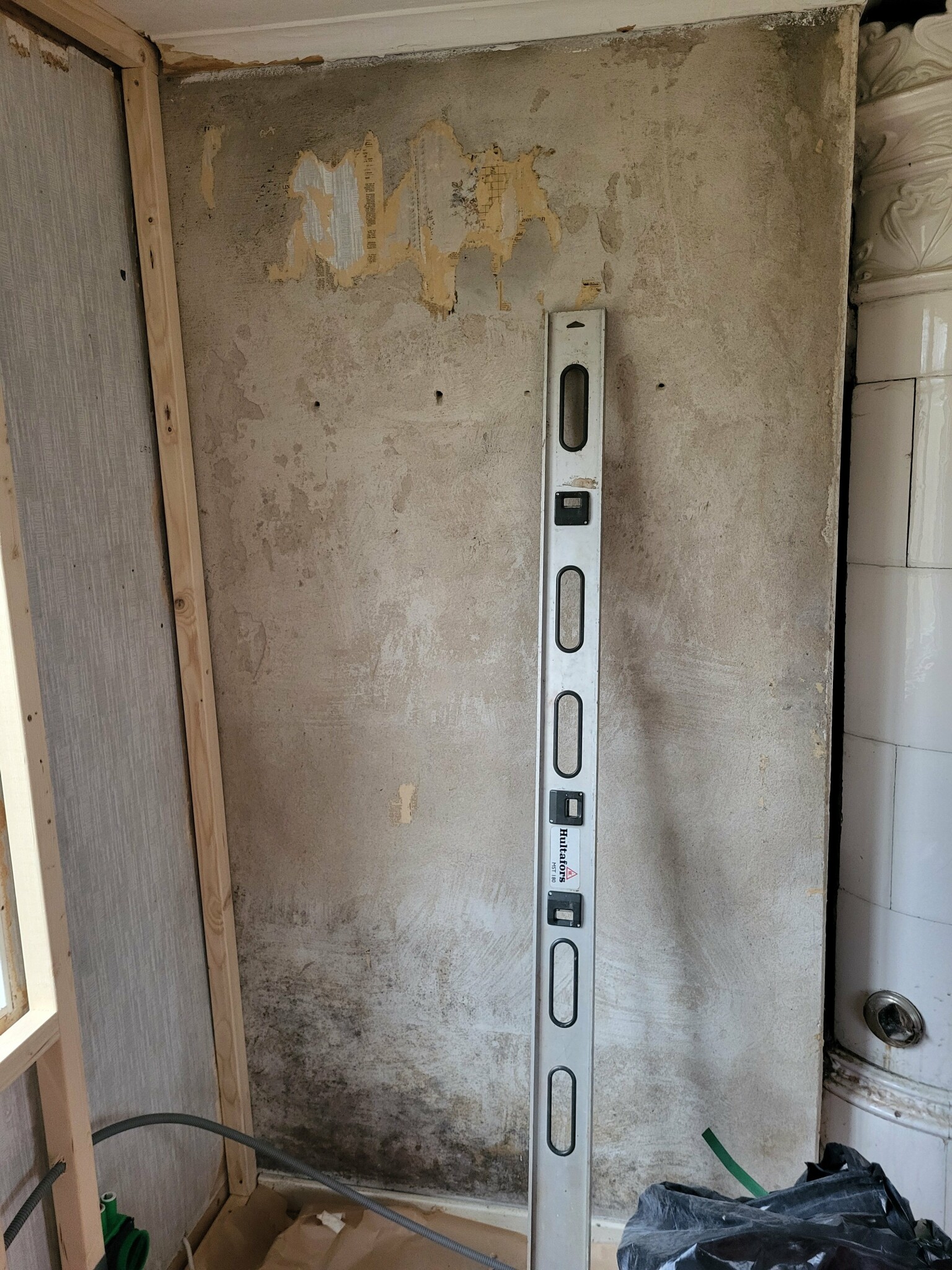
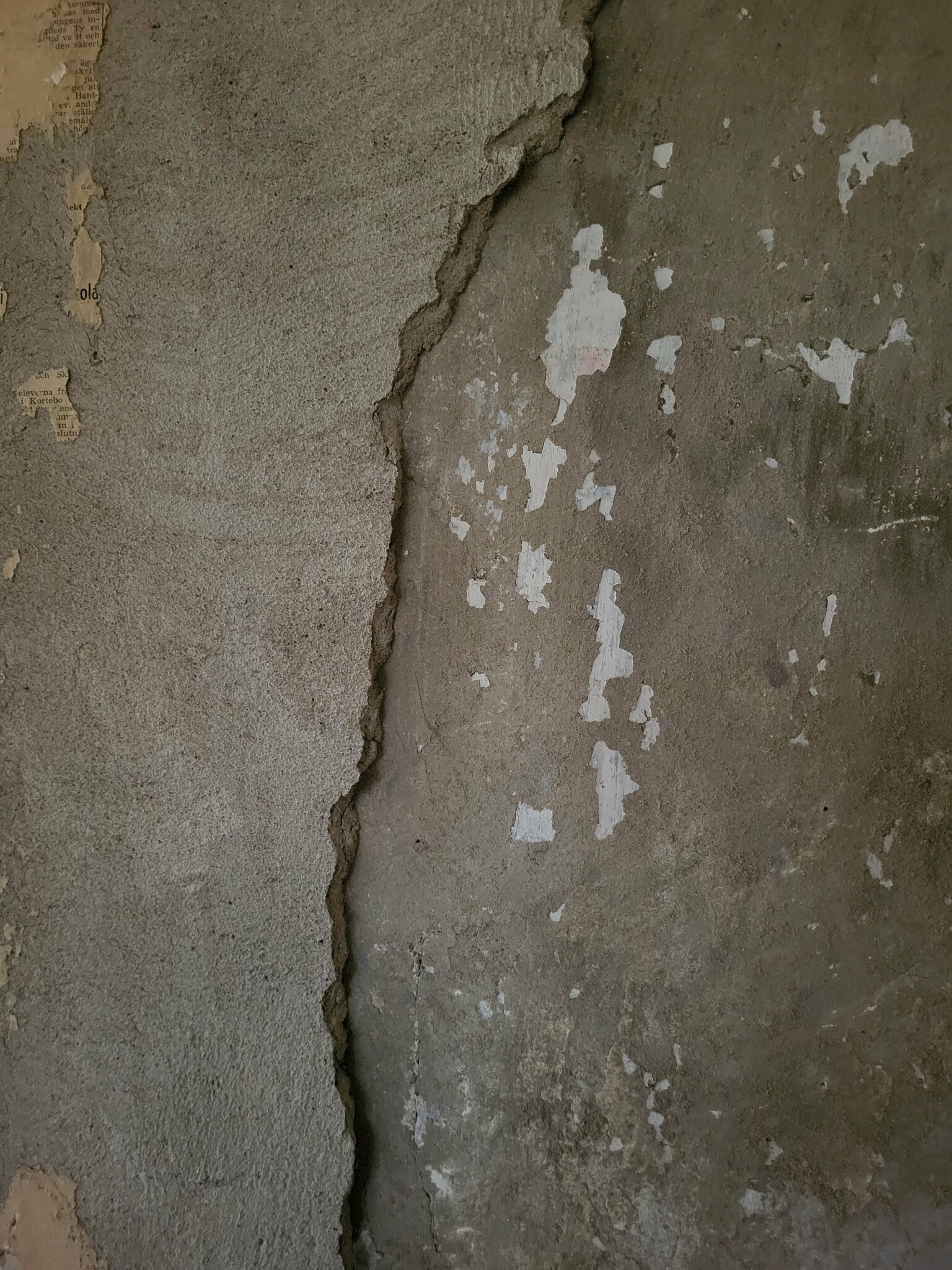

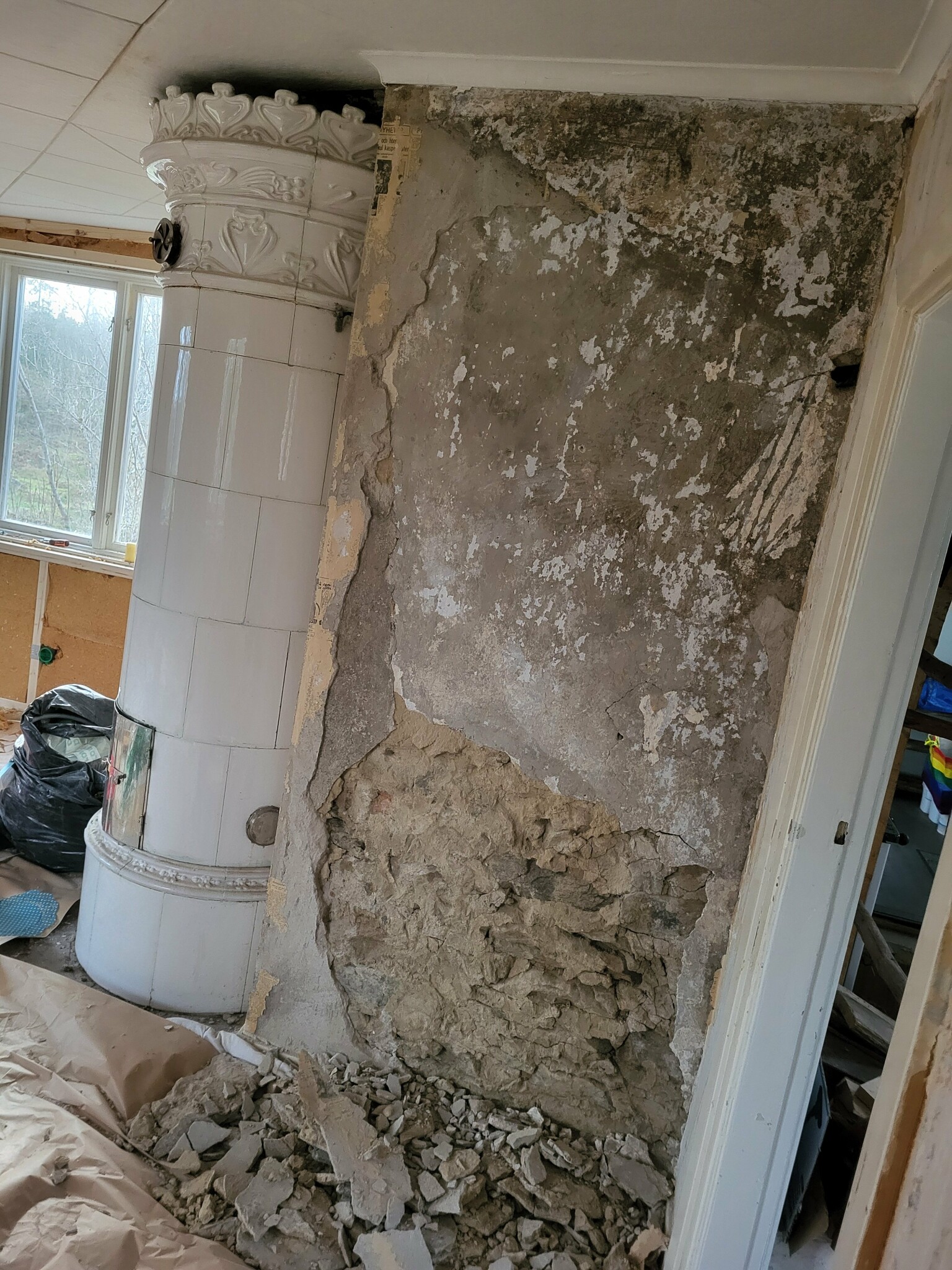
The first and last images seemingly show an old measure that has failed (poor adhesion to the original plaster). So one should probably consider taking down the rest of the outer plaster layer as well.
Number 2, in my opinion, should be to assess the condition of what's left. Everything that's loose is usually taken down, and then you need to consider if there is enough left to make it worth repairing, or if you should knock it all down and start over.
Number 2, in my opinion, should be to assess the condition of what's left. Everything that's loose is usually taken down, and then you need to consider if there is enough left to make it worth repairing, or if you should knock it all down and start over.
It also looks like you have black mold there on the walls... Wash it off with mold cleaner or bleach.
Scrape away all the loose parts and tap on the wall to see where it is "bom" (i.e., loose) and knock that down as well.
Then apply cement slurry and plaster. B-plaster should work well.
If you haven't plastered before, use plaster guides.
Depending on how smooth a surface you want, you can finish it with a plank (rough), a plastic float (semi-rough), or a metal spatula for a fine surface.
Scrape away all the loose parts and tap on the wall to see where it is "bom" (i.e., loose) and knock that down as well.
Then apply cement slurry and plaster. B-plaster should work well.
If you haven't plastered before, use plaster guides.
Depending on how smooth a surface you want, you can finish it with a plank (rough), a plastic float (semi-rough), or a metal spatula for a fine surface.
No, but it might be easier to apply fiber cement boards and then plaster on them... Then you know it will hold.N nalli said:
I think the plaster looks a bit too sharp/harsh to be lime plaster, but it's hard to say for sure from the pictures. It could be lime plaster initially, and someone has repaired with cement mortar, which is why it's falling off.
And how do you then start over?C cpalm said:The first and last images apparently show an old measure that has failed (poor adhesion to the original plaster). So there, you probably need to consider taking down the rest of the outer layer of plaster as well.
Number 2, in my opinion, should be to assess the condition of what's left. Everything that's loose is usually taken down, and then you need to consider whether there's enough left to make it worth repairing, or if you should knock everything down and start over from scratch.
Yes, the outer layer is possibly KC mortar, but judging by the newsprint there it also looks quite old. Lime-cement mortar began to be used sometime in the 40s.anders07 said:
Do you mean if you decide to completely knock down a wall?N nalli said:
Yes, then you have a bit more freedom of choice, of course. Personally, I would build it up with the same traditional technique/material - 4 mm air-hardening lime plaster 1:2 applied in perhaps 3 layers of about one centimeter thick each. The last layer is smoothed against slats that can be arranged in various ways and finished with a float. Depending on what you plan to do with the wall, it might not necessarily need to be rendered with fine plaster afterward.
Is the base consistently masonry, or do you have plaster on wood somewhere?
I know you wanted a detailed workflow, but it's quite extensive to attempt to draft some kind of plastering school here. Unfortunately, it seems my favorite mason has disappeared from YouTube, otherwise, I would have linked to his channel.
It's an old croft, so I guess it’ll have to be done as you say. The part I’ve chipped away seems to be more powdery inside (a little more yellow? And the outer part is more gray and harder. Can a completely inexperienced person plaster with lime plaster?C cpalm said:Yes, the outer layer is potentially KC mortar, but judging by the newspaper there, it also looks quite old. Lime-cement mortar started to be used sometime in the 40s.
Do you mean if you decide to completely knock down a wall? Yes, you have a bit more freedom of choice then, of course. Personally, I would rebuild it with the same traditional technique/material - 4 mm air-hardened lime plaster 1:2 applied in perhaps 3 cm thick layers. The final layer is leveled off using strips that can be arranged in various ways and then finished smooth. Depending on what you plan to do with the wall, it doesn’t necessarily need to be finished with fine plaster afterward.
Is the base consistently masonry, or do you have plaster on wood somewhere?
I know you wanted a detailed step-by-step guide, but it becomes quite extensive to try to write a sort of plastering school here. Unfortunately, my favorite plasterer seems to have disappeared from YouTube, otherwise, I would have linked to his channel.
Lime plaster is not more difficult than any other type of plaster mix, so to speak. But if you're going to plaster an entire wall section with good results, it's not certain you'll succeed if you ask me. I've personally hired professionals for that.N nalli said:
Me
But I think it's not dangerous to try, if everything falls down, you can hire someone later 😊C cpalm said: