Now it has been a while since I last posted anything here on Byggahus but now I have a dilemma that I would like to discuss with you here on the forum.
I am in the process of renovating a house.
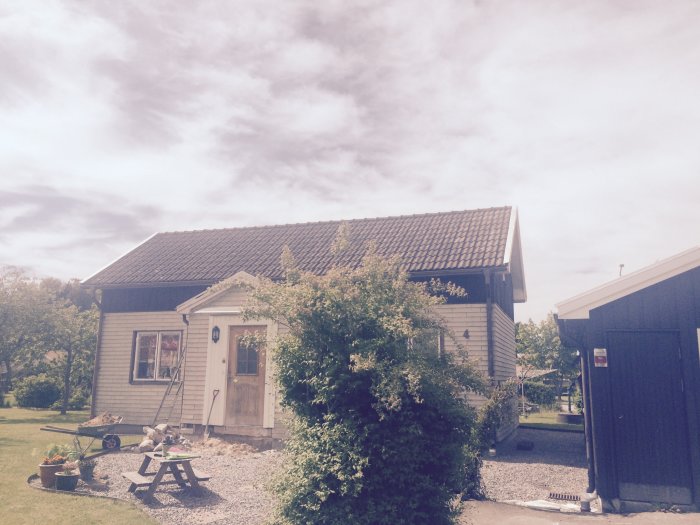
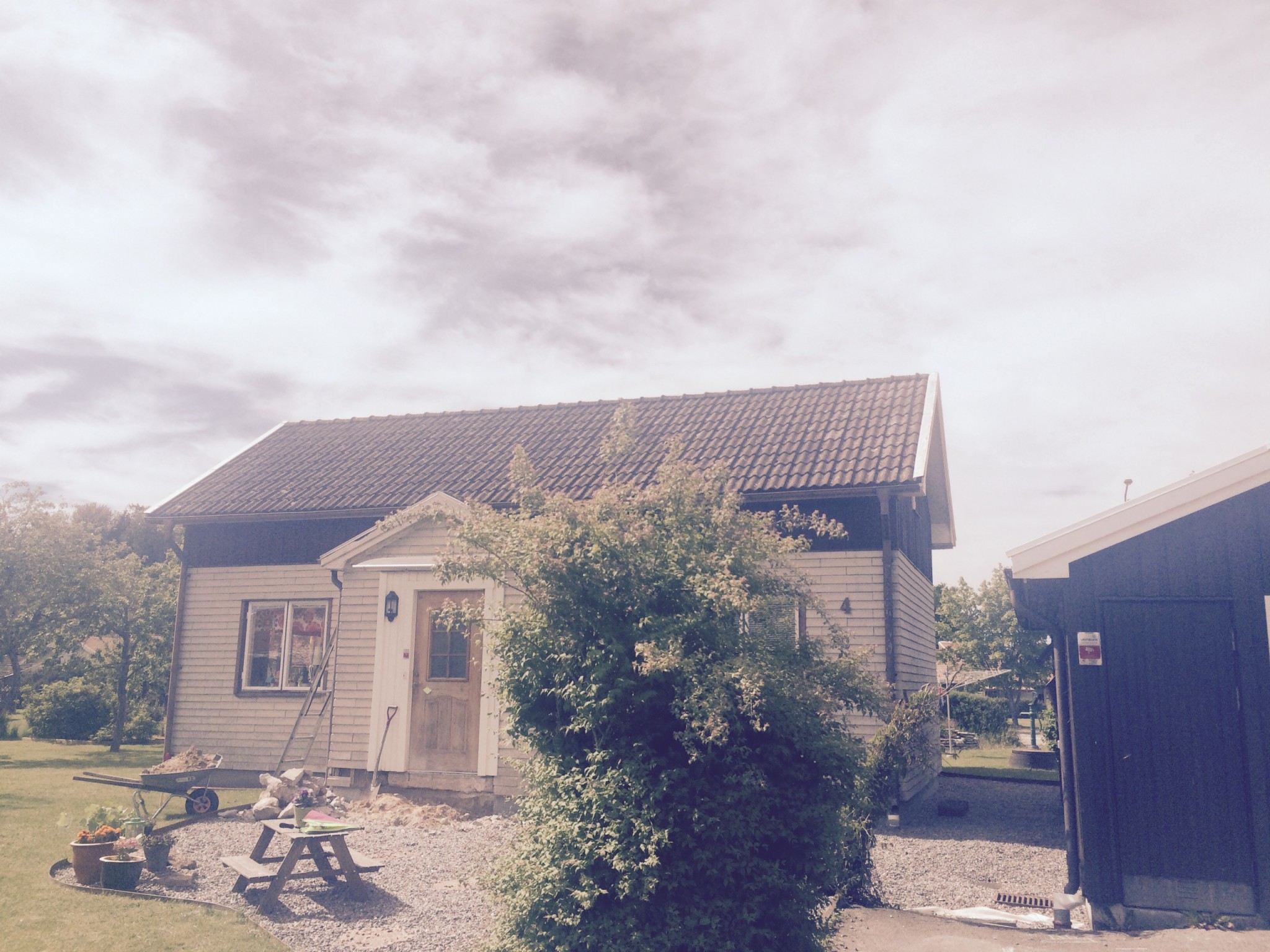
From this: 2013
To this: 2016
__________________________________________
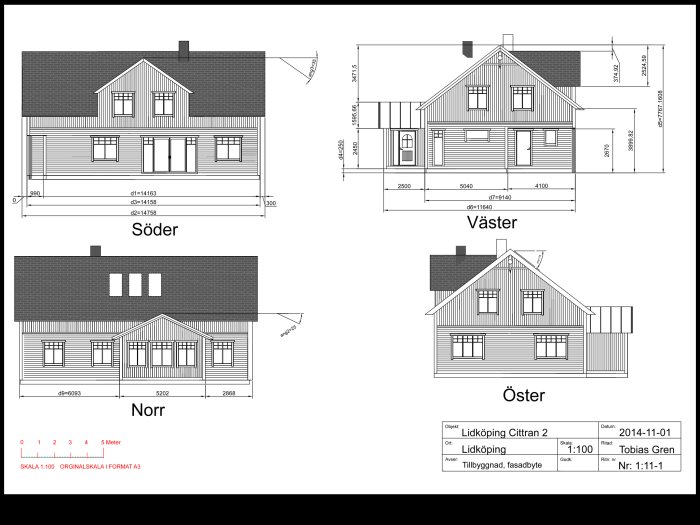
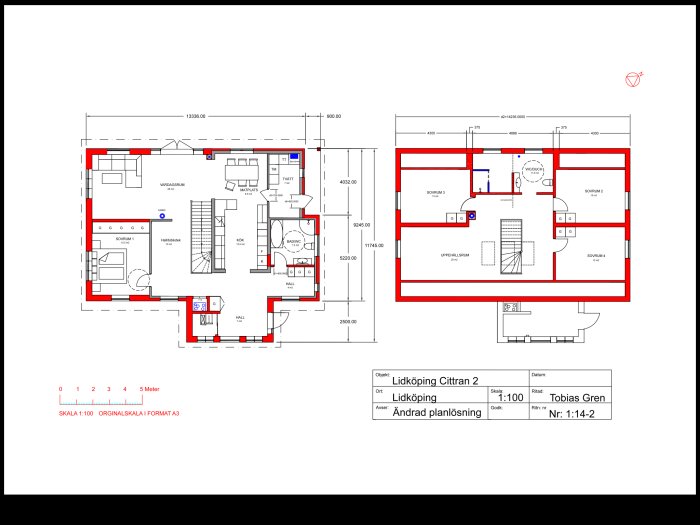
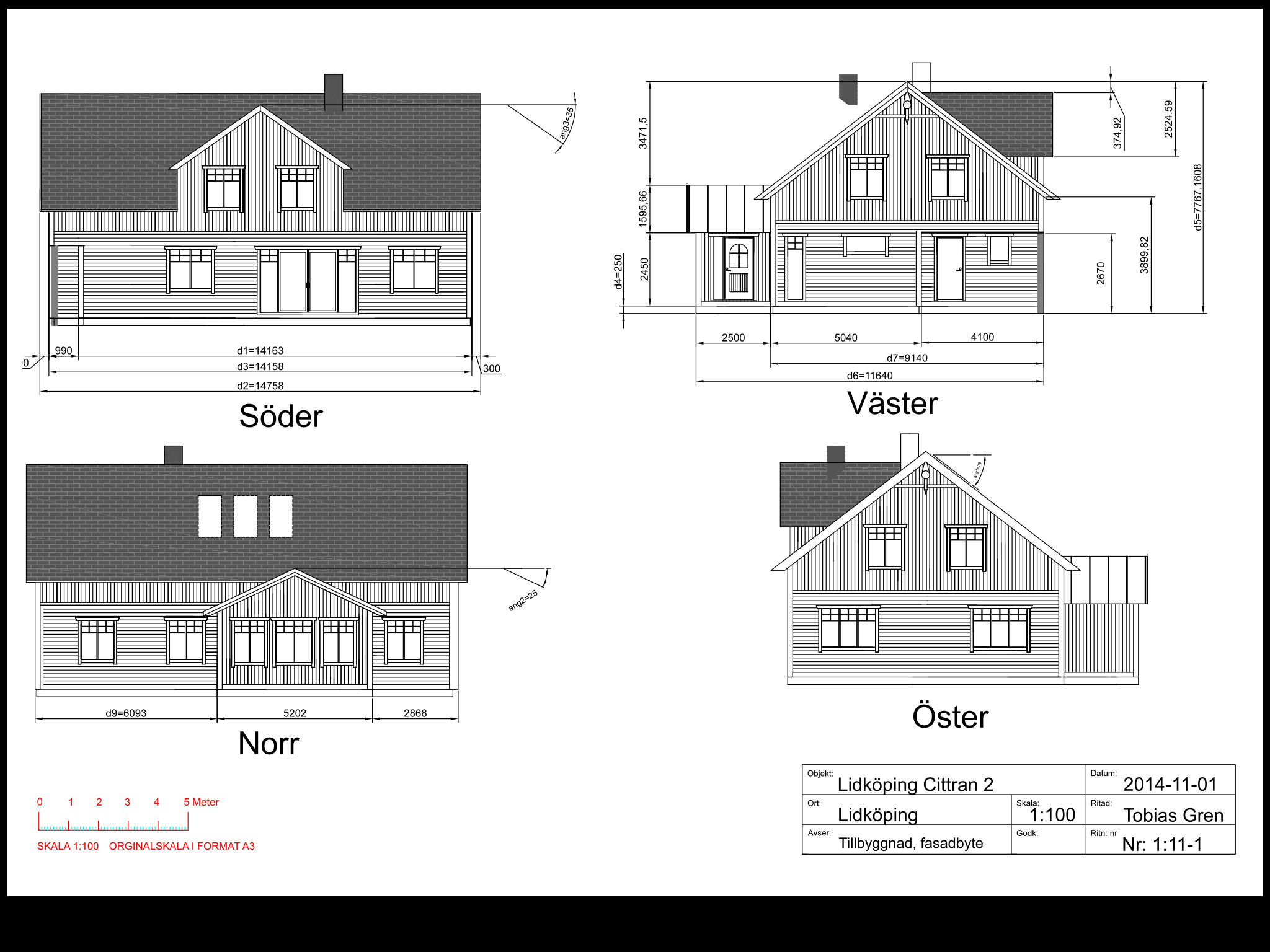
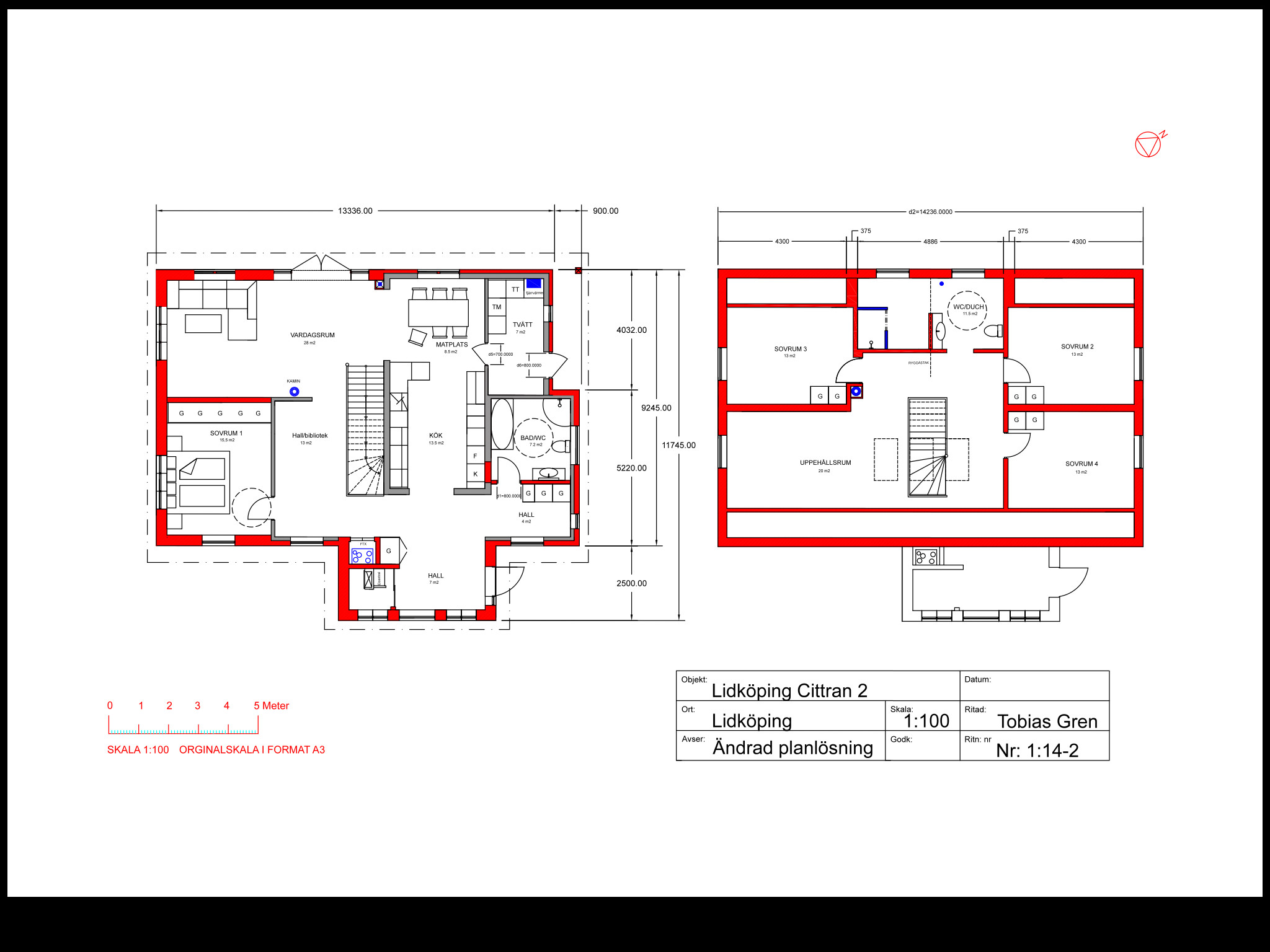
As you can see, I have extended and built up, i.e., roof lift. With the roof lift, I have, no matter what I do, a broken vapor barrier and this "break" will be between the two levels.
I sketched a simple image where I illustrate insulation in yellow and the vapor barrier in blue. (sketching in Paper 53)
Sketch:
As you can see, I have a plan to place the upper floor's vapor barrier closest to the living area. The problem is, as you see, that the lower floor's vapor barrier follows the outer wall, creating a vapor-open gap between the lower floor and the attic.
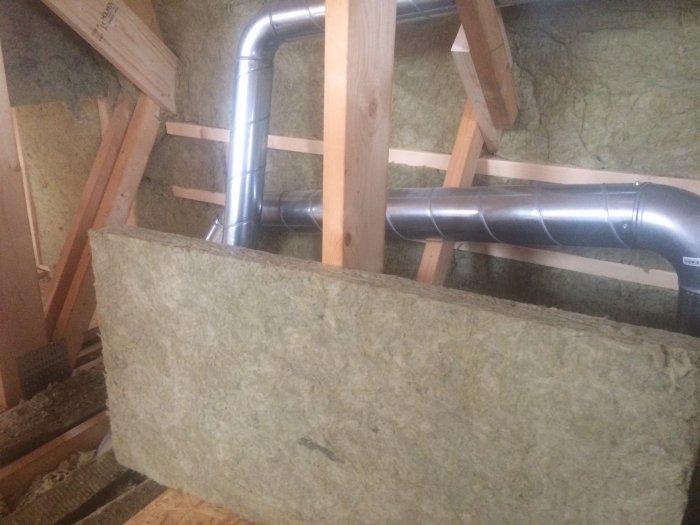
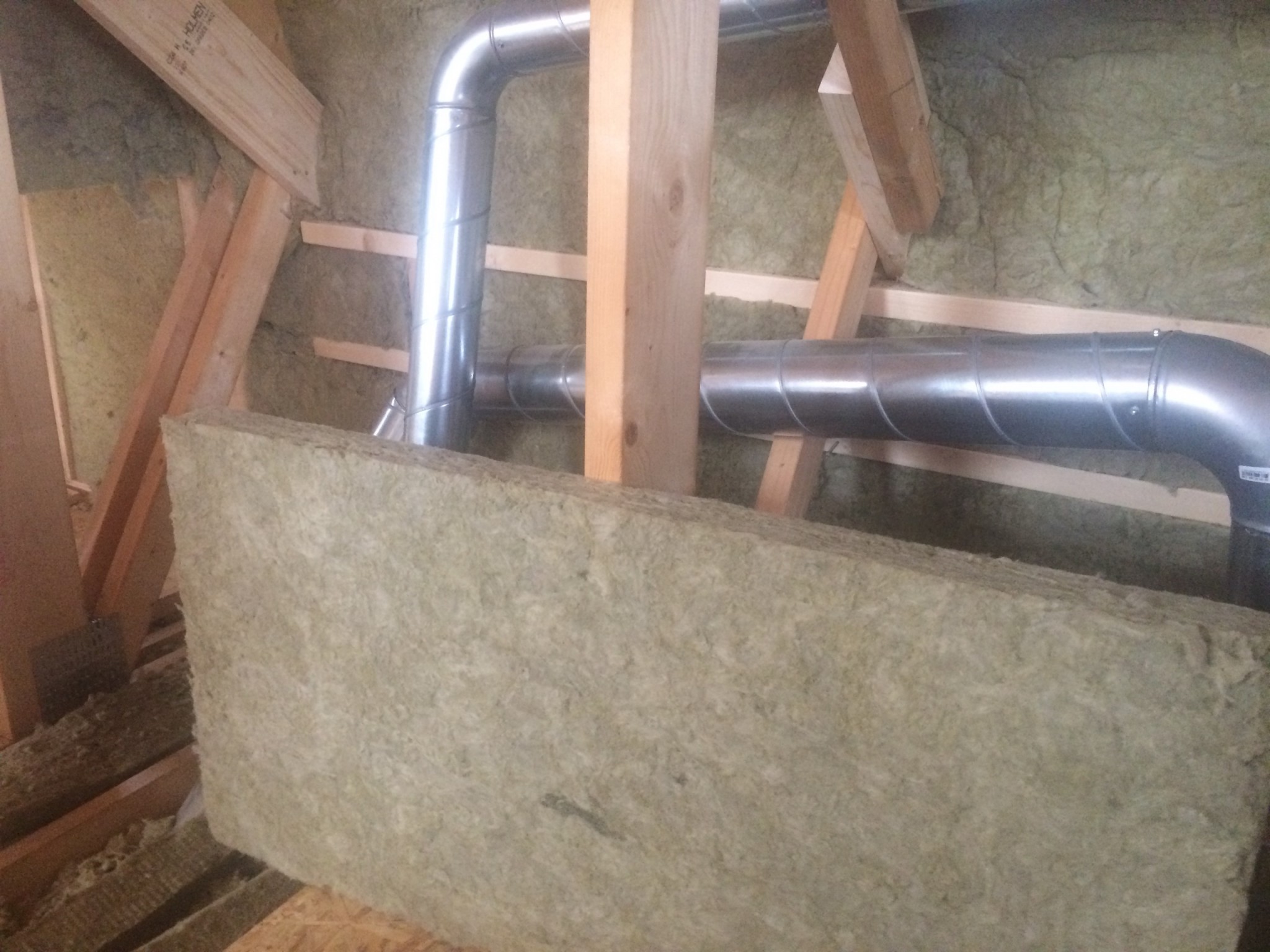
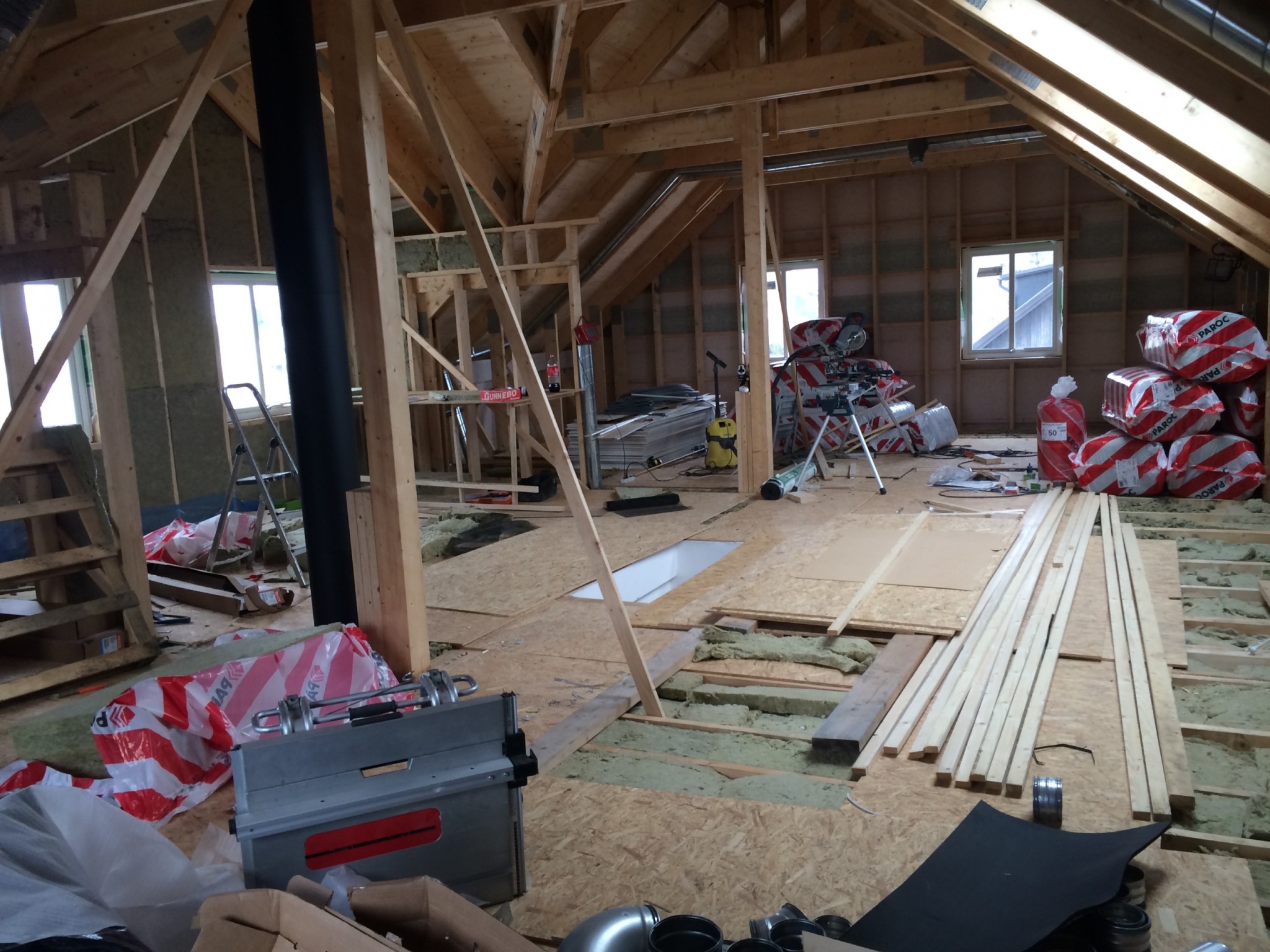
The reason I want to go as in the illustration is that I have chosen to place all installations in the attic, i.e., heating PEX, domestic water PEX, and spiral ducts connected to the house's FTX system.
Now to my question. What risks do you see with this construction? Ideally, I would get a completely unbroken layer from the lower to the upper floor, but as the house consists of three different construction periods, 1923, 1972, and 2015/16, it is difficult, so I have to seal the vapor barrier as best as I can.
If I choose to extend the vapor barrier out more to the upper floor's outer wall, I will be forced to cut and tape the plastic immensely due to the rafters and installations, which in turn could create a situation where the vapor barrier still isn’t completely intact.
Grateful for feedback How would you choose to do it and why?
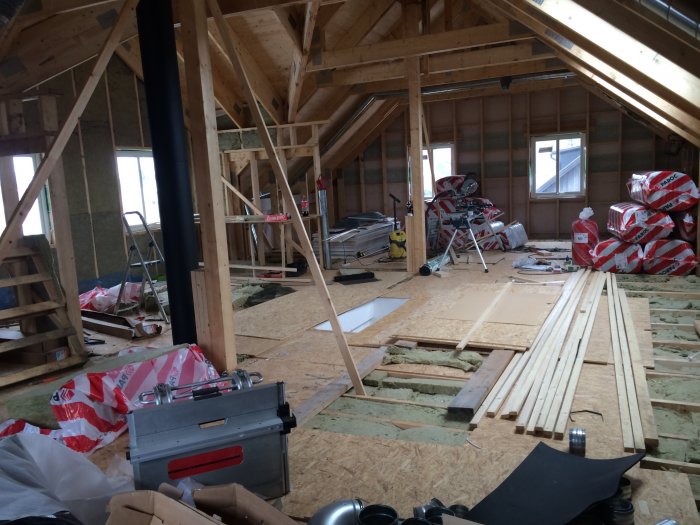
Below is a picture of the attic: Maybe this can raise further questions
Some insulation facts:
Outer wall, (attic), is insulated with 45 + 145 + 70 (260)
Outer wall, (living area), is insulated with 45 + 170 + 45 (260)
The roof will be insulated with 170 + 170 (340mm)
The wall between the attic and the living area is being built and insulated with 70 studs and insulation.
Isn't it easiest to place the vapor barrier at the bottom of the intermediate floor joist, from the outer wall and then folded up and spliced with the one from the inner wall?
Thank you Rockin_john 😊 It has been and still is a journey that I will definitely remember for the rest of my life, and not as something negative even though it has been really, really tough at times... But now it's starting to take shape, even though the wallet gets lighter and lighter with each passing month 😓
Isn't it simplest to place a vapor barrier at the bottom of the intermediate floor, from the outer wall and then up and joined with that of the interior wall?
I have come to do a variant of what you say. On the extended part, where the plastic goes up from the lower floor to the upper floor, I have chosen to tape and plastic along the outer wall and further along the sloped ceiling. On the older part from 1923, I will unfortunately be forced to break the vapor barrier between the floors. What I'm doing is laying about 40/60 cm of loose plastic down towards the floor joist. In this way, I can create a tighter vapor barrier the day I tear up the inner/outer wall on the lower floor in the future. In the places where I have a lot of installations, I will do just as you say Oldboy ����
Click here to reply
Vi vill skicka notiser för ämnen du bevakar och händelser som berör dig.