
16,913 views ·
7 replies
17k views
7 replies
How to repair small cracks on a plastered facade?
Hello,
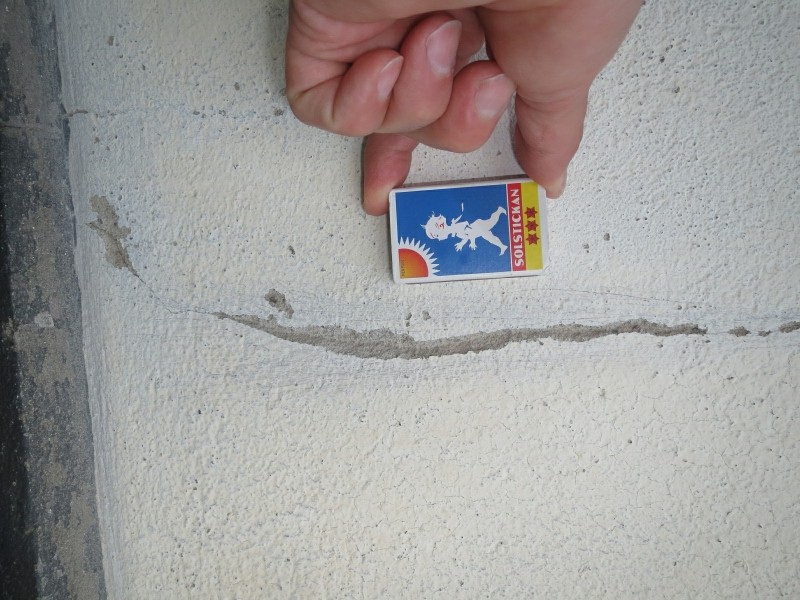
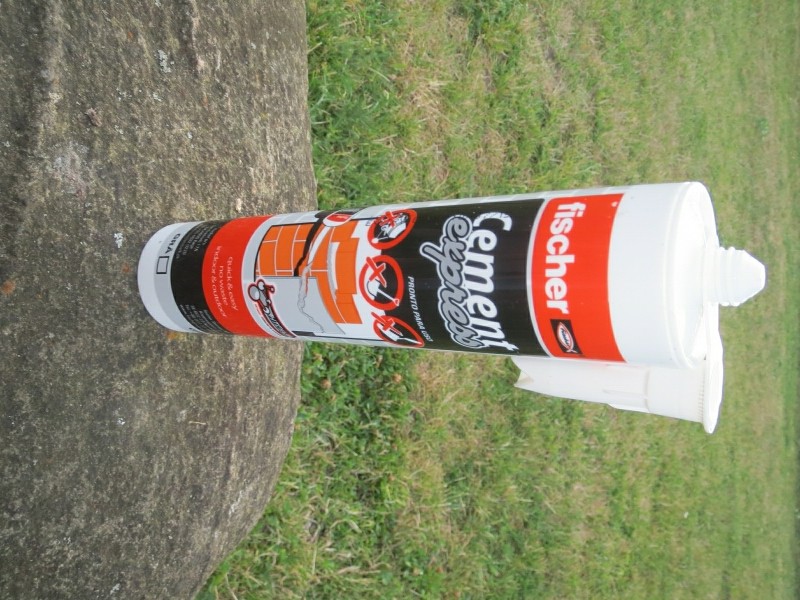
I am planning to fix some minor cracks in the facade and am wondering if the lime mortar I intend to use will eventually come loose due to the relatively small cracks that are only about 5-10mm deep (see image 1). The alternative would have been to fill these cracks with Fischer Cement Express, which is said to be made specifically for such cracks, see image 2. Which do you think is better, traditional lime mortar or something modern in a tube...?
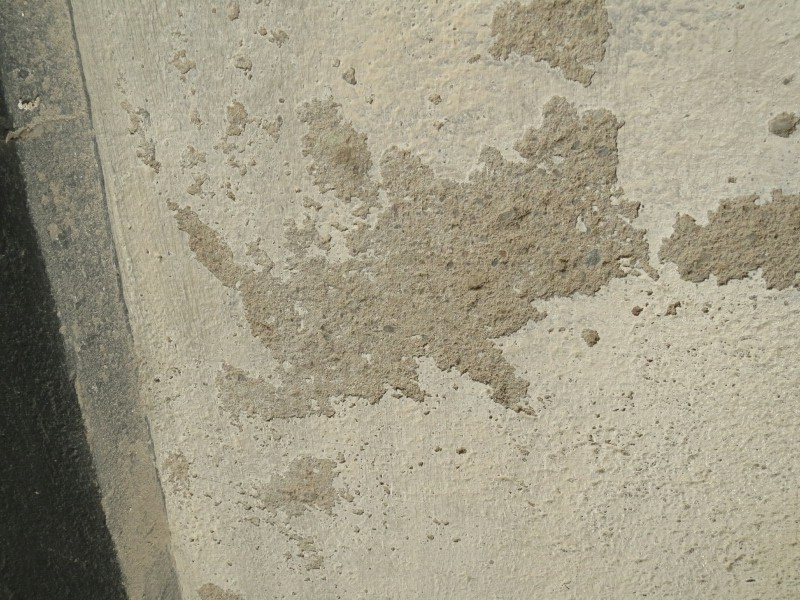
Furthermore, I have plastered off the outer "shell" of the plaster and paint in some spots where it had separated from the plaster. These areas are the size of one or two hand palms and not deeper than 1-3mm (see image 3). Do you think it's worth it to plaster with lime mortar, or should I just paint over it without repairing it (at the risk of it looking unappealing)?
Best regards,
Mats
I am planning to fix some minor cracks in the facade and am wondering if the lime mortar I intend to use will eventually come loose due to the relatively small cracks that are only about 5-10mm deep (see image 1). The alternative would have been to fill these cracks with Fischer Cement Express, which is said to be made specifically for such cracks, see image 2. Which do you think is better, traditional lime mortar or something modern in a tube...?
Furthermore, I have plastered off the outer "shell" of the plaster and paint in some spots where it had separated from the plaster. These areas are the size of one or two hand palms and not deeper than 1-3mm (see image 3). Do you think it's worth it to plaster with lime mortar, or should I just paint over it without repairing it (at the risk of it looking unappealing)?
Best regards,
Mats

Building conservationist
· 3 512 posts
I don't think the plaster looks like pure lime plaster. It's too gray for that. It's always best to repair with plaster that resembles the existing one.
Agree, it looks like lime-treated KC plaster in the pictures.
Regardless, it should be repaired with mortar and not with something in a tube. If it's KC plaster, you should chip away all loose material (even the sandy parts) until you reach solid, fresh plaster. Then you can use C mortar with a 0-1mm fraction which you apply with a trowel and then blend out to infinity with a float.
Regardless, it should be repaired with mortar and not with something in a tube. If it's KC plaster, you should chip away all loose material (even the sandy parts) until you reach solid, fresh plaster. Then you can use C mortar with a 0-1mm fraction which you apply with a trowel and then blend out to infinity with a float.
Last edited:
Ok, I'll proceed with the cement plaster. I'm also skeptical about things in tubes, especially in this case! 
I have some fresh plaster that doesn't sand, but do you still think that it won't be too thin to apply 1-3mm and blend out to infinity?
I have some fresh plaster that doesn't sand, but do you still think that it won't be too thin to apply 1-3mm and blend out to infinity?
Skånepåg said:
No, not if you use a 0-1mm mortar (these are the measurements of the sand grains). Regular plaster mortar is 0-3mm, and then it would have been a problem to apply it so thinly.
OK, then it will be 0-1mm!
The reason I was considering lime plaster was that at the building supply store I was advised that with a house like ours built in the '60s, it can be difficult to determine what type of plaster it is, and that it's always better to use a weaker plaster on the exterior, that it can't really go wrong then... Thoughts on that?
The reason I was considering lime plaster was that at the building supply store I was advised that with a house like ours built in the '60s, it can be difficult to determine what type of plaster it is, and that it's always better to use a weaker plaster on the exterior, that it can't really go wrong then... Thoughts on that?
It's true that you should always have the weakest plaster on the exterior. C-bruk is the weakest KC-plaster (lime cement), so it's safe if you have KC-plaster on the walls. There are three types of plaster: lime plaster, KC-plaster, and pure cement plaster. Most likely, judging by the pictures, it is KC-plaster.Skånepåg said:OK, then it will be 0-1mm!
The reason I was considering lime plaster was that at the building supply store I was advised that with a house like ours, built in the 60s, it can be difficult to determine what kind of plaster it is, and that it is always better to have a weaker plaster on the exterior, as it can't really go wrong then... Thoughts on that?
Building conservationist
· 3 512 posts
.....And on such a surface, lime paint doesn't adhere particularly well. It's better suited for kc- färg hydraulit. It's best if you can touch up with the same paint that was there before.
Click here to reply