
563 views ·
2 replies
563 views
2 replies
How to polish red granite to tombstone quality?
As the title suggests, I'm wondering how best to polish/work a piece of granite to achieve a lasting shine.
The background is that we lost a family member, a beloved pet.
I cut out a piece of red granite from the rock where she used to run, and it turned out to be a nice piece. Used a motor saw with a diamond blade and the result looked fantastic. Shiny and glossy. I was ready to send the piece for engraving.
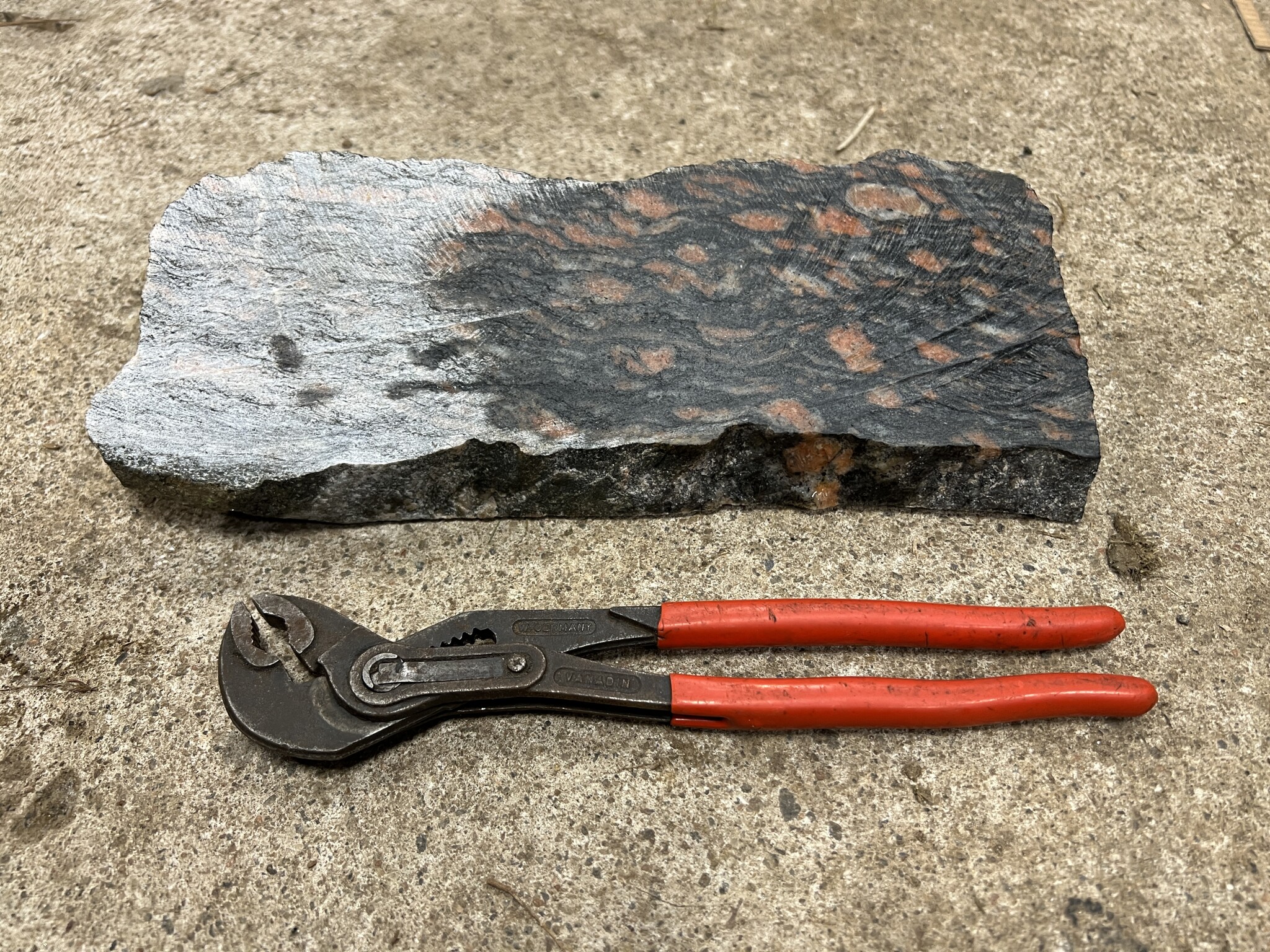
But once the piece dried, it became completely whiteish/dusty.
There is immense knowledge among all of us here in the forum. I hope through this thread to get answers on how (or if it's even possible) to make a piece of red granite glossy enough to serve as a gravestone.
What tools are needed, which blades, possibly wax, methods, etc.
Grateful for your experiences and your knowledge!
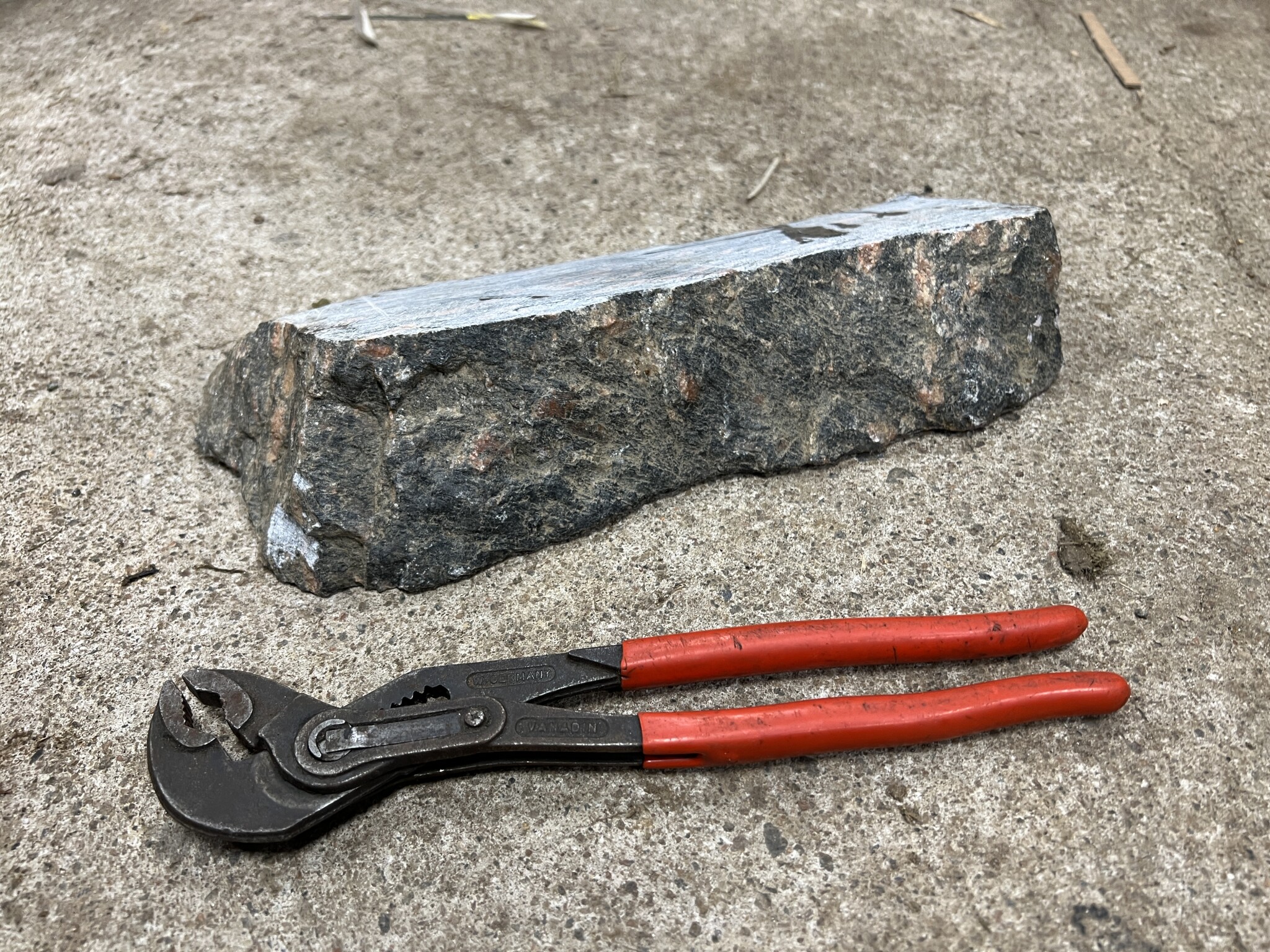
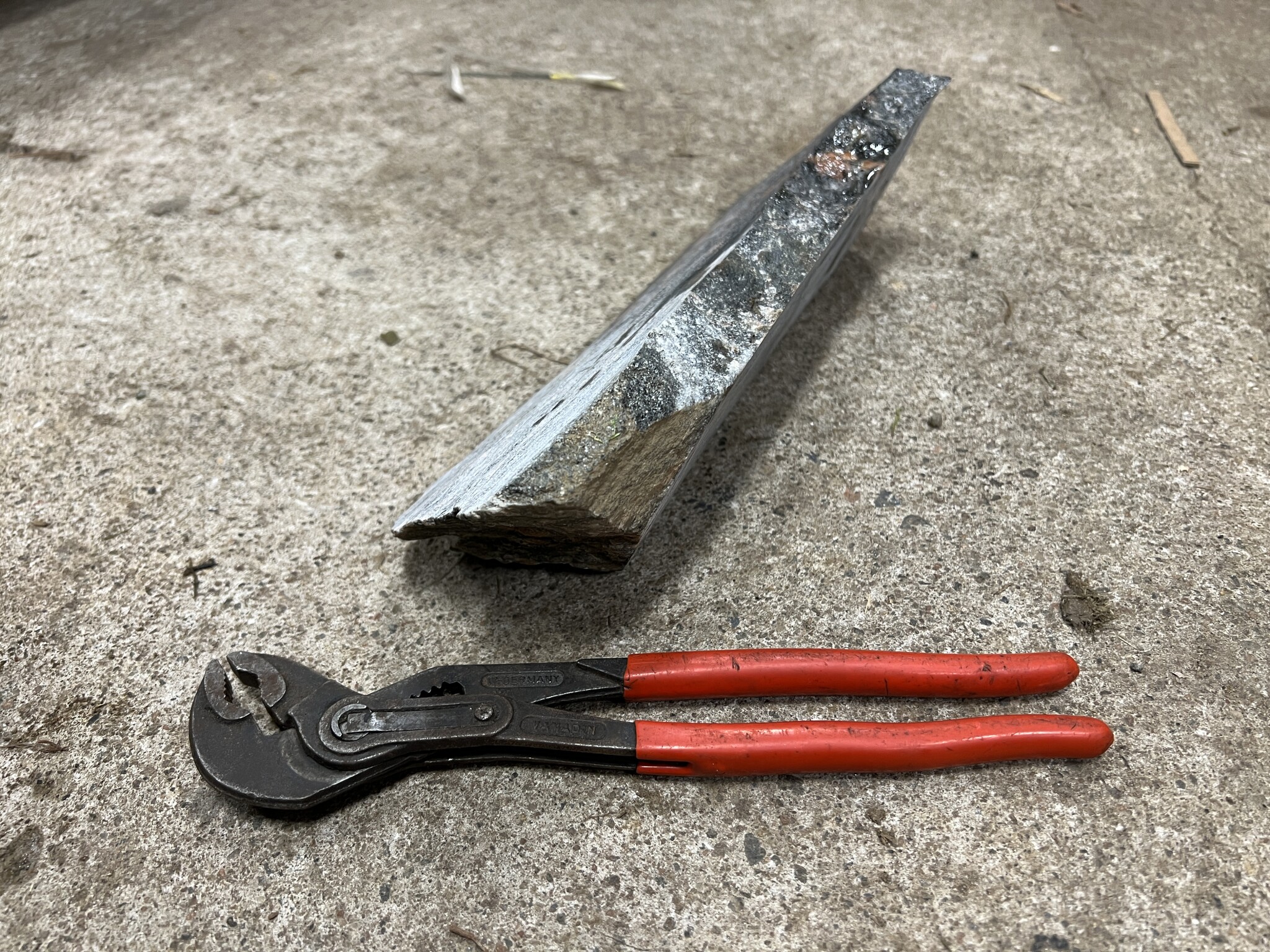
Attaching photos, the polygrip is included for size comparison. The first photos show how the piece looks when wet versus dry.
The background is that we lost a family member, a beloved pet.
I cut out a piece of red granite from the rock where she used to run, and it turned out to be a nice piece. Used a motor saw with a diamond blade and the result looked fantastic. Shiny and glossy. I was ready to send the piece for engraving.
But once the piece dried, it became completely whiteish/dusty.
There is immense knowledge among all of us here in the forum. I hope through this thread to get answers on how (or if it's even possible) to make a piece of red granite glossy enough to serve as a gravestone.
What tools are needed, which blades, possibly wax, methods, etc.
Grateful for your experiences and your knowledge!
Attaching photos, the polygrip is included for size comparison. The first photos show how the piece looks when wet versus dry.


Wet sand with increasingly finer paper. When you reach 1500 to 2000, you can start polishing. Begin with a coarser paste/powder/"stick" and then use finer ones. Between each step, rinse off to remove all remnants of the previous step. Starting too fine only creates more work, and you don't need to repeat each step more than necessary to remove the marks from the previous one. In other words, it's like sanding wood or metal, but you want to keep it wet to avoid stone dust.
Click here to reply