
4,819 views ·
16 replies
5k views
16 replies
How the h-ll is that possible!?

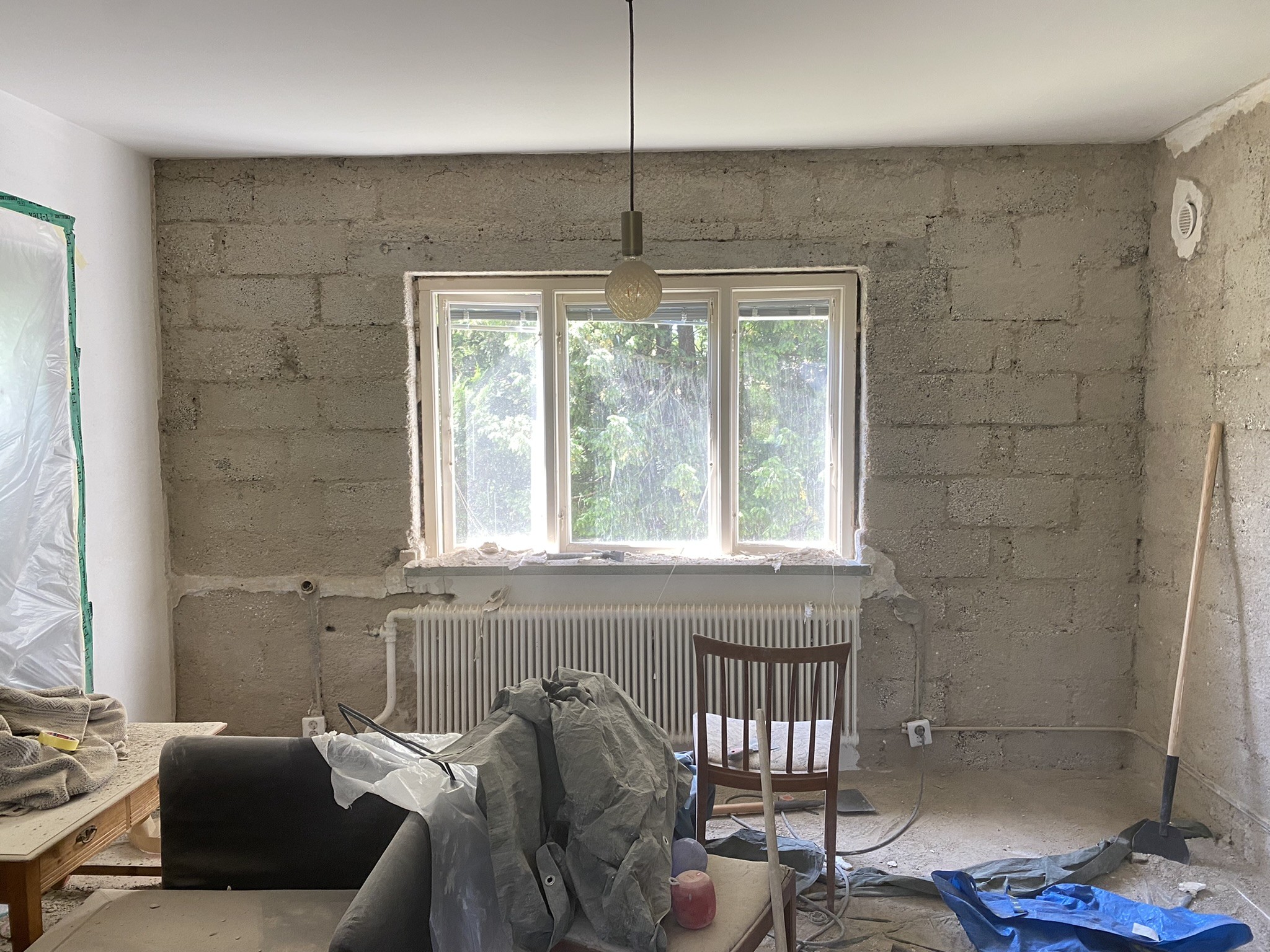
Torn down and knocked off all the plaster and suddenly what I thought looked like Leca appeared. Checked with real professionals in the field and one said Siporex (which I rule out), two masons immediately said Leca, and a concrete technician said Leca but... The house was built in 1940 and in theory, Leca didn't even exist in Sweden then!? Did the builder in the 40s get hold of a time machine? I even knocked down plaster on the outside here and there to rule out that the room was a later extension and suddenly... Leca everywhere.
I would be extremely grateful for input/explanations about this, dear BH friends.
I would be extremely grateful for input/explanations about this, dear BH friends.

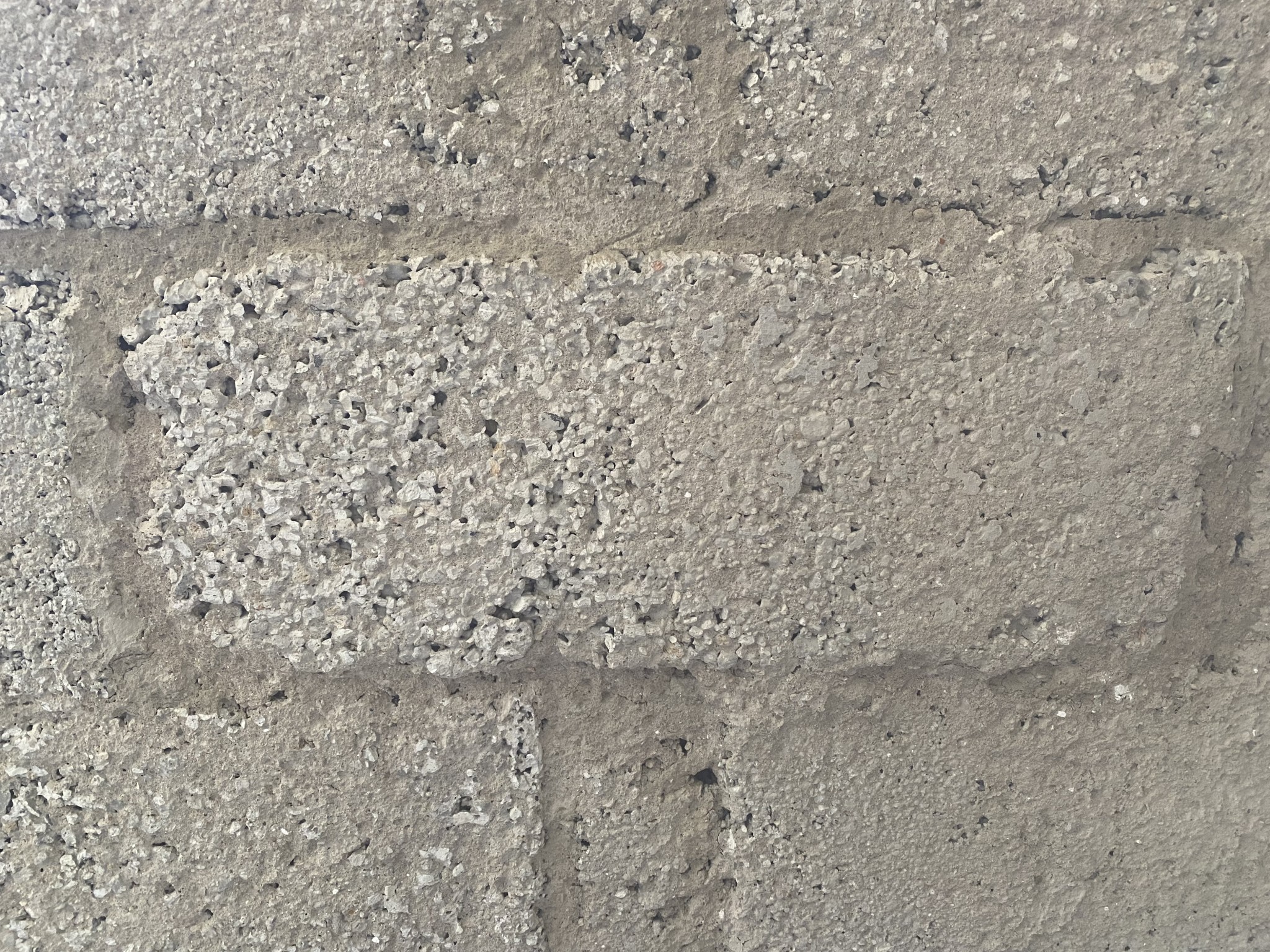
taken. Lightweight aggregate dear child has many names but specifically Leca is what's referred to here. Lightweight concrete doesn't say much either since there are different types, which you probably already know. Leca itself didn't seem to exist in 1940Düsseldorff said:




Two buddies (one an experienced mason) and a concrete technician said Leca but as mentioned... the story doesn't add up. As you say, I was dead sure it was concrete hollow blocks at first, but it doesn't feel like that when you knock and work with the wall. Sometimes angular stones and sometimes balls that crumble and fall.S Sesulo said:
Are the balls porous and break fairly easily?
Best answer
Leca has become synonymous with lightweight aggregate due to the over 100 years old patent on expanded clay. Leca did not come to Sweden until the 1960s, but long before that, concrete clinker blocks were manufactured here in Sweden.
There are probably many who would call, for example, Finja's lightweight aggregate blocks precisely lecablock. So don't get hung up on the use of the word leca.
There are probably many who would call, for example, Finja's lightweight aggregate blocks precisely lecablock. So don't get hung up on the use of the word leca.