
4,597 views ·
19 replies
5k views
19 replies
Help! Unclear Floor Construction and Microbial Odor
We are very close to buying a house and have had an inspection done on the house by Anticimex.
Unfortunately, the inspector discovered some things that might cause us to back out of the purchase.
Here's the situation. The main building is "healthy," but in the section where the garage is (also the boiler room, sauna, WC, and laundry room), the inspector detected a microbial/chemical smell. Throughout the entire space. The inspector pointed out that there is a level difference between the floor in this section if we are to call it that, and the main building, and that the cause could lie beneath this difference. The problem is that he cannot take a sample through drilling because there is wet room flooring/tiles where the floor is. The house is on a concrete slab from the 80s with overlaying insulation, but there is uncertainty about the garage section because the floor has a level difference.
In the rest of the house, no strange smell is detected. He drilled a hole in one of the walls and measured moisture in the sill and checked for smell there. The moisture level is 11% and no strange smell was detected from the timber-protected sills.
Now the question is, how do I check the part of the house where he detected a strange smell without damaging anything? Is it at all possible?
Unfortunately, the inspector discovered some things that might cause us to back out of the purchase.
Here's the situation. The main building is "healthy," but in the section where the garage is (also the boiler room, sauna, WC, and laundry room), the inspector detected a microbial/chemical smell. Throughout the entire space. The inspector pointed out that there is a level difference between the floor in this section if we are to call it that, and the main building, and that the cause could lie beneath this difference. The problem is that he cannot take a sample through drilling because there is wet room flooring/tiles where the floor is. The house is on a concrete slab from the 80s with overlaying insulation, but there is uncertainty about the garage section because the floor has a level difference.
In the rest of the house, no strange smell is detected. He drilled a hole in one of the walls and measured moisture in the sill and checked for smell there. The moisture level is 11% and no strange smell was detected from the timber-protected sills.
Now the question is, how do I check the part of the house where he detected a strange smell without damaging anything? Is it at all possible?


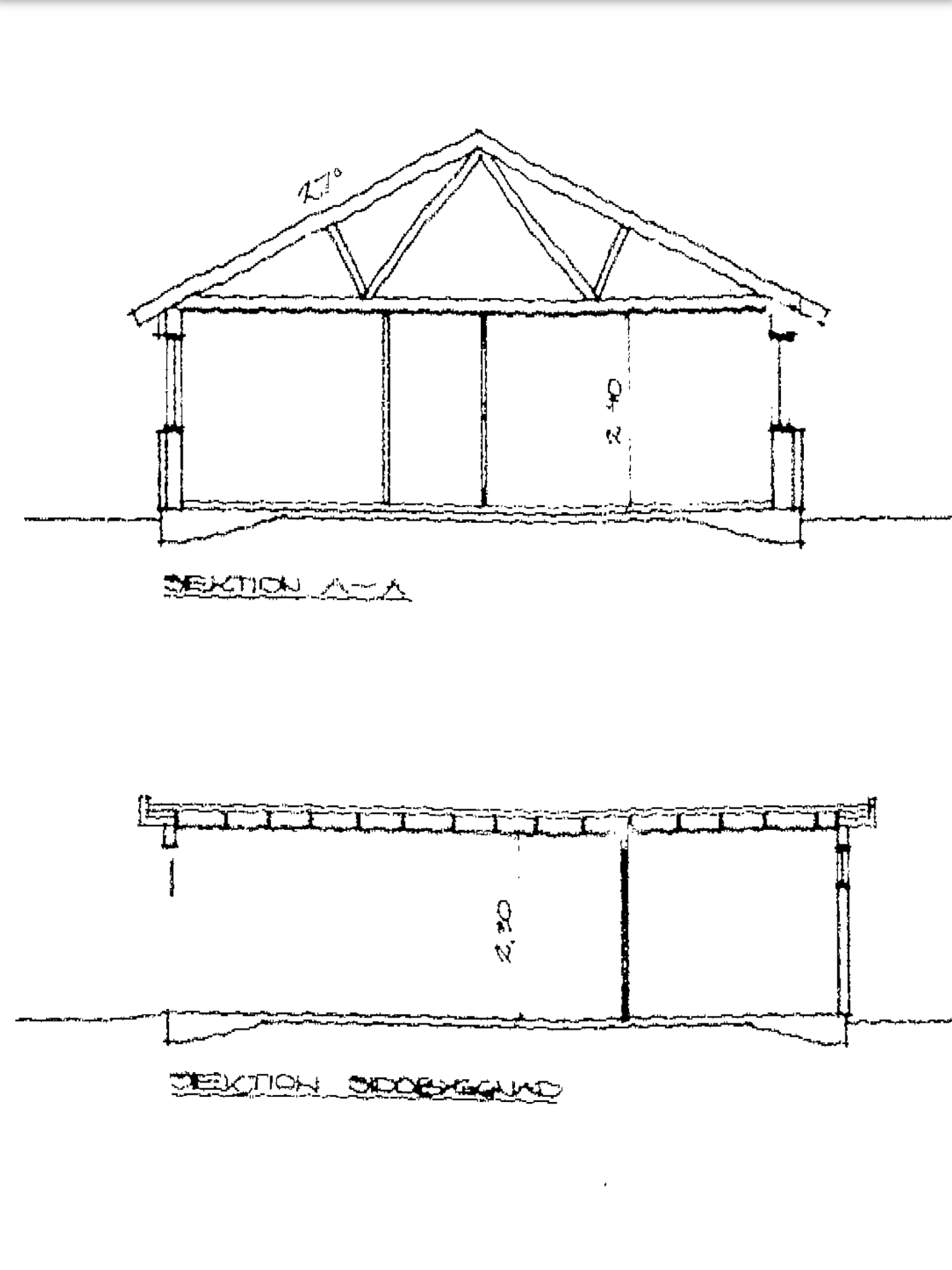
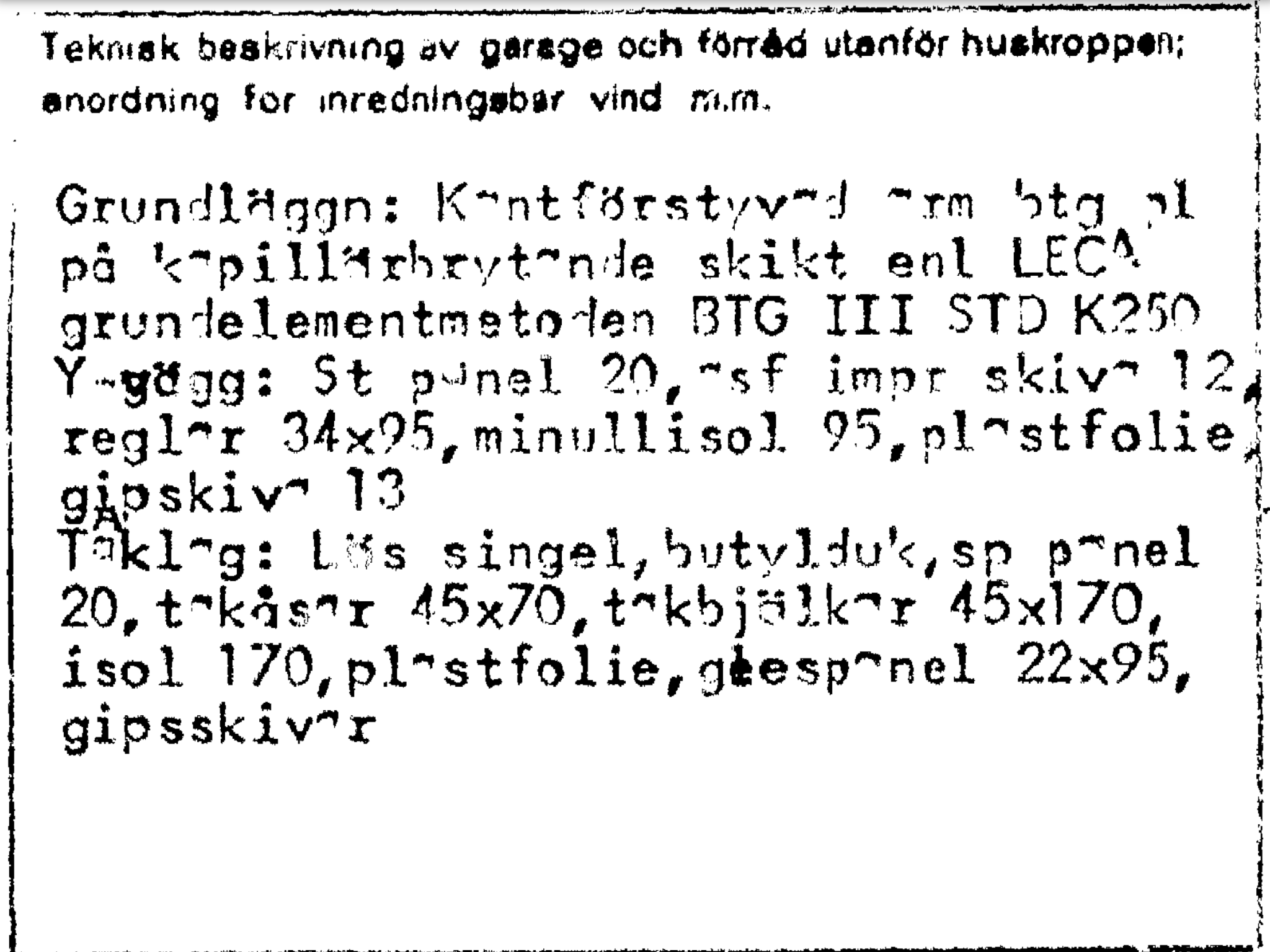
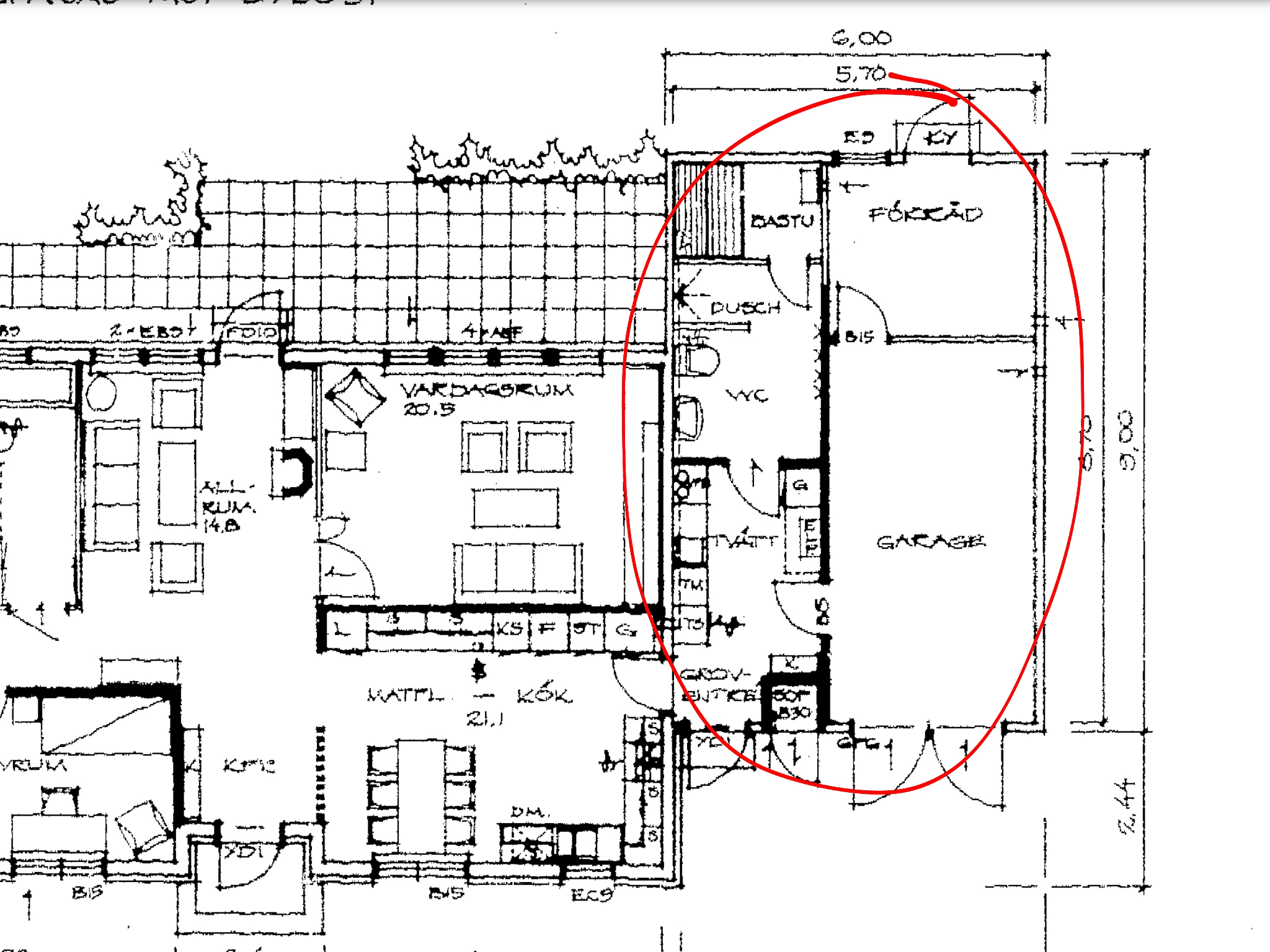
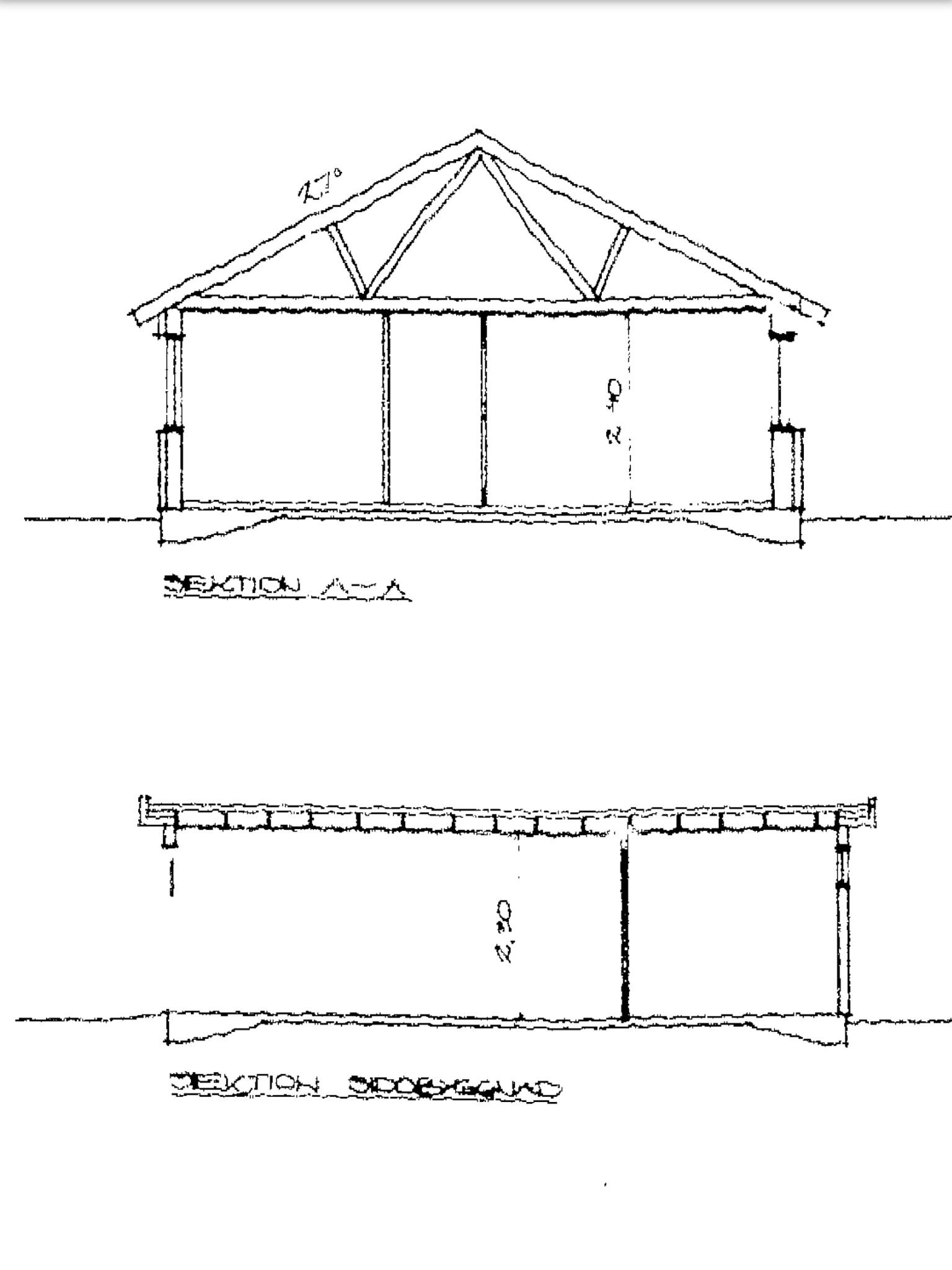
Yes, slab-on-ground there as well.
The inspector used the tools he could without damaging the floor. And that little gadget used for moisture indication did not show any elevated moisture levels in that part of the building. So his best guess was that it's coming from the floor, but it's not possible to see without destroying the wet room mat.
Catch-22
The inspector used the tools he could without damaging the floor. And that little gadget used for moisture indication did not show any elevated moisture levels in that part of the building. So his best guess was that it's coming from the floor, but it's not possible to see without destroying the wet room mat.
Catch-22
Hmmm, in that case, moisture might be coming in from the foundation for example due to poor roof drainage or cracks in the foundation. Does everything look good with roof drainage and the drainage system?
Anticimex usually gets a lot of criticism for never finding any faults, so maybe this inspector just wants to cover himself?
But bring in a few more people you trust who can sniff around a bit. You probably shouldn't trust what sellers and real estate agents claim to feel.
But bring in a few more people you trust who can sniff around a bit. You probably shouldn't trust what sellers and real estate agents claim to feel.

What you can do quickly and easily is visit the house and go directly into the extension part and sniff. You have a short moment (minutes) before your noses become accustomed to the smell 
Then you might be able to get an idea of how it smells and where. If it is everywhere or localized in a particular room or along a wall.
Then you might be able to get an idea of how it smells and where. If it is everywhere or localized in a particular room or along a wall.
Hmm. That it would be positive for both parties to bring in a mold detection dog, I'm not so sure. The seller is unlikely to be much happier about revealing moisture problems that lower the value of the house.
He would be less happy if he sold the house with mold problems and got a hidden defect process afterward.lasloforbes said: