
7,295 views ·
15 replies
7k views
15 replies
HELP! Is this dry rot or pests?!
Don't know where to put this thread.
Single-story house from 1973, approximately 130 square meters with a crawl space. Just had water damage in one bathroom and took the opportunity to inspect the crawl space (rent the house from my dad who bought it in 2019 without a realtor/inspection).
To my horror, the sill on both short sides and 3 joists were affected by something. The sill under the kitchen is like a sponge, totally rotten, and if you take a screwdriver to it, it crumbles apart and fine dust comes out of the wood.
My father had dry rot in his own house in the 80s and he and friends had to tear out the entire ground floor down to the foundation. It was discovered when the kitchen floor began to give way, and they pulled up the carpet to find it was true dry rot that had been hidden.
In several places, it's like spider webs but much denser (like a white transparent cloth) - and that's exactly how my parents had it in their house.
An appointment with a moisture technician and crawl space specialist is booked for the week, but it would be interesting to hear if anyone thinks they might have an idea of what this is?
Regards
Single-story house from 1973, approximately 130 square meters with a crawl space. Just had water damage in one bathroom and took the opportunity to inspect the crawl space (rent the house from my dad who bought it in 2019 without a realtor/inspection).
To my horror, the sill on both short sides and 3 joists were affected by something. The sill under the kitchen is like a sponge, totally rotten, and if you take a screwdriver to it, it crumbles apart and fine dust comes out of the wood.
My father had dry rot in his own house in the 80s and he and friends had to tear out the entire ground floor down to the foundation. It was discovered when the kitchen floor began to give way, and they pulled up the carpet to find it was true dry rot that had been hidden.
In several places, it's like spider webs but much denser (like a white transparent cloth) - and that's exactly how my parents had it in their house.
An appointment with a moisture technician and crawl space specialist is booked for the week, but it would be interesting to hear if anyone thinks they might have an idea of what this is?
Regards
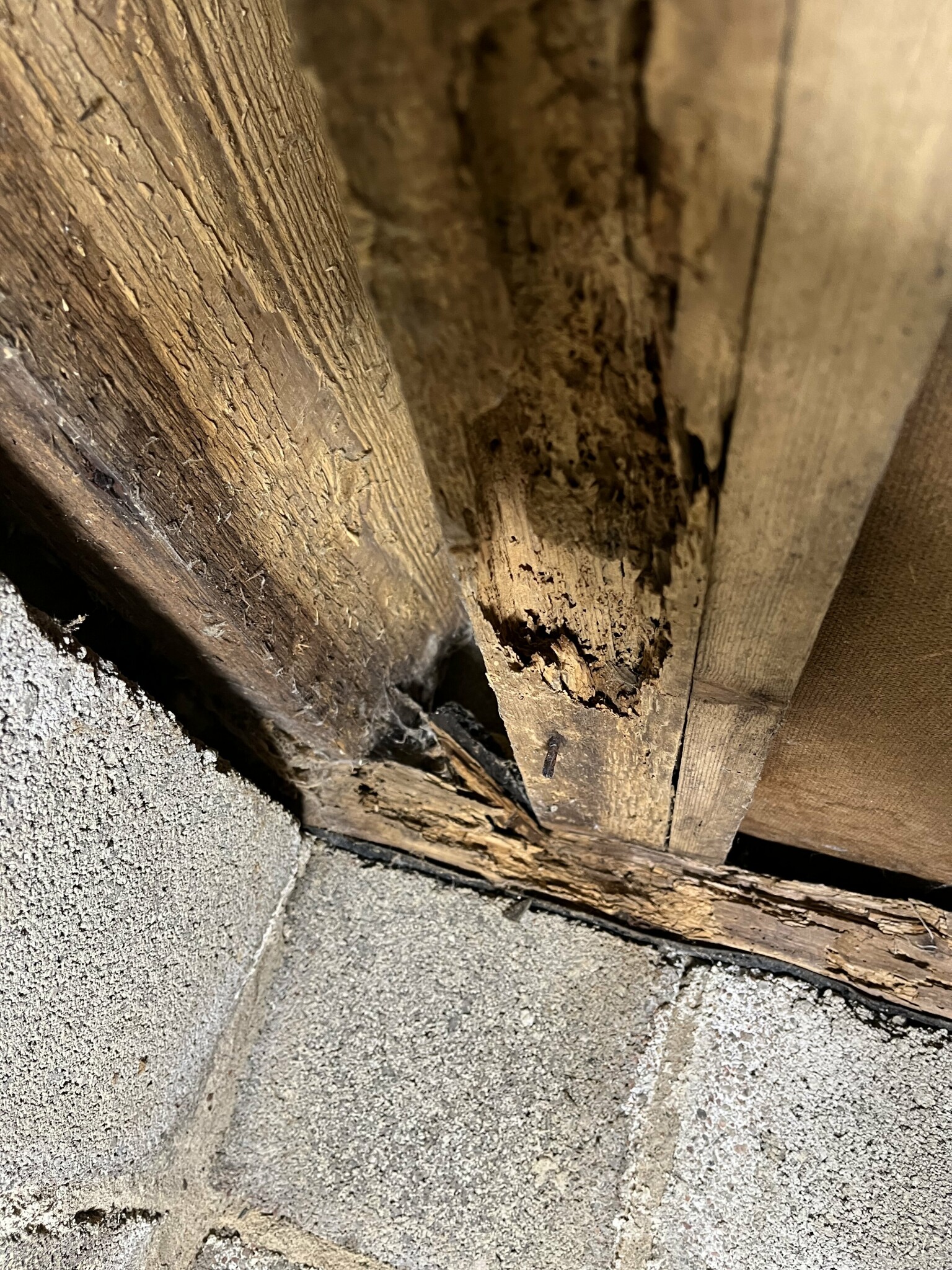
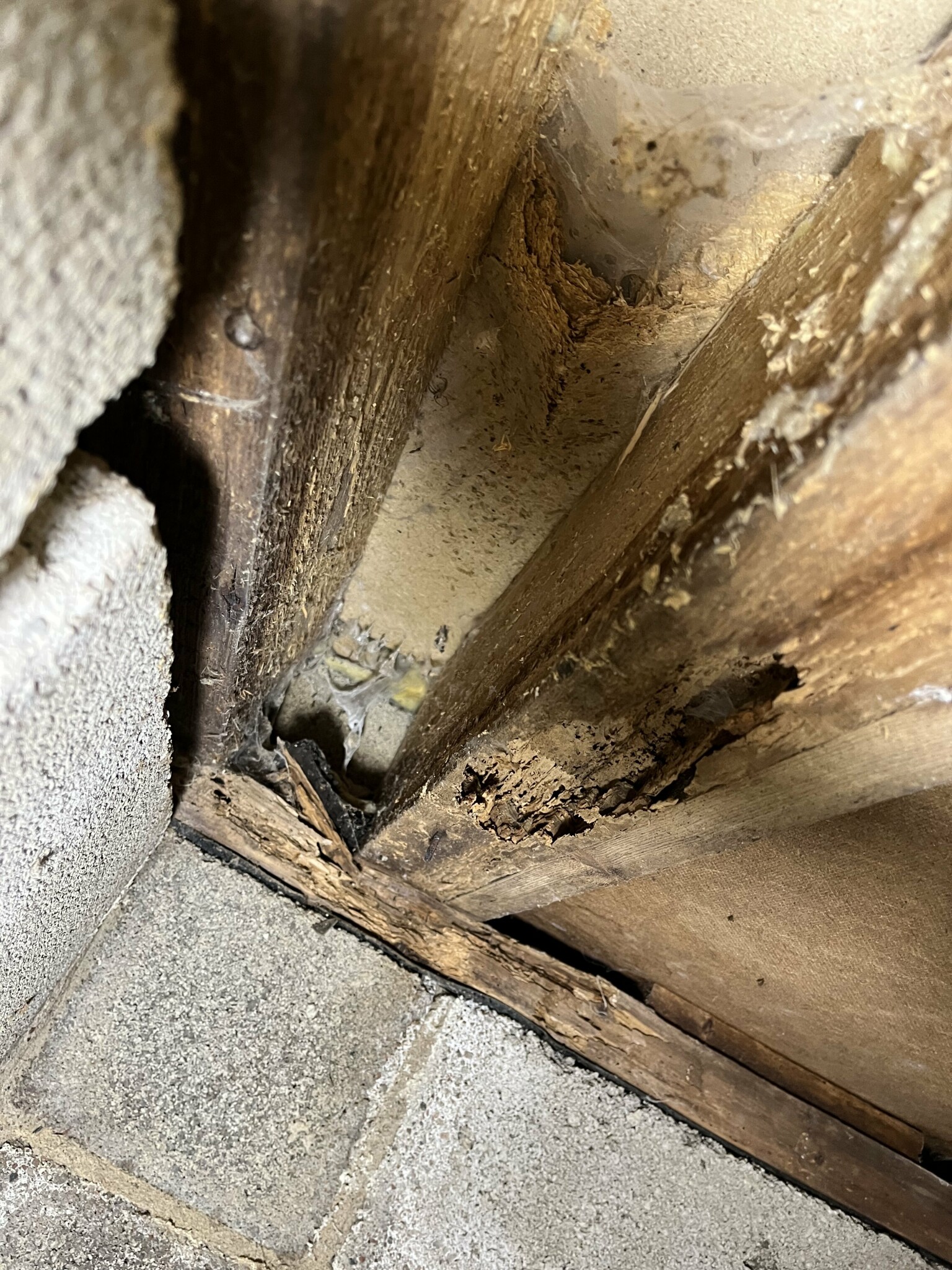
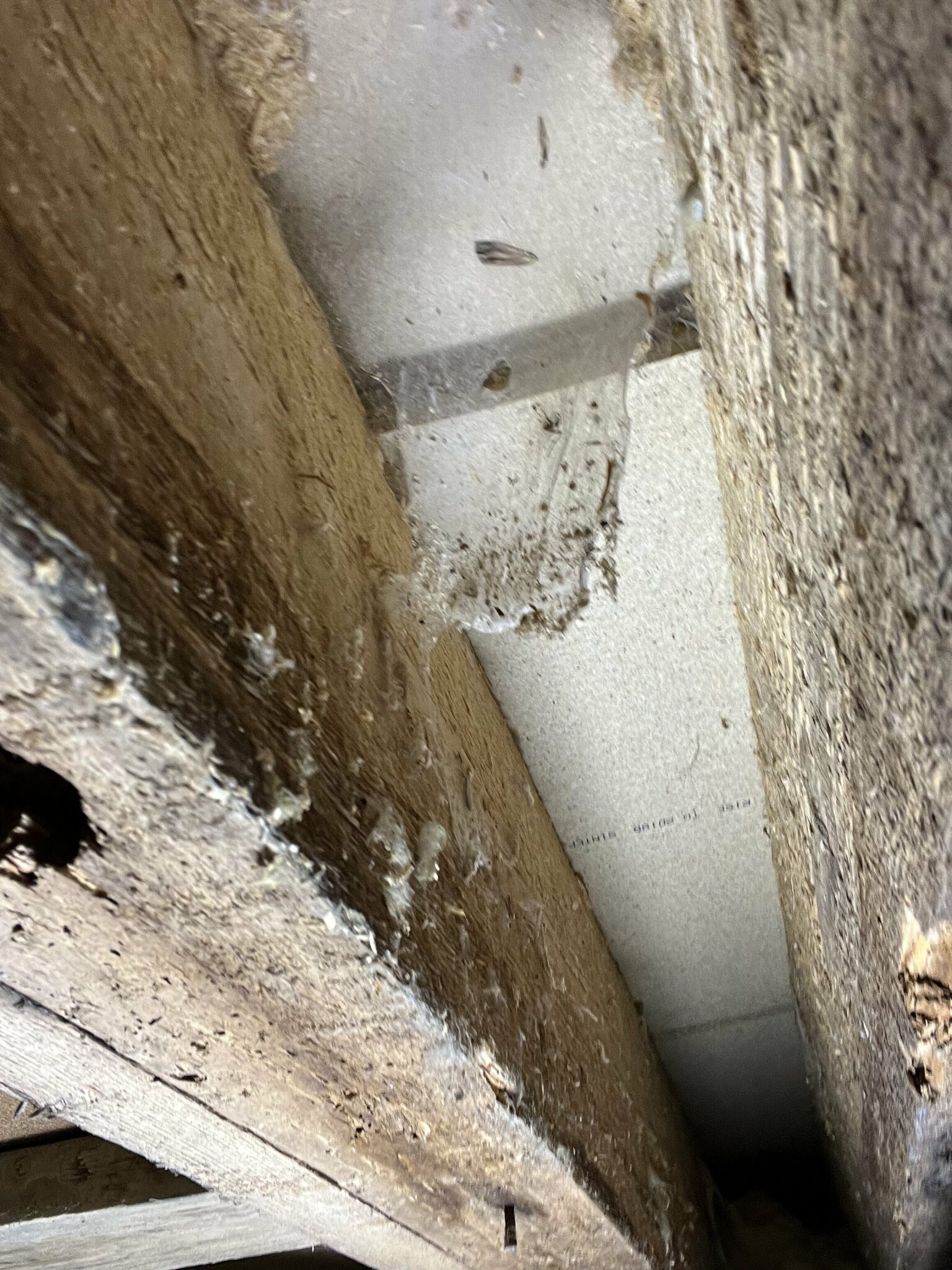
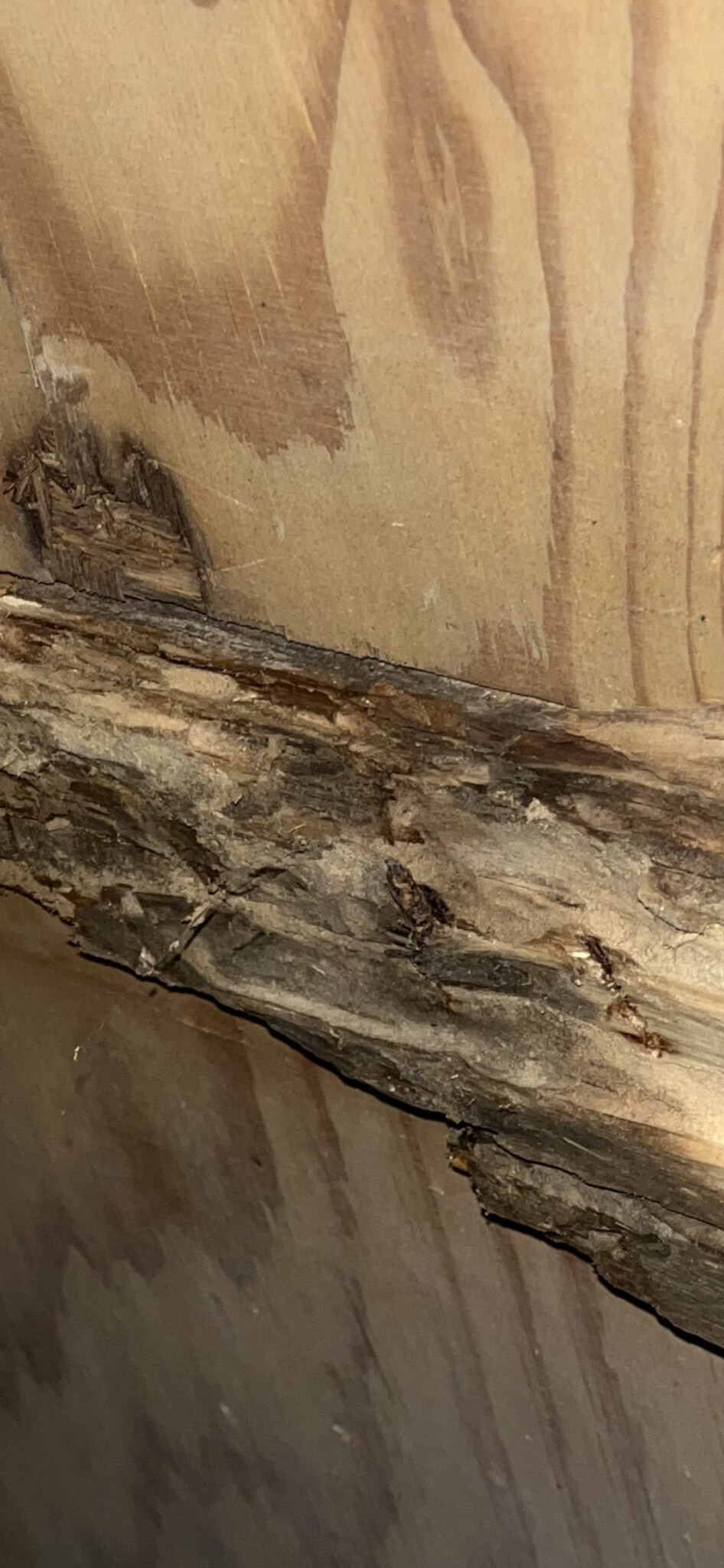
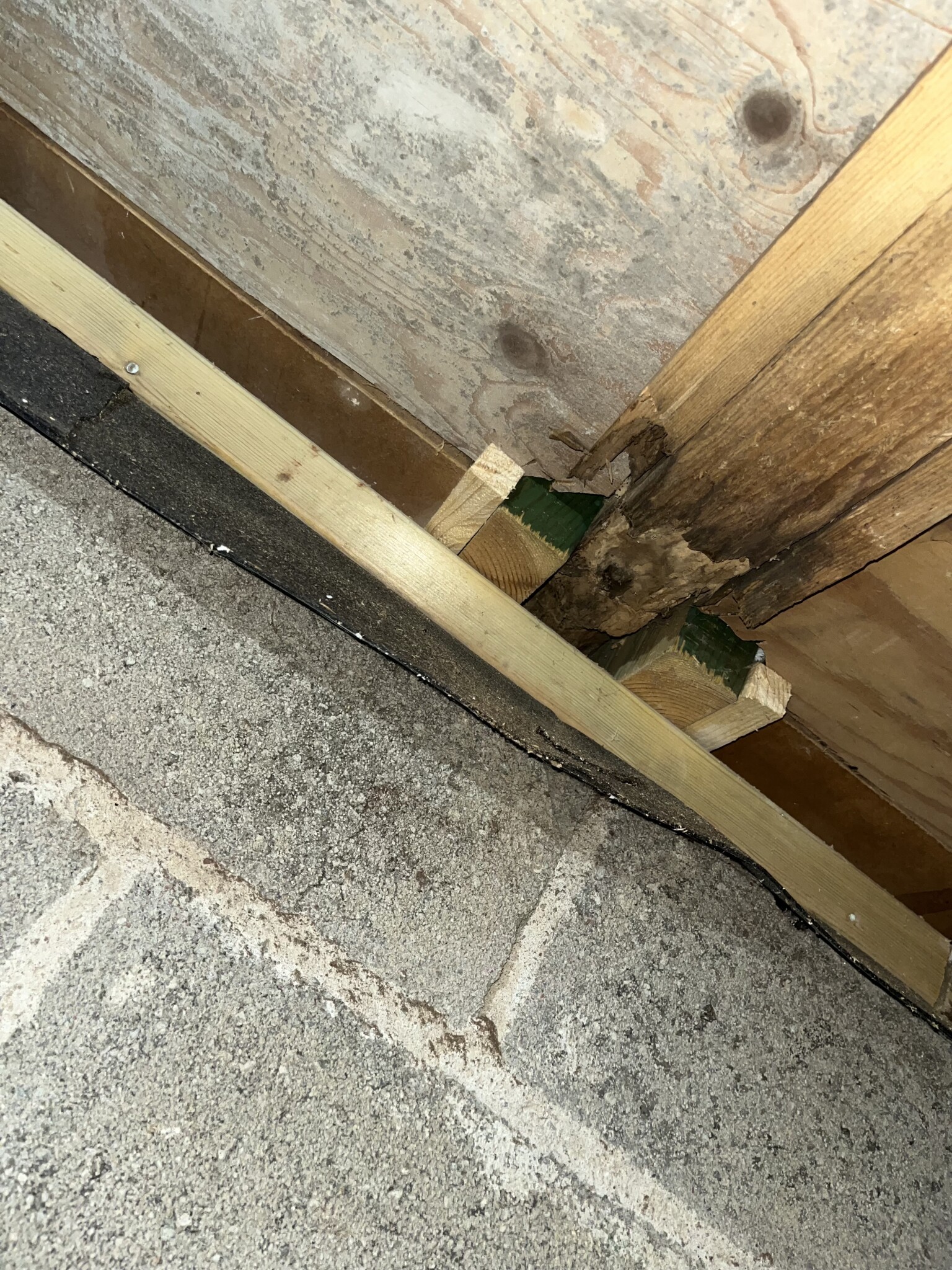
What I'm a bit worried about is that I know the fungus needs lime to survive and it has plenty of that here next to the wall 😳B b8q said:
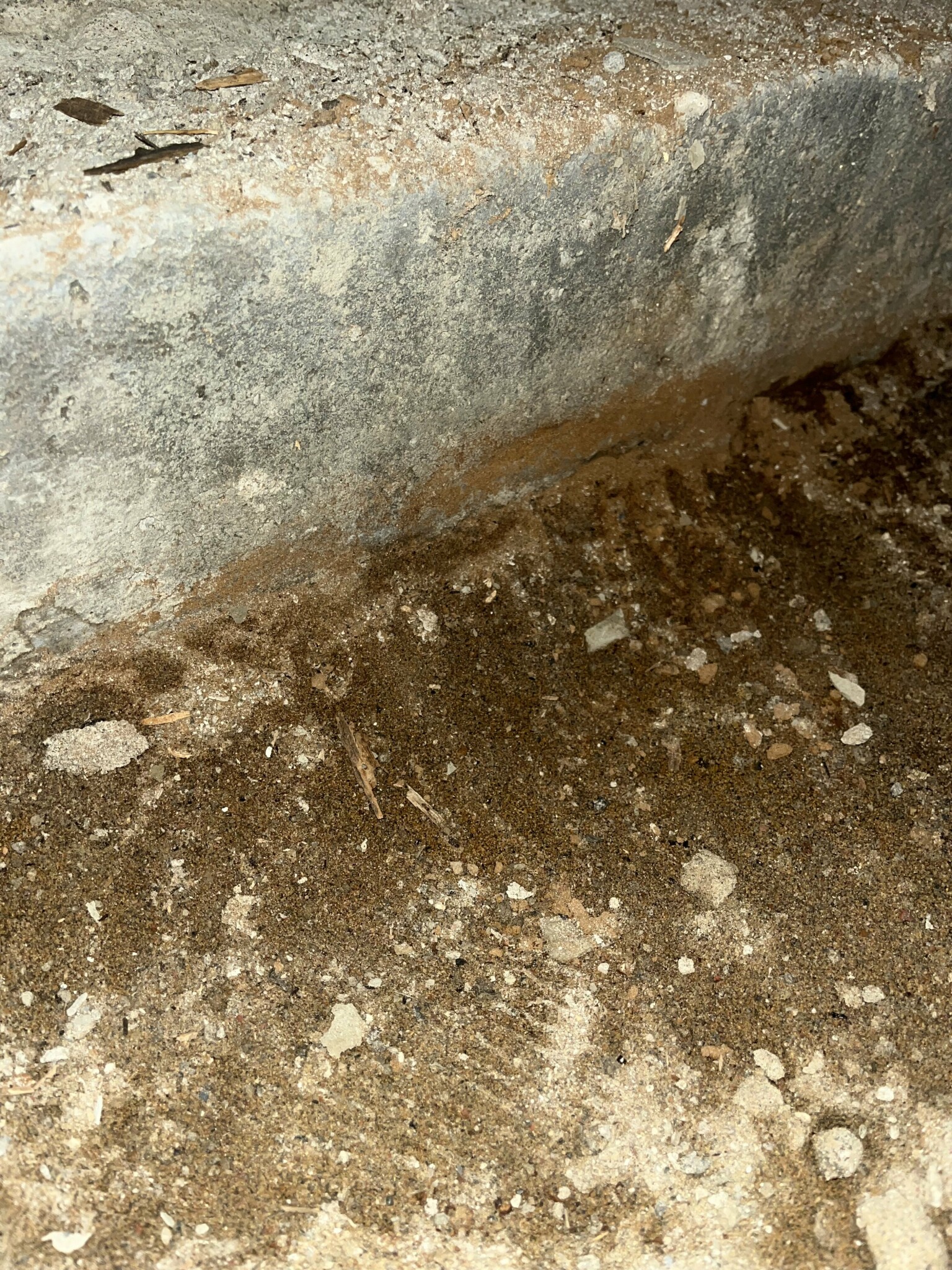
Also, I have discovered a dark brown powder along the wall in places, but maybe that happens even if the wood is rot-damaged and doesn't necessarily mean dry rot?


I also think they are ants. They don't have to be carpenter ants, but other ants that like to eat wood.
The picture and the film make me relive my terrible discovery last winter; it was persistent timber pests that had pulverized my log house due to damp wood. I haven't received the invoice from the carpenters who replaced the logs yet, but it won't be cheap. Be sure to replace the affected parts ASAP.
They told me that as long as the wood isn't damp, the persistent timber pests won't go any further. But I'm not an expert on anything. At all.
They told me that as long as the wood isn't damp, the persistent timber pests won't go any further. But I'm not an expert on anything. At all.

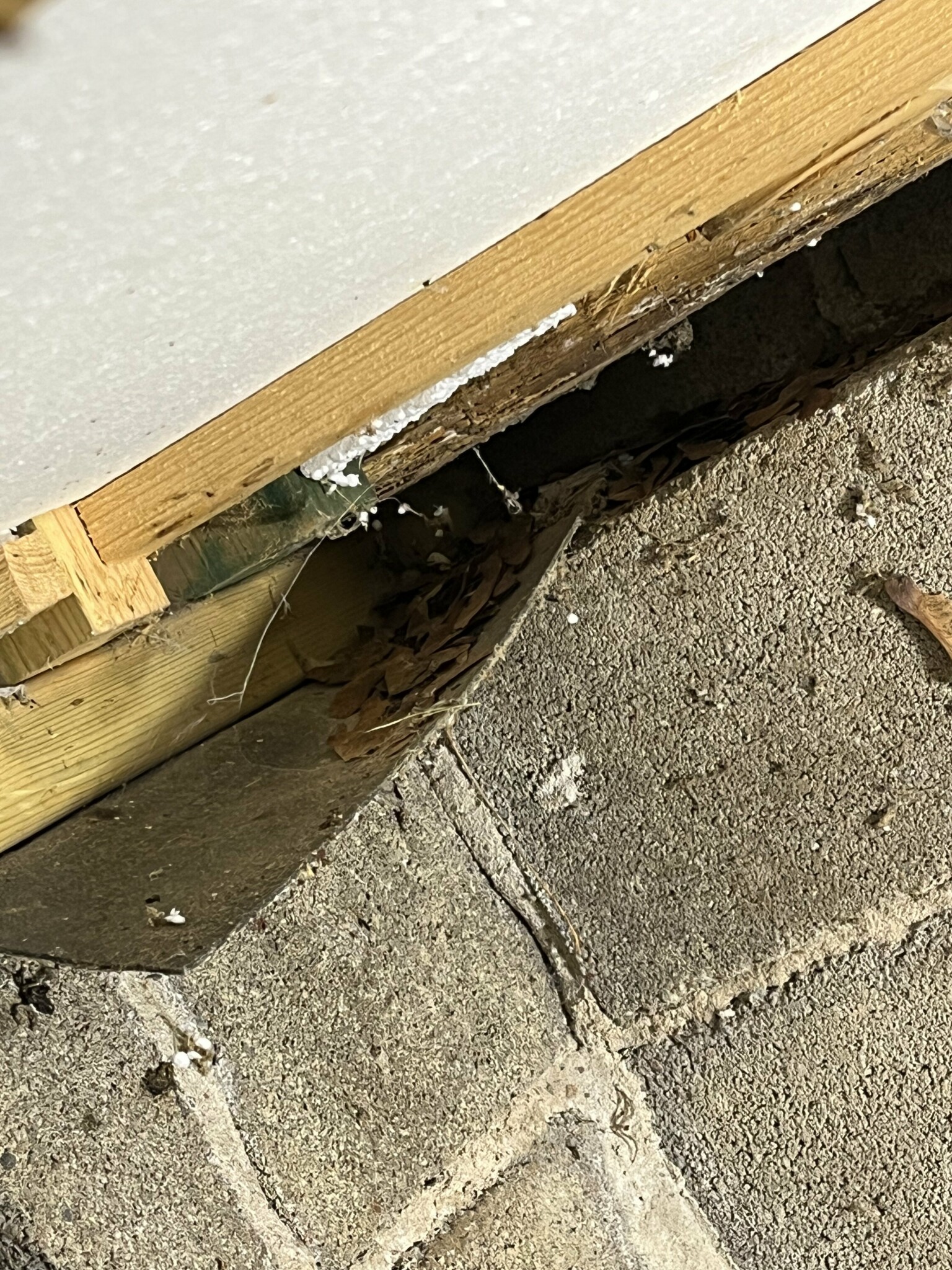
Picture 5-6 is against one long side of the house, where they have replaced the previous sill with pressure-treated wood and probably saw the damage in the floor structure back then, but ignored removing the damaged material and just patched it up with various scraps (hate shoddy jobs, why even bother doing something if it can't be done properly?!)B bygges said:
The wood is both dark and bone dry.
Then they've removed the sill on both short sides and just pressed a few small pieces in a couple of places 😳
The ventilation has been much too poor as they effectively closed all vents, leaving only 2(!) open.B bygges said:
The drainage will be checked since the foundation wall was quite damp in places and had salt deposits.
So the plan is:
Plastic sheet the ground and a bit up against the wall
A dehumidifier will be installed that will always be active and regulate so it doesn't get too humid in the crawl space
Check the drainage and address it if necessary
Replace the baseplate and repair damaged parts of the joists
Oh no... how did you discover it all?!parsen said:
The picture and film make me relive my terrible discovery last winter; it was persistent trägnagare that had, due to moist wood, pulverized my log house. I haven't received the invoice from the log builders who replaced the logs yet, but it won't be cheap. Make sure to replace the parts that are affected asap.
They told me that as long as the wood isn't moist, the persistent trägnagare won't go further. But I'm not an expert on anything. At all.
The strange thing is that I haven't seen an animal down there (knock on wood) except for spiders and MOSQUITOES 😂😅
Based on the pictures, it sounds like that's exactly what happened. A major damage was addressed once upon a time and the problem was glossed over. It's not uncommon to avoid spending money unnecessarily on something that isn't visible.J Jordekorren said:
The wood has dried out, the rot has stopped, and the insects moved on long ago. Simply an old damage.
I don't understand why people live in houses when they think like that, honestly?! It must be a thousand times better to be an apartment owner for those people. And as you say, it's not uncommon either...C cpalm said:Based on the pictures, it sounds like that's exactly what happened. They addressed a larger damage once upon a time and put lipstick on the pig. Not uncommon that people don't want to spend any money unnecessarily on something that isn't visible.
The wood has dried out, the rot attack has stopped, and the insects moved on long ago. Just an old damage, plain and simple.
I'd rather do it properly from scratch so I know it's done right than to mess around with half-baked solutions of old scrap wood and Styrofoam patched together like a quilt 😅
Now I'm a happy amateur girl who loves to learn and is very interested in constructions/materials, etc. when it comes to houses. But if I wasn't, I definitely wouldn't live in a house.
We are in the process of renovating the entire house before we move in, so when I was putting new insulation in the joists, I noticed there was some "weird" dust there. Then I continued to tear out and vacuum the dust, and suddenly! I was outside the house through a big hole. Which wasn't visible from the outside...J Jordekorren said: