It might be massive plank walls? What is the surface material? Even if it's drywall on the surface, there might be plaster underneath. A long wood screw could then work. You'll just have to test it first.
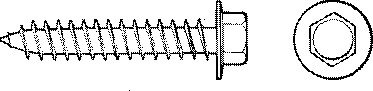
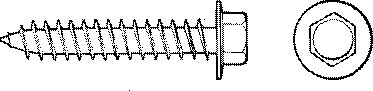
I'm not quite sure what the surface material is. Is there a way I can check it? However, I noticed that the curtain brackets in the room were screwed in with long wood screws. 4 millimeters, 6.5 cm long where the threads started after 2.5 cm, they had a slotted head so they felt older. When I screwed in my new curtain brackets with these screws, it took a while before the screw gripped, at first it felt like I was screwing into something porous and it didn't feel secure at all.
But if they are plank walls, does that mean I can screw wherever I want? Or how are plank walls constructed?
Sounds just like classic plastered walls. 3" tongue and groove plank wall, reed mat on that, and then 2 cm lime plaster. You should use 70mm long wood screws that get a good grip in the plank wall. Keep in mind that the plaster surface does not support anything, so if you have point-shaped contact with the surface, you need to relieve this sideways, e.g., with a plywood board.
Ok thank you for your response! The brackets will be screwed directly into the wall, so it will thus bear the entire weight vertically. What do you mean by relieving sideways? That I have a plywood board on the wall as an extra outer layer? Or am I misunderstanding you now?
The ceiling will weigh around 10kg/m2 according to the acoustician, which will be about 60-70 kg. This weight will be distributed on two brackets and a beam that is screwed into the wall. Something like this: https://www.byggahus.se/forum/byggn...att-borra-mojligt.html?perpage=15#post2716866 (But the cross beam will be positioned behind the window for increased strength.)
Do you think it will hold to mount such a construction on a plank wall?
When I want to fasten something to drywall, I tap on the wall and then you can hear when you are by a stud. Then I take a pin that I press into the wall. Then you can feel if you are by a stud. The hole is so small that it isn't visible if you miss.
It was a good idea! I'll get some pins and see if there are any studs there.
One thing I thought of is that when I put up the curtains, I didn't need to drill. I just hammered in the screw a bit and then started screwing. There was no place where I felt a stop. Shouldn't there be a stop if there was a plank there? That is, I shouldn't be able to screw all the way in without having to hammer in the last bit where the plank was to then screw the screw all the way in? Because now I screwed in the screw all the way without it really stopping.
I checked with the caretaker and he didn’t know how the walls are constructed.
"The house was built in the 40s, so unfortunately I have no information about the material in the walls, but I seem to recall that interior walls tend to be made of lightweight concrete and some load-bearing walls. The difference between light and concrete walls can usually be heard by knocking. Lightweight concrete sounds more hollow."
I've knocked on the walls and they sound different. In some places, it sounds "thick" and in others, hollow. However, it sounds "woody" everywhere. Not concrete-like. However, I'm not a carpenter, so I don’t have much experience judging the nature of walls by knocking on them. It could very well be plaster or lightweight concrete.
But is there any way to determine what kind of walls they are, other than screwing in a test screw and seeing if it holds?
There is quite a good chance that the walls don't have any wood material at all. In apartments from that time, it's common to have the lightweight concrete of the past, or brick walls.
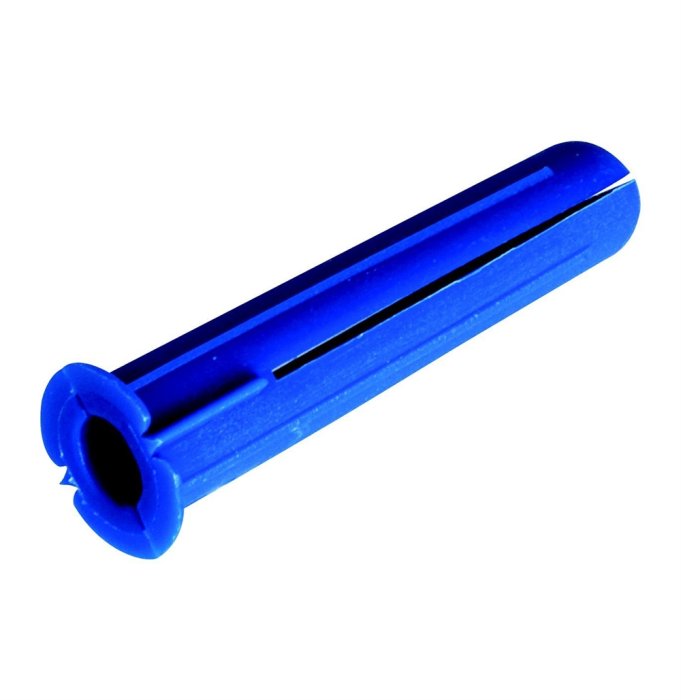
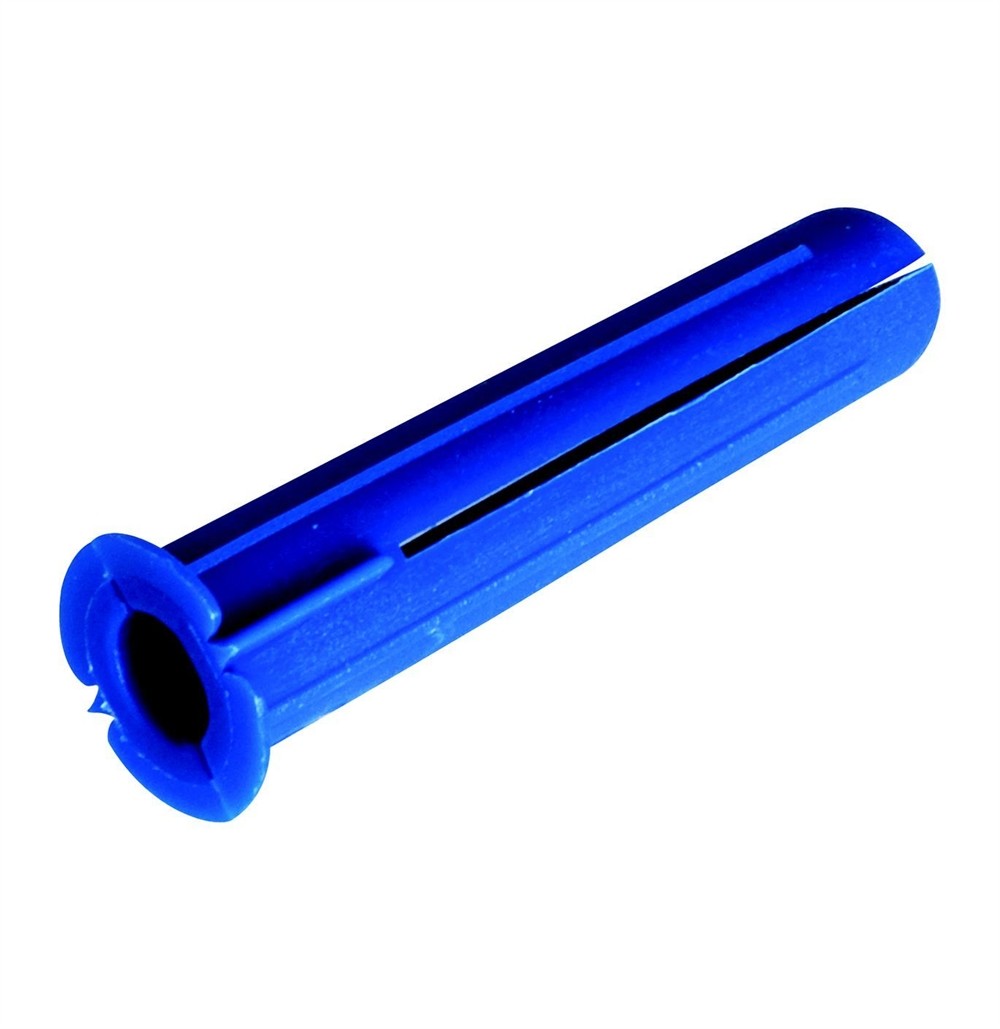
You can try drilling with a small drill bit, if you encounter wood, it's good if the drill is not thicker than so you can screw into the hole. If you don't find any wood, you'll have to use plugs.
I would like to know the wall construction beforehand so that I can be sure the construction I make holds. I don't want a 60 kg ceiling to fall on my head. I could drill but at the same time, I have already screwed in curtains and I didn't feel wood. (as I wrote above) However, as I said, I'm not a carpenter but there was no point during the screwing where I felt a stop, which I should if wood suddenly appeared?
But suppose it's lightweight concrete. Will plugs suffice? Or if it's lime plaster? Is it a lost cause then?
Image: https://www.byggahus.se/forum/byggn...att-borra-mojligt.html?perpage=15#post2716866 If the weight on the ceiling becomes 60 kg, the transverse beam will have 30 kg of weight on it if I understand it correctly, distributed over two brackets. The beam on the wall will have the remaining 30 kg distributed over x number of screws. Do you think it will hold with screws and plugs?
I realized something that supports your guess. In the kitchen, the previous owner has screwed something up, probably a shelf. There are two holes just above head height, one meter apart. In each hole, there is a plug that is 8 mm internally. The entire borehole is 9-10 mm in diameter. This suggests that screw and plug is the method to use.
Suppose it is lättbetong. How much weight can a screw + plug hold? Each bracket will take a quarter of the ceiling's weight if I understand it correctly. (15 kg) How many screws per bracket do you think I need?
Then the rule on the wall will take the remaining weight, i.e., 30 kg. How many screws do you think I need there?
/Jens
Ps. Thank you so much for helping me with this! Very kind!
Yes, it shouldn't be any problem. I don't know how many screws your bracket requires, but I would guess around 2-3. So a total of 4-6 screws, and your support beam shouldn't have any issue bearing the load.
The best I can recommend is to visit a reliable hardware store and buy screws, and at the same time, talk with the staff!
I refer to this when I'm hanging cable ladders and other things at work, on different wall materials. In lightweight concrete, it's most common for me to drill with a 10mm drill bit and use blue plugs and building screws in suitable lengths.
As I said, ask the staff when you buy; they should have good knowledge! Good luck.
Last edited:
Vi vill skicka notiser för ämnen du bevakar och händelser som berör dig.