
Hello. New to the group and need help.
Bought a house that's somewhere around 200 years old. A lot of fun has happened along the way, and recently insulation granules started falling into the chimney.
It's an old brick chimney with pipes installed. First cast horizontally into the chimney, then a pipe was set vertically to lead out the smoke.
At the bottom of the pipe, there's now no seal, so insulation granules are falling in.
I thought I would seal it with stove paste, but as soon as I try to press it into the rather large gap, more insulation granules fall down.
The question is whether I should try to empty everything out before sealing it (how much could be in there) or should I continue trying to seal with the stove paste, which becomes quite mixed with insulation granules?
I am completely incompetent at this and can imagine that the solution is quite obvious, but I want to ask before I get into something I can't sort out.
Trying to upload a video where I blindly film upwards in the pipe
Bought a house that's somewhere around 200 years old. A lot of fun has happened along the way, and recently insulation granules started falling into the chimney.
It's an old brick chimney with pipes installed. First cast horizontally into the chimney, then a pipe was set vertically to lead out the smoke.
At the bottom of the pipe, there's now no seal, so insulation granules are falling in.
I thought I would seal it with stove paste, but as soon as I try to press it into the rather large gap, more insulation granules fall down.
The question is whether I should try to empty everything out before sealing it (how much could be in there) or should I continue trying to seal with the stove paste, which becomes quite mixed with insulation granules?
I am completely incompetent at this and can imagine that the solution is quite obvious, but I want to ask before I get into something I can't sort out.
Trying to upload a video where I blindly film upwards in the pipe
Shouldn't the hose go externally on that connection?
How does it look at the other end up by the chimney, it might be that the hose has shrunk from the heat so it might be enough to loosen it and try to get the entire hose down into the chimney at the external lower connection.
How does it look at the other end up by the chimney, it might be that the hose has shrunk from the heat so it might be enough to loosen it and try to get the entire hose down into the chimney at the external lower connection.
If I understand you correctly, it has shrunk in length?T tracker said:
It looks pretty logical when I look at it, and at the same time, I don't see any traces of an old seal.
Yesterday, I went ahead and inserted plenty of stove cement in between and then smeared some extra on the transition. See picture.
I hope this will hold up during a pressure test this week. I might smear some more just because there's a bit left, and I don't think having a little thicker stove cement will hurt.
Up there, it's nicely cast in place.
About a Willys bag of heat gravel has spilled out. Is it necessary to drill a hole in the concrete at the top to refill it to the same level again?
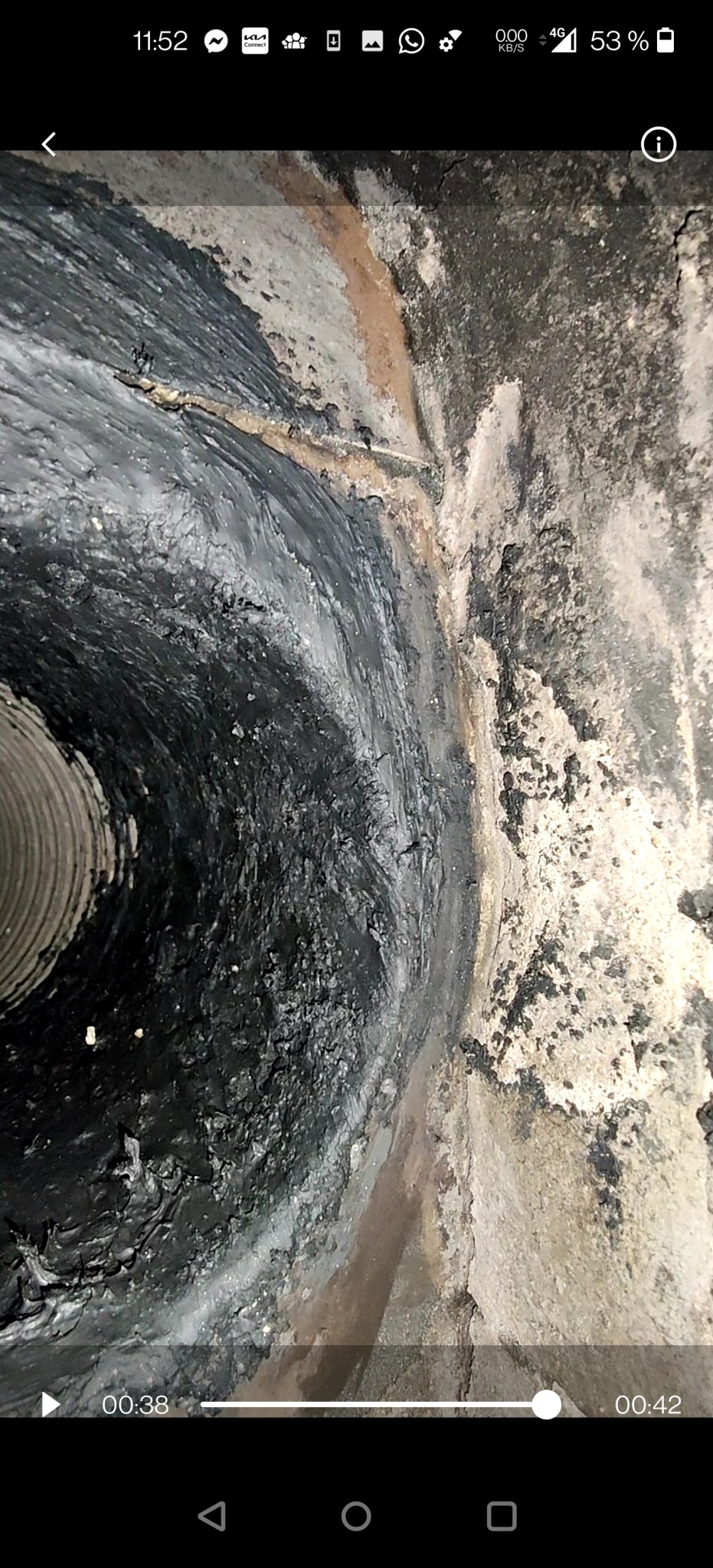
Thanks for the tip! I did just as you said, but actually used pannkitt because the local chimney sweep suggested it and I had already bought it.G guggen said:
I think it turned out pretty decent, maybe I'll put on a bit more, partly to use up the last of it, but also because I don't think a thicker layer will hurt.
Does it look decent?

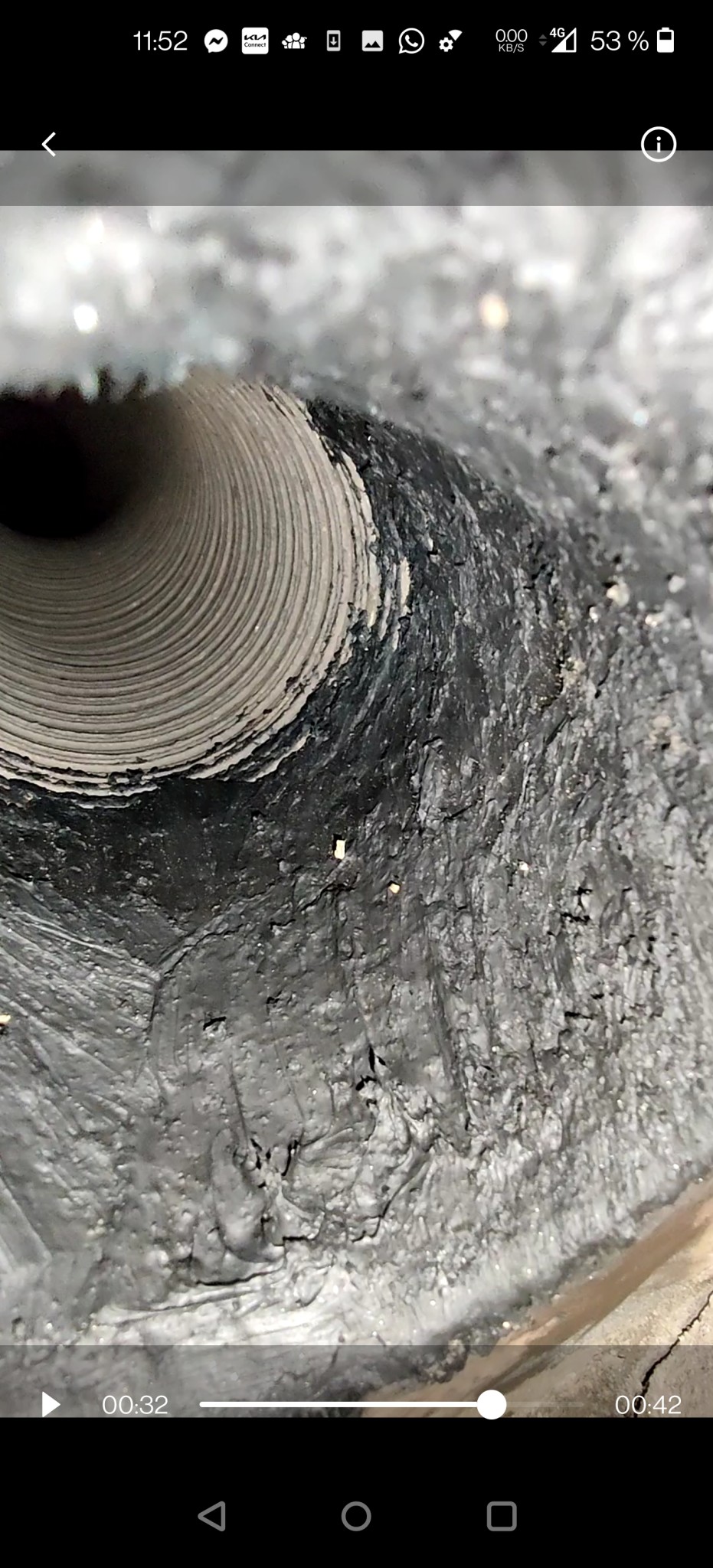
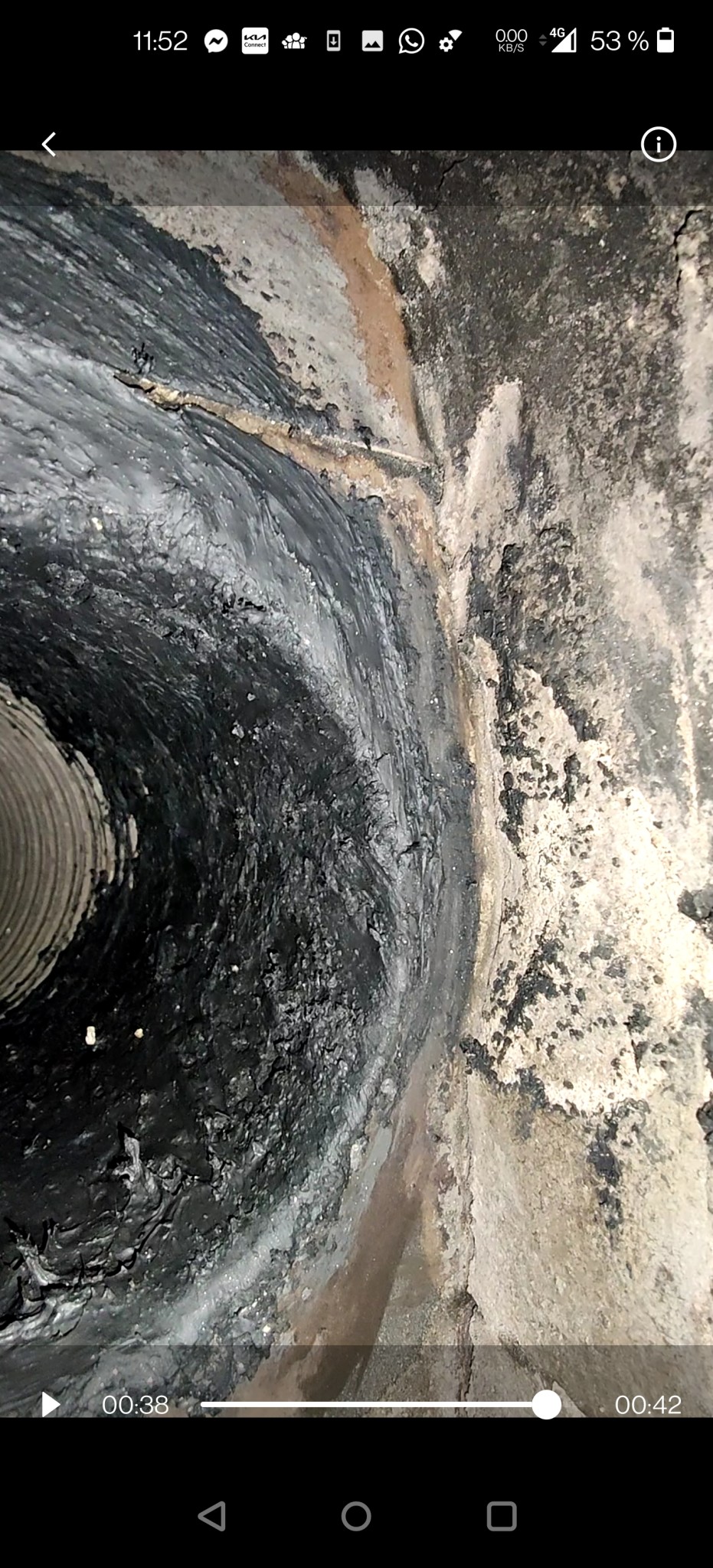
Normally, you would have a usage and embed a stoss where the pipe is attached or cast the whole thing in place. Feels like it has never been properly secured before.
The stove kit will probably work well too. Whether you need to refill depends on how much filling there is, and it's hard to know. I would probably make my way up and take a look when the weather improves.
The stove kit will probably work well too. Whether you need to refill depends on how much filling there is, and it's hard to know. I would probably make my way up and take a look when the weather improves.
Click here to reply