We are going to remove an interior wall in the living room to make it larger. According to the original drawings (and what I've been told), this wall didn't exist initially. So one might think it's just a matter of tearing down the wall, but could it have become load-bearing over time since the upper floor is furnished? I don't know if it has always been like that or if it's a later development.
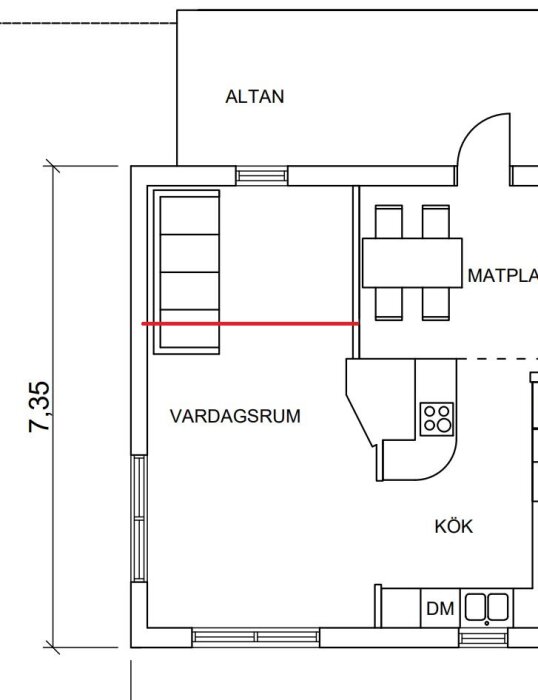
The wall is the red line on the drawing below. It is located about 2m in from the exterior wall (the one by the terrace).
I believe the upper floor is referred to as a 1/2 floor, or a furnished attic. It's 1.9m in height in the center and then maybe quickly sloping roof. I'm thinking that if the truss was self-supporting, it might have been when the attic/upper floor was unfurnished? Could the load have increased now that it can be furnished and inhabited up there, and the interior wall may therefore still be needed? Or is the furnishing insignificant in this context?
The fact that it might sag is not something we care about since we rarely spend time up there anymore, and then there are kind of huntonit boards in the ceiling so no plaster seams or similar that would crack.
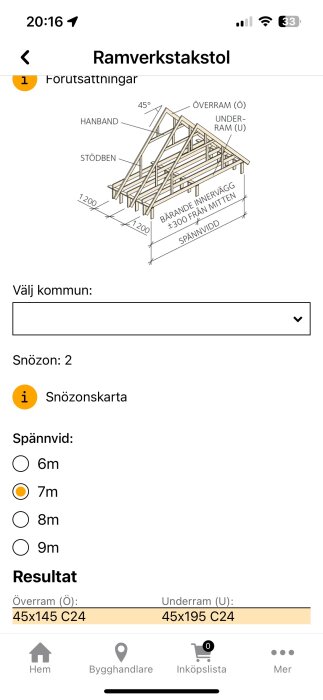
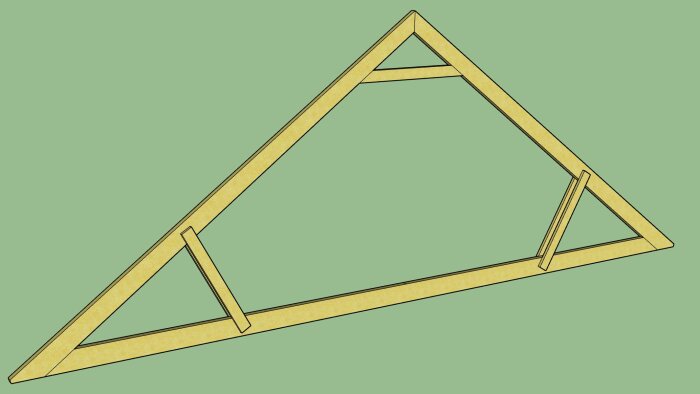
I have determined that the truss looks according to the picture. The lower chord is 50x170mm. Span is about 7m? They are spaced approximately cc 96cm apart. The house was built in the 60s. Metal roof. Would prefer to avoid a glulam beam...
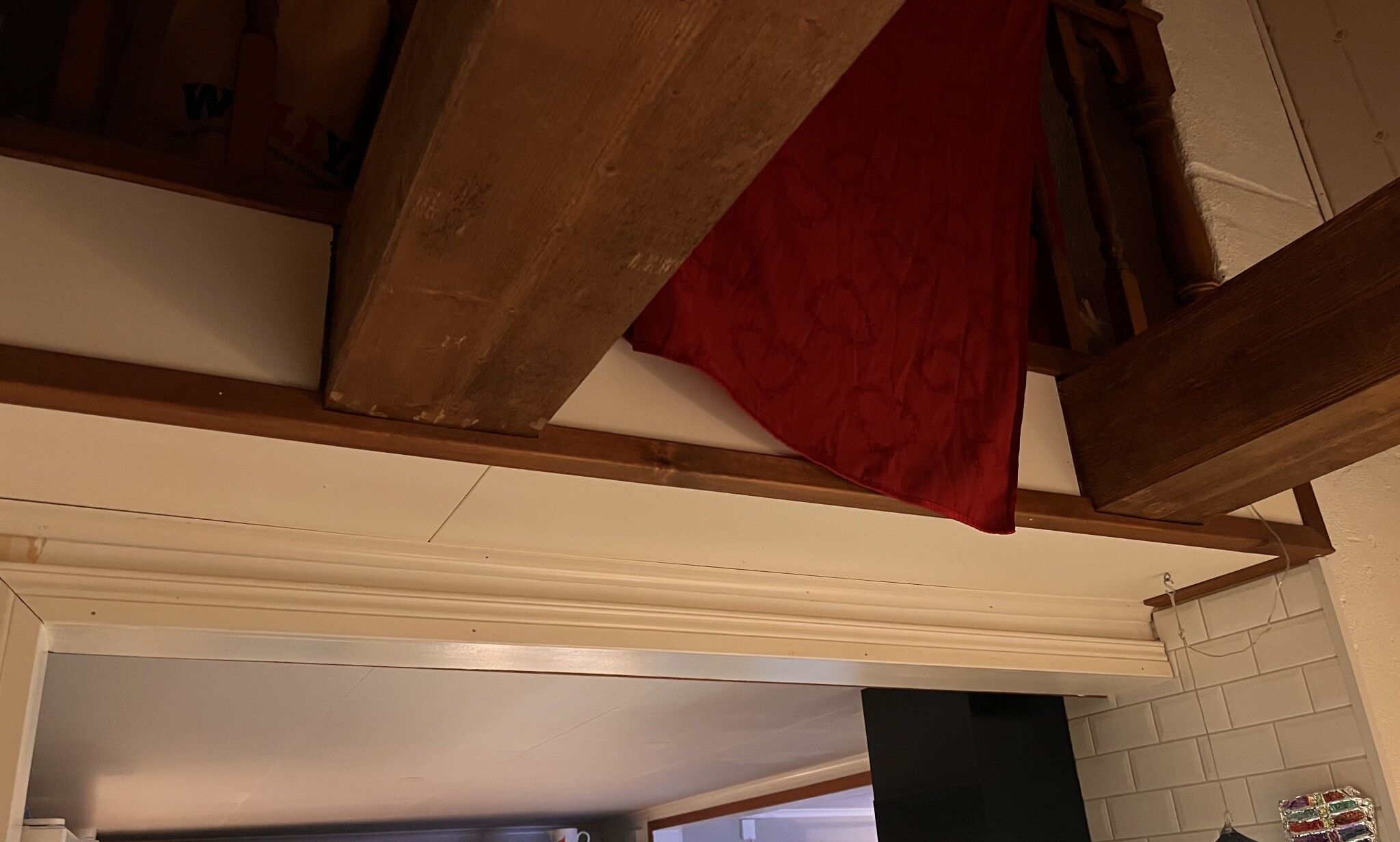
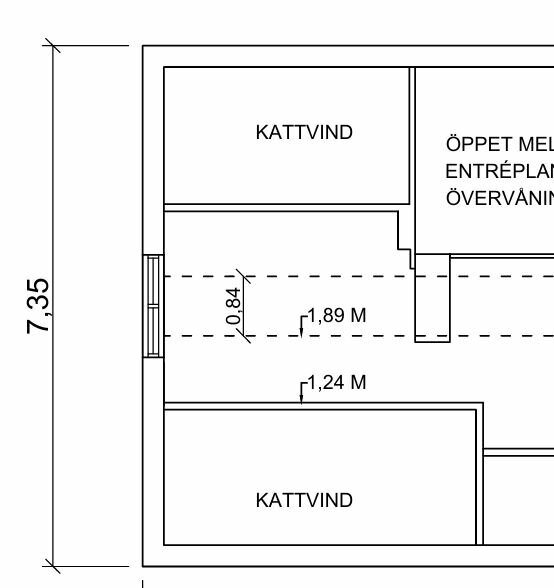
Between the kitchen and the dining area, there is a dashed line on the drawing. Is there a beam in the ceiling there?
Edit: Clarification
Well, I don't know. See attached image of the recess. Very narrow beam in that case, but sure the distance is quite short... but would it be attached to the chimney then? (The exposed beams in the picture are large for appearance, trying to look like timber I think).
Sending with the whole house as well as the original that someone has scribbled on.
With that kind of roof trusses, there is usually a load-bearing wall underneath that runs approximately under the roof ridge. However, the house is narrow, so it's not always needed. The dashed line could be to indicate how much is open up.
Truss roof trusses, which are self-supporting, look like a W.
Do you have any technical drawings, e.g., sectional drawing?
With that type of roof trusses, there is usually a load-bearing wall underneath that runs roughly under the roof ridge. But the house is narrow, and then it's not always needed. The dashed line could be to indicate how much is open upwards.
Truss roof trusses, which are self-supporting, look like W.
Do you have any technical drawings, such as a section drawing?
I recommend that you hire a structural engineer.
I'm the one who made the digital drawing in connection with the building permit when I extended the house. It's just to indicate that it's open upwards. No technical drawings. Just this section drawing, but it doesn't say much.
There is usually a wall drawn on the entrance level if a wall is necessary for the construction.
In the 60s, they rarely had that type of trusses unless the attic was meant to be furnished.
I'm soon going to remove OSB/gypsum on one side of the interior wall. Could that maybe give a clue about its construction...
The Wood Guide's quick reference says that a frame truss at 7m should have 45x195mm bottom chord. It doesn't mention cc but maybe you could assume 120cm? I have 50mm wide and cc 96cm, so even if mine are only 170mm maybe it works anyway since they are thicker and closer together?
Although they show an interior wall in the middle. In such cases, you're very far from meeting the requirements, if they mean you should have it.
And there you can see it's cc 120cm, but it doesn't matter if you need a load-bearing wall in the middle.
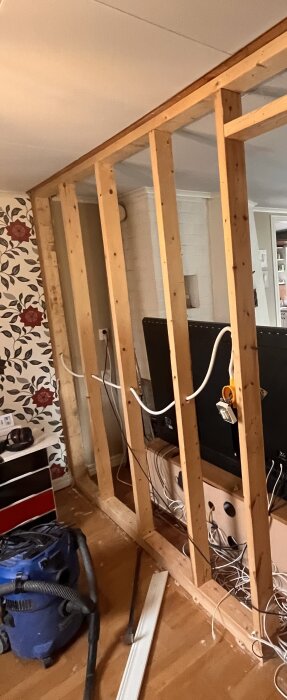
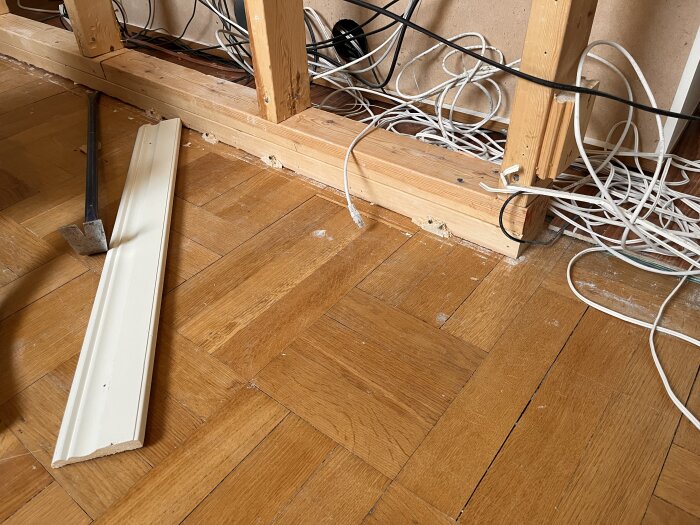
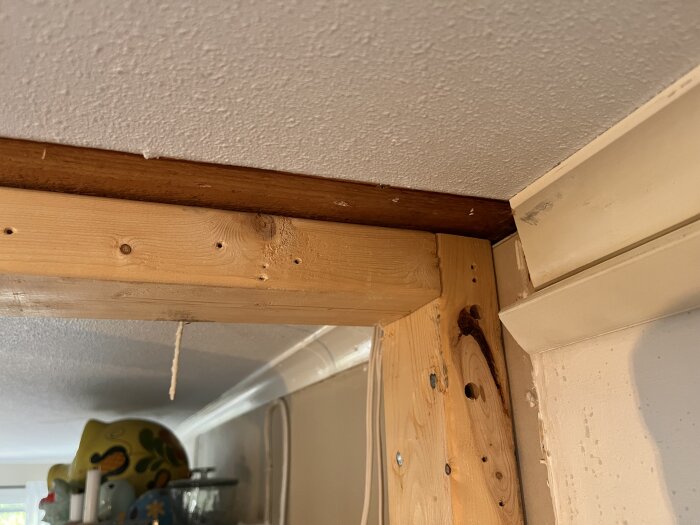
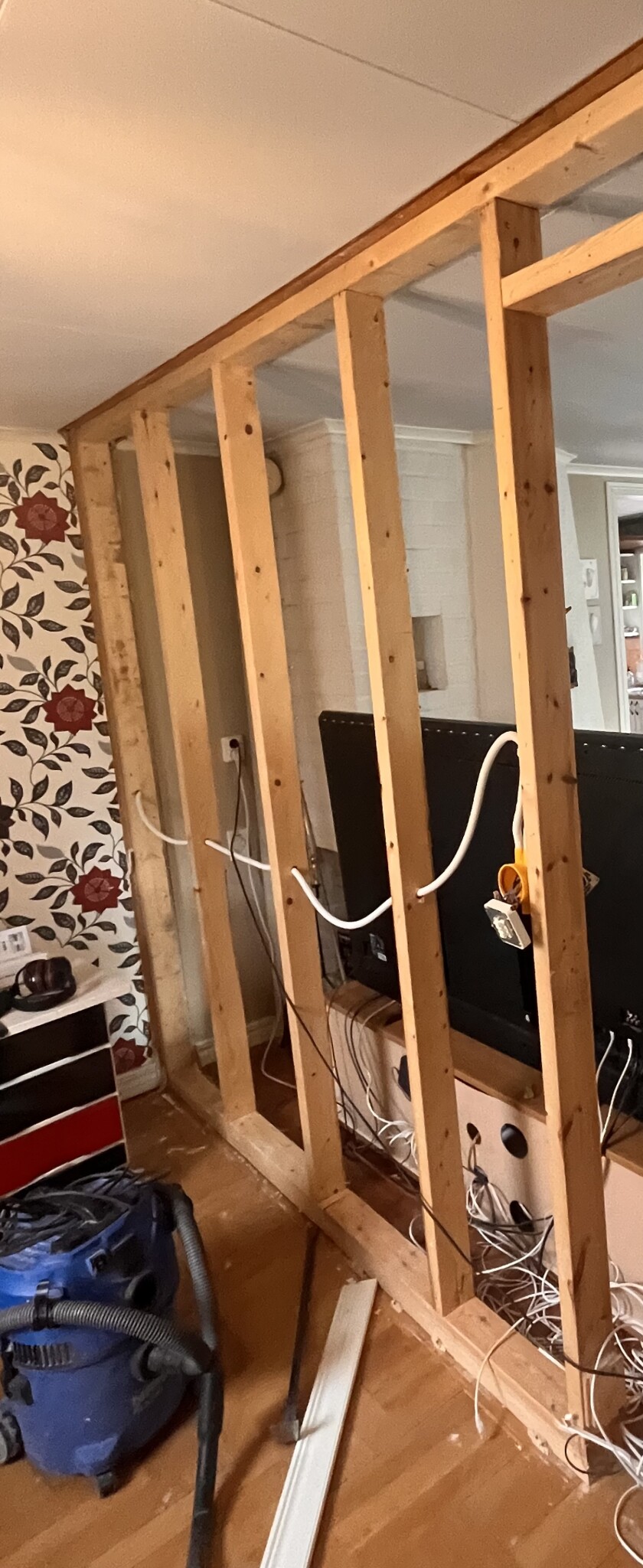
Now I have torn down everything except the studs. As seen in the floor image, the wall has been built on top of the old parquet, which I think confirms that the wall was added later.
I also don't think one would have done as in the close-up at the ceiling if it were a load-bearing wall, but on the other hand, maybe it doesn't matter at the ends?
If the wall is needed because the attic was finished later (which I don't know), will it collapse under its own weight without the wall, or when someone walks up there, or will it just sway more than one would normally want in a residence?
A support in the middle under the ridge (which seems to be the most common) has never existed in any case.
I got in touch with the previous owners who built this interior wall. They say the attic was already furnished at that time. So the wall should not be load-bearing.
Can anybody explain how this makes sense? When searching for similar roof trusses, it seems there always needs to be a load-bearing wall in the middle. So how are we managing without one? Or is it just that it only flexes a bit more up there?
Apart from the fact that the bottom chord is 50x170mm with 96cm spacing, there is some tongue-and-groove boards underneath and then ceiling panels. On top, it looks like there is up to 30mm of tongue-and-groove boards under the click flooring, but I'm not entirely sure.
Now the wall is demolished. But any potential problems might only become apparent in the winter if the support legs press on the forearm then? Although they press far out quite close to the external walls, so I don't see how that would cause it to collapse, one side has never had a supporting wall approximately under the support leg.
Click here to reply
Vi vill skicka notiser för ämnen du bevakar och händelser som berör dig.




BirgitS said: