
Hello,
It's time to take out some garden gadgets and we've noticed some rust spots. A quick search suggests WD-40 or 5-56 to remove it while others recommend rust removers that are significantly more expensive.
For us, it's not directly necessary that it looks brand new but we'd like to stop the rust so that it doesn't lead to bigger problems. Generally, it is said that rust comes back but perhaps there are products that significantly slow down its progress?
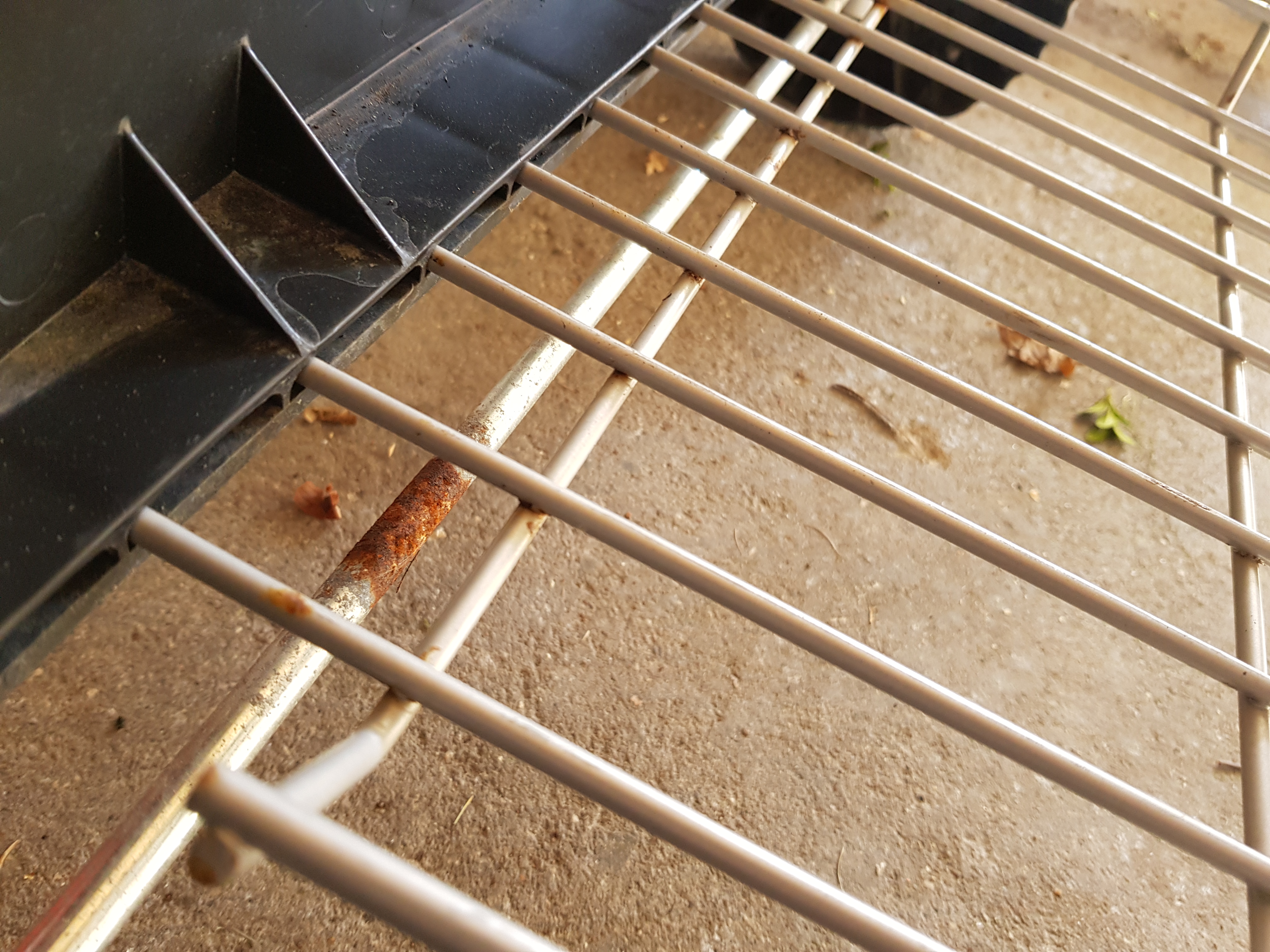
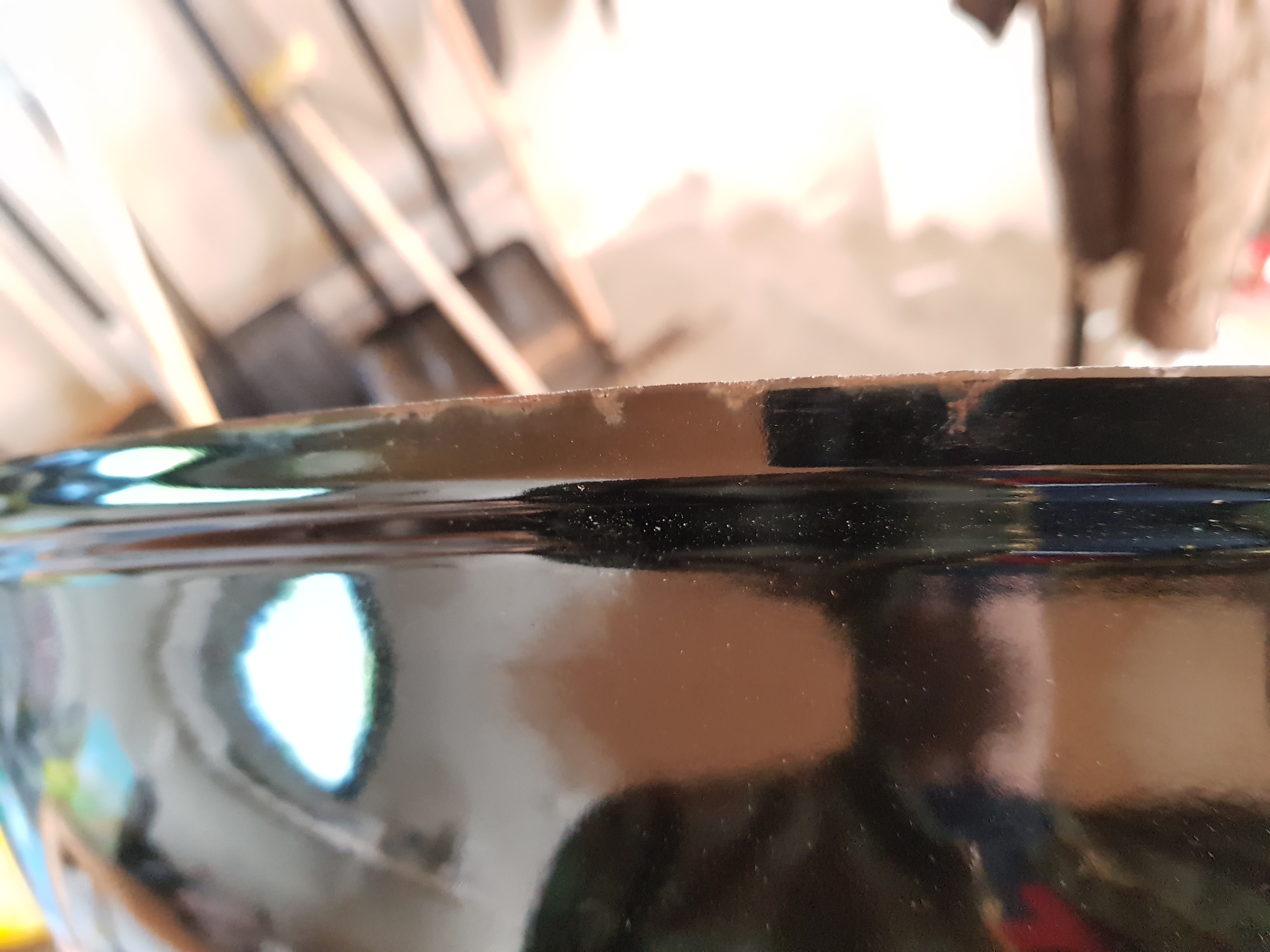
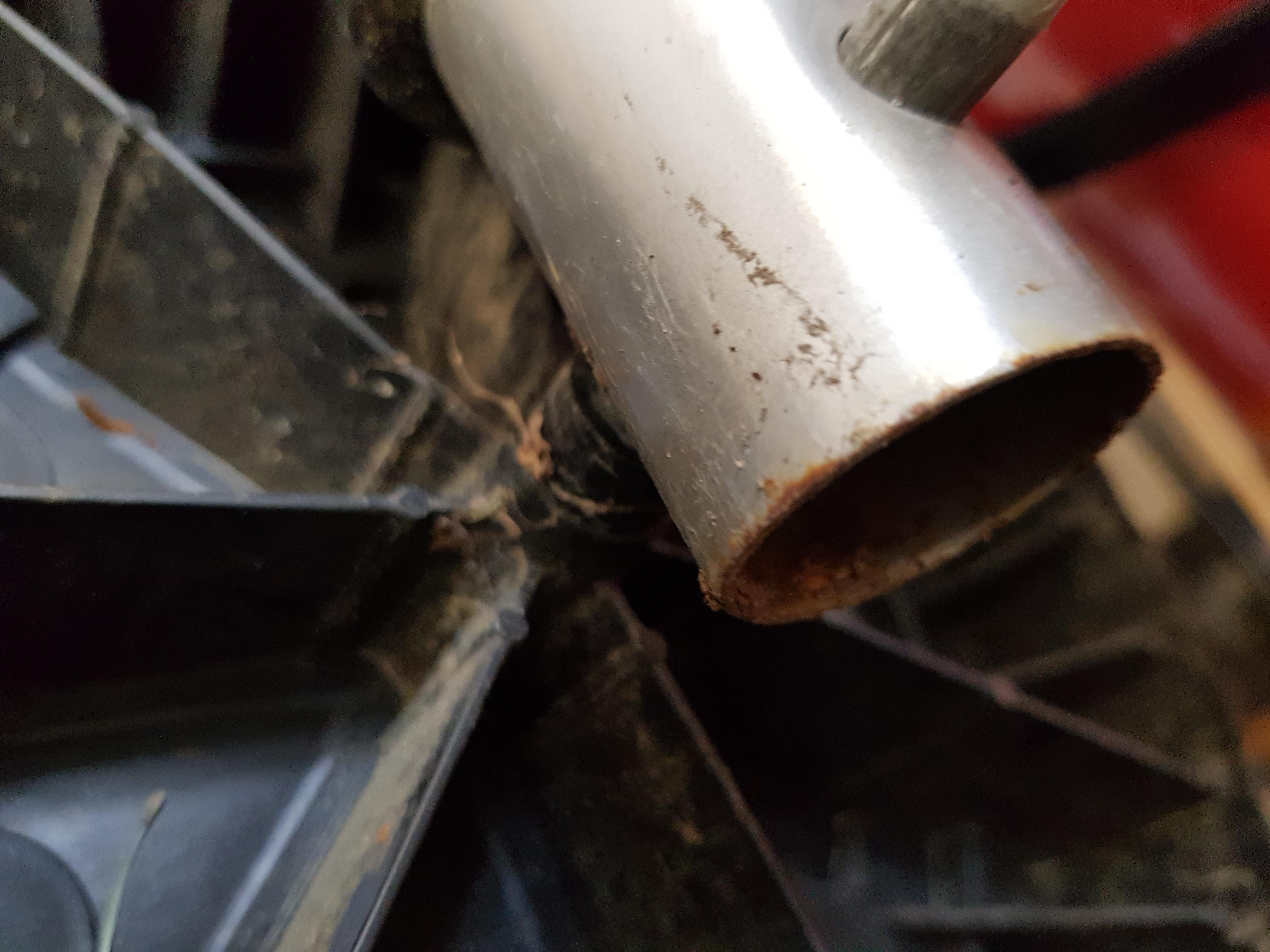
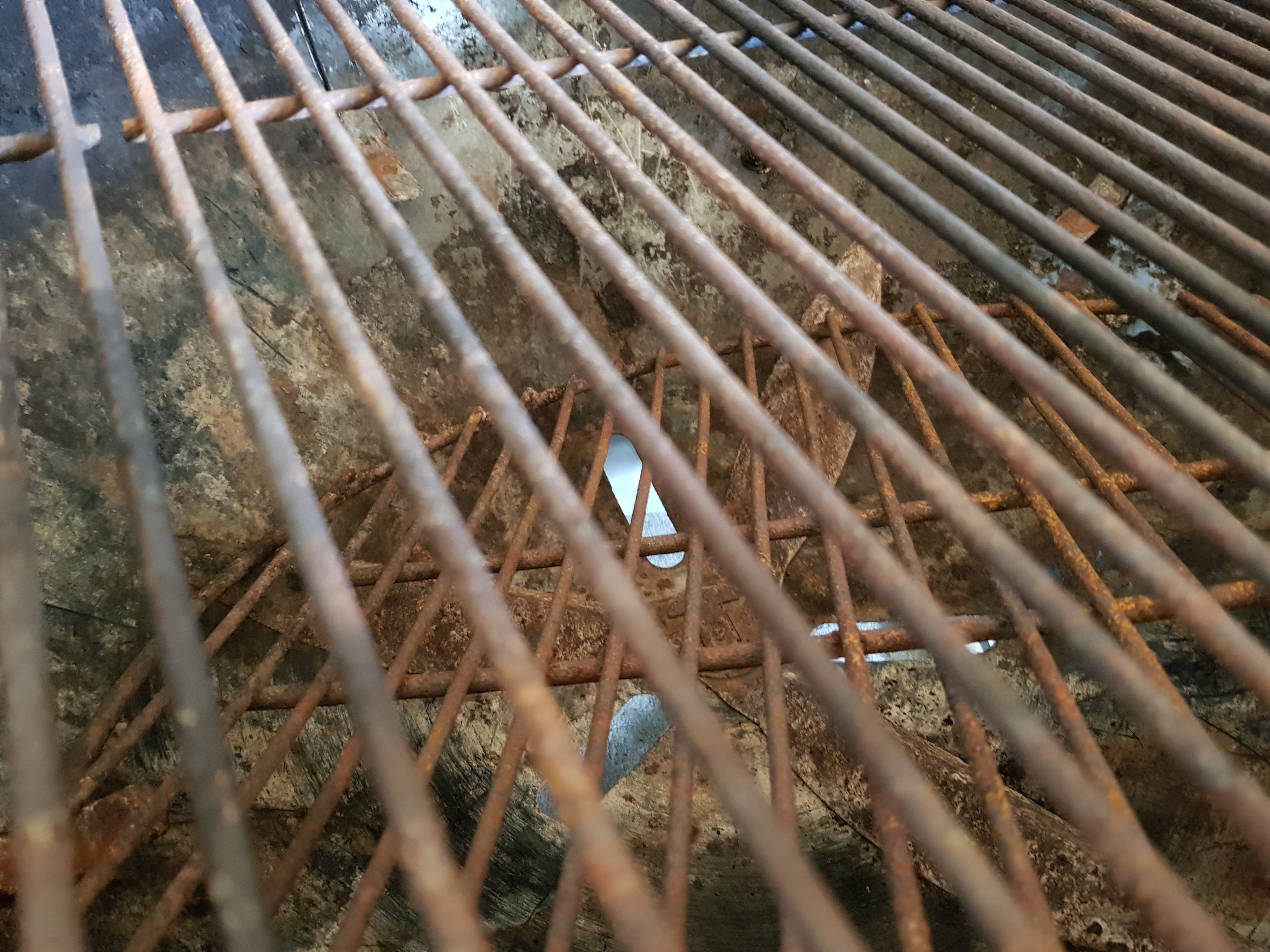
Here are some pictures of what I classify as surface rust:
First a stand for a hammock
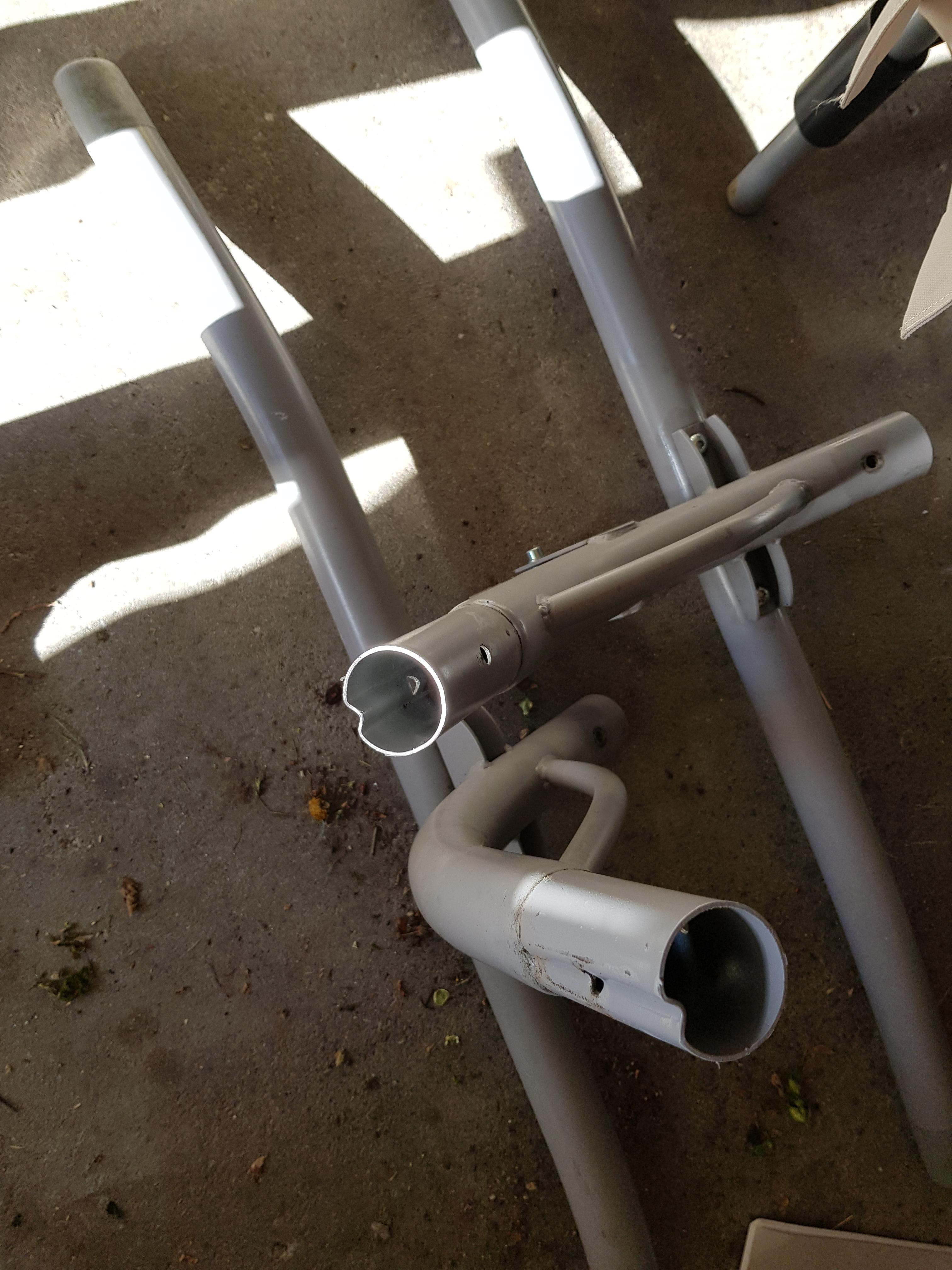
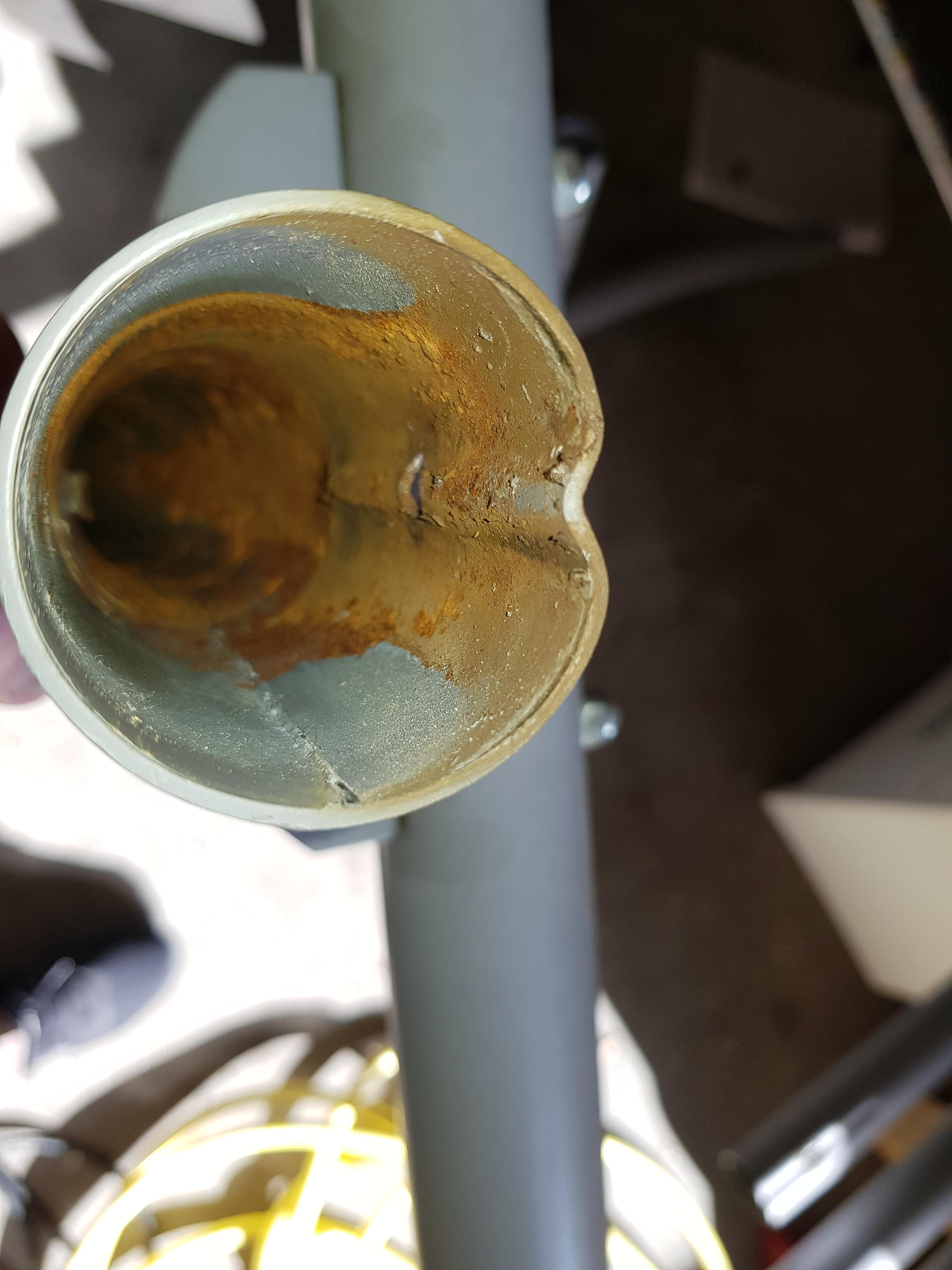
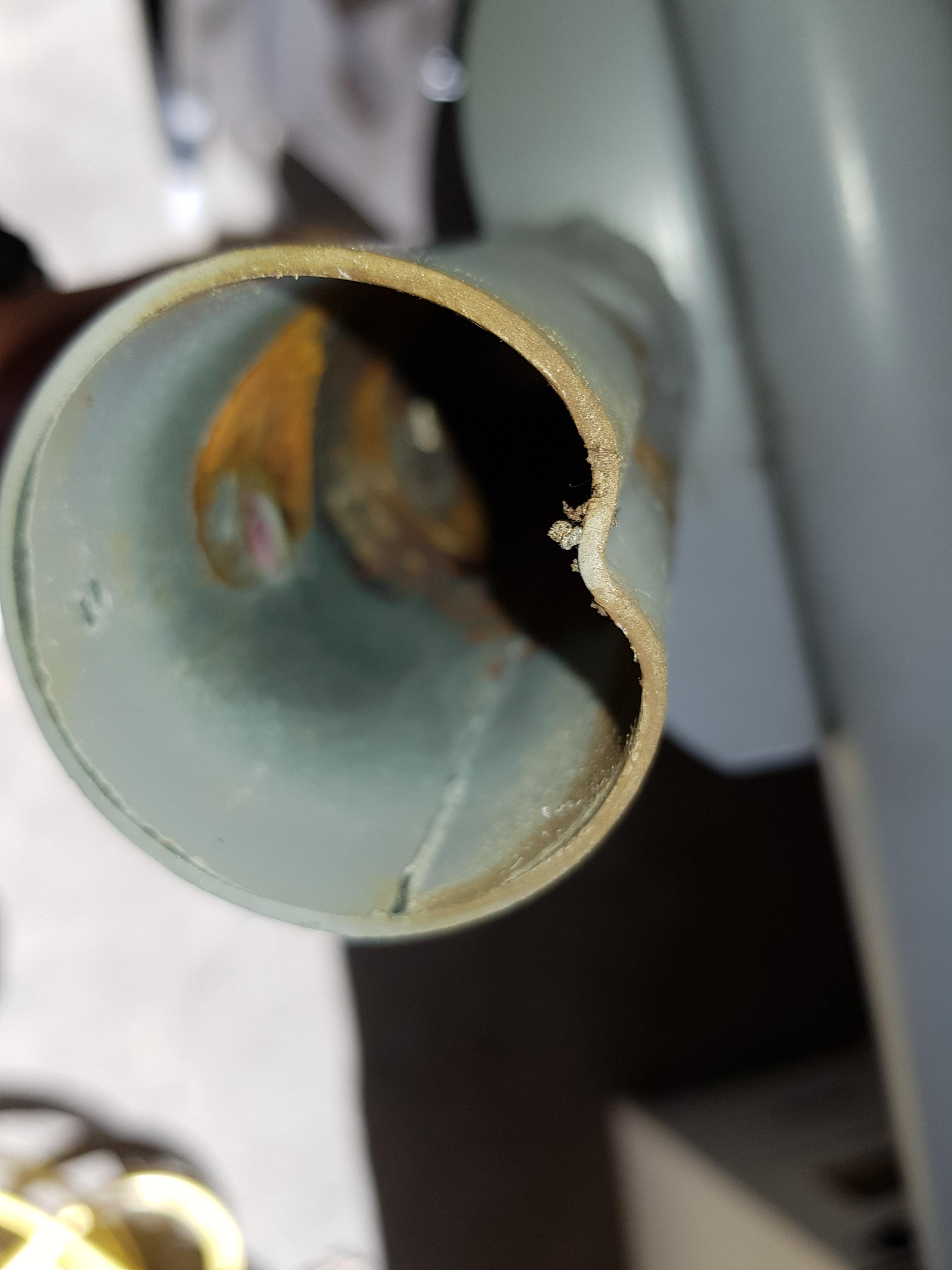
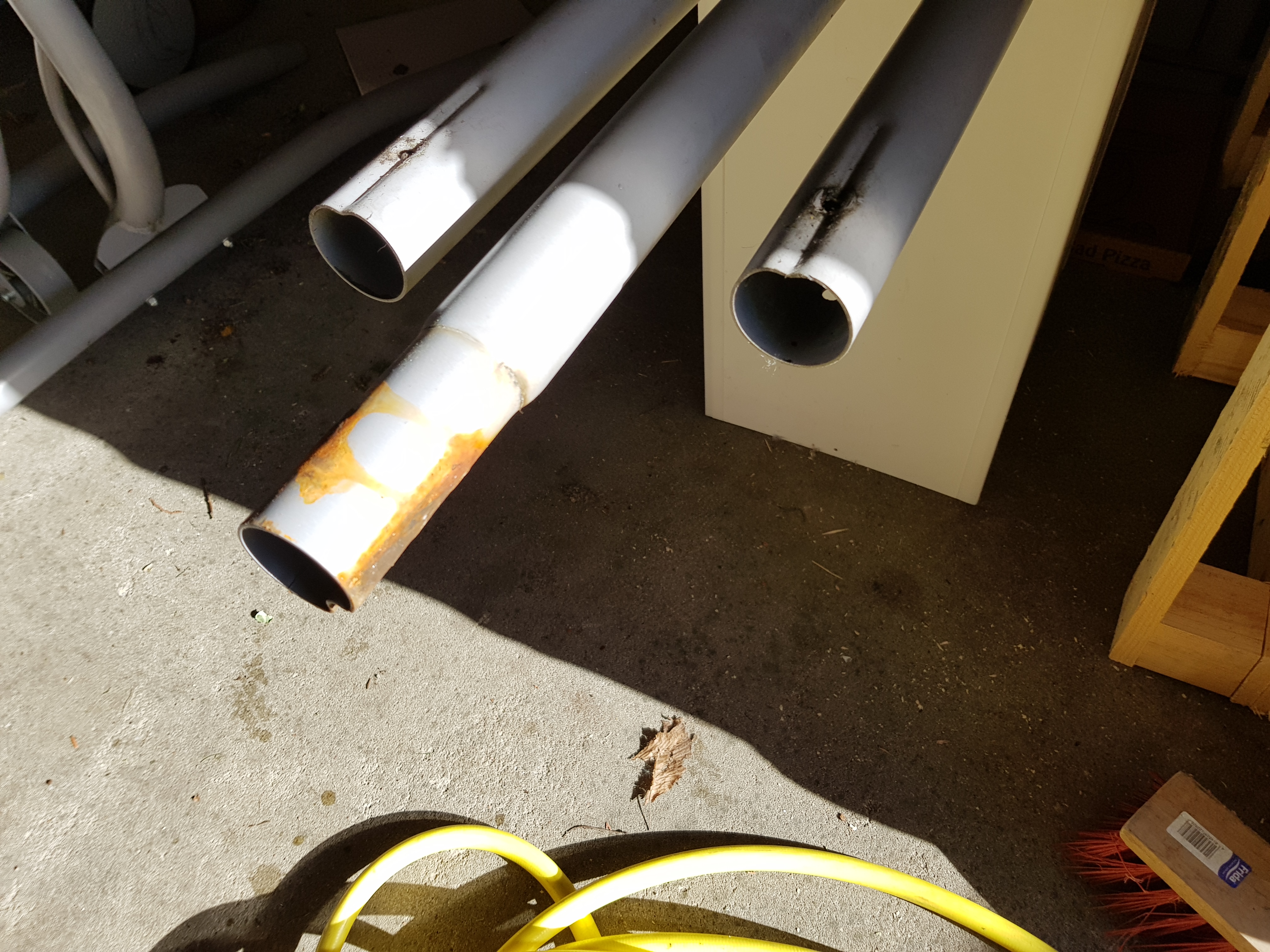
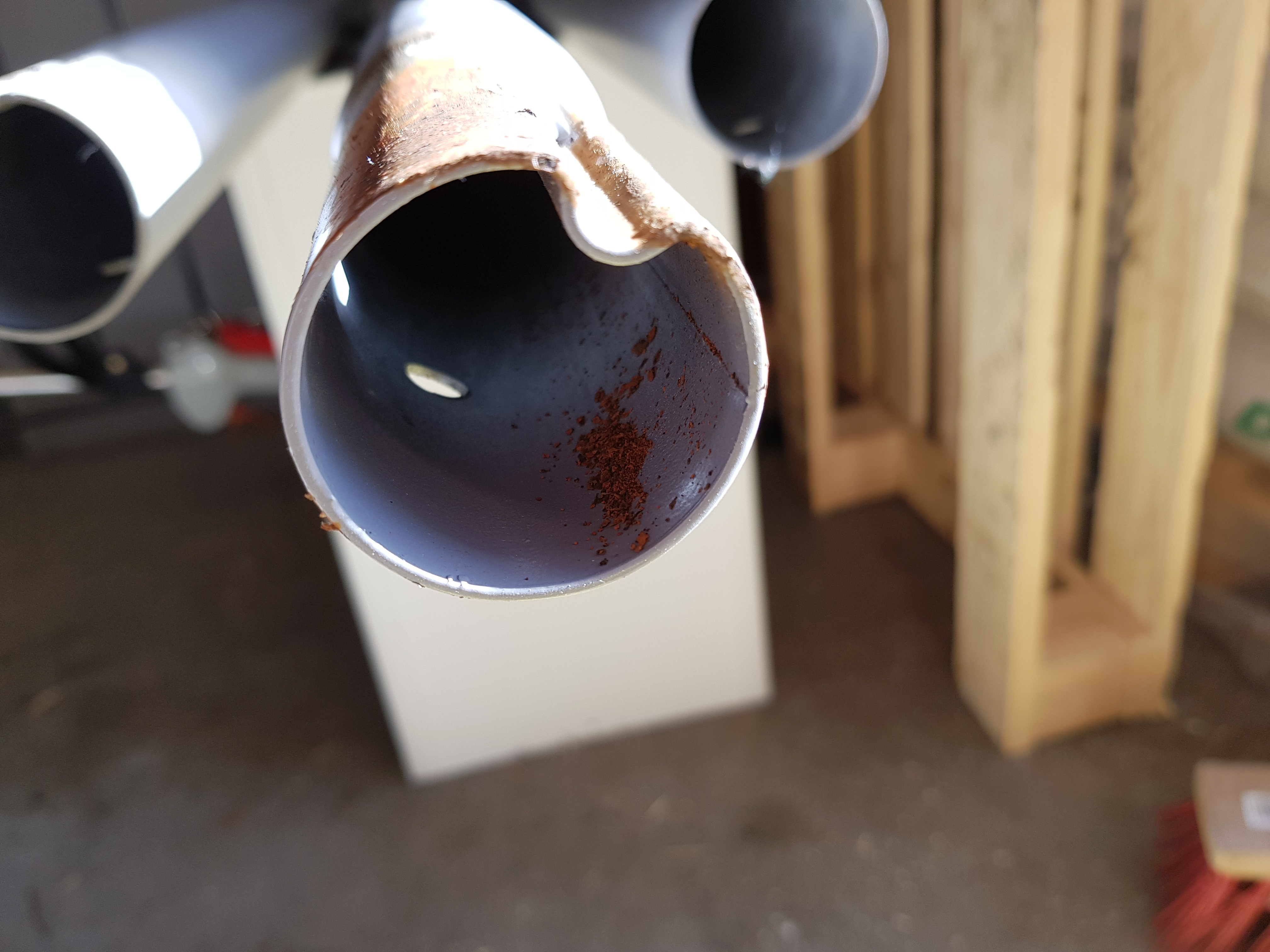
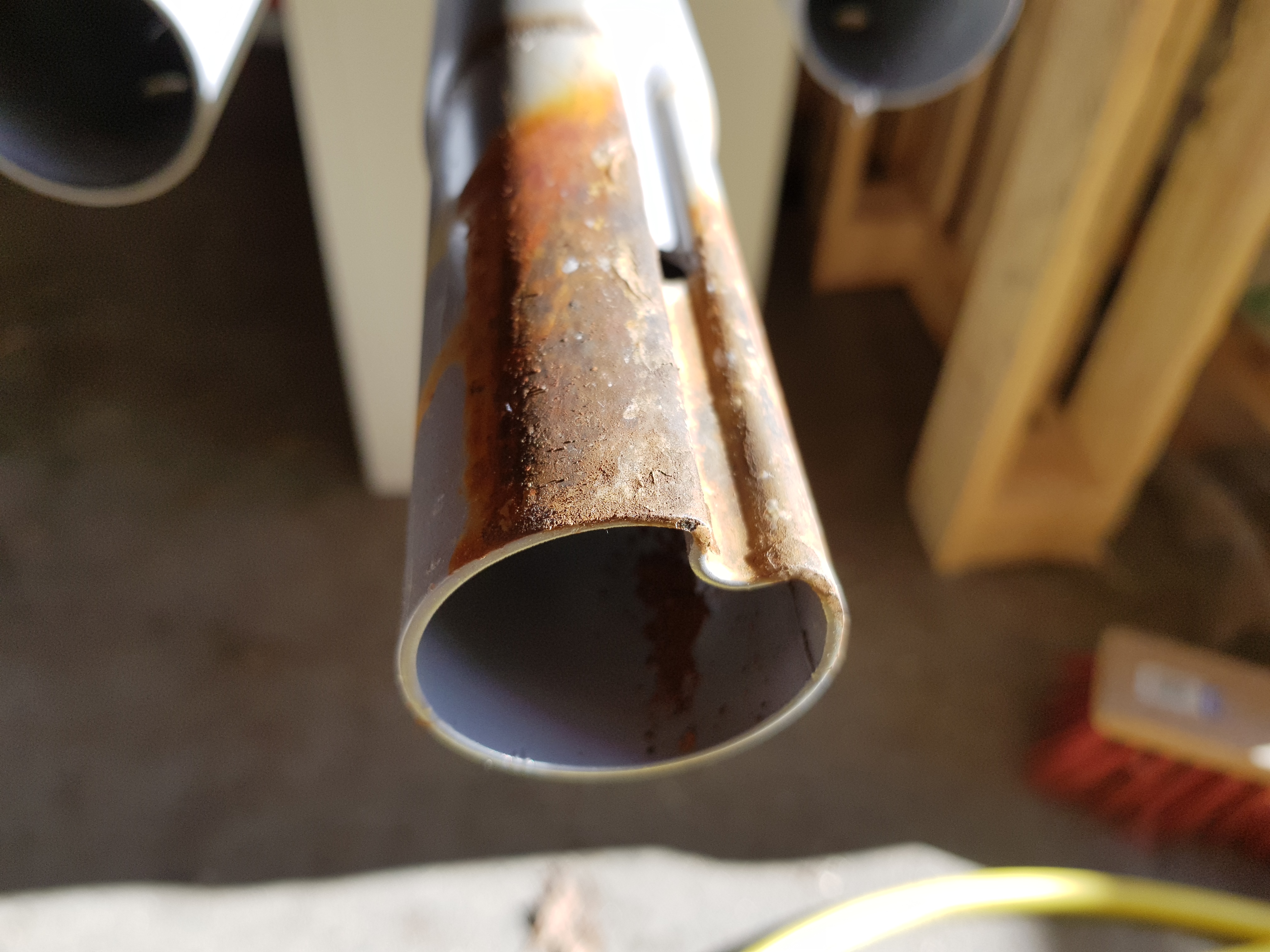
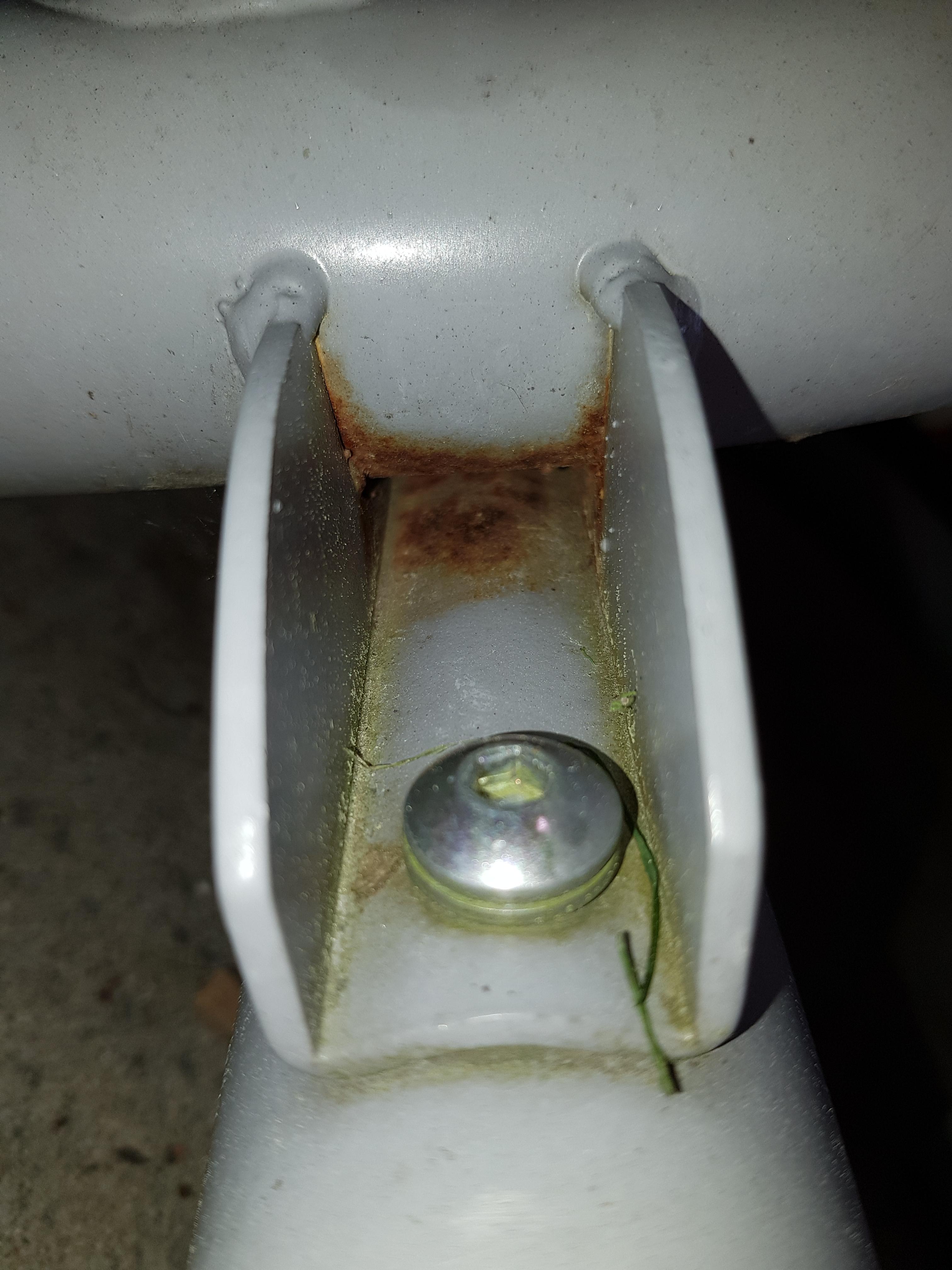
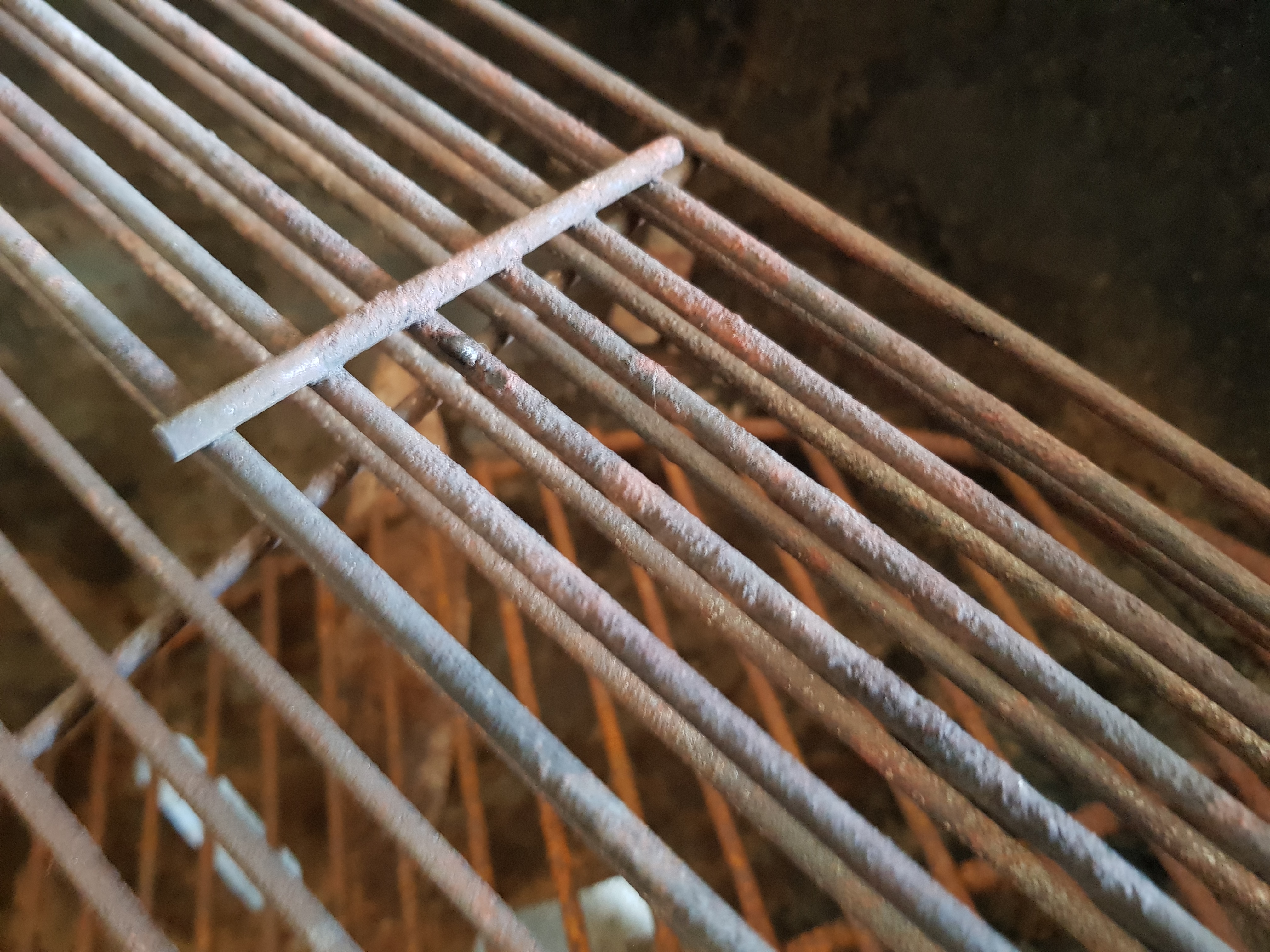
Weber grill
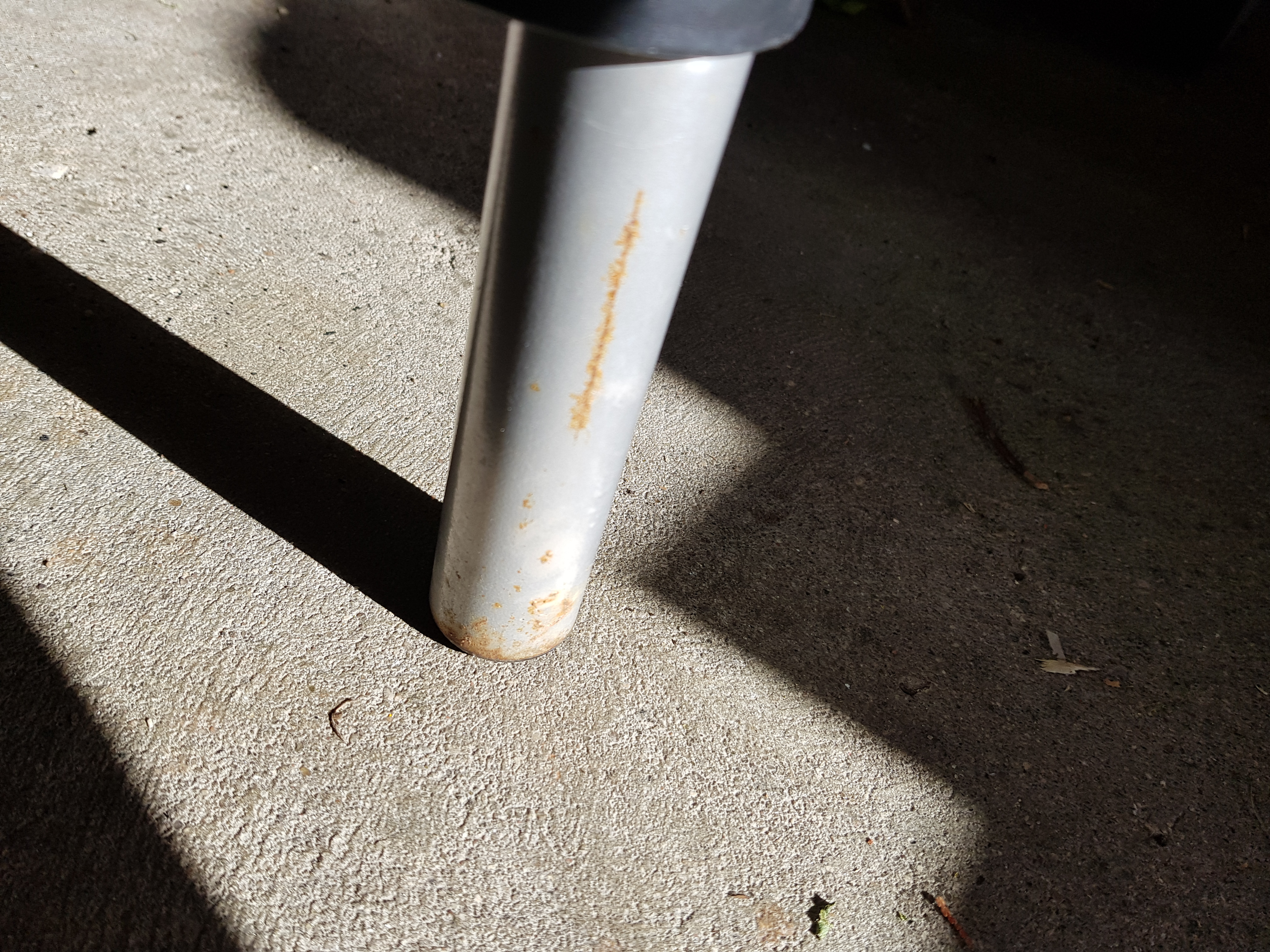
What experiences do you have when it comes to stopping or removing rust like this? Suggestions for products?
It's time to take out some garden gadgets and we've noticed some rust spots. A quick search suggests WD-40 or 5-56 to remove it while others recommend rust removers that are significantly more expensive.
For us, it's not directly necessary that it looks brand new but we'd like to stop the rust so that it doesn't lead to bigger problems. Generally, it is said that rust comes back but perhaps there are products that significantly slow down its progress?
Here are some pictures of what I classify as surface rust:
First a stand for a hammock
Weber grill
What experiences do you have when it comes to stopping or removing rust like this? Suggestions for products?

wd-40, 5-56, etc may possibly work to loosen rusted things, but they are definitely not a permanent rust protection. The pipe stand can be polished and painted to extend its lifespan. Inside the pipes, perhaps the same type of rustproofing agent used inside car sills and other cavities might work?
As for the grill grate, there isn't much to do except brush off the worst with a steel brush. Any potential rust protection burns off when you use it...
As for the grill grate, there isn't much to do except brush off the worst with a steel brush. Any potential rust protection burns off when you use it...

Know-It-All
· Västra Götaland
· 12 305 posts
Various oils and grease do a good job as rust protection as long as they remain.
WD40 leaves a thin oil film and is adequate if it's on surfaces that are never exposed to anything and aren't very critical.
Rust protection in spray form also works well but isn't very attractive.
If it should look good, oil/galvanize/chrome/paint, etc., is what matters.
WD40 leaves a thin oil film and is adequate if it's on surfaces that are never exposed to anything and aren't very critical.
Rust protection in spray form also works well but isn't very attractive.
If it should look good, oil/galvanize/chrome/paint, etc., is what matters.
My experience is, however, that even if you sand and paint, the rust returns within 1-2 years? So then the question is if there might be something that at least stops the rust attack or even eats it up. While providing protection for an okay period. As mentioned, it doesn't have to look nice.useless said:
Rust prevention, I think, is primarily intended to keep out dirt and the like so that rust doesn't form; it doesn't stop or eat up already existing rust?
[QUOTE="useless, post: 3304563, member: 37450"
There's not much you can do about the grill grate except brush away the worst with a steel brush. Any rust prevention will burn off when you use it...[/QUOTE]
Yes, here you don't want any chemicals. Maybe classic cleaning of the grate works well? I.e., when the grill is on and the grate is heated, you clean it with a steel brush. Otherwise, I've read somewhere that people put them in a bath?
Weather and wind shouldn't affect the inside of the pipes too much, but obviously, water is getting in which causes problems. Of course, you can pour in grease that keeps the moisture away, but my understanding is that once rust has started, it will continue regardless of whether there's moisture or not?
How does rust protection work if rust already exists?
Sure, you can sand and repaint, but my experience tells me the rust is back within 1-2 years. So what I'm looking for is a more durable and hopefully simple way to stop it. As mentioned, it doesn't have to be beautiful, but it needs to be able to slow down or stop the rust.
The alternative, of course, is to just leave it be; it will still take many years before the items become unusable. However, I find it hard to let things be destroyed in that manner if there's something simple that can certainly slow it down.
The pipes appear to be coated with a thin powder coating. If you sand off the worst, prime with rust protection paint, and apply a layer of protective paint, it will last significantly longer.
https://www.biltema.se/bilvard/bilu...baserat-rostskyddsmedel-for-halrum-2000017150
One reason could be that condensation forms inside the pipe, keeping the interior damp. The best protection might be some form of cavity wax that is applied with a syringe with a tube that is inserted into the pipe.S snowjim said:
https://www.biltema.se/bilvard/bilu...baserat-rostskyddsmedel-for-halrum-2000017150
Know-It-All
· Västra Götaland
· 12 305 posts
As long as new oxygen in the form of moisture/air/water doesn't reach it, it won't rust, so it's enough for it to be dry when you spray in cavity wax.
So rust protection on a rusty surface stops the rust attack.
So rust protection on a rusty surface stops the rust attack.
Aha! I didn't know that, it makes it easier. It's difficult to brush/sand away rust inside a pipe like this.
Ideally, one would want a hard protective surface that withstands disassembly and reassembly. The problem is finding such a surface without adding so much that the frame cannot be assembled.
One idea was to brush off the worst and apply a viscous substance that nurtures the surface and stops rust. The problem with a substance is that it attracts more dirt.
Maybe you'll need a hard surface that you touch up slightly during disassembly and reassembly.
Hmm now that I think about it, how sure are you about this?
I had an old SAAB that rusted in the doors. I sanded away the rust I could see with the eye, applied rust protection and then a couple of layers of paint. 2 years later the rust was back. This was the case for both doors.
Member
· Västernorrland
· 12 030 posts
Car bodywork is not comparable, as it often corrodes from the inside out from seams and other spots, so what you paint on the surface can be irrelevant. You do what you can; everything you do extends the life of most things. What dies prematurely is often something you haven't done anything with, and what's in the pictures has rusted because it hasn't been maintained. I'm not much better at that myself. The grill wasn't even brought in or washed last year, so it's a bit grimy now... Moreover, powder-coated parts are hopeless; a little edge rust is enough, and it spreads under the coating, leading to a lot eventually, and they are discarded rather than cared for.
Know-It-All
· Västra Götaland
· 12 305 posts
Very sure, although it's quite a rough simplification. The problem with a lot of specific paint is that it easily comes in from other places or that it's cracked. It's common to spread in from stone chips, for example. I would probably have settled for washing with WD40 and then maybe greased it a bit.S snowjim said:
Linseed oil is used on the undersides of cars and is environmentally friendly. It has good creeping ability and provides a hard and dirt-repellent surface. Sounds like the perfect choice here.
So brush off the worst and then apply linseed oil on exposed areas.
I'm afraid that 5-56 and WD40 may not actually withstand wind and weather very well.
So brush off the worst and then apply linseed oil on exposed areas.
I'm afraid that 5-56 and WD40 may not actually withstand wind and weather very well.
Know-It-All
· Västra Götaland
· 12 305 posts
5-56 and WD40 are primarily cleaning agents