

Hello!
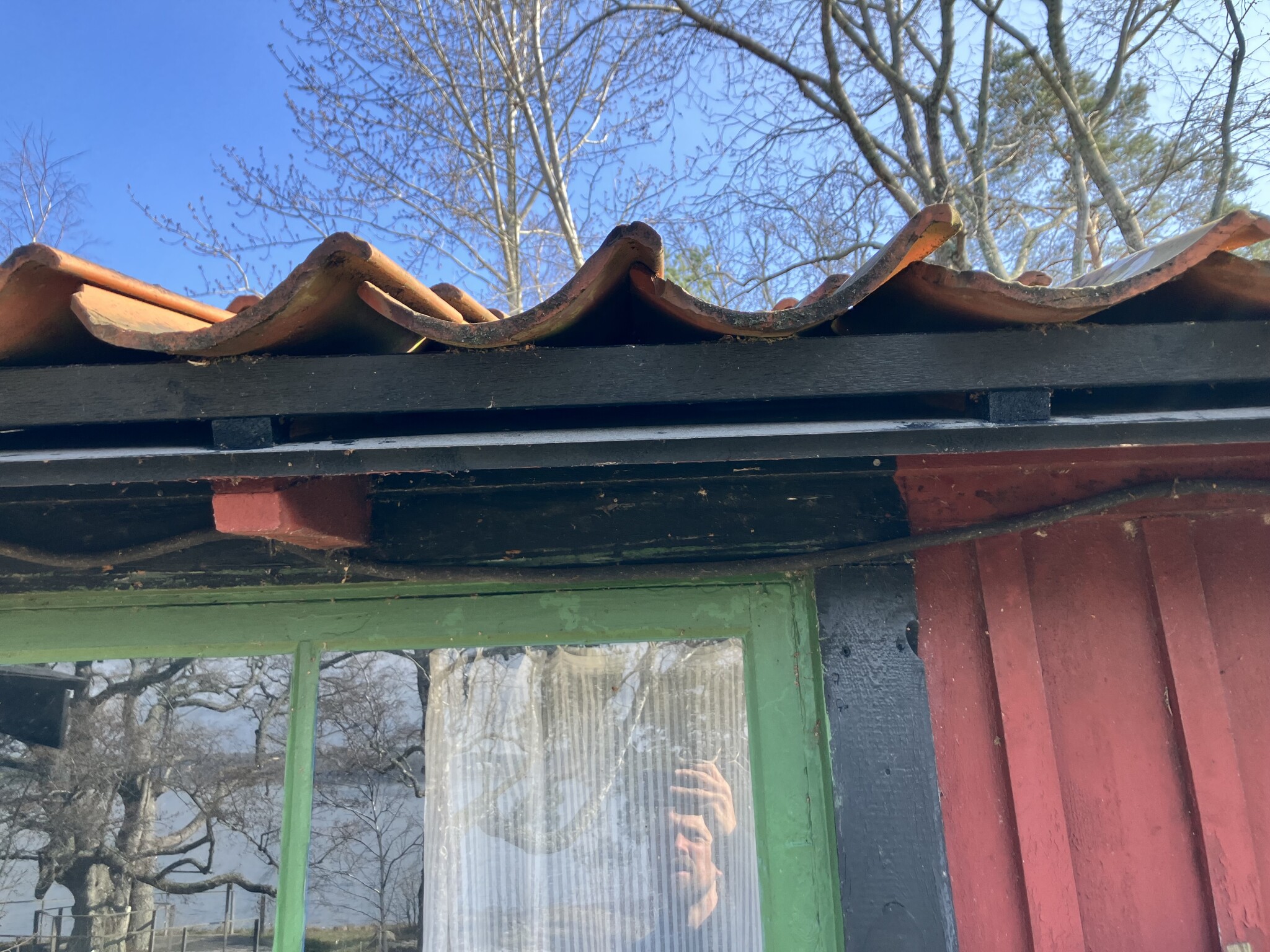
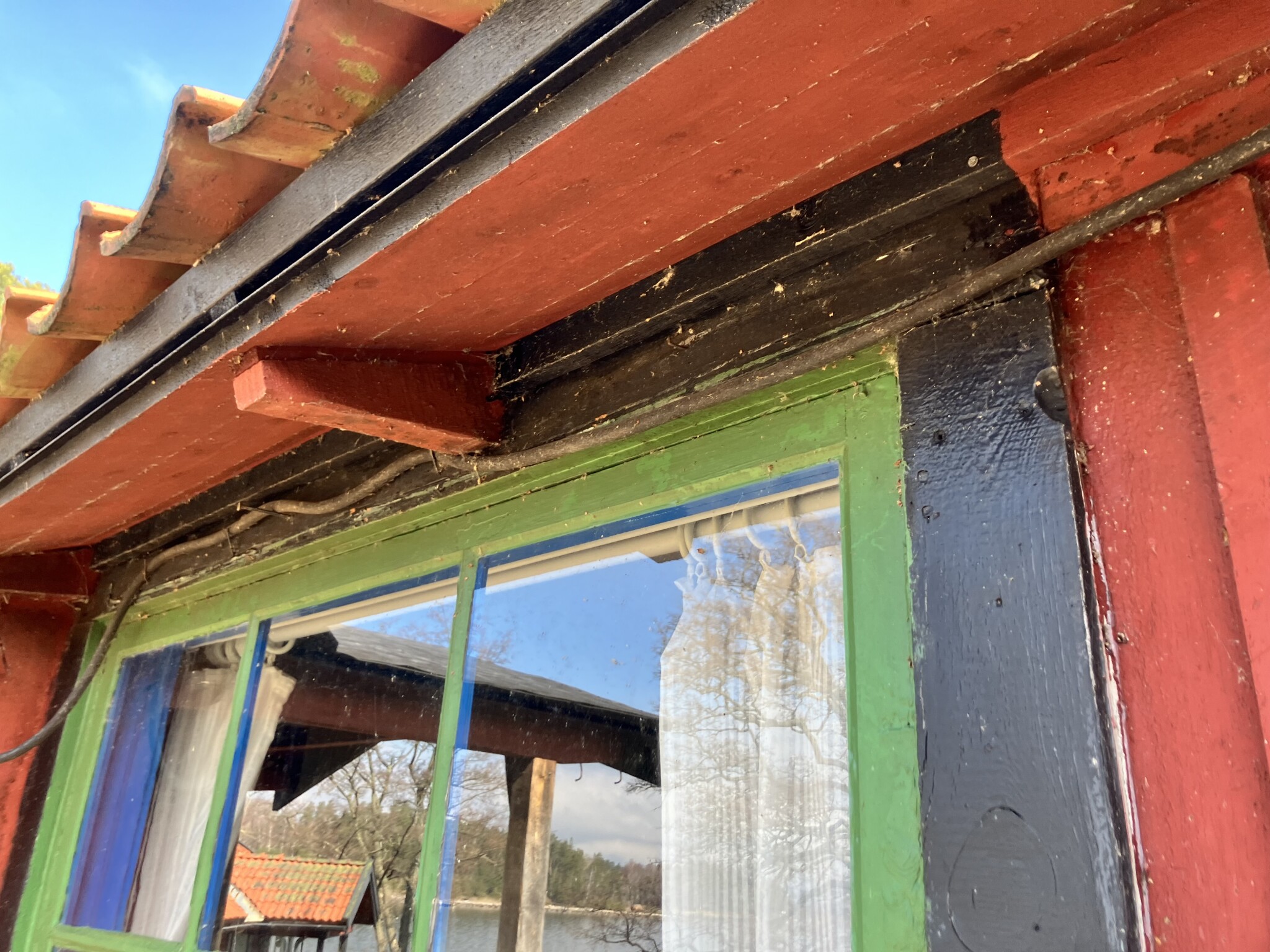
I need to install gutters on a building where the roof was replaced 10 years ago but never got any. Now the façade has taken some damage and before we fix that I thought of getting the gutters up. But how would you install the gutters when it looks like this? I don't want to screw through the paper, I think...
Grateful for some guidance here
//Johan
I need to install gutters on a building where the roof was replaced 10 years ago but never got any. Now the façade has taken some damage and before we fix that I thought of getting the gutters up. But how would you install the gutters when it looks like this? I don't want to screw through the paper, I think...
Grateful for some guidance here
//Johan

Hi Johan,
One option is to remove the existing fascia board and replace it with a 2*4" beam to substitute the current board, which is likely too weak for the upcoming purpose. Furthermore, install gutter brackets in a notched section (approximately 5 mm in depth and the same width as the bracket to avoid building up height) that allows for a slope in the appropriate direction. To ensure the correct slope, a string is stretched between the outermost brackets to achieve a straight line. It is most likely, given that it is an old house, that the fascia board is not straight, hence the appropriateness of using a string. Subsequently, you will individually bend the remaining brackets to the correct height for optimal drainage results. After that, you can protect the board with a flashing, though this might give a more modern look, which might not be aesthetically pleasing or in keeping with the rest of the house.
Moreover, the overhang from the tiles may be too much for the gutter to catch the water, but there is a solution in increasing the beam size to 125-150 mm. However, bear in mind to anchor that beam with screws that go into rafters to prevent it from bending under future snow loads.
Best regards,
Noramasen
One option is to remove the existing fascia board and replace it with a 2*4" beam to substitute the current board, which is likely too weak for the upcoming purpose. Furthermore, install gutter brackets in a notched section (approximately 5 mm in depth and the same width as the bracket to avoid building up height) that allows for a slope in the appropriate direction. To ensure the correct slope, a string is stretched between the outermost brackets to achieve a straight line. It is most likely, given that it is an old house, that the fascia board is not straight, hence the appropriateness of using a string. Subsequently, you will individually bend the remaining brackets to the correct height for optimal drainage results. After that, you can protect the board with a flashing, though this might give a more modern look, which might not be aesthetically pleasing or in keeping with the rest of the house.
Moreover, the overhang from the tiles may be too much for the gutter to catch the water, but there is a solution in increasing the beam size to 125-150 mm. However, bear in mind to anchor that beam with screws that go into rafters to prevent it from bending under future snow loads.
Best regards,
Noramasen
Thank you for the detailed responseNoramasen said:
Hi Johan.
One option is to remove the existing fascia board and replace it with a 2*4" timber as a replacement for the current board, which is probably too weak for the upcoming purpose. Furthermore, install gutter brackets in a recessed part (about 5 mm in depth and width equal to the bracket to avoid building up height) that slopes appropriately. To ensure the right slope, a string is drawn between the outermost brackets to get a straight line. It's most likely that with an old house, it won't be straight at the eaves, hence the usefulness of the string. After that, you individually bend the remaining brackets at the right height to get a good drainage result. Then you can protect the board with a flashing, but it may look a bit modern and perhaps not aesthetically pleasing or fitting with the rest of the house.
Additionally, the overhang from the tiles may be too great for the gutter to catch the water, but the solution is to increase the timber size to 125-150 mm. Just remember to anchor the timber with screws that go into the rafters so that it doesn't sag under future snow loads.
Best regards, Noramasen
Click here to reply