I need guidance in the jungle of foam sealant.
Firstly, I need to seal between a trim and outer panel where gaps occur because the panel is rounded.
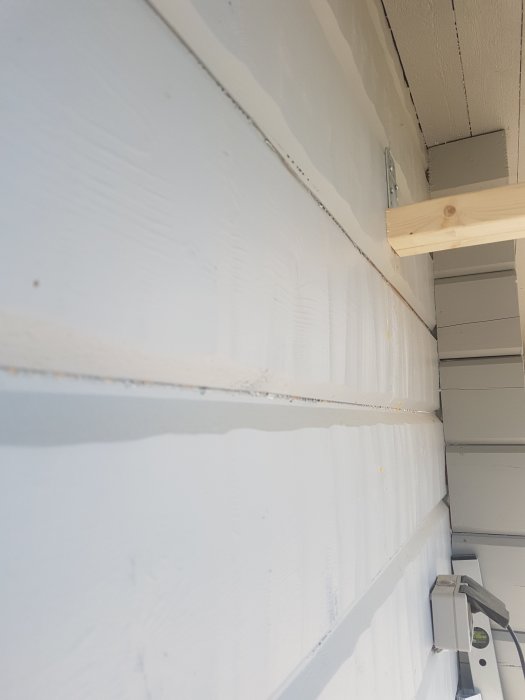
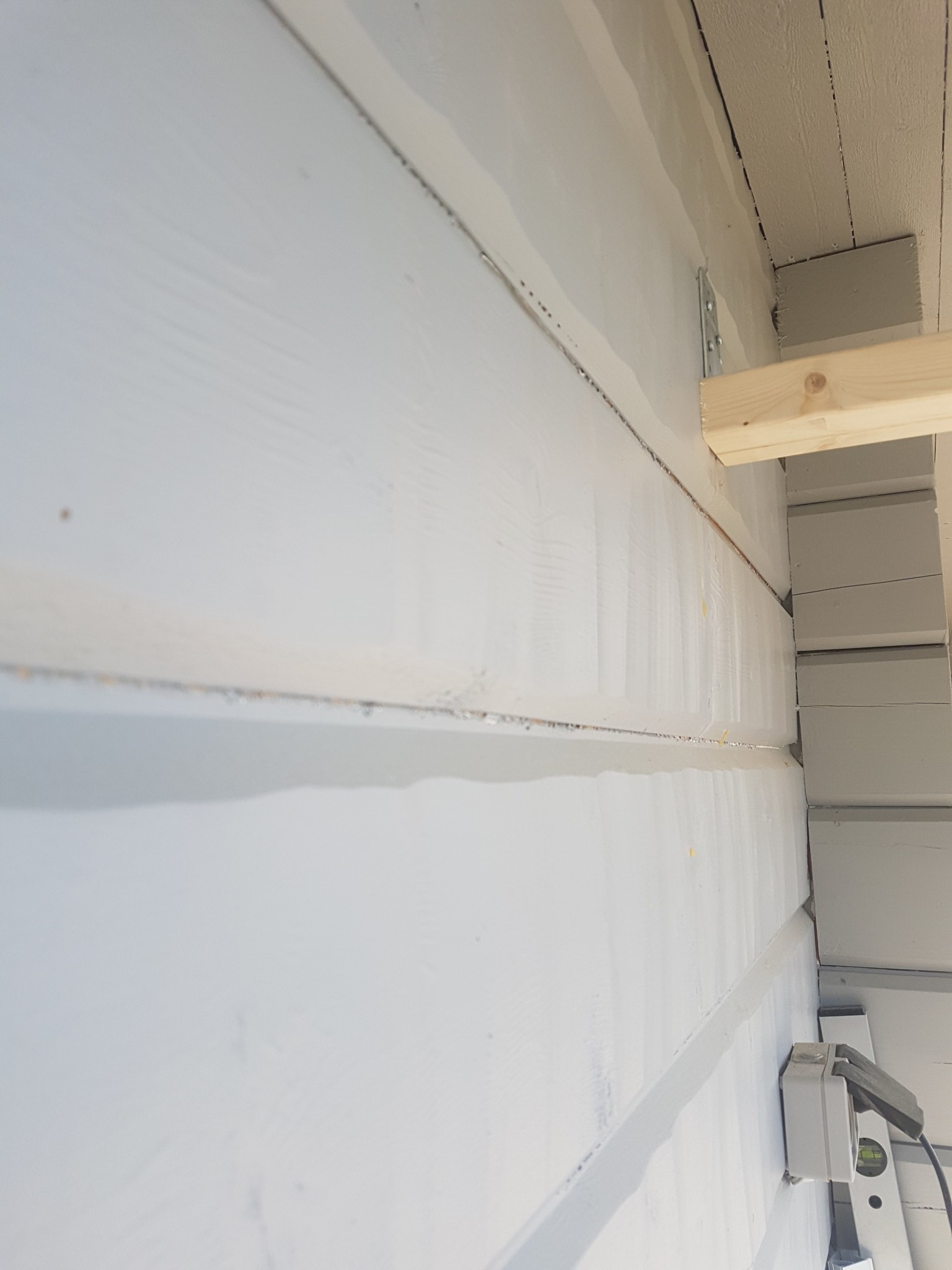
Picture of the panel:
What is suitable to use for that?
Then, for a completely different project, I need foam sealant to fill a cavity under a floorboard where the only way is to drill a hole in the board and fill it. Can I use the same foam or are there foams for different purposes?
Not sure if I understand the picture, but it looks more like you need some form of filler that is more malleable than sealing foam. Sealing foam is impossible to shape. It expands long after you've applied it.
The cavity under the floorboard can be tricky. If you fill in too much, the entire board can rise, and you'll get a bulge in the middle.
I don't know if I understand the picture, but it looks more like you need some form of putty, or "filler" that is more moldable than foam sealant. Foam sealant is impossible to shape; it expands long after you've applied it.
The cavity under the floorboard can be tricky. If you fill in too much, the whole board can lift, and you'll get a bump in the middle.
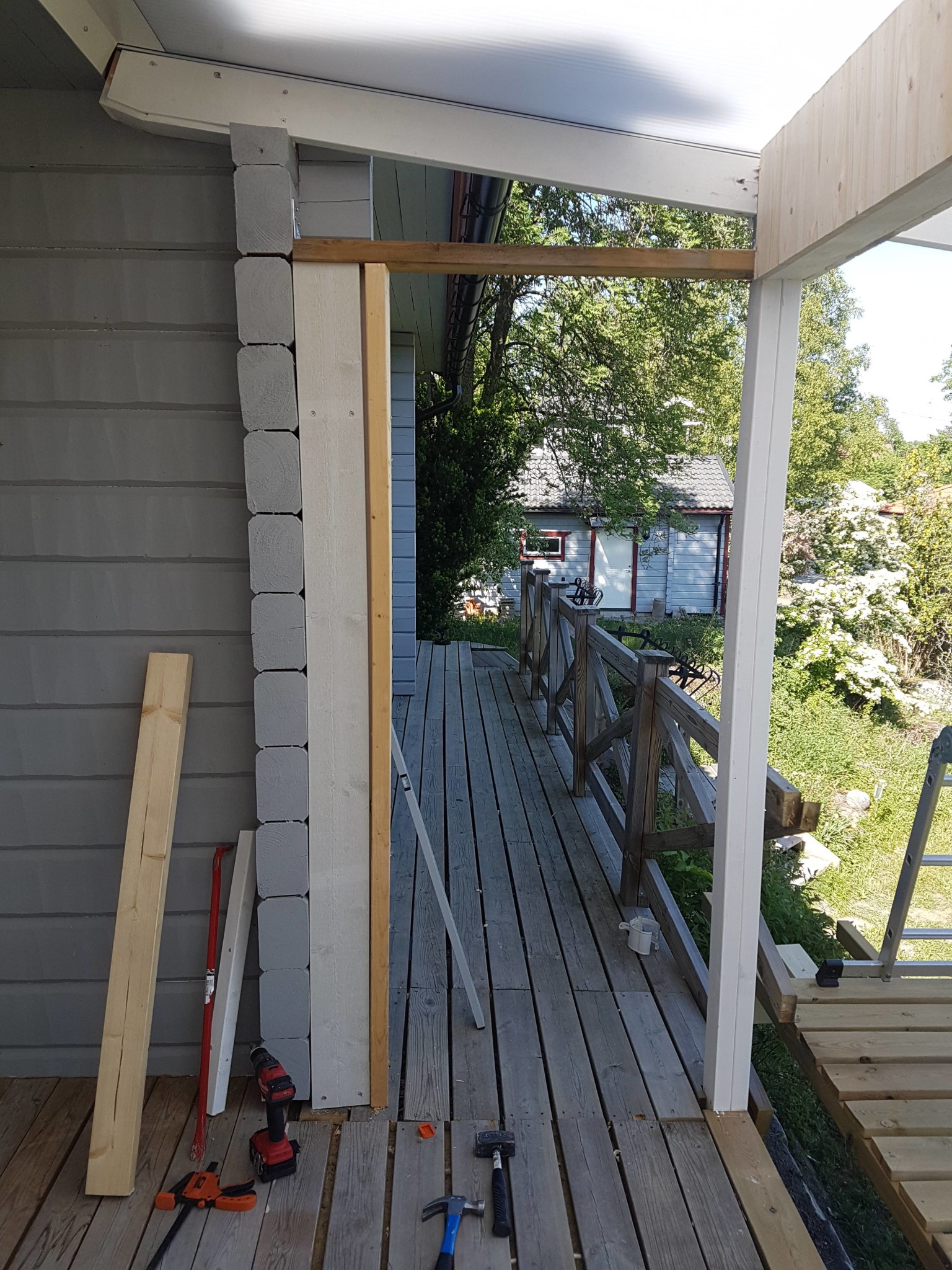
What's missing is a detail in the picture, maybe that's why it's a bit hard to interpret. The panel is mounted horizontally and vertically, and on it, I want to attach a trim and then seal the gap that forms.
You need something flexible, wood moves. My best recommendation is some type of MS polymer, like Tec7, Spurflex25, LAseal, etc.
But consider if it's really a good idea to fill the holes, what is the purpose? It's hard to make it look nice and even harder to keep it looking nice over time.
The purpose is to make it windproof. It looks the same on the other side of the standing stud. A patio door will go in the opening, it is a glazed conservatory.
Filler and putty become rigid and won't follow the wood's movements, so they will detach/crack over time. You need a flexible sealant (like MS polymer). Stuffing as @Daniel Östberg suggests is not a bad alternative, but I think it might be difficult to finish neatly when it's a hole and not a gap.
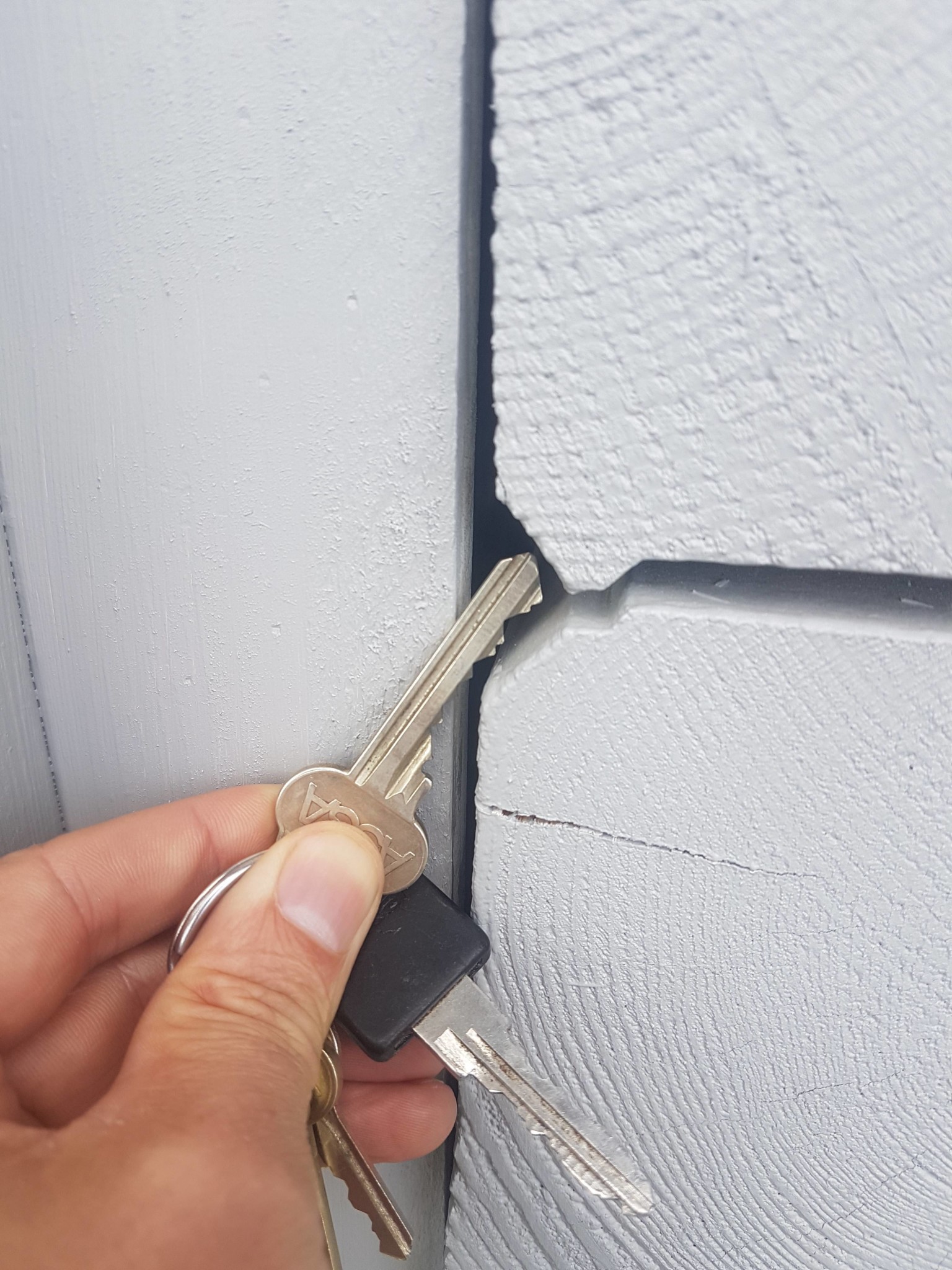
Thank you for all the good advice. I have such a tube from Biltema at home that I'm testing with in one spot. Since there are quite large holes and gaps, I'll probably need to build up layer by layer.
Thanks for all the good advice. I have a tube from Biltema at home that I'm testing with in one spot. Since there are quite large holes and gaps, I'll probably have to build it up layer by layer.
See picture, key for size reference
I still think the stone adhesive is best, you can preferably fill the bottom with foam, which dries quickly, and then apply the sealant on it.
Vi vill skicka notiser för ämnen du bevakar och händelser som berör dig.






maah said: