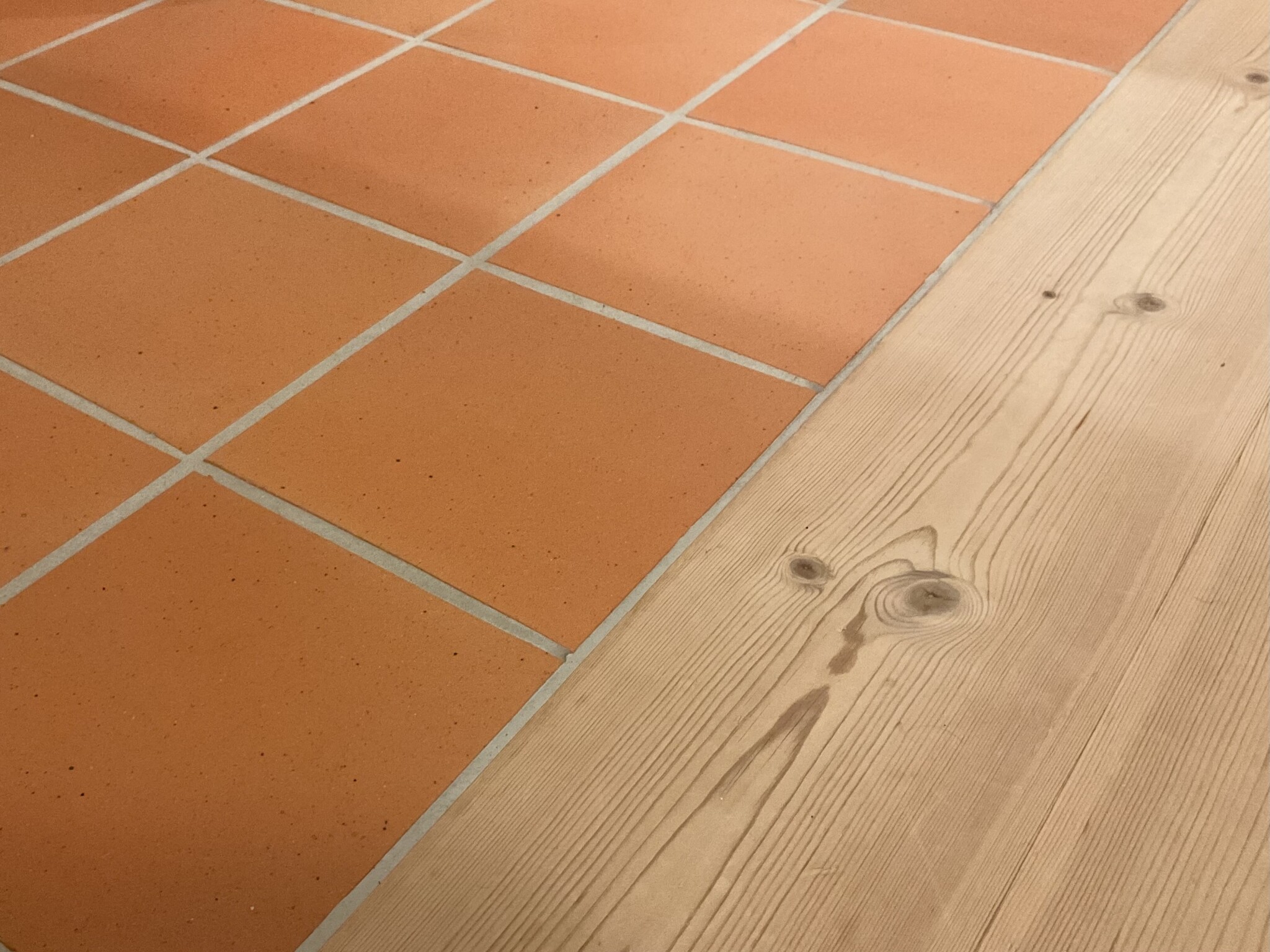
I am renovating and will be placing tiles around the fireplace. This will meet a pine floor. Do you need to put flexible sealant between the tiles and the floor, or is it okay for the tiles to just meet the floor?
I'm renovating and will be laying tiles around the fireplace. This will meet a wood floor. Do I need to put flexible caulking between the tiles and the floor, or does it work fine just letting the tiles meet the floor?
You restrict the movement allowance in the wood floor if you lay it flush...
Soft joint works well. It is appropriate to have a darker color considering soot and debris from the fireplace.
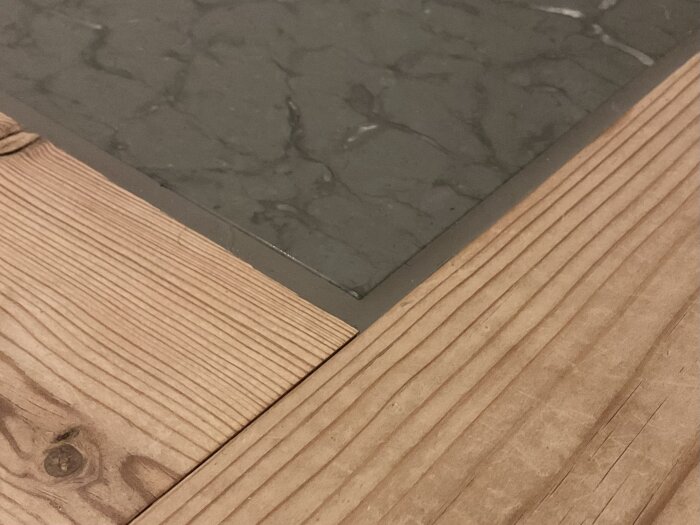
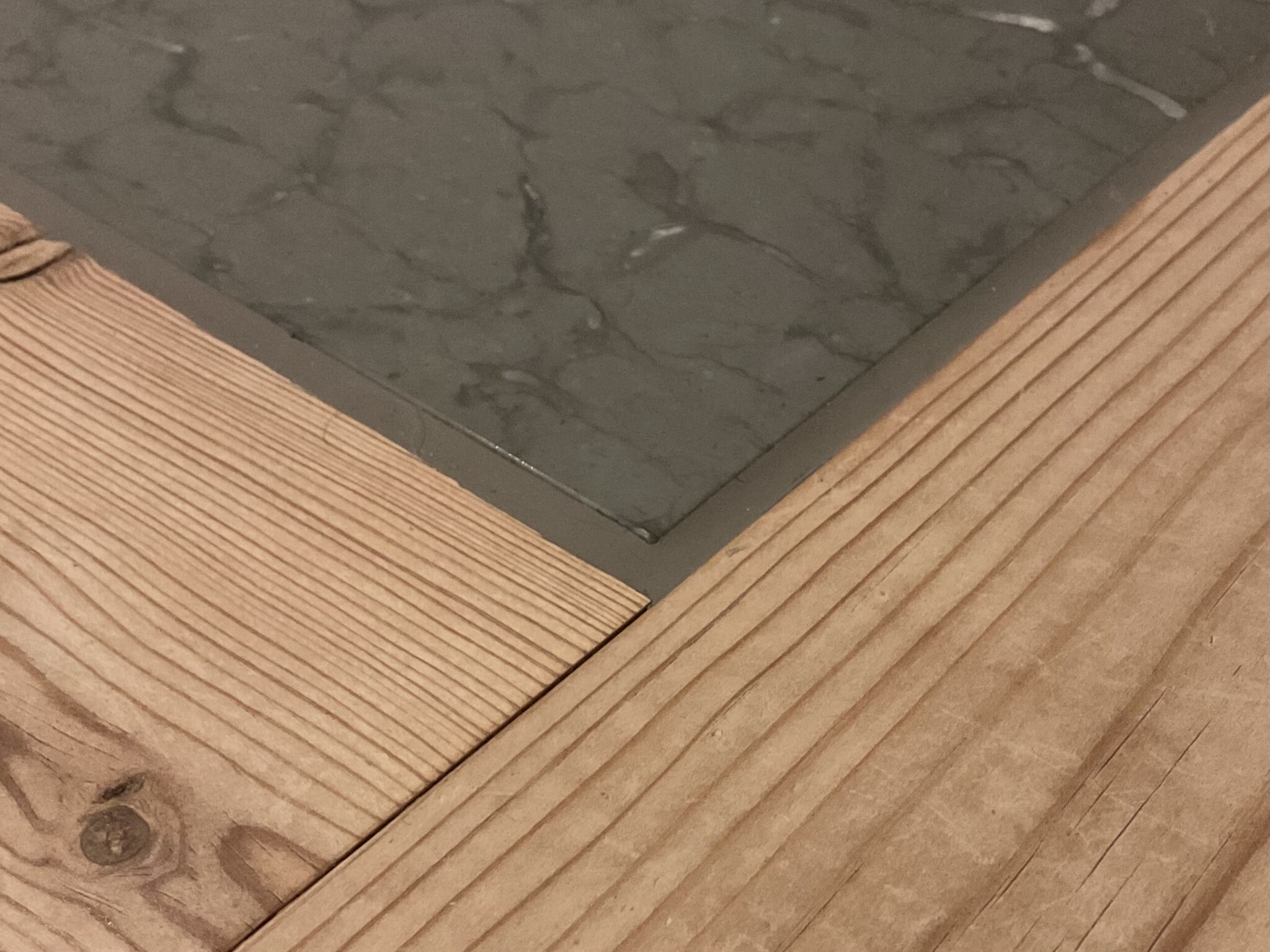
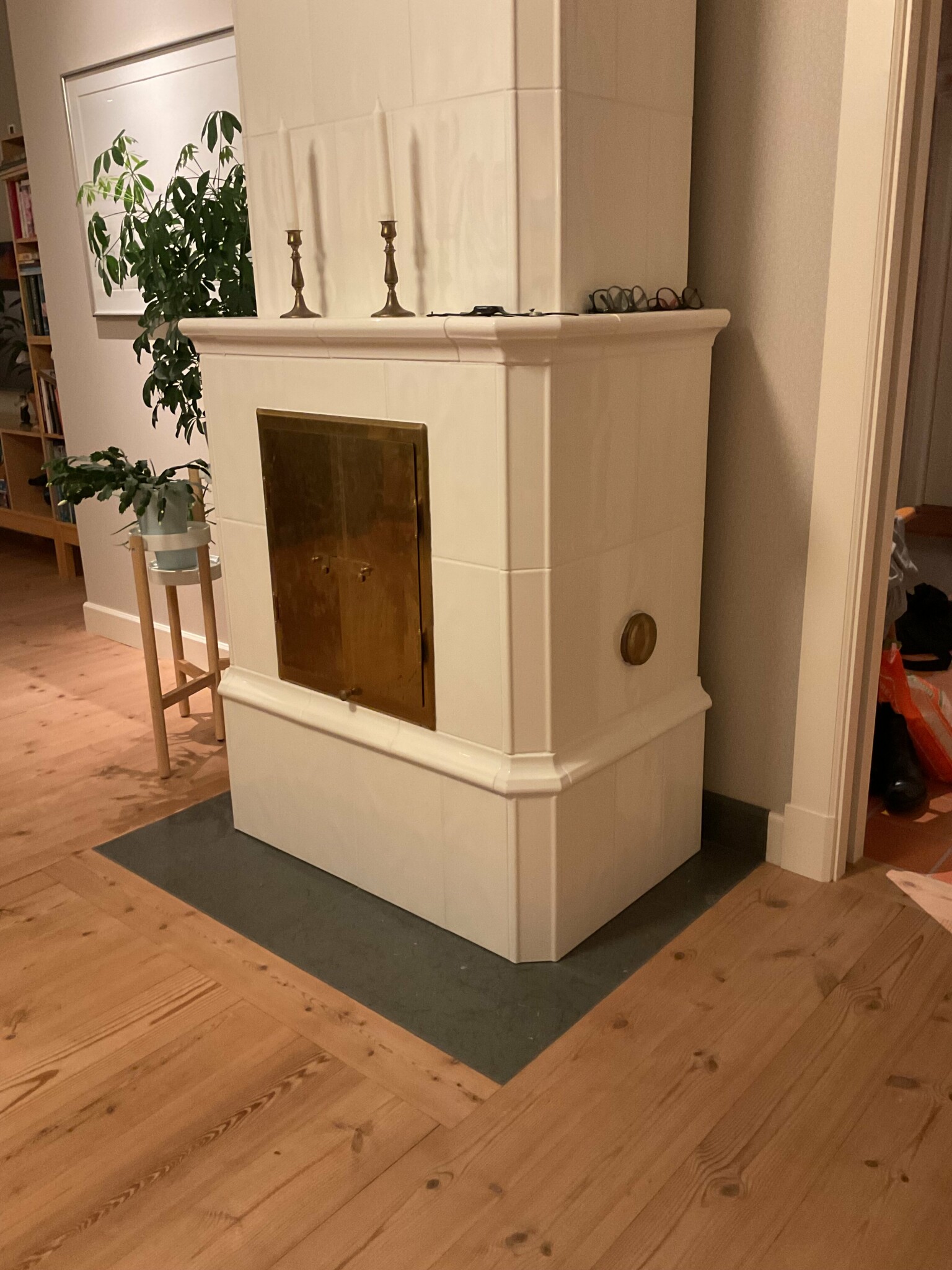
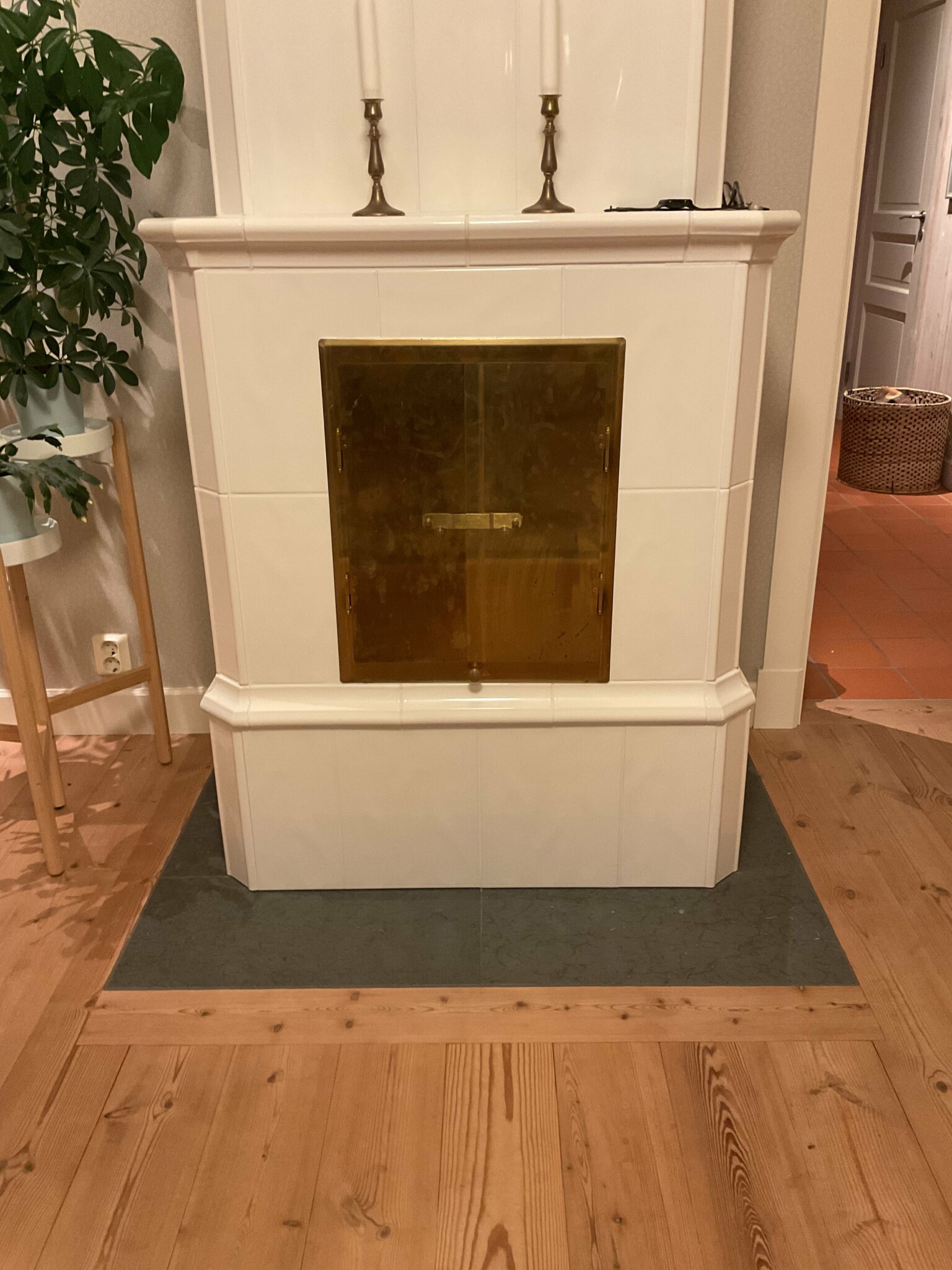
This is how it looks at our place with a 5 mm joint between Jämtland Gray limestone and pine floor. The joint is of a kind that does not leak into the limestone and wood, and it sits slightly below the surface just like a regular tile joint. I anticipate that it will need to be replaced after 10-15 years when the soap scrubbing causes it to detach from the wood.
Soft sealant works fine. It's advisable to have a darker color considering the soot and debris from the fireplace.
This is how it looks at our place with a 5 mm joint between Jämtland Gray limestone and pine floor. The sealant is of a type that doesn't seep into the limestone and wood, and it sits slightly below the surface just like a regular tile joint. I expect it will need replacement after 10-15 years when the soap washing causes it to come off the wood.
Soft sealant works well. It's advisable to use a darker color considering the soot and dirt from the fireplace.
This is how it looks at our place with a 5 mm joint between Jämtland Grey limestone and pine flooring. The sealant is a type that doesn't seep into the limestone and wood, and it sits slightly below the surface just like a regular tile joint. I expect it will need to be replaced after 10-15 years when washing causes it to come loose from the wood.
[image]
Looks great! Thanks so much for the photo! I had such a hard time imagining how soft sealant could be applied without looking messy on the wooden floor. I don't want it to smear on the planks, if you know what I mean? I'm aiming for the same result as yours, in other words 😃 do you have any tips on what I can tell the tiler so that it looks like it does at your place?
Tape both sides of the joint, fill against a backing rod, and smooth with a silicone spatula with the correct profile. The last step is important for the final result. Do not use your fingers to shape the profile of the joint no matter how much you read about it on byggahus.se. Test "on the side" to determine what looks good for you. Remove the masking tape immediately after the first "shaping" of the joint. If there are small unwanted "flap edges" on the finished joint, you can gently smooth them with a dish soap-dipped finger. Allow to cure for a day and then wipe everything with a soft damp sponge.
You tape both sides of the joint, fill against a backing rod, and smooth with a silicone spatula with the correct profile. This last part is important for the final result. Do not use your fingers to shape the profile of the joint, no matter how much you read about it on byggahus.se.
Test "on the side" to determine what looks nice for you. The masking tape is removed immediately after the first "shaping" of the joint. If there are any small unwanted "uneven edges" on the finished joint, you can gently wipe them away with a finger dipped in dish soap. Let it cure for a day and then wipe everything off with a soft damp sponge.
Beautiful! Thank you so much for such a thorough response and great tips. Am I being unreasonable if I inform a professional worker about this? I think I'd rather be clear about my expectations from the start, but you don't want to step on anyone's toes.
Very nice! Thank you so much for such a detailed response and great tips. Am I unreasonable if I inform a trained professional about this? I think I’d rather be clear with my expectations from the start, but I don’t want to step on anyone's toes.
Your professional will handle it splendidly! You should probably let them do the application as they see fit. The instructions were meant for DIYers. The important thing is that you have the right expectations. That's why I mentioned that the soft sealant isn't a permanent installation. I have 20-year-old soft sealants that have started to loosen a bit now, but you don't notice unless you look closely. 😉
Click here to reply
Vi vill skicka notiser för ämnen du bevakar och händelser som berör dig.