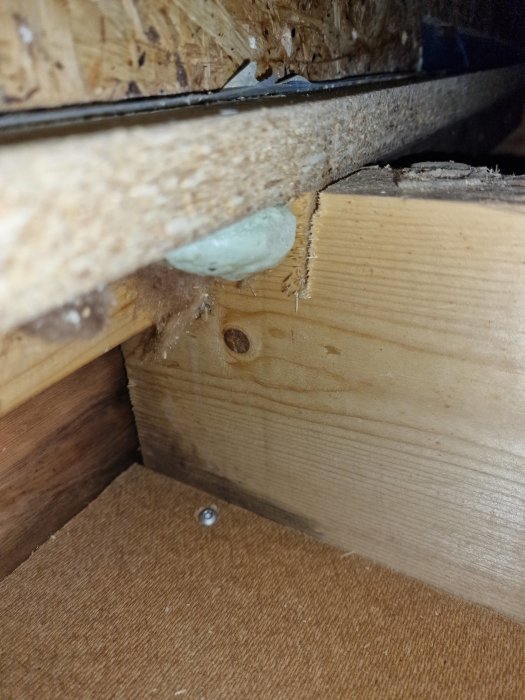
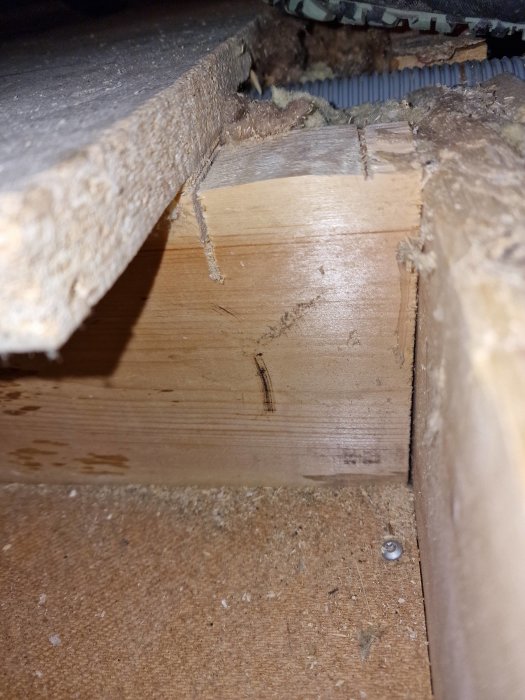
Had water damage and the floor needed to be removed to dry out. Now the builder (via insurance company) is on site and rebuilding the floor. I believe the result is unacceptable (and have informed the company of this). But what can I actually demand?
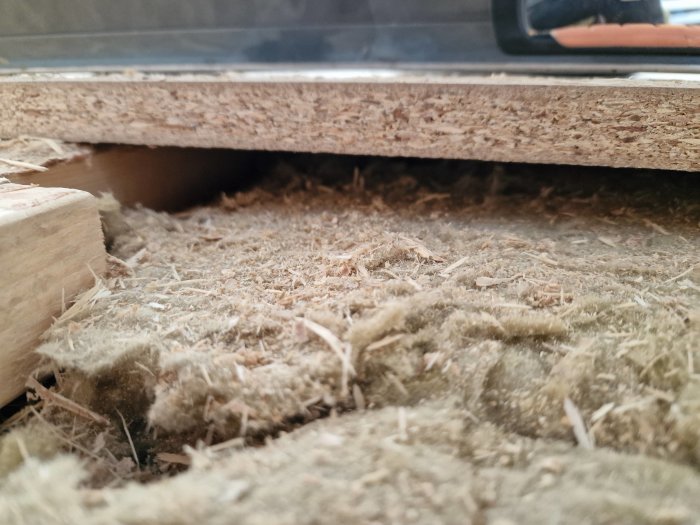
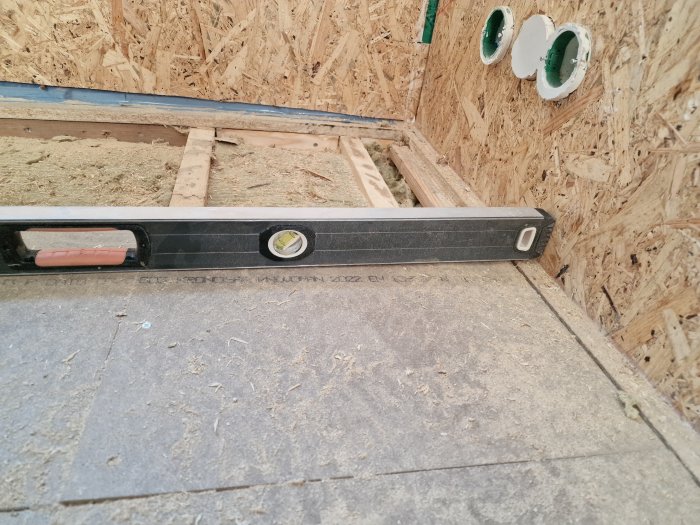
The house is a wooden house that we have renovated in recent years. In everything I have done, I have been careful to ensure that the insulation is tight, that the construction is as good as possible, etc. But now it is all carelessly done, and there is sagging in the floors and the insulation is compressed so air can flow between the floorboards and the insulation, etc.
Some examples are:
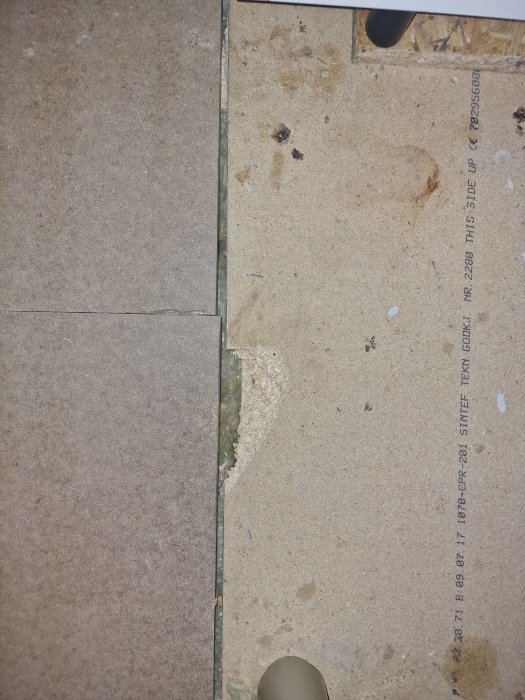
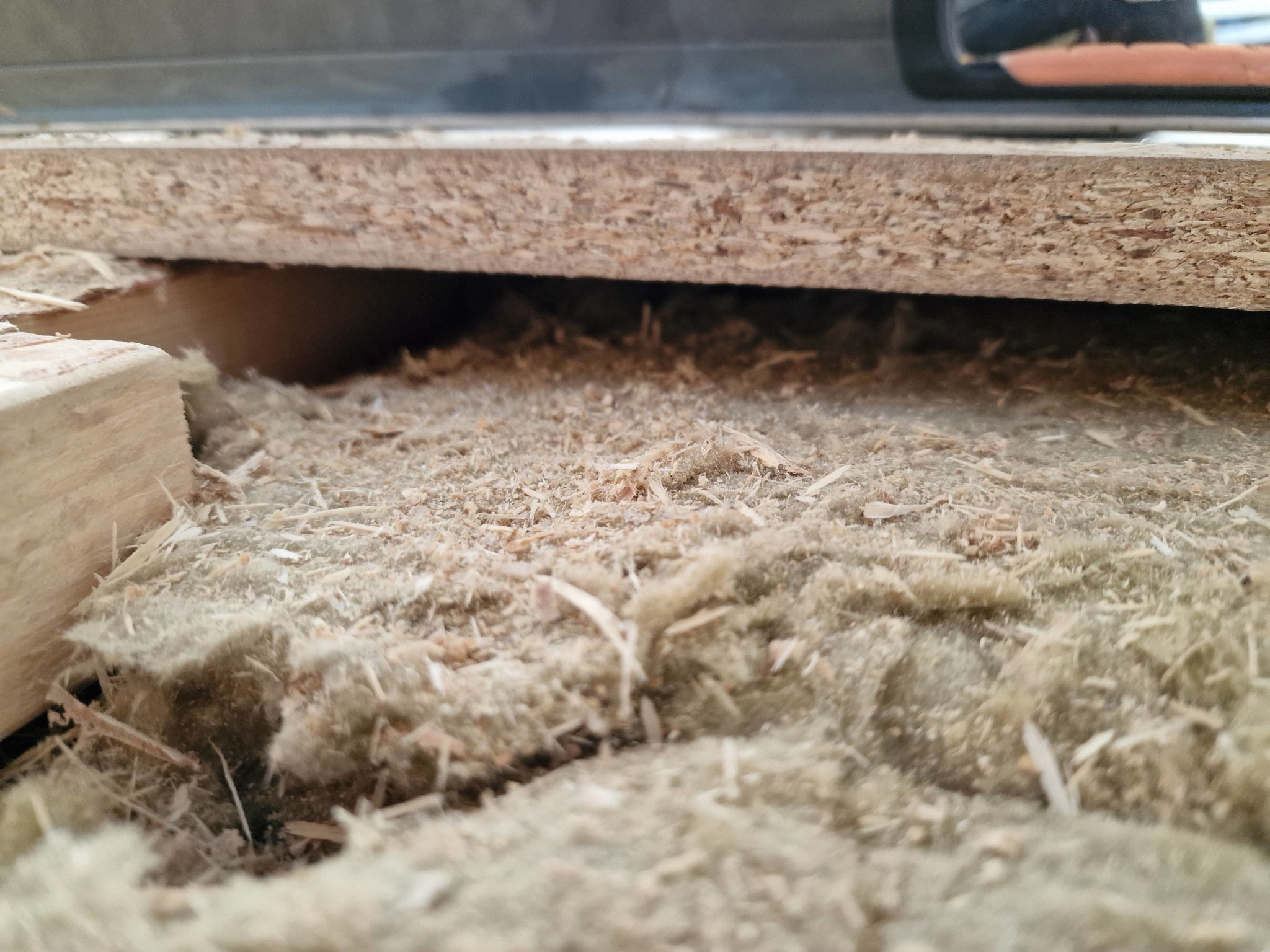
Gap between insulation and floor
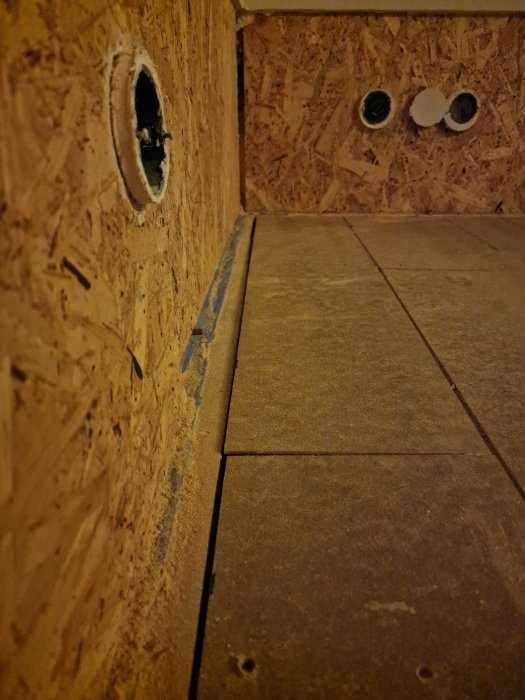
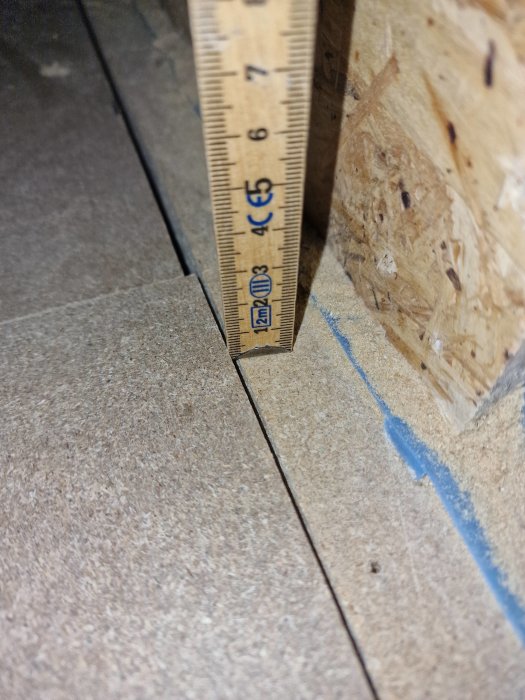
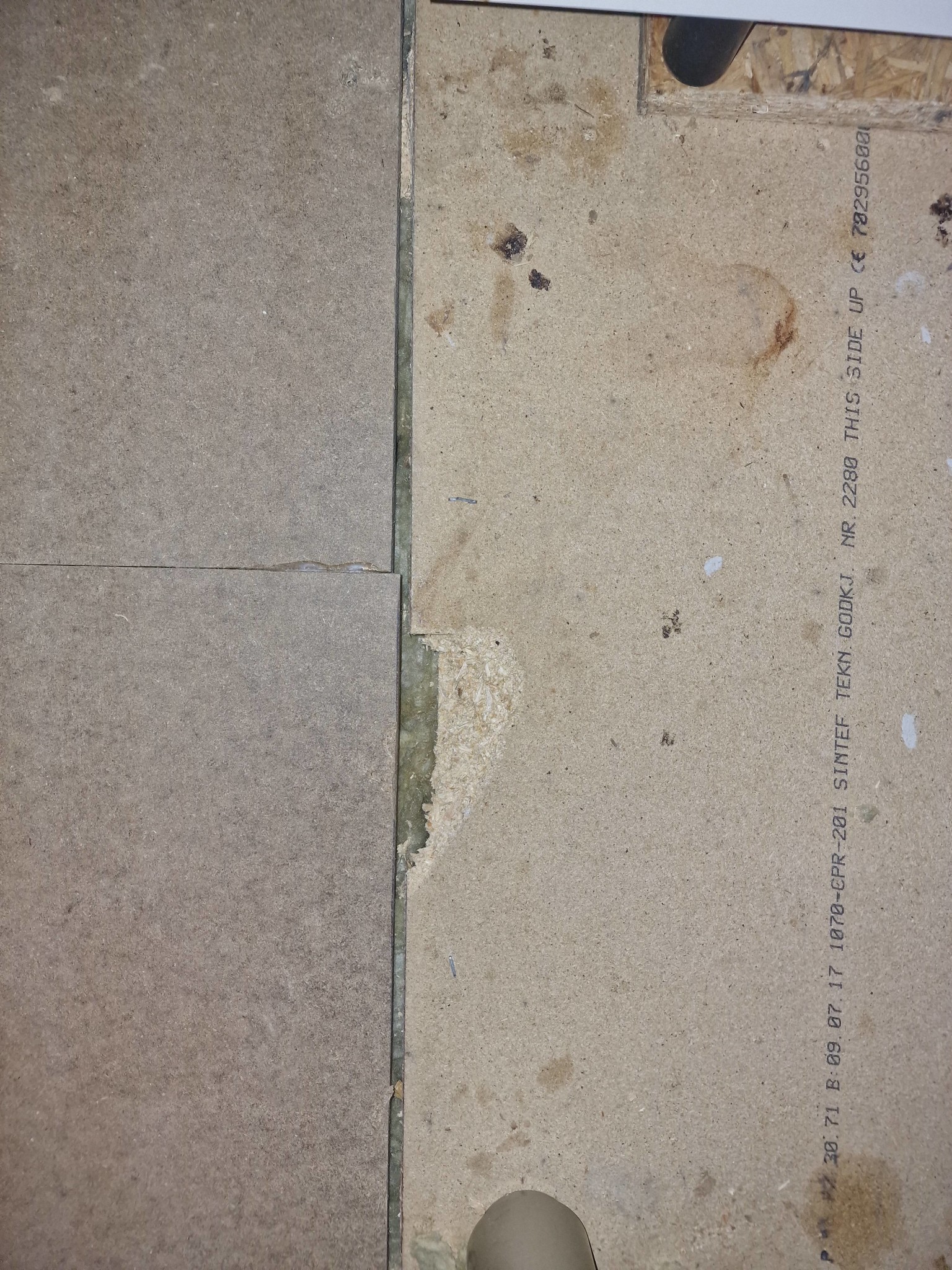
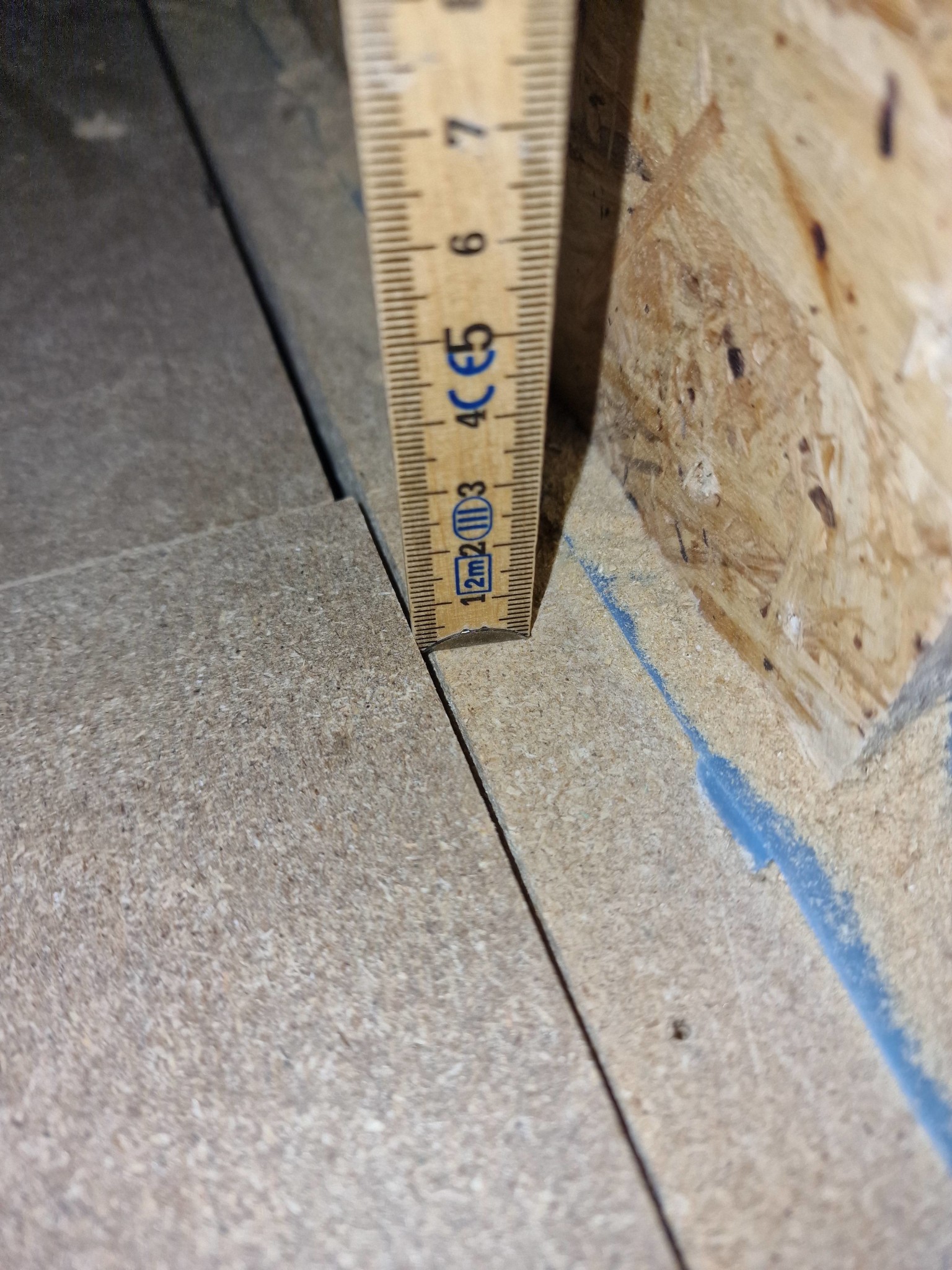
It is okay to splice the short sides of the floorboards, but not if the long sides lack support (floor joist/blocking). The floor is seriously sagging. This is in front of the dishwasher, stove, and sink, so you stand there quite a bit. Almost all joints between new and old are done in this way...
Now the builder (via the insurance company) is here and rebuilding the floor. I believe the result is unacceptable (and have informed the company of this). But what can I really demand?
that it is done professionally, looking terrible it can't be a craftsman who did it
What can be required? Are there rules for edge protrusion, for example? Can I demand studs/blocking under all joints between the new and the old, since it's not connected with glued tongue and groove?
The acceptable overhang depends on the type of floor you will have. If you have already purchased it and the craftsmen are supposed to install it, it is easy to point this out when the supervisor visits. It usually concerns one or a few mm per meter (but it depends on both the type of floor and its length).
Sagging floorboards will undoubtedly lead to the floor coming apart. Not bracing joints in floorboards is, in my opinion, very unprofessional.
What joint offset is acceptable depends on which floor you are going to have. If you have already bought it and the craftsmen are going to lay it, it is easy to point it out when the supervisor visits, it usually involves a few millimeters per meter (but it depends on both the type of floor and the length of it).
Wobbly floorboards will undoubtedly lead to the floor coming apart. Not bracing joints in floorboards is, in my opinion, very unprofessional.
It is kärsh parquet flooring. But there are floor heating panels between the parquet and the flooring boards.
Then there's the issue of the insulation underneath and leaving gaps. He pulled up two floorboards, just where I could see that there was too little insulation through the gaps. I don't know how it is in other places! Feels lousy.
It's a kärsh parquet floor. But there are underfloor heating boards between the parquet and the subfloor.
Then there's this thing about the insulation underneath and leaving gaps. He removed two floorboards, where I could see there was too little insulation through the gaps. I don't know how it is in other places! Feels lousy.
Try to get them to redo everything, preferably with a different carpenter, as I guess the trust in the one who did this is low, to say the least.
Doesn't look like it's done by someone who knows or can.
If you're doing everything yourself, why not just do it and settle it with the company after everything is finished? Receipts and pictures are usually enough for a good insurance company.




zarkov said:
What joint offset is acceptable depends on which floor you are going to have. If you have already bought it and the craftsmen are going to lay it, it is easy to point it out when the supervisor visits, it usually involves a few millimeters per meter (but it depends on both the type of floor and the length of it).

EddieHansson said:
It's a kärsh parquet floor. But there are underfloor heating boards between the parquet and the subfloor.