
12,915 views ·
25 replies
13k views
25 replies
If c is entered, should the result look like this:/
Hello,
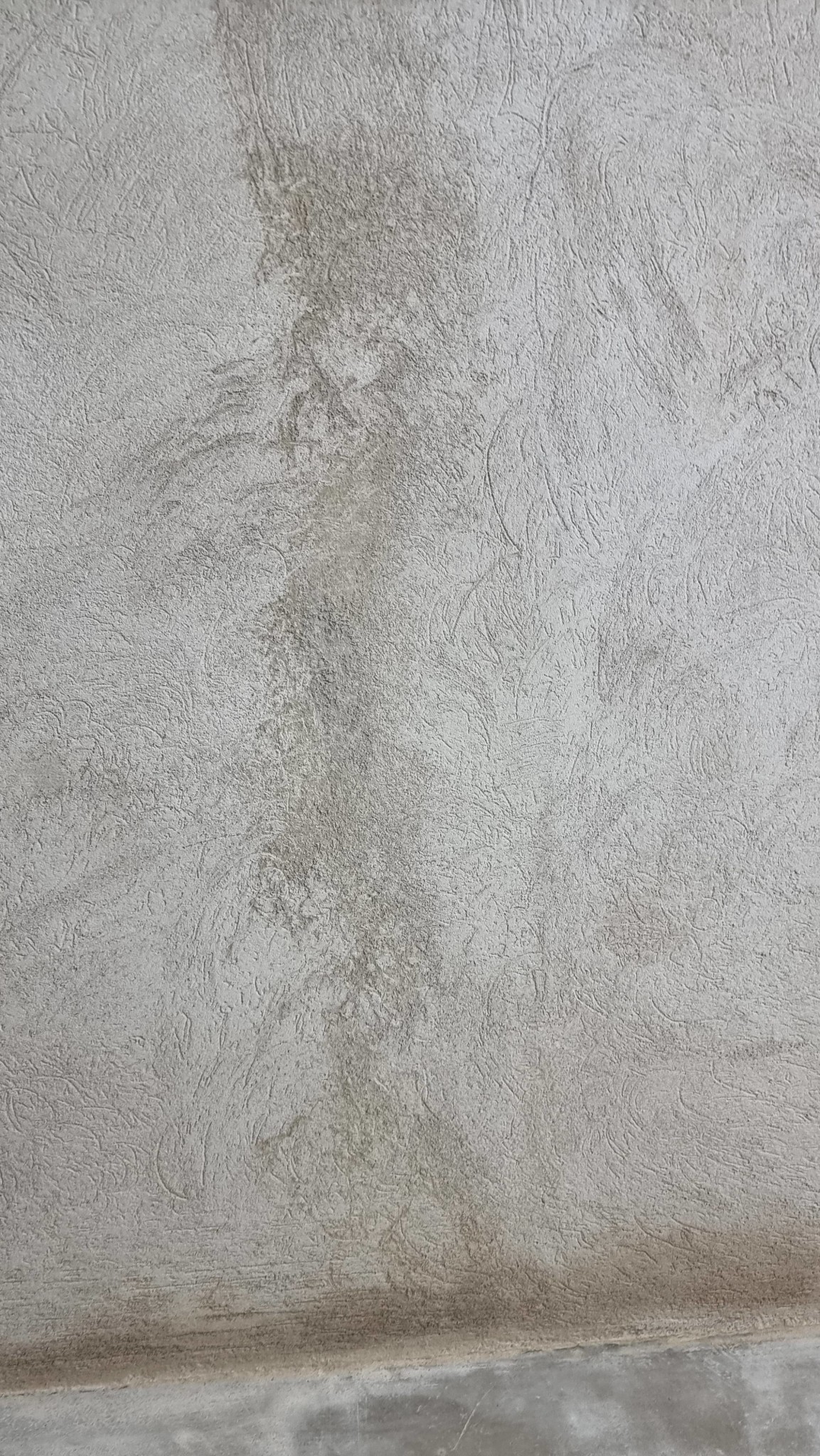
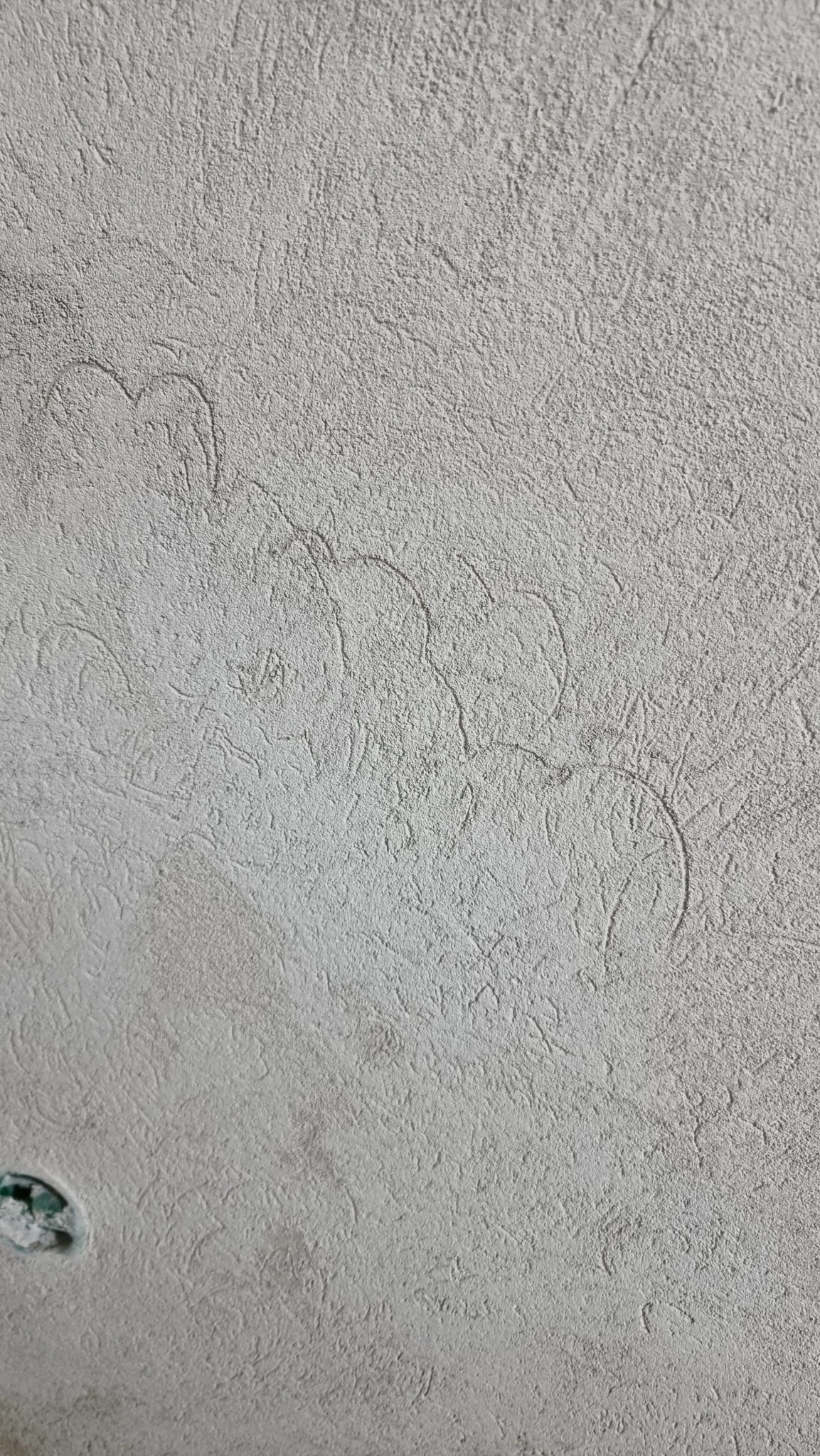
I had the wall plastered with fine plaster c. Shouldn't it have a smoother finish? It's a 0-1mm grain. Additionally, the transitions (the darker spots) in several places don't feel quite right. When you run your hand over them, the plaster (the grains) loosen, and it's not as hard as the rest of the surface. And the vertical lines in the corner don't feel very professional either. Does anyone have experience with this?
I had the wall plastered with fine plaster c. Shouldn't it have a smoother finish? It's a 0-1mm grain. Additionally, the transitions (the darker spots) in several places don't feel quite right. When you run your hand over them, the plaster (the grains) loosen, and it's not as hard as the rest of the surface. And the vertical lines in the corner don't feel very professional either. Does anyone have experience with this?



Hmm, can one repair sporadically, or does everything need to be replastered?D Dublin said:
I was just planning to paint, or what other options are there?
That was probably a bit of a silly question from my side considering your post. You could wallpaper or frame the wall and put up plasterboard, but then your question wouldn't be as relevantDomarn84 said:
 .
.I'm no expert on what can be done. Repairing seems doubtful, possibly applying a new thin layer of plaster.
Plastering is tricky, some people want a rougher surface and others don't like it. Did you have any discussion with the craftsmen beforehand?
I had craftsmen at home who plastered two walls in a room in the basement last fall. The walls had a layer of blåbetong that I had torn off. But the walls themselves were not straight at all (house from 1908) so we agreed that they would be plastered freehand. So they are a bit wavy but the surface is definitely much smoother than yours.
No, not specifically about the texture. But I assumed they would be smoother automatically when it was fine plastering. I almost thought the coarse plaster was smoother.D Dublin said:That might have been a bit of a silly question from my side considering your post. You could wallpaper or frame the wall and put up drywall, but then your question might not be as relevant
I'm no expert on what can be done. Repairing seems doubtful, possibly applying a new thin layer of plaster.
Plastering is difficult, some like a rougher surface while others don't. Did you have any discussion with the craftsmen beforehand?
I had craftsmen at home who plastered two walls in a basement room last fall. The walls had had a layer of blåbetong that I had torn off. But the walls themselves weren't very straight (house from 1908) so we agreed that it would be plastered by hand. So they are a bit wavy but the surface is definitely much smoother than yours.
Should one be worried about the transitions, the darker sections, do you think? That they are loose grains and a slightly different texture, or is that normal?
I don't think you need to worry about that. The appearance will be a bit different once you've painted and depending on the lighting. However, you need to decide beforehand because you don't want to paint first and then realize you want to add another layer of plaster.No, not specifically about which structure. But I did think they would be more even automatically when it was a finish coat. I almost thought the rough coat was smoother. Should one worry about the transitions, the darker areas, you think? That they are loose grains and a slightly different structure, or is that normal?

I actually see nothing strange.
Classically polished road.
Classically polished road.
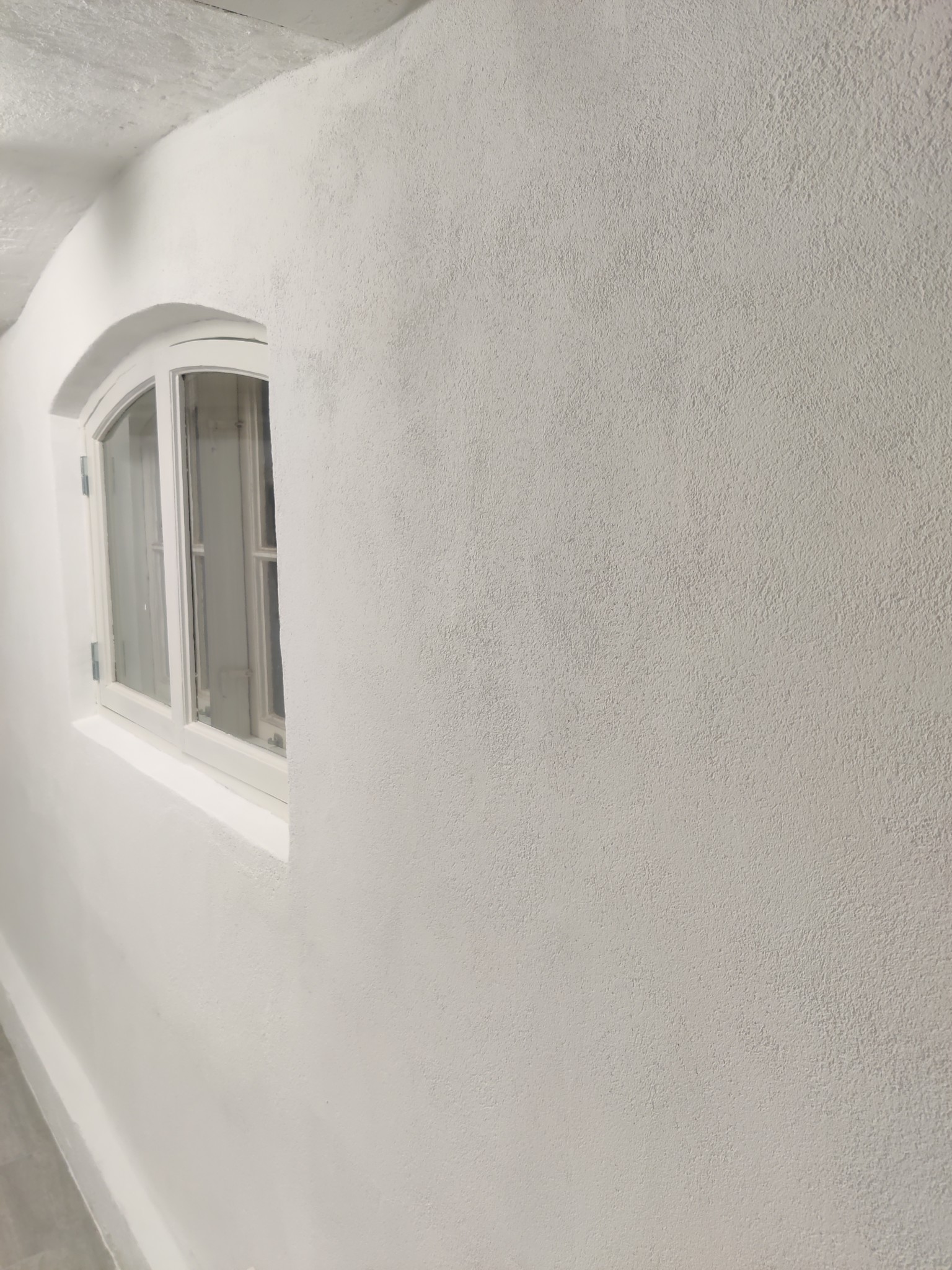

If it is to be smooth, the surface needs to be finished with a steel trowel just when the compound has stiffened but not hardened. Additionally, the trowel should be somewhat slightly convex so as not to snag but glide over the surface. Many bought from building stores today are just a flat piece of steel.
But that would probably work quite well if you paint. There is a bit of life in the surface.
But that would probably work quite well if you paint. There is a bit of life in the surface.
The different dark areas won't be visible once you've painted.
The scratches should have been taken care of when you polished. Now I would have mixed some of your paint with sand and painted over the scratches so the sand sticks in the scratches.
The scratches should have been taken care of when you polished. Now I would have mixed some of your paint with sand and painted over the scratches so the sand sticks in the scratches.

Hmm. If the darker part is a bit loose, maybe it can be brushed away with a fine brush or with your hand?