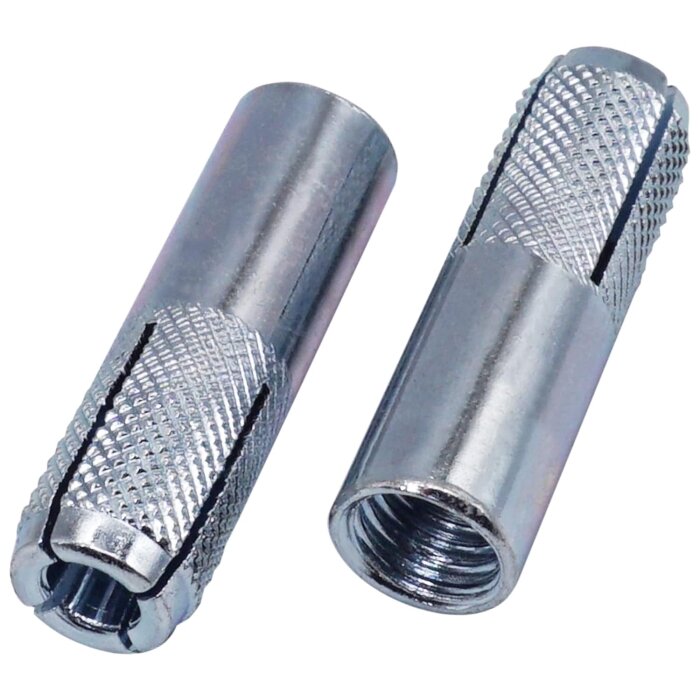
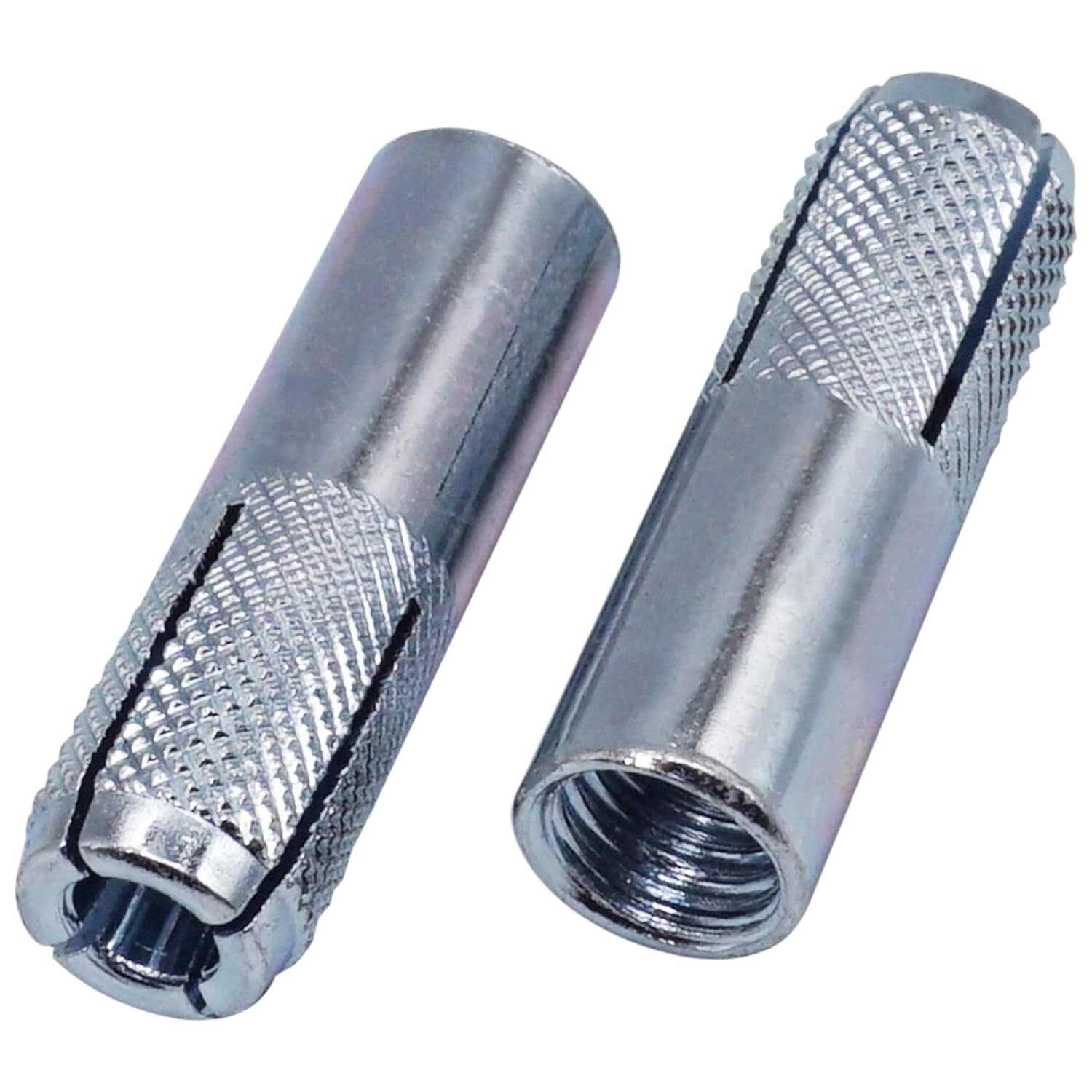
I want to point out that a Schlaganker is significantly more discreet than that. Especially after you've taken down and set up the arrangement a couple of times and made marks on the ceiling. You can glue a bit of felt onto a lifting eye to minimize the marks when it's screwed into the ceiling (but there will be some marks). This can, by all means, be concealed with an appropriately colored plastic washer and screw. It is also likely easier with a Schlaganker.
Edit: The more you try to hide this, the more visitors will assume the mounts are for something other than Roman rings... just sayin'....
Interesting, I've considered it since the kids and the wife are into gymnastics. However, the problem is not the WAF or the mounting, since I have a wooden joist ceiling, but rather the ceiling height. The Fédération Internationale de Gymnastique stipulates that the distance from the attachment point to the inner bottom of the ring should be 300 cm +/- 1 cm. How much can you reduce the length of the straps without making them impossible to use for home training? The kids and the wife claim that anything under a ceiling height of 4 meters becomes unusable, even with 55-60 cm spacing between the attachment points, which is apparently against FIG's regulation of 50 cm.
I want to point out that a drop-in anchor is significantly more discreet than that. Especially when you have taken down and set up the arrangement a few times and made marks on the ceiling. You can glue some felt on a lifting eye and thereby make minimal marks when it's screwed into the ceiling (but there will be some marks). This can, of course, be concealed with a suitably colored plastic washer and screw. Even that is likely easier with a drop-in anchor.
The rumors that the idea of using drop-in anchors is dead are greatly exaggerated 🙂 All good options are still on the table.
tommib said:
Edit: The more you try to hide this, the more visitors will assume the mounts are for something other than Roman rings... just sayin'....
This is when I think one writes "It takes one to know one" ... 😛
Interesting, I myself have considered it because the kids and the wife are into gymnastics. The problem, however, isn't WAF or mounting as I have a wooden beam ceiling, but rather the ceiling height. The Fédération Internationale de Gymnastique states that the distance from the attachment point to the inner bottom edge of the ring should be 300 cm +/- 1 cm. How much can you reduce the length of the straps without making it impossible to use them for home training? The kids and the wife claim that anything under 4 meters ceiling height becomes unusable even with a 55-60 cm distance between the attachment points, which is apparently against FIG's 50 cm.
They can claim what they want 🙂 but it hardly means that no exercises can be done just because the optimal and official height can't be achieved. Nice to see more people like rings, though 🙂 By the way, did you get approval to raise the roof now, or what?
You should probably have two attachment points per loop. If an accident happens and one attachment comes loose, you would want another one as a backup for the same loop. If your wife crashes to the floor neck first, you won't regret a little overwork.
To make it look nice as well, an inverted conical casting of a threaded sleeve would be best. With that, you can screw and lock the loops for each occasion. Fischer has casting material for this that can handle dynamic loads. The pulling forces from the equipment will not always be straight down, so it is important that the attachment can handle some side forces.
You should probably have two anchor points per loop. If an accident happens and an anchoring comes loose, you want an additional one as a backup for the same loop. If your spouse crashes to the floor neck first, you won't regret a little extra work.
If it should also look nice, a reverse conical casting of a threaded sleeve is probably best. With that, you can screw up and lock the loops each time. Fischer has a casting compound for this that can handle dynamic loads. The forces from the equipment will not always be directly down, so it's important that the anchoring can handle some side forces.
You should probably have two fastening points per loop. If an accident happens and one fastening comes loose, you would want another as a backup for the same loop. If your spouse falls to the floor headfirst, you won't regret a little extra work.
If you want it to look nice, an inverted conical casting of a threaded insert might be best. With this, you can screw and lock the loops for each occasion. Fischer has casting compound for this that handles dynamic loading. The forces from the equipment won't always be straight down, so it's important that the fastening can handle some lateral forces.
I found anchor mass, is that the same thing? And what is an inverted conical casting? I understand threaded insert. Or is it the insert that should be conical?
I agree on the number of fastening points, more would be preferable.
I found anchor mass, is it the same thing? And what is reverse conical casting? I understand threaded inserts. Or is it the insert that should be conical?
I agree about the number of fastening points, more would be preferable.
You widen the hole the further you drill. It can be difficult without a jig at the entrance hole. Anyway, the anchor mass then forms a self-locking plug that never risks coming loose. Learned this when hanging heavy overhead objects on lightweight concrete walls.
Can't find suitable threaded inserts. The ones I have used (a long time ago) had cross-drilled holes above the thread line, like the eye nut for a threaded rod.
You expand the hole as it drills further in. It can be difficult without a jig in the entry hole. In any case, the anchor adhesive then forms a self-locking plug that never risks coming loose. I learned this when hanging heavy hanging objects on lightweight concrete walls.
Can't find any suitable threaded inserts. The ones I used (a long time ago) had cross-drilled holes above the thread, similar to an eye nut for a threaded rod.
Aha, got it! It can be tricky to drill like that by hand, yes, even if in theory you could drill a bit at an angle, then drill again but in another direction...
A small question: I guess you screw in a screw and it makes the back end of the anchor expand. But then the question arises: can I now unscrew the screw or does it become one with the anchor?




tommib said:
I want to point out that a drop-in anchor is significantly more discreet than that. Especially when you have taken down and set up the arrangement a few times and made marks on the ceiling. You can glue some felt on a lifting eye and thereby make minimal marks when it's screwed into the ceiling (but there will be some marks). This can, of course, be concealed with a suitably colored plastic washer and screw. Even that is likely easier with a drop-in anchor.Fulkemisten said:
Interesting, I myself have considered it because the kids and the wife are into gymnastics. The problem, however, isn't WAF or mounting as I have a wooden beam ceiling, but rather the ceiling height. The Fédération Internationale de Gymnastique states that the distance from the attachment point to the inner bottom edge of the ring should be 300 cm +/- 1 cm. How much can you reduce the length of the straps without making it impossible to use them for home training? The kids and the wife claim that anything under 4 meters ceiling height becomes unusable even with a 55-60 cm distance between the attachment points, which is apparently against FIG's 50 cm.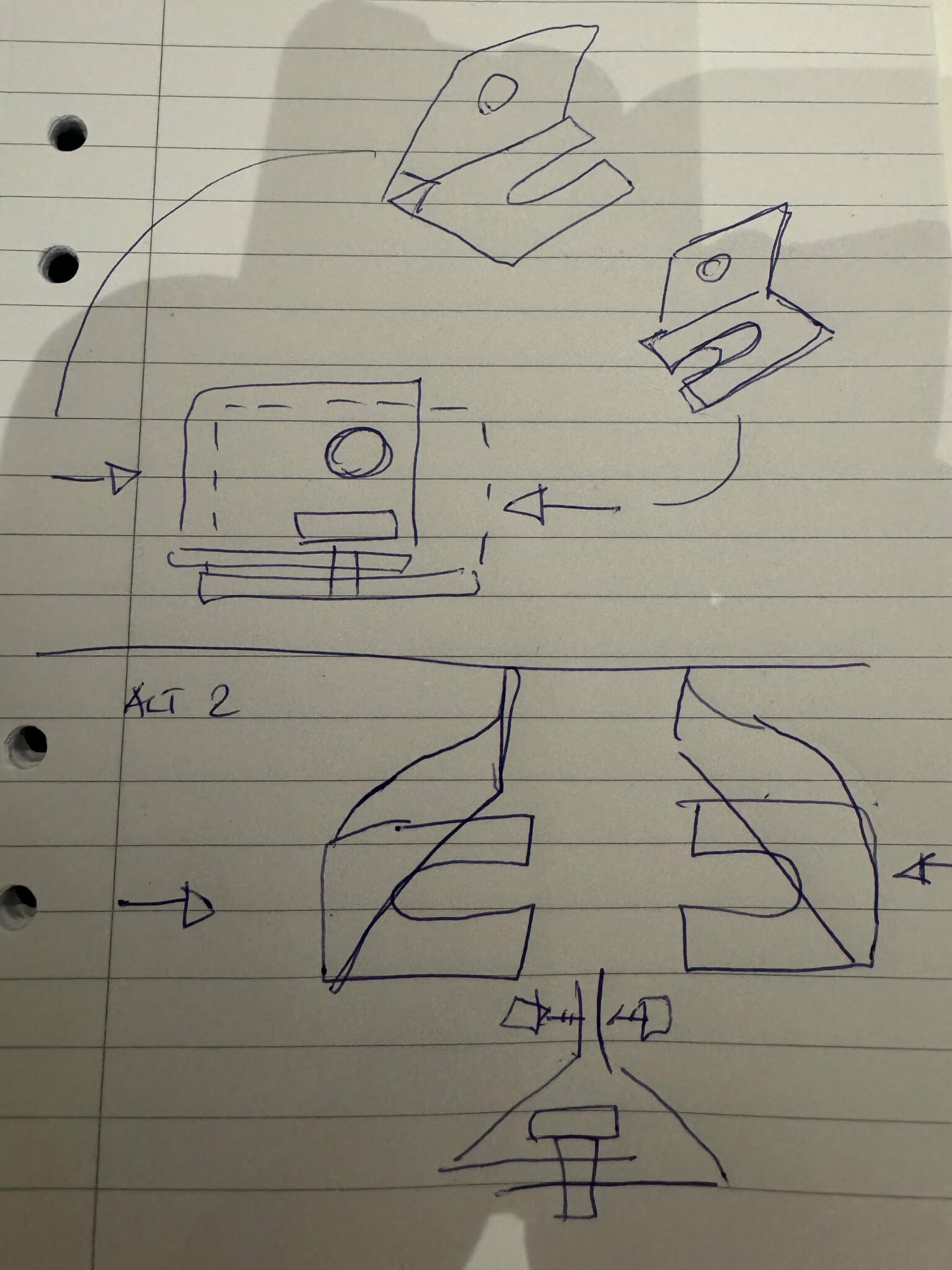

Mathias Dahl said: