I am going to drill a hole through the ceiling to install a kitchen fan. I will have the motor on the roof and the hood in a canopy on the inner ceiling. If I understand correctly, I cannot use a flexible duct but should use a standard 160mm spiro.
What I am now considering is how to get the hole completely vertical through both the inner and outer roof.
It is a flat asphalt roof that is about 30-35 cm thick.
I was thinking of doing it like this:
1) Drill a hole in the ceiling centered above the stove.
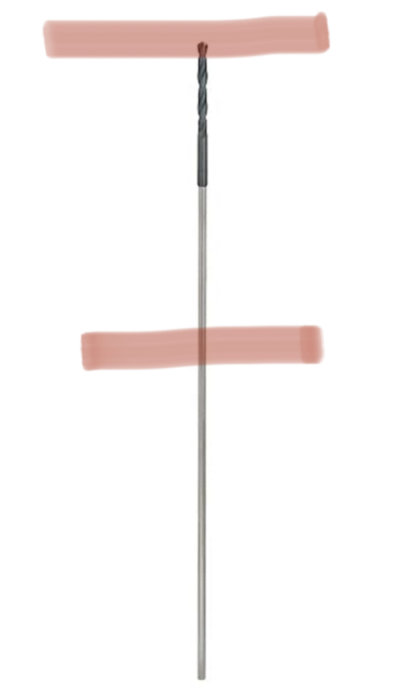
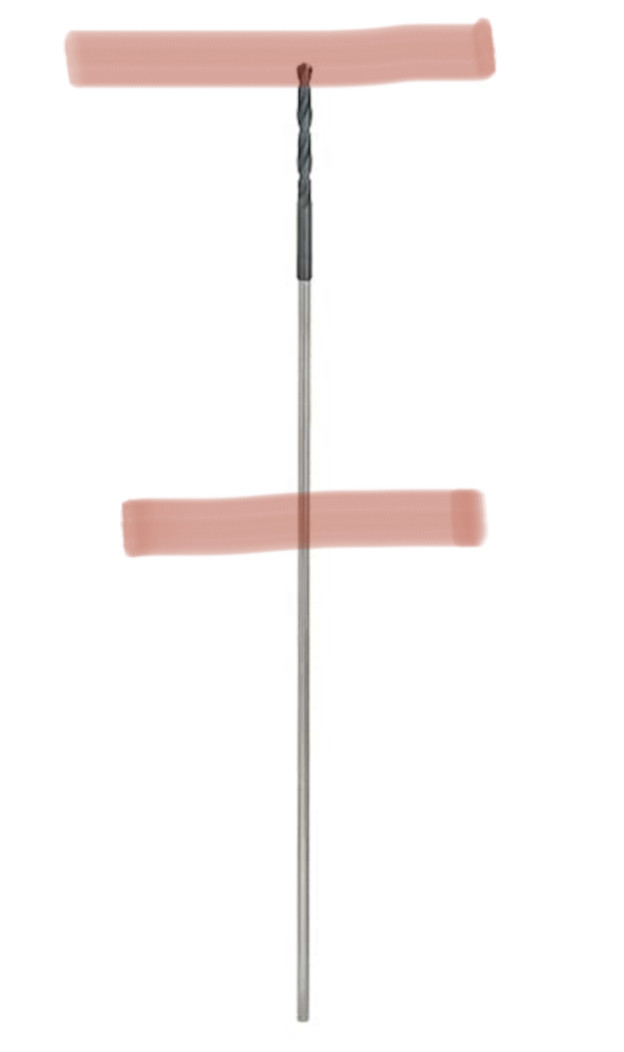
2) Insert an installation drill (600mm) through the insulation until reaching the roof board (underlay for the asphalt roofs).
3) Using a small spirit level on the protruding part, get the installation drill completely vertical.
4) When the installation drill is completely vertical, drill through the outer roof.
That sounds like a good plan to me! But I think that if you are going to access the pipe above the canopy, you'll need a flexible pipe for the first part, but when you go through the ceiling, it must be spiro with a fire blanket. The hole will probably be a little larger than the pipe itself, I guess? So if you go with your idea, it should work perfectly when you install the pipe.
I won't be able to access the pipe, so it needs to be a regular spiro, i.e., not a flexible one.
I'm thinking of making the hole in the ceiling 210mm, so I should be able to fit a 160mm spiro with a 30mm fire mat. I guess I'll have to compress the insulation a bit right when it passes through the hole, there's a 1 cm difference.
Okay. You will have a hard time pulling the pipe through the hole, but it's not a very long piece you have to push through anyway. Just check the rules to make sure the pipe isn't allowed to be in contact with anything flammable if you haven't checked that already. I don't remember what the rules say.
If the inner ceiling and outer roof are parallel as in your picture, I would start by making the hole on the inside where it is most critical. Then I would remove the insulation, etc., and use a square to mark where you actually want the hole in the outer roof, and then based on these markings find the center and mark where to cut in the outer roof.
I am quite sure that you need fire insulation (mineral wool) 5cm thick around the pipe right at the penetration in the roof. I got flagged for this myself - although it was 20 years ago, so the regulations may have changed.
If the inner and outer roofs are parallel as in your picture, I would start by making the hole on the inside where it is most critical. Then I would remove insulation, etc., and use a square to mark where you actually want the hole in the outer roof, and then based on these markings, find the center and mark where you will cut in the outer roof.
I am quite sure you need fire insulation (stone wool) 5cm thick around the pipe precisely in the passage through the roof. I myself got flagged for this - however, it was 20 years ago, so the regulations may have changed.
Thank you!
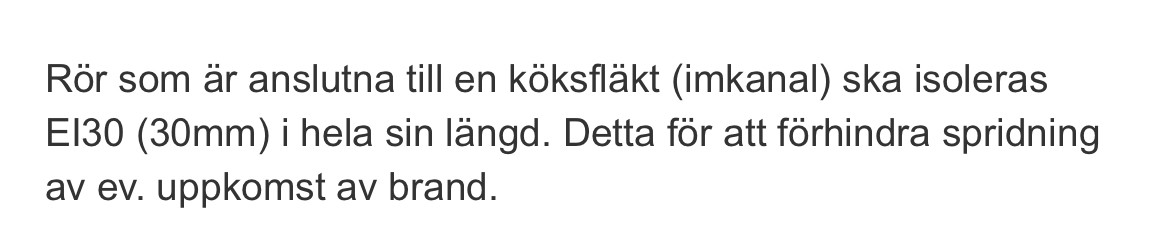
I think it is only 30mm fire insulation but I need to find the regulation. This is what it says on one of the ventshop's websites.
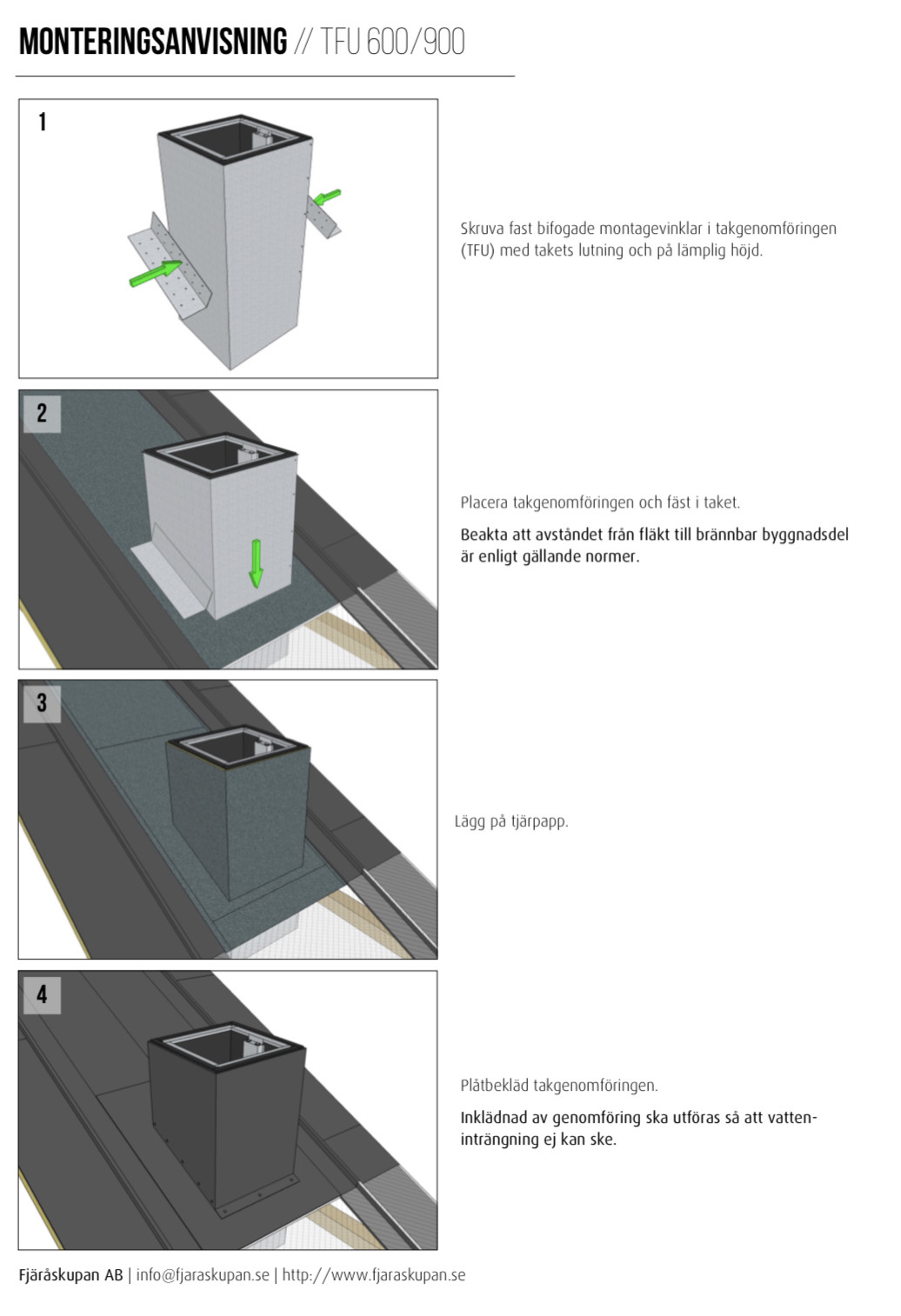
The pipe will not go through the outer roof, only the inner roof. In the outer roof, I am placing a TFU 400x600. It is like a box that is lowered a few cm through the sheathing. Basically, I just need a marking (like a drill hole from an installation drill) in the outer roof, the rest is handled by the roofing/sheet metal firm that will weld the roofing felt on the passage.
I would have first drilled a small hole all the way through, then the large hole on the bottom but kept the small hole outside. Then you can have a thread from the outer roof and a weight inside. This way you can see if it is straight. If it is not completely straight, you can move the large hole outside. That's my only tip.
I would first drill a small hole all the way through, then the large hole at the bottom but keep the small hole outside. Then you can have a thread from the outer roof and a weight inside. That way you can see if it's straight. If it's not completely straight, you can move the large hole outside. That's my only tip.
If you're thinking of finessing it in that manner, which I see as completely over-the-top, it's probably better to just drill the hole in the inner ceiling and then plumb the center of the outer roof's hole. Instead of drilling a hole wrong, I mean. That's what a plumb line is for.....
For those of you who have worked a bit with spiral ducts, is there some degree in the cuffs to pull the pipe a little to one side?
Downpipes (which I have worked with) are essentially completely rigid, but they can be pulled a little in the cuff with maintained function.
The roofing companies I've been in contact with say they make a hole in the outer roof but not in the inner roof. This makes sense when there's an attic to work on, but in my case, both penetrations need to be done in one go, or at least the inner one first. Furthermore, I cannot use a flexible spiro in the attic to link the penetration in the outer roof with the inner roof.
So I have to make the hole at the same time as the roofing company comes (I don't want a hole in the outer roof waiting for the company to come).
I would say that the spiro prefers to be "straight" and that it's better to create a little margin with a larger hole.
It sounds like you can make your hole in the inner ceiling and then leave the rest to the company that installs the hood? Then you don't have to worry about this issue. The hole in the outer roof can also be made quite large.
I can leave the hole in the outer roof to the company, but they would probably like a marking (on the roof) where they should make the hole.
The hole in the outer roof should be 400x400mm, but I assume the hole can be made 410x410 to allow for some adjustment to ensure that the pipe can finally be set completely straight.
I think the company will place the box (TFU) with a longer spiral pipe (around 100 meters) with a fire blanket mounted on the part that goes through the roof (30-40 cm). On the bare part, I can use a spirit level to ensure that the penetration and the pipe end up perfectly vertical.
Okay, yes if the agreement with the company is that they should have a marking, I would still drill the hole internally where you need it (as it is often not flexible) and then just level the sides (at 12, 3, 6, 9) and make a marking on the inside of the outer roof. To move the hole to the outer roof, both a plumb line and a square are suitable, depending on the distance between the roofs.
Feels like you might be overemphasizing precision a bit, the fan's placement is what’s important, but neither the pipe nor the box will care if they're not completely perfect. If it were my job, the client could have gladly mounted the hood inside and given an approximate measurement for the outside. Then I would have opened up a maximum of 30x30, dropped a pipe into the "stosen," and checked with a level, when it's straight, it's just a matter of measuring the box's placement and cutting it out completely.
Once that's done, it's possible to make adjustments if there's a need for packing and vapor barrier from below by temporarily taking down the fan.
If it looks straight it is straight
Vi vill skicka notiser för ämnen du bevakar och händelser som berör dig.


MathiasS said:
If the inner and outer roofs are parallel as in your picture, I would start by making the hole on the inside where it is most critical. Then I would remove insulation, etc., and use a square to mark where you actually want the hole in the outer roof, and then based on these markings, find the center and mark where you will cut in the outer roof.